Partial Dentures: Types, Care and Costs

Key Takeaways
- Partial dentures replace one or more missing teeth and can help restore function and appearance.
- They may be removable or designed as a more fixed-looking appliance, depending on the dental plan.
- A good fit depends on the health of the gums, remaining teeth, and bite alignment.
- Daily cleaning and regular dental follow-up help protect both the denture and the mouth.
- New soreness, looseness, or difficulty chewing are signs that the appliance may need adjustment.
Medically reviewed by the Acıbadem clinical team — August 19, 2026
Partial dentures are a common way to replace several missing teeth while preserving the remaining natural teeth. They can improve chewing, speech, and appearance when planned and fitted with the right dental guidance.
Overview
When several teeth are missing, the gap can do more than change a smile. It may affect chewing, speech, bite balance, and the way nearby teeth shift over time. Partial dentures are one option dentists use to fill those spaces and support the mouth’s everyday function.
A partial denture is a custom-made appliance designed to replace some missing teeth while working alongside the natural teeth that remain. It is usually made for patients who still have healthy teeth in the upper or lower jaw and need a practical, non-surgical or less invasive solution. For international patients considering treatment abroad, this option is often discussed when a complete bridge or implant plan is not the best fit for the mouth, timeline, or budget.
The exact design depends on how many teeth are missing, where they are located, and the condition of the gums and supporting teeth. Because of that, partial dentures are not one-size-fits-all; they are planned to suit the person’s bite, speech patterns, and long-term oral health needs.
Types of Partial Dentures
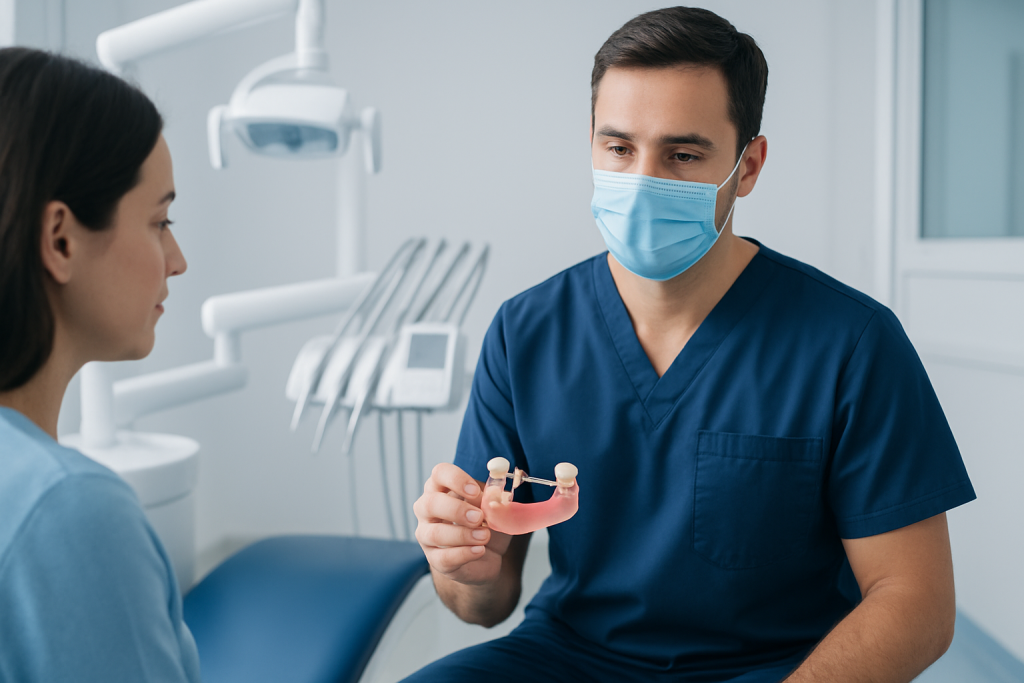
Partial dentures come in several forms, and the material used can influence comfort, appearance, and durability. A dentist usually explains the options after examining the mouth and reviewing what the patient wants from treatment.
Some partial dentures are removable. These typically rest on the gums and are supported by clasps or other attachments that connect to nearby teeth. They are often chosen when a simpler approach is needed or when the mouth needs a solution that can be cleaned outside the mouth each day.
Other designs may use a metal or flexible framework. Metal frameworks are often thin and strong, while flexible versions may feel lighter for some people. In certain cases, the denture may be made to look more natural at the edges by blending carefully with the gum line and surrounding teeth.
- Removable partial dentures: Taken out for cleaning and sleep.
- Cast metal partial dentures: Built with a metal framework for strength and a slimmer profile.
- Flexible partial dentures: Made from a softer material that may improve comfort for some wearers.
- Temporary partial dentures: Used while healing or while a longer-term plan is being prepared.
Some patients also hear about fixed alternatives such as bridges or implants. Those choices can be appropriate in certain cases, but a partial denture remains valuable when several teeth are missing, adjacent teeth need protection, or a staged treatment plan is preferred.
Symptoms and Everyday Challenges of Missing Teeth

Missing teeth do not only create an empty space. They can make chewing uneven, especially if the missing teeth are in the back of the mouth where stronger biting forces are used. Over time, some people begin avoiding particular foods because they are difficult to bite or grind.
Speech may also change. Air can move differently through the mouth when front teeth are missing, which can affect the pronunciation of certain sounds. Some patients notice embarrassment when smiling or speaking in public, and that emotional effect is just as real as the physical one.
Other concerns may include shifting teeth, irritation from sharp edges of nearby teeth, and added strain on the remaining teeth. A partial denture is often considered to bring the bite back into a more balanced position and reduce the pressure that missing teeth can place on the rest of the mouth.
Causes and Risk Factors
Tooth loss can happen for many reasons, and partial dentures are often discussed after the underlying problem has already been addressed. Common causes include tooth decay, gum disease, injury, and the removal of teeth that could not be saved. In some people, teeth are missing from birth or were lost many years earlier.
Risk factors for needing partial dentures include poor oral hygiene, untreated cavities, advanced periodontal disease, smoking, dry mouth, and certain medical conditions that affect oral health. Grinding or clenching the teeth can also contribute to wear and damage over time.
Age alone does not determine whether someone needs a partial denture. What matters more is the pattern of tooth loss, the condition of the remaining teeth, and whether the mouth can safely support the appliance. A patient traveling for care may find that the dental team first focuses on stabilizing oral health before moving to the prosthetic stage.
Diagnosis and Treatment Planning
The process starts with a dental examination rather than the denture itself. The dentist checks the gums, remaining teeth, bite relationship, and any signs of decay or infection. Imaging may be used to assess tooth roots, bone support, and the health of structures that cannot be seen directly during the exam.
Planning a partial denture involves more than measuring the gap. The dental team considers how the appliance will sit, how it will be removed and cleaned, how visible the clasps will be when the patient smiles, and whether any teeth need treatment before impressions are taken. If a patient is seeking care internationally, this stage often includes discussing the number of visits needed and how follow-up can be managed after returning home.
Accurate planning helps the denture fit more comfortably and reduces the risk of pressure spots, looseness, or unwanted movement during chewing. A well-designed partial denture should feel secure enough for daily use while still allowing the remaining teeth and gums to stay healthy.
Treatment Options and What the Process Involves
Once the plan is set, the dentist takes impressions or digital scans of the mouth. These records guide the laboratory in making a custom appliance shaped for the patient’s bite and jaw. Try-ins may be arranged so adjustments can be made before the final denture is completed.
When the denture is delivered, the dentist checks how it fits and whether it contacts the teeth evenly. Small changes are common at first, especially if the mouth has been healing after extractions or if the patient is adapting to a new way of biting and speaking. Learning to insert and remove the appliance carefully is part of the treatment, not an afterthought.
In some cases, a temporary partial denture is used first, followed by a more durable long-term version. This staged approach can be helpful when gum healing is still underway or when the dental team wants to see how the patient adapts before making a final appliance.
The main treatment options may include:
- Removable partial dentures for flexible day-to-day use
- Metal or flexible frameworks for different comfort and strength needs
- Temporary dentures during healing or transition
- Alternative treatments such as bridges or implants when appropriate
Prevention and Self-care
Partial dentures last better when the mouth around them is healthy. Daily brushing, careful flossing, and routine dental cleanings help protect the remaining teeth, which carry much of the support for the appliance. If those teeth weaken, the denture may no longer fit as well.
Cleaning the denture itself is just as important. It should usually be removed and cleaned gently with products recommended by a dentist, since harsh cleaners or very hot water can damage certain materials. Patients are also advised to clean the gums and tongue every day to reduce plaque buildup and keep the mouth comfortable.
Some practical habits can make adaptation easier:
- Store the denture safely when it is not being worn
- Avoid chewing very hard or sticky foods until the bite feels stable
- Take small bites and chew evenly on both sides when possible
- Keep scheduled follow-up visits, especially after a new fitting
For patients recovering away from home, it helps to leave the clinic with clear written instructions and a plan for where to seek adjustments if the appliance feels tight or rubs the gums.
When to See a Doctor
A dentist should review the partial denture if it feels loose, clicks, causes sore spots, or makes chewing more difficult than expected. Mild awareness is common at the beginning, but ongoing pain is not something to ignore.
Patients should also seek advice if the gums become swollen, the denture cracks, nearby teeth feel strained, or speech becomes noticeably worse after the adjustment period. These can be signs that the fit has changed or that the mouth needs a new evaluation.
It is wise to arrange regular checkups even when everything seems fine. The shape of the gums and bite can change gradually, and small adjustments may prevent larger problems later. For international patients, coordinated follow-up is especially helpful because it supports recovery after travel and gives the dentist a chance to monitor the fit over time. At Acibadem Health Point, multidisciplinary specialists and JCI-accredited hospitals diagnose and treat partial denture-related needs for international patients within a coordinated care pathway.
Living Comfortably with a Partial Denture
Most patients adapt to a partial denture with time, patience, and a few adjustments in routine. The first days may feel different as the mouth learns to work around the new appliance, but regular wear and careful follow-up usually make the process easier.
The best outcomes tend to come when the denture is part of a broader oral-health plan. That means treating decay or gum disease, protecting the remaining teeth, and checking the fit before small issues become major ones. With this approach, partial dentures can serve as a practical bridge between tooth loss and a more stable, comfortable smile.
For many people, the goal is not only to replace missing teeth but also to return to ordinary things: eating with less hesitation, speaking with more confidence, and smiling without feeling that every gap is on display. That is often where a well-made partial denture proves its value.
Frequently asked questions
What is the main purpose of a partial denture?
A partial denture replaces several missing teeth and helps restore chewing, speaking, and appearance. It also supports the remaining teeth by reducing the tendency for nearby teeth to shift into the empty space.
Are partial dentures always removable?
Many partial dentures are removable, but the design can vary. A dentist may recommend a removable framework, a flexible version, or another tooth-replacement option depending on the mouth and treatment goals.
How long does it take to get used to a partial denture?
Adaptation varies from person to person. Some people adjust within days, while others need a little longer to become comfortable with speaking and chewing.
Can a partial denture damage natural teeth?
A well-made partial denture should not damage healthy teeth when it fits correctly and is cleaned properly. Problems are more likely if the denture is loose, worn incorrectly, or not checked regularly by a dentist.
What foods are easier or harder to eat with a partial denture?
Soft foods are usually easier at first, especially while the mouth is adapting. Very hard, sticky, or sharply textured foods may be harder to manage until the denture feels stable.
Do partial dentures need regular adjustments?
Yes, adjustments are common, especially after the first fitting or after healing changes the shape of the gums. Even a well-fitting denture may need periodic review as the mouth changes over time.
References
- American Dental Association
- National Institute of Dental and Craniofacial Research
- Mayo Clinic
- Cleveland Clinic
This article is for general information only and is not a substitute for professional medical advice. Please consult a qualified doctor about your individual situation.
Explore treatments in Turkey — costs, top hospitals & a free quote
JCI-accredited · board-certified surgeons · reply within 24h
Add us as a Preferred Source to see more of our trusted health content across Google Search, AI Overviews and Discover.