Renal Stone Sign And Symptoms

Key Takeaways
- Renal stones may cause flank pain, pain that moves toward the groin, blood in the urine, and nausea or vomiting.
- Some stones remain silent until they begin to obstruct urine flow or are found on imaging for another reason.
- Risk factors include dehydration, certain dietary patterns, family history, obesity, and some medical conditions.
- Diagnosis usually combines a symptom review, urine tests, blood tests, and imaging.
- Many stones pass on their own, but others need medical treatment such as medication, procedures, or surgery.
Renal stones, also called kidney stones, can cause anything from mild discomfort to sudden severe pain depending on their size and location. Recognizing the symptoms early helps patients seek timely care and avoid complications.
Overview
Renal stones form when minerals and salts in the urine crystallize and clump together inside the kidneys. They may stay in the kidney for a while without causing trouble, or they may move into the ureter, where even a small stone can trigger intense pain.
The symptoms depend on the stone’s size, shape, and location. A stone that sits quietly in the kidney may be discovered during an unrelated scan, while a stone that blocks urine flow can produce sudden discomfort and urinary changes. For people traveling for care, understanding these patterns can make it easier to decide when a symptom needs prompt medical attention and when a planned evaluation is enough.
Although the phrase “renal stone signs and symptoms” is often used broadly, it helps to think of kidney stones as a spectrum rather than a single experience. Some people have a dramatic episode, and others have intermittent aching, mild blood in the urine, or no warning signs at all.
Symptoms
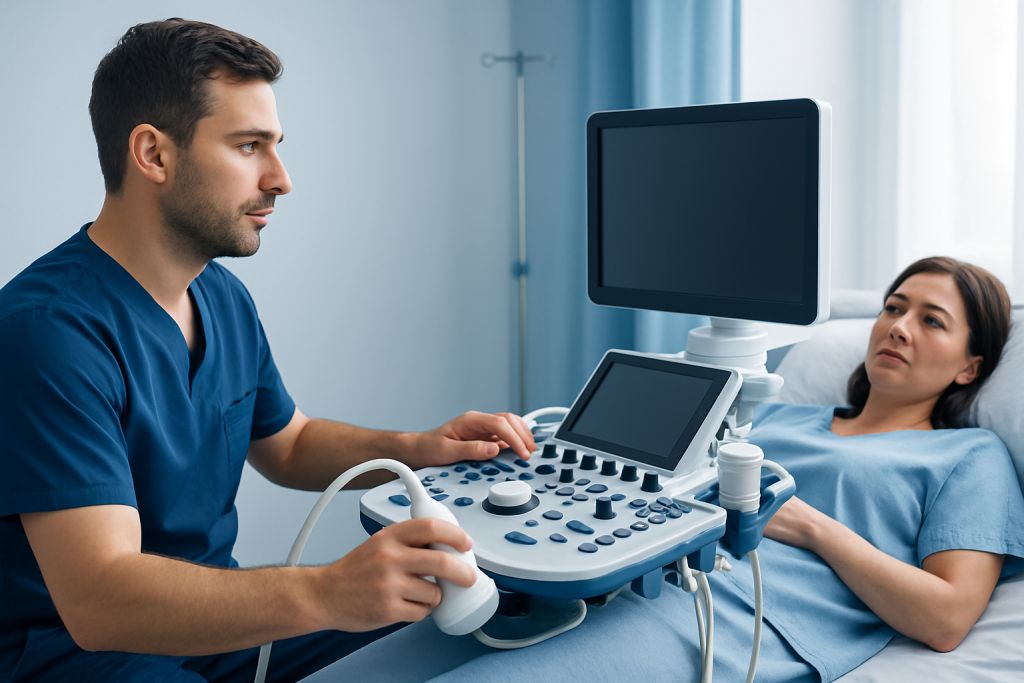
The best-known symptom is pain on one side of the back or flank, often starting suddenly and coming in waves. Many patients describe it as sharp or cramping, and it may spread toward the lower abdomen or groin as the stone moves.
Urinary symptoms are also common. A person may notice blood in the urine, a burning feeling when urinating, cloudy or foul-smelling urine, or a frequent urge to pass urine in small amounts. Nausea and vomiting can appear alongside pain, especially when the body is reacting to a blocked urinary tract.
Not every renal stone causes dramatic pain. Some stones are “silent” until they obstruct flow or are seen on an ultrasound or CT scan. A fever with urinary symptoms deserves careful medical review because it may suggest infection, which can become more serious if urine is also blocked.
- Flank or side pain
- Pain that shifts to the groin or lower abdomen
- Blood in the urine
- Nausea or vomiting
- Urgent or frequent urination
- Burning or discomfort with urination
Causes & Risk Factors
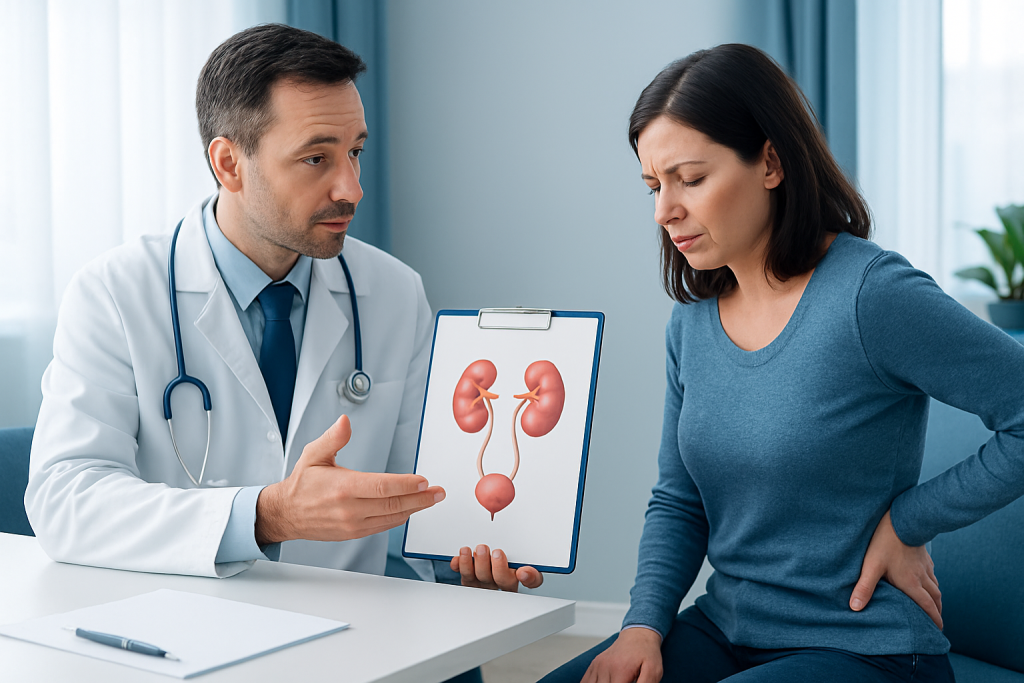
Renal stones develop when urine becomes concentrated and crystal-forming substances are present in higher amounts than the urine can keep dissolved. Low fluid intake is one of the most common contributors because it leaves less water available to dilute these minerals.
Different stone types have different causes. Calcium stones are common and may be linked to diet, urine chemistry, or certain metabolic tendencies. Uric acid stones may be associated with gout, dehydration, or diets high in purines. Some stones form after urinary infections, while others are related to inherited conditions or long-standing bowel disease that affects absorption.
Risk tends to rise when several factors overlap, which is why prevention often focuses on the whole picture rather than a single habit.
- Not drinking enough fluids
- Family history of kidney stones
- Prior stone episodes
- High salt intake
- Obesity or metabolic syndrome
- Certain medical conditions, including gout and some bowel disorders
- Recurrent urinary tract infections
Diagnosis
Diagnosis starts with listening carefully to the symptom pattern, because the location, timing, and character of pain can point toward a stone. A clinician may also ask about urinary changes, past stone history, medications, diet, and travel plans if the patient is seeking care abroad.
Urine testing can show blood, infection, or crystals. Blood tests may help assess kidney function and identify metabolic issues that could encourage stone formation. Imaging is often used to confirm the diagnosis, determine the stone’s size and position, and see whether urine is backed up in the kidney.
Ultrasound is useful in many settings, especially when radiation exposure should be limited. CT scanning is highly effective for identifying stones and guiding treatment decisions. The exact approach depends on the situation, symptoms, and the clinician’s judgment.
Treatment Options
Treatment depends on whether the stone is likely to pass, whether it is causing obstruction, and whether infection or kidney stress is present. Smaller stones may pass naturally with hydration, pain control, and observation, while larger or more stubborn stones may need an active procedure.
Doctors may recommend medications to relax the ureter and make passage easier in selected cases. Sciatica Pain Relief: Treatments and Self-Care" class="ahp-ilk">Pain relief is often part of the plan, and follow-up imaging may be needed to confirm that the stone has cleared. If a stone is too large, stuck, or associated with infection, more urgent treatment is usually advised.
Procedures can include shock wave lithotripsy, ureteroscopy with stone removal, or, less commonly, surgery. The best option depends on the stone’s size, density, and location, as well as the patient’s overall health and travel timeline. For international patients, planning treatment and follow-up before leaving the country helps reduce gaps in care after discharge.
Prevention & Self-care
Prevention usually begins with hydration. Drinking enough fluids to keep urine pale and frequent is a practical goal for many people, though individual needs vary with climate, activity level, and medical conditions. A clinician may also suggest dietary changes based on the stone type.
General habits that often help include moderating salt intake, keeping calcium intake appropriate rather than overly restricted, and avoiding excess intake of certain stone-promoting foods when advised. For patients with recurrent stones, a metabolic evaluation can uncover patterns that are not obvious from symptoms alone.
Self-care during a stone episode should stay within safe limits. Rest, hydration if allowed by a clinician, and prompt attention to worsening pain, fever, or vomiting are important. After treatment, patients who are returning home from another country should leave with clear instructions about medications, warning signs, and any needed follow-up imaging or lab work.
- Drink fluids regularly throughout the day
- Follow dietary advice tailored to stone type
- Take prescribed medicines as directed
- Keep follow-up appointments even if symptoms improve
- Save any passed stone if the care team asks for analysis
When to See a Doctor
Medical evaluation is appropriate for sudden flank pain, blood in the urine, or urinary symptoms that do not settle quickly. Because kidney stone pain can resemble other abdominal or urinary conditions, it is safer to be assessed than to assume the cause.
Urgent care is especially important if pain is severe, fever develops, urine output drops, or vomiting prevents drinking fluids. These features may indicate obstruction, dehydration, or infection, all of which require timely treatment. Pregnant patients, people with one kidney, and those with known kidney disease should seek assessment early.
A well-timed visit can also prevent repeat episodes. Patients who have had more than one stone benefit from a more detailed review of habits, lab results, and imaging findings so the next attack is less likely to arrive without warning. At Acibadem Health Point, multidisciplinary specialists and JCI-accredited hospitals diagnose and treat renal stones for international patients with coordinated care from evaluation to follow-up.
Living With a History of Stones
After the immediate pain has passed, the next priority is understanding why the stone formed. That usually means reviewing the stone composition if one was collected, along with urine and blood studies that look for correctable causes. The goal is not only to treat one episode, but to reduce the chance of another.
Many patients feel well between episodes and assume the problem has disappeared. In reality, kidney stones can recur quietly unless the underlying risks are addressed. A structured follow-up plan is especially useful for patients who travel for care, because it gives them a clear path for testing, medication review, and symptom monitoring after they return home.
With the right plan, renal stones are often manageable, and many people go on to live comfortably without repeated attacks. Clear symptom awareness, sensible prevention, and timely medical review make a meaningful difference.
Frequently asked questions
What are the most common signs of a renal stone?
The most common signs are sudden flank pain, pain that may move toward the groin, and blood in the urine. Some people also notice nausea, vomiting, or urinary urgency. Others have few or no symptoms until the stone starts to block urine flow.
Can a kidney stone cause no pain?
Yes. Some renal stones remain in the kidney and do not cause pain, especially if they are small or not blocking urine. They may be found during imaging for another reason.
How is kidney stone pain different from other abdominal pain?
Kidney stone pain often starts in the side or back and may come in waves. It can move toward the lower abdomen or groin, unlike many stomach-related pains that stay more central. Because other conditions can look similar, a doctor’s evaluation is important.
When should fever with urinary symptoms be taken seriously?
Fever with urinary symptoms should be assessed promptly, especially if there is pain or reduced urine flow. It may suggest infection, and infection plus blockage needs urgent medical attention. A clinician can decide what testing and treatment are needed.
Can renal stones come back after treatment?
Yes, recurrence is common enough that follow-up matters even after symptoms improve. Prevention depends on the stone type and the person’s risk factors, so doctors often recommend urine tests, blood tests, and lifestyle adjustments. Some patients also need periodic imaging.
Is surgery always needed for kidney stones?
No. Many stones pass without surgery, particularly if they are small and do not cause complications. Procedures are considered when stones are too large, do not pass, block urine, or are linked to infection or ongoing kidney stress.
References
- National Institute of Diabetes and Digestive and Kidney Diseases
- Mayo Clinic
- NHS
- European Association of Urology
- American Urological Association
This article is for general information only and is not a substitute for professional medical advice. Please consult a qualified doctor about your individual situation.
Persistent digestive symptoms? Get evaluated in Turkey
JCI-accredited · board-certified surgeons · reply within 24h
Add us as a Preferred Source to see more of our trusted health content across Google Search, AI Overviews and Discover.