Flank

Key Takeaways
- Flank pain is a location-based symptom, not a diagnosis on its own.
- Kidney problems, muscle strain, and urinary tract issues are common causes, but other conditions can also be involved.
- The presence of fever, blood in the urine, nausea, or trouble urinating helps guide the evaluation.
- Most cases improve with appropriate treatment once the underlying cause is identified.
- Sudden severe pain or pain with urgent symptoms deserves prompt medical assessment.
Flank pain is discomfort felt on either side of the back, between the ribs and the hip. It can arise from the kidneys, muscles, spine, or nearby organs, so the right next step depends on the pattern of symptoms and how long they have been present.
Overview
Flank pain refers to discomfort on the side of the body, usually in the area between the lower ribs and the hip. People often describe it as a dull ache, pressure, sharp stabbing pain, or a soreness that worsens with movement. Because the flank sits near the kidneys, muscles, spine, and parts of the digestive and urinary tracts, the symptom can come from more than one source.
For many patients, the first question is whether the pain is “from the kidney” or “from the muscle.” In reality, the answer is not always obvious without an examination and, sometimes, testing. A careful history helps doctors narrow the possibilities by looking at timing, location, associated urinary changes, fever, recent exercise, injury, or digestive symptoms.
When flank pain appears during travel or while away from home, it is understandable to feel uncertain about what to do next. The safest approach is to pay attention to the full pattern rather than the pain alone, since the accompanying symptoms often matter more than the location itself.
Doctors treat flank pain by identifying its cause, not by treating the symptom in isolation. That is why a structured evaluation is important, especially when the pain is new, severe, recurring, or paired with urinary or systemic symptoms.
Symptoms
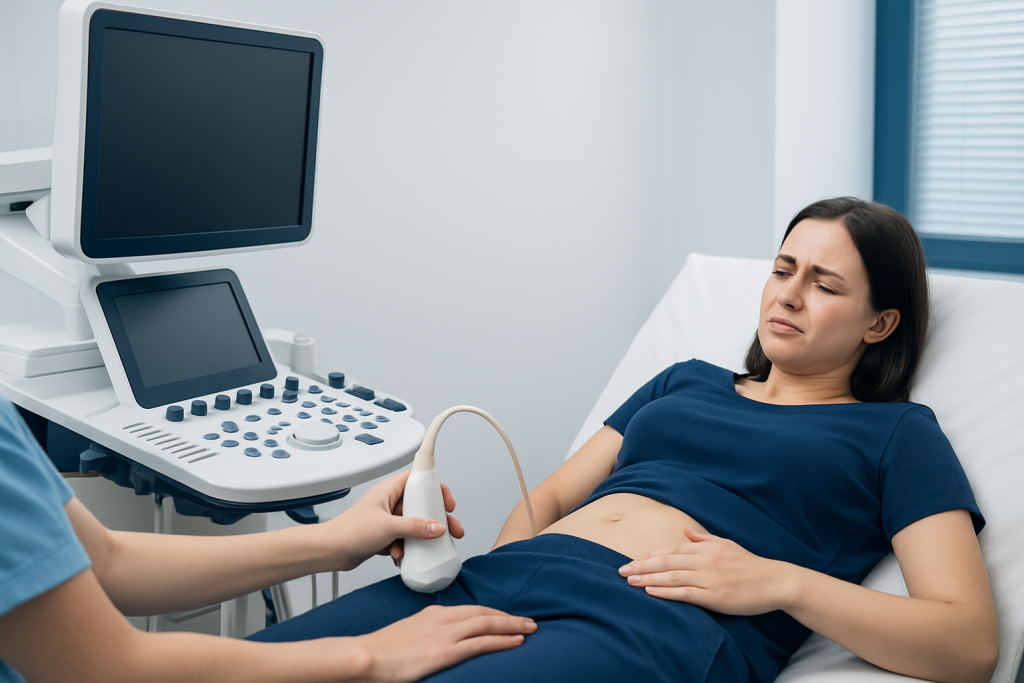
Flank pain can feel different depending on its origin. Some people notice a steady ache on one side of the back, while others feel a sudden, cramping pain that comes in waves. The pain may stay in one spot or spread toward the abdomen, groin, or lower back.
Symptoms that travel with flank pain can offer useful clues. Kidney-related causes may be associated with burning during urination, frequent urination, cloudy urine, blood in the urine, fever, chills, nausea, or vomiting. Muscle or spine-related pain is more likely to worsen with twisting, lifting, bending, or pressing on the area.
Common associated features include:
- Fever or chills
- Painful, urgent, or frequent urination
- Blood in the urine or darker urine
- Nausea or vomiting
- Stiffness, tenderness, or pain with movement
- Pain that spreads to the groin or lower abdomen
Not all flank pain signals a serious problem, and some episodes are linked to a temporary strain or mild irritation. Still, new or changing symptoms should be evaluated carefully, especially if the pain is persistent or interrupts sleep, daily activity, or hydration.
Causes & Risk Factors

The flank area contains several structures, so the list of possible causes is broad. Kidney stones are a well-known cause because they can create sudden, intense one-sided pain, often with nausea or blood in the urine. Kidney infections may also cause flank pain, usually alongside fever, urinary symptoms, and feeling unwell.
Muscle strain is another frequent explanation, especially after heavy lifting, long travel, coughing, sport, or awkward movement. In these cases, the pain often becomes more noticeable when the person changes position or presses on the sore area. Problems in the spine, ribs, or nearby nerves can also produce pain that feels like it is in the flank.
Other possible causes include urinary tract infections, shingles before the rash appears, gallbladder disease, digestive issues, and less commonly inflammation or injury affecting nearby organs. Risk factors vary by cause and may include dehydration, a history of kidney stones, recent infection, repetitive physical strain, or a known spinal condition.
A doctor also considers age, medical history, medication use, and whether the pain is one-sided or bilateral. In some cases, flank pain can be the body’s way of signaling a condition that needs timely treatment even if the pain itself seems manageable at first.
Diagnosis
Evaluation usually begins with a conversation about the pain itself: when it started, where it is located, what makes it better or worse, and whether anything else has changed. A physical examination helps determine whether the discomfort is more likely to be muscular, urinary, abdominal, or related to another system.
Urine testing is often one of the first steps because it can detect blood, signs of infection, or other clues pointing toward a kidney or urinary tract problem. Depending on the situation, blood tests may be used to look for infection, inflammation, kidney function changes, or other abnormalities.
If symptoms suggest a stone, infection, or another internal cause, imaging may be recommended. Ultrasound or CT scans are commonly used to look at the kidneys and surrounding structures, while other tests may be chosen if the pain seems to come from the spine or abdomen rather than the urinary tract.
For international patients, diagnosis may involve coordinating records, prior imaging, and medication lists from home before repeat testing is decided. This helps avoid unnecessary procedures and allows the care team to move efficiently toward a clear explanation.
Treatment Options
Treatment depends on the underlying cause, which is why there is no single approach for all flank pain. Kidney stones may be managed with pain relief, hydration guidance, and, in some cases, medicines or procedures that help the stone pass or remove it. Kidney infections usually require antibiotics and close follow-up to ensure the infection is improving.
When the cause is muscular, care may include rest from aggravating activity, gentle movement as advised, heat or cold application, and symptom-relief measures recommended by a clinician. If the pain is linked to a spinal or nerve issue, treatment may focus on physical therapy, posture changes, anti-inflammatory strategies, or additional evaluation depending on severity.
In more complex situations, doctors may combine several approaches. For example, imaging may show that pain is not coming from the kidneys at all, which can redirect treatment toward the digestive tract, musculoskeletal system, or another source. That adjustment is often what brings relief after days of uncertainty.
People should avoid self-treating persistent flank pain with repeated painkillers without a diagnosis, especially if they have fever, urinary symptoms, or reduced kidney function. A clinician can help determine what is safe and appropriate, particularly when other medications or chronic conditions are involved.
Prevention & Self-care
Not every cause of flank pain can be prevented, but some practical habits may reduce risk. Staying well hydrated can help lower the chance of certain kidney stones in susceptible people, and using safe lifting techniques can reduce the risk of muscle strain. Good posture and regular movement breaks may also help if long travel or desk work contributes to back or side pain.
Self-care should match the likely cause, not replace medical assessment when warning signs are present. Gentle rest, careful hydration, and avoiding activities that worsen the pain can be reasonable short-term steps while a person arranges medical review. If the pain follows exercise or a minor strain, gradual return to activity is usually better than complete immobility.
It can also help to track the details of the episode before seeing a doctor: the side affected, any urinary symptoms, temperature changes, nausea, what the pain feels like, and whether movement affects it. This is especially useful when seeking care abroad, since a concise symptom record can make the consultation more efficient.
People with a history of kidney stones or urinary infections may be given individualized prevention advice after a diagnosis is confirmed. Following that plan is more effective than trying broad, one-size-fits-all remedies.
When to See a Doctor
Medical evaluation is advisable if flank pain is severe, lasts more than a short time, keeps returning, or does not improve with simple measures. It is especially important to seek care if the pain is accompanied by fever, chills, blood in the urine, vomiting, painful urination, difficulty urinating, or a strong sense of illness.
Urgent assessment is also sensible when flank pain begins suddenly and intensely, follows an injury, or occurs during pregnancy. The same applies if there is a history of kidney disease, only one functioning kidney, or a known stone that may be causing blockage.
If someone is traveling, a prompt local review can prevent delays in treatment and reduce the chance that a manageable problem becomes more disruptive. Acibadem Health Point’s multidisciplinary specialists and JCI-accredited hospitals can diagnose and treat flank pain for international patients when coordinated, evidence-based care is needed.
Even when the cause turns out to be minor, a clear diagnosis brings peace of mind. The goal is not to alarm, but to make sure the right problem is identified early enough for the simplest effective treatment.
Living With Flank Pain During Recovery
Recovery is usually smoother when patients understand the expected course of their specific condition. A kidney stone, a urinary infection, and a muscle strain all improve on different timelines, so follow-up matters as much as the first visit. If symptoms shift, worsen, or fail to improve as expected, the care plan may need to be adjusted.
After diagnosis, patients often do best with a short list of clear instructions: what to monitor, which activities to pause, when to resume normal movement, and which symptoms mean they should return for review. That clarity is especially valuable for people recovering away from home or continuing treatment after they return to their country.
Flank pain can be unsettling simply because it sits in a part of the body people do not usually notice until something hurts. With the right assessment and follow-up, many causes are manageable and improve well once the source is known.
Frequently Asked Questions
Answers to common questions can help people decide whether flank pain needs immediate attention or a planned medical visit. The following questions address the most frequent concerns patients raise during evaluation.
Frequently asked questions
Is flank pain always related to the kidneys?
No. The kidneys are a common source, but muscles, the spine, nerves, and nearby abdominal organs can also cause pain in the flank area. The pattern of symptoms and the physical examination help determine the likely source.
What does kidney-related flank pain usually feel like?
It may be a dull ache, a sharp pain, or a cramping pain that comes in waves. Some people also notice urinary symptoms, nausea, fever, or blood in the urine.
Can muscle strain cause flank pain?
Yes. Muscle strain is a common cause, especially after lifting, twisting, coughing, or long periods of awkward posture. The pain often worsens with movement or when the area is pressed.
When should flank pain be treated as urgent?
Urgent care is important if the pain is severe, sudden, or comes with fever, vomiting, blood in the urine, trouble urinating, or a general feeling of being unwell. These features can suggest a kidney infection, a blocked stone, or another condition that should not be delayed.
What tests are commonly used to find the cause?
Doctors often start with a urine test and a physical examination, then add blood tests or imaging if needed. Ultrasound or CT scans may be used when a kidney stone, infection, or another internal cause is suspected.
Can flank pain go away on its own?
Mild pain from a minor strain may improve with rest and time, but that is not true for every case. If the pain is persistent, recurrent, or linked to urinary or fever symptoms, it should be checked by a doctor.
References
- National Institute of Diabetes and Digestive and Kidney Diseases
- Mayo Clinic
- Cleveland Clinic
- NHS
- American Urological Association
This article is for general information only and is not a substitute for professional medical advice. Please consult a qualified doctor about your individual situation.