Nephrostomy

Key Takeaways
- A nephrostomy helps drain urine from the kidney when the usual urinary route is blocked.
- It is commonly used to relieve pressure, preserve kidney function, and treat or stabilize urgent urinary problems.
- Care of the tube and skin around it is important to reduce infection and keep drainage working properly.
- Most patients can manage recovery with guidance, but follow-up is essential, especially if living abroad or traveling for treatment.
- New pain, fever, reduced drainage, or tube movement should be reviewed by a clinician promptly.
A nephrostomy is a procedure that creates a temporary pathway for urine to leave the kidney when normal drainage is blocked. It can relieve pressure, protect kidney function, and help doctors manage infections, stones, tumors, or strictures.
Overview
A nephrostomy is a way of draining urine directly from the kidney through a small tube placed in the skin of the back or side. Instead of traveling normally from the kidney to the bladder, urine exits into a collection bag outside the body. The procedure is usually done when something is blocking the urinary tract and the kidney needs immediate relief.
For many people, the word sounds more complex than the experience itself. In practice, a nephrostomy is often a practical, protective step rather than a final treatment. It can buy time while doctors investigate the cause of the blockage, treat an infection, prepare for surgery, or plan a longer-term solution.
It is commonly called a percutaneous nephrostomy, which simply means the tube is placed through the skin. Because it involves the kidney and urinary system, it is usually arranged by specialists such as interventional radiologists, urologists, or both, depending on the situation and the hospital pathway.
Symptoms and when a nephrostomy may be needed
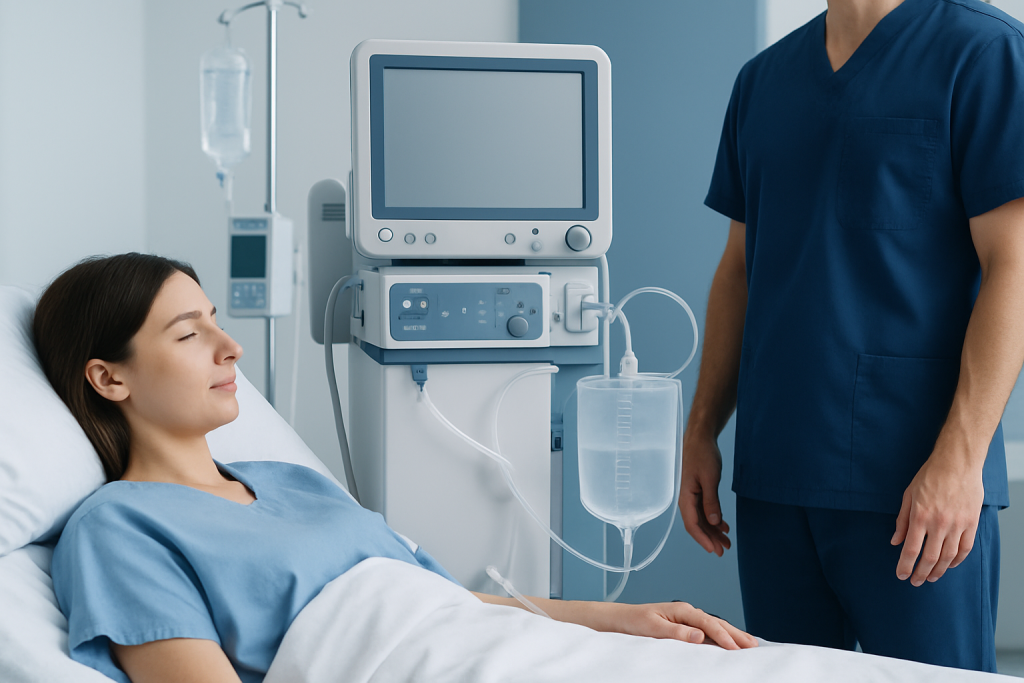
A nephrostomy is not something a person chooses for a minor symptom. It is generally recommended when urine cannot drain normally and the kidney is under pressure. The signs that lead to evaluation can include flank pain, reduced urine output, repeated urinary infections, nausea from obstruction, or findings on imaging that show swelling of the kidney.
Sometimes the issue is urgent and obvious, such as a blocked kidney with fever or severe pain. In other cases, it is discovered during testing for another condition. The underlying cause may be a kidney stone, scar tissue, a narrowed ureter, a tumor, blood clots, or compression from nearby structures.
In an international-patient setting, people often reach the nephrostomy decision after imaging and consultation during a short medical trip or hospital stay. That makes it especially helpful to understand not only the procedure itself, but also the follow-up plan, supplies needed for home care, and how the tube will be checked once the person returns home.
Causes and risk factors
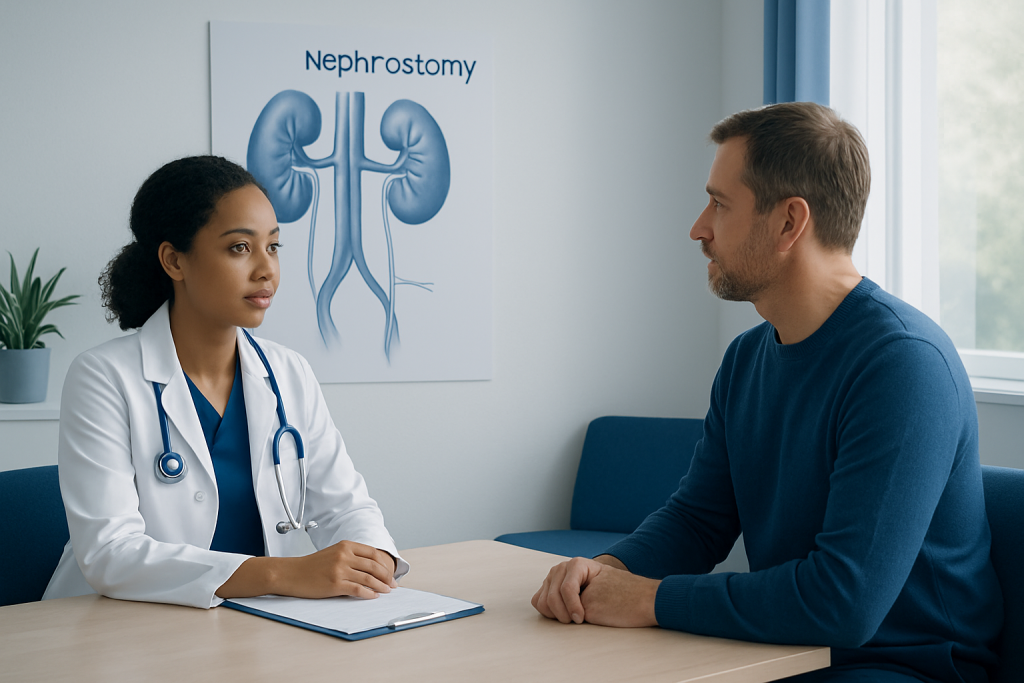
Anything that blocks urine flow from the kidney to the bladder can make a nephrostomy necessary. Kidney stones are a common cause, especially when they are large, hard to pass, or associated with swelling and infection. Narrowing of the ureter, also called a stricture, can develop after surgery, inflammation, injury, or radiation therapy.
Other causes include tumors in the urinary tract, pressure from masses in the pelvis or abdomen, and blood clots. In some people, urinary drainage problems are linked to congenital differences or long-standing disease affecting the urinary system. When infection occurs above the blockage, drainage becomes even more important because antibiotics alone may not be enough if urine cannot move freely.
Risk factors vary with the underlying condition, but dehydration, a history of stones, prior pelvic surgery, cancer affecting the urinary tract, and recurrent urinary infections may all play a role. A doctor will usually look at the whole picture, not just the kidney, because the safest plan depends on why the blockage happened and how stable the person is.
Diagnosis
Before a nephrostomy is placed, doctors usually confirm where the blockage is and how urgently the kidney needs decompression. Imaging tests such as ultrasound, CT, or X-ray-based studies may be used to show whether the kidney is swollen and where the urine flow is interrupted. Blood tests can help assess kidney function and signs of infection.
The evaluation may also include urine testing, a review of symptoms, and discussion of prior procedures or medications. If the person is being treated far from home, doctors often pay close attention to the timeline for follow-up, because the tube requires monitoring and sometimes later exchange or removal.
In many cases, the decision is made quickly when the kidney is obstructed and symptoms suggest a need for drainage. The goal is not only to confirm the problem, but also to choose the least disruptive path to protect the kidney and stabilize the person safely.
Treatment options
Placing the nephrostomy tube is the main treatment when direct kidney drainage is needed. The procedure is usually done with imaging guidance and local anesthesia, sometimes with sedation. A thin tube is advanced through the skin into the kidney so urine can flow into an external bag.
After placement, the care team checks that urine is draining well and that the tube is secure. Some people also need antibiotics, pain relief, or treatment for the underlying cause, such as stone removal, stent placement, surgery, or cancer-directed therapy. The nephrostomy may be temporary while a longer-term solution is arranged, or it may stay in place for a longer period if needed.
Treatment plans are individualized. For some patients, a ureteric stent is considered instead of or after nephrostomy, depending on anatomy and the reason for obstruction. The right option depends on the blockage, infection status, kidney function, and whether immediate drainage can be achieved most safely through the skin or through the bladder.
Living with a nephrostomy: care and self-care
Daily care focuses on keeping the tube clean, secure, and draining freely. The skin around the tube should be checked regularly for redness, leakage, swelling, or tenderness. The drainage bag is usually emptied before it becomes too full, and the tubing should be handled gently to avoid kinking or pulling.
Bathing, sleeping, and traveling can often be managed with simple adjustments. A nurse or doctor may explain how to protect the site during showers, how to secure the bag at night, and what to do if dressings become wet. People traveling internationally after the procedure should leave with clear written instructions, enough supplies, and a plan for where to seek help if the tube becomes blocked or dislodged.
Helpful habits often include:
- Washing hands before and after touching the tube or bag
- Keeping the drainage system below kidney level unless instructed otherwise
- Monitoring urine color, amount, and any unusual odor
- Avoiding heavy pulling, twisting, or pressure on the tube
- Attending scheduled tube checks or exchanges
Emotional adjustment matters too. Some people feel self-conscious about the external bag or worry about mobility. With practical instruction and follow-up, most patients learn a routine that becomes manageable in everyday life.
Prevention and recovery
A nephrostomy itself is not usually something to prevent; it is a response to a problem that has already developed. Prevention is therefore about reducing the risk of future obstruction and protecting the tube while it is in place. This may include drinking fluids as advised, treating stones or infections early, and following a plan for any narrowing or tumor-related blockage.
Recovery after placement depends on the cause of the obstruction and the person’s overall health. Many patients feel relief once pressure in the kidney is reduced, though some soreness around the tube site is common at first. Rest, careful movement, and attention to the drainage system help the early recovery period go more smoothly.
Because follow-up is essential, patients receiving care while abroad should ask for a clear discharge summary, imaging results, and instructions for future appointments. That helps a home-country doctor continue care without delay and reduces the chance of confusion about the tube’s purpose, timing, or next steps.
When to see a doctor
A doctor should be contacted promptly if fever develops, pain increases, urine output suddenly drops, the tube appears to move, or the site becomes red, swollen, or leaks significantly. These changes can suggest infection, blockage, or displacement and should not be ignored.
It is also important to seek medical advice if the drainage bag stops filling, urine becomes cloudy with worsening symptoms, or there is blood that seems heavier than expected. Even when the person feels generally well, missed follow-up can allow small problems to grow into larger ones.
For anyone considering Varicose Vein Treatment Abroad: When Stockings Are Enough and When Procedures Help More" class="ahp-ilk">treatment abroad, it is wise to choose a team that can coordinate imaging, placement, follow-up, and any later procedure that removes or replaces the tube. Acibadem Health Point’s multidisciplinary specialists and JCI-accredited hospitals diagnose and treat nephrostomy-related conditions for international patients with coordinated care and follow-up planning.
Frequently asked questions
What is the purpose of a nephrostomy?
A nephrostomy drains urine directly from the kidney when the normal pathway is blocked. This helps reduce pressure, protect kidney function, and can support treatment of infection or the underlying cause of obstruction.
Is a nephrostomy permanent?
Not usually. It is often temporary while doctors treat the blockage or plan a longer-term solution, although some people may need it for a longer period depending on their condition.
Does a nephrostomy tube hurt?
There may be some soreness where the tube enters the skin, especially soon after placement. Ongoing or worsening pain is not something to dismiss and should be discussed with a doctor.
Can a person live normally with a nephrostomy bag?
Many people can continue daily activities with some adjustments. Careful handling of the tube, attention to hygiene, and regular follow-up make it easier to manage work, travel, and routine movement.
How often does a nephrostomy tube need to be checked?
The schedule depends on the reason for the tube and the doctor’s plan. Regular review is important because tubes may need cleaning, exchange, or removal at the right time.
What should a person do if the tube stops draining?
They should contact a doctor or urgent care team promptly. A blocked tube can allow urine to build up again, so it is important to have it checked without delay.
References
- National Institute of Diabetes and Digestive and Kidney Diseases
- NHS
- Mayo Clinic
- American Urological Association
- Radiological Society of North America
This article is for general information only and is not a substitute for professional medical advice. Please consult a qualified doctor about your individual situation.