

Bone Healing After a Fracture Fixation: Why Recovery Is Not Just About the Cast
Key Takeaways
- Fracture fixation stabilizes the bone, but healing also involves muscles, ligaments, joints, and nerves.
- Recovery time varies by fracture type, age, health status, and whether the break needed surgery.
- Rehabilitation helps prevent stiffness, weakness, swelling, and loss of function after immobilization.
- Follow-up imaging and clinic visits help the care team track alignment and healing progress.
- Pain that worsens, new numbness, increasing swelling, or fever should be reviewed by a doctor promptly.
Medically reviewed by the Acıbadem clinical team — June 13, 2026
After a fracture is fixed, healing continues well beyond the cast or surgical hardware. Recovery depends on bone repair, soft-tissue healing, safe movement, and a rehabilitation plan that restores strength, balance, and confidence.
Overview
When a bone breaks, the first priority is to keep it in the right position long enough for new bone to form. That is what fracture fixation does. Fixation may mean a cast, brace, pins, plates, screws, rods, or an external frame, depending on the injury and the person’s overall health.
But a fixed fracture is not the same as a fully recovered limb. Bone healing is only one part of the process. The nearby muscles may weaken, joints may stiffen, swelling can linger, and the brain may hesitate to trust the injured area again. Recovery therefore becomes a broader rehabilitation journey, not just a period of waiting for the cast to come off.
For many people, especially those traveling for orthopedic care, the practical question is not only “Is the bone mended?” but also “Will I be able to walk, lift, work, and travel comfortably again?” The answer depends on how well the healing bone, the soft tissues, and the rehabilitation plan work together over time.
How Bone Healing Actually Happens
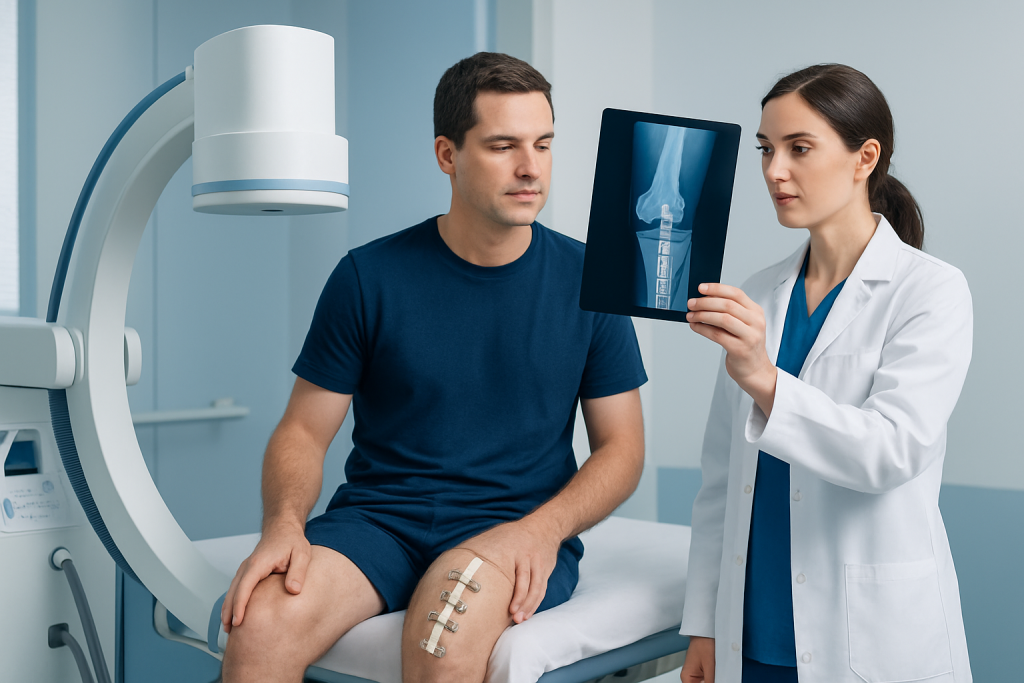
Bone repair usually moves through several overlapping stages. Soon after the break, the body forms a clot and begins an inflammatory response that clears damaged tissue and signals repair cells to arrive. Next, a soft callus starts bridging the fracture, followed by a harder callus as the body lays down new bone. Over time, the bone remodels itself so it becomes stronger and more like its original shape.
Fixation supports this process by limiting movement at the fracture site. Too much motion can disrupt healing, while too little safe movement around the injury can cause stiffness and weakness in the surrounding joints and muscles. The balance between protection and activity is one of the main reasons follow-up care matters so much.
Healing speed depends on many factors, including the fracture’s location, the size of the break, blood supply to the bone, age, nutrition, smoking status, and whether there are other medical conditions such as diabetes or osteoporosis. Some fractures heal predictably, while others need longer observation and adjusted rehabilitation goals.
Why Recovery Is More Than Protecting the Fracture
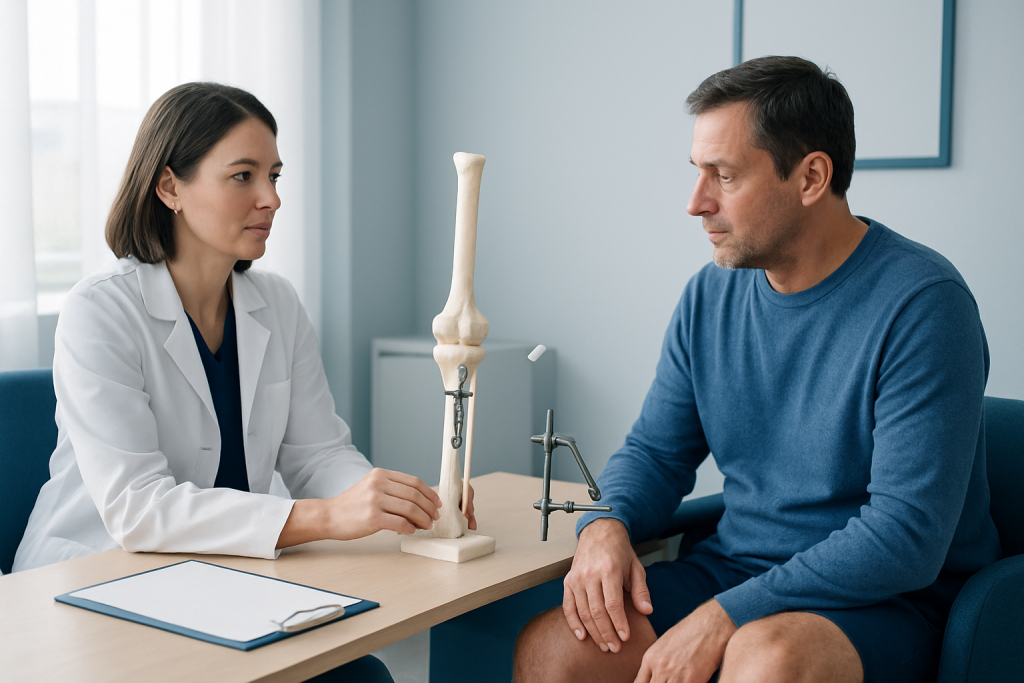
A cast or surgical fixation keeps the broken bone stable, but it does not keep the rest of the limb fully healthy on its own. When a person avoids using an arm or leg for weeks, the muscles lose strength, the tendons become less supple, and nearby joints may become stiff. Swelling can also slow movement and make the area feel heavy or uncomfortable.
There is also a functional side to recovery. A healed fracture does not automatically mean a person can climb stairs, grip objects, drive, return to sport, or manage long-haul travel without difficulty. Rehabilitation focuses on those real-life tasks. It helps the person regain movement in a controlled way and rebuild confidence in using the injured area.
This is especially important after surgery or when care is coordinated across countries. A patient may leave the operating room with a stable fracture, but the success of treatment depends on what happens next: wound care, physical therapy, safe progression of weight-bearing, and timely reassessment once the person is back home or continuing care abroad.
Common Symptoms During Healing
Some discomfort is expected after a fracture and during fixation. Pain usually improves gradually, though it may increase after activity or during therapy sessions. Swelling, bruising, limited motion, and a sense of weakness are also common early on.
As healing progresses, many people notice that the pain becomes more localized and less intense. The injured area may still feel tight, tired, or sensitive when it is used again. These changes often reflect the transition from protection to gradual rebuilding.
- Expected healing signs: slowly improving pain, less swelling, better movement, and stronger function over time
- Reasons to pause and check in: pain that suddenly worsens, new deformity, fever, increasing redness, or drainage from a surgical wound
- Urgent symptoms: numbness, tingling, pale or cold fingers or toes, severe swelling, or inability to move the limb as before
Causes & Risk Factors for Delayed Healing
Not every fracture heals at the same pace. Some bones have a strong blood supply and heal fairly reliably, while others are more vulnerable to delayed union or nonunion. The type of fracture matters too: a simple break in one area may recover more quickly than a shattered bone, an open fracture, or a break involving a joint surface.
Several personal health factors can slow healing. Smoking, poor nutrition, low vitamin D, uncontrolled diabetes, anemia, certain medications, and heavy alcohol use may interfere with bone repair. Older age, infection, and limited blood flow to the injured area can also make recovery slower or more complicated.
Activity patterns matter as well. Too much force on the fracture too soon may disturb healing, while prolonged inactivity can create a different set of problems such as stiffness and muscle loss. This is why the care plan should be individualized rather than based on a one-size-fits-all timeline.
How Doctors Check Whether the Bone Is Healing
Follow-up visits help the care team compare symptoms, physical exam findings, and imaging results. X-rays are the most common way to monitor alignment and callus formation, though other imaging may be used if healing is uncertain or if the fracture is complex. The doctor may also check for tenderness at the fracture site, limb function, swelling, and the condition of any surgical incision.
If fixation was done surgically, the team may look for signs that the hardware remains stable and that the bone is healing around it as planned. When pain lingers longer than expected, or the fracture does not seem to be progressing, further evaluation may be needed to look for delayed healing, infection, or mechanical problems.
For international patients, clear follow-up planning is especially important before returning home. A discharge packet, therapy plan, imaging schedule, and contact pathway for questions can make continued recovery much smoother across borders.
Treatment Options and Rehabilitation
Treatment after fracture fixation usually combines protection, pain control, and progressive rehabilitation. Early on, the injured limb may need elevation, wound care, and limited use. As healing advances, a clinician may recommend gradual weight-bearing, range-of-motion exercises, and then strengthening work.
Physical therapy often plays a central role. A therapist can teach safe movements, help reduce stiffness, retrain balance and walking patterns, and guide the return to everyday tasks. In some cases, occupational therapy is useful for hand, wrist, shoulder, or upper-limb injuries because it focuses on dressing, writing, lifting, and other practical activities.
Other supportive measures may include nutrition guidance, smoking cessation, and bone health assessment if the fracture occurred after minimal trauma or there is concern for osteoporosis. If pain, infection, malalignment, or nonunion develops, additional medical or surgical treatment may be necessary.
Prevention & Self-care During Recovery
Good self-care can make recovery safer and more comfortable. Keeping follow-up appointments is one of the most important steps because it allows the care team to adjust the plan before problems grow larger. It is also wise to follow instructions about weight-bearing, wound care, and brace or cast use exactly as prescribed.
Nutrition supports healing more than many people realize. A balanced diet with adequate protein, calcium, and vitamin D can help the body rebuild tissue. Hydration, sleep, and avoiding smoking also matter because bone repair is an active biological process, not a passive one.
Practical everyday habits can reduce setbacks:
- Elevate the limb when advised to help swelling settle
- Move unaffected joints regularly to reduce stiffness
- Use mobility aids if recommended, such as crutches, a walker, or a sling
- Ask before resuming driving, sports, or travel with long periods of sitting
- Report any new redness, worsening pain, or cast or brace problems early
Recovery can feel slower than expected, especially after surgery, but gradual progress is usually the goal. A measured approach often protects the fracture better than trying to “push through” symptoms too quickly.
When to See a Doctor
A doctor should be contacted if pain stops improving, function declines, or the injured area becomes more swollen, red, or warm. New numbness, tingling, a change in skin color, or inability to move fingers or toes normally can signal a circulation or nerve problem and should not be ignored.
Prompt medical review is also important if there is fever, wound drainage, foul odor, loosening hardware, a cast that feels too tight, or a sudden new deformity. Even if these symptoms turn out to be minor, it is safer to have them assessed early.
People traveling for fracture care should know how to reach their treating team after discharge and where to seek urgent help locally if needed. At Acibadem Health Point, multidisciplinary specialists and JCI-accredited hospitals can diagnose and treat fracture-related conditions for international patients while helping coordinate follow-up care.
Frequently asked questions
How long does bone healing usually take after fracture fixation?
Healing time varies widely because it depends on the bone involved, the type of fracture, age, and overall health. Some fractures begin to feel better in weeks, while others need several months for full recovery. The treating doctor usually tracks progress with symptoms, examination, and imaging rather than by calendar alone.
Why can the bone be fixed but the patient still feel weak or stiff?
Fixation stabilizes the fracture, but the surrounding muscles and joints may be deconditioned from immobilization. Swelling, pain, and guarded movement can also limit function. Rehabilitation helps restore motion, strength, and control once the bone is ready for more activity.
Is physical therapy always needed after a fracture?
Not every fracture requires formal therapy, but many do benefit from it, especially after surgery or a longer period in a cast. Therapy is often helpful when stiffness, weakness, balance problems, or difficulty returning to daily tasks are present. The decision should be based on the individual injury and recovery goals.
Can a patient travel while a fracture is healing?
Travel may be possible, but it should be discussed with the treating doctor first. Long trips can increase swelling and make follow-up care more complicated, especially after surgery. The care team can advise on timing, mobility, and any precautions needed during the journey.
What are signs that healing may be delayed?
Pain that remains strong or worsens, persistent tenderness at the fracture site, and lack of functional improvement can all suggest slower healing. Delayed healing may also be suspected if imaging shows limited progress over time. A doctor may review nutrition, smoking, medication use, and fracture stability to look for reasons.
What can help bones heal better at home?
Following weight-bearing instructions, attending follow-up visits, and keeping the limb protected are key steps. A balanced diet, enough protein, and avoiding smoking also support healing. It is equally important to stay active in the ways the doctor or therapist recommends so nearby joints do not become overly stiff.
References
- American Academy of Orthopaedic Surgeons
- Mayo Clinic
- National Institute of Arthritis and Musculoskeletal and Skin Diseases
- NHS
- Orthopaedic Trauma Association
This article is for general information only and is not a substitute for professional medical advice. Please consult a qualified doctor about your individual situation.
More from the Health Library


Related Specialists

Dr. Safiye Sayilir
Physical Medicine & Rehabilitation
Dr. Özgün Barış Çolak
Physical Medicine & Rehabilitation
Prof. Dr. Meltem Vural
Physical Medicine & Rehabilitation
Prof. Dr. Meral Bayramoğlu
Physical Medicine & Rehabilitation