

PRP Treatment: Uses, Benefits and Risks

Key Takeaways
- PRP uses a concentrated portion of the patient’s own blood, especially platelets, to encourage healing processes.
- It is commonly used in dermatology, aesthetic care, and some orthopedics, but it is not a universal solution for every condition.
- A careful medical assessment matters because the best candidates, expected results, and treatment plans vary widely.
- Recovery is usually straightforward, but the procedure should be performed by qualified clinicians in an appropriate medical setting.
- People traveling for PRP care should plan for consultation, aftercare, and follow-up before making a treatment decision.
Medically reviewed by the Acıbadem clinical team — August 19, 2026
PRP treatment, or platelet-rich plasma therapy, uses a patient’s own blood components to support healing and tissue repair. It is commonly discussed for hair thinning, skin rejuvenation, and certain musculoskeletal problems, with suitability depending on the individual’s condition and goals.
Overview
PRP treatment, short for platelet-rich plasma treatment, is a procedure that uses a patient’s own blood to prepare a concentrated plasma solution rich in platelets. Those platelets contain growth factors and signaling proteins that may help the body’s natural repair processes. Because the material comes from the patient, PRP is often described as an autologous treatment.
In everyday practice, PRP is discussed most often in two broad areas: aesthetic and dermatologic care, where it may be used for hair thinning or skin quality, and musculoskeletal care, where it may be considered for certain tendon, ligament, or joint complaints. The exact role of PRP depends on the diagnosis, the severity of the problem, and whether other treatments have already been tried.
For people exploring care across borders, PRP can sound appealing because it is minimally invasive and usually performed on an outpatient basis. Even so, it is still a medical procedure, and the most useful first step is a consultation with a clinician who can confirm whether PRP is appropriate or whether another option would be more effective.
Symptoms and Common Reasons People Consider PRP
PRP is not a symptom-based diagnosis in itself; rather, it is a treatment that may be proposed for specific concerns. In dermatology and aesthetic medicine, people often ask about PRP for gradual hair thinning, widening hair parting, or skin that appears dull, tired, or less elastic. In orthopedics, it may be discussed for persistent pain linked to soft-tissue injuries or some degenerative conditions.
The reason people seek PRP is usually not sudden illness, but a slower problem that has not fully improved with basic measures. Someone may want to support hair restoration after noticing progressive shedding, or may hope to improve function after an overuse injury that still limits daily life or sports activity.
Common reasons a clinician may discuss PRP include:
- Androgenetic hair loss or other selected hair-thinning patterns
- Skin rejuvenation goals in aesthetic practice
- Some tendon-related pain syndromes
- Selected joint or soft-tissue complaints
- Supportive care in certain recovery plans, depending on the case
It is important to keep expectations realistic. PRP may be one part of a wider plan rather than a stand-alone answer, and the likely benefit depends strongly on the condition being treated.
How PRP Is Prepared and How It Works
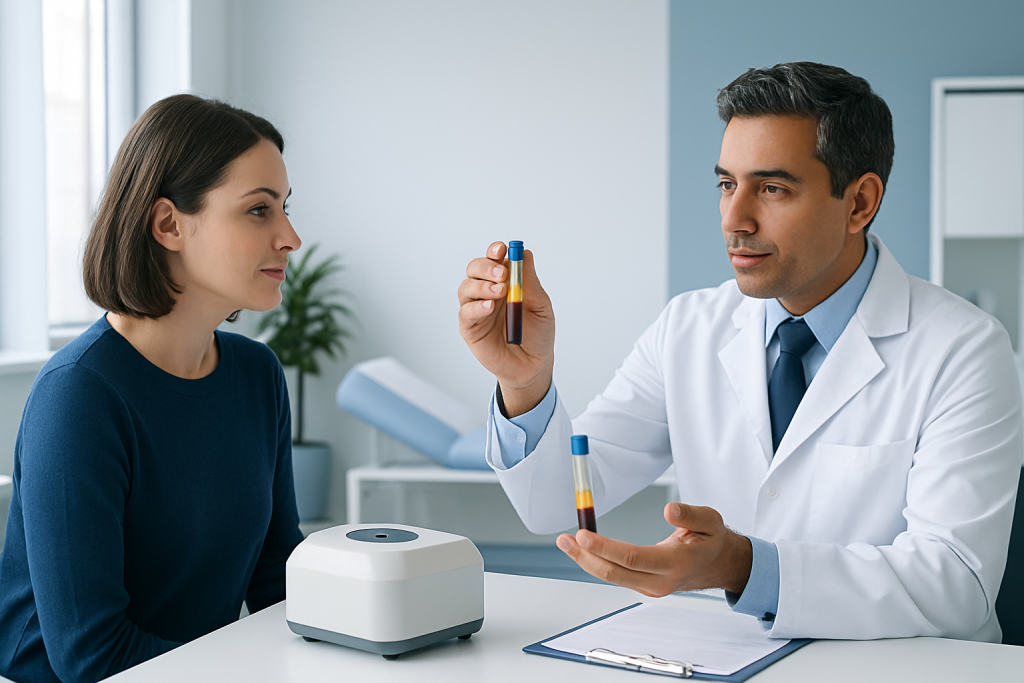
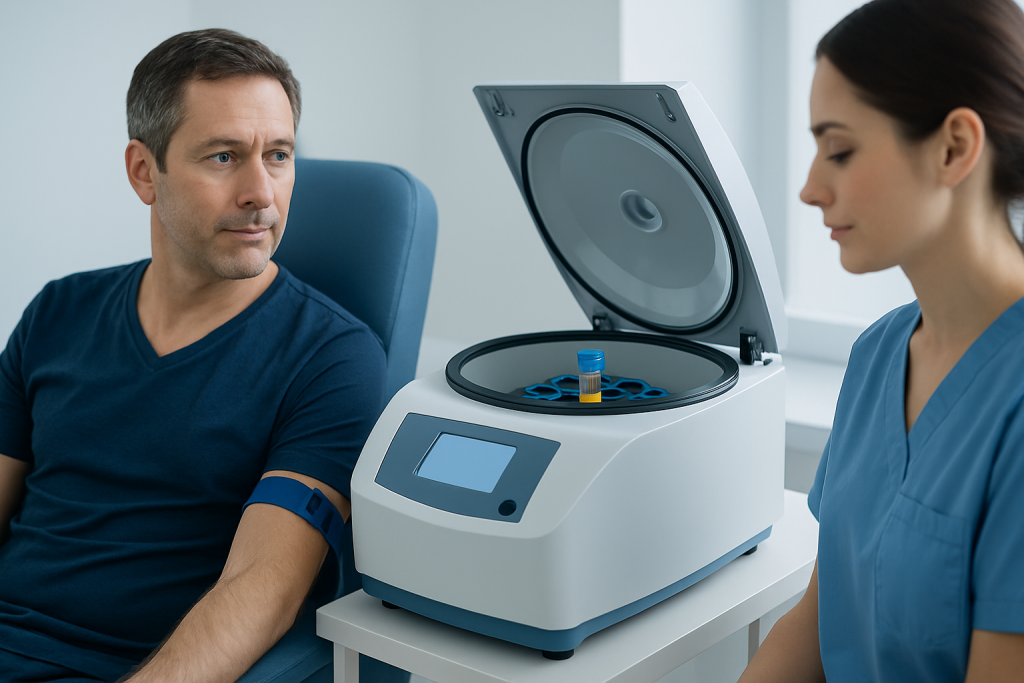
The preparation process is usually straightforward. A small sample of blood is drawn from the arm, then placed in a centrifuge that separates the blood into layers. The platelet-rich portion is collected and prepared for use, either as an injection or, in some settings, as part of a topical or procedural protocol.
Platelets are best known for helping blood clot, but they also release bioactive factors involved in healing and tissue signaling. The idea behind PRP is that concentrating these components may support repair in a targeted area. That does not mean PRP creates new tissue on its own; rather, it may help the body’s own recovery processes respond more efficiently.
Because techniques vary, the final PRP product is not identical from one clinic to another. Differences can include how the blood is processed, how concentrated the platelets are, whether white blood cells are included, and how the treatment is delivered. These differences are one reason PRP outcomes can vary from person to person and from one condition to another.
Causes and Risk Factors: Who May Benefit Most
People often ask what “causes” the need for PRP, but the real question is usually which underlying condition may respond to it. For hair-related concerns, common drivers include genetic hair loss, hormonal influences, stressors, or other forms of shedding. For joint and tendon problems, overuse, aging-related tissue change, and prior injury may all play a role.
Potential benefit also depends on practical factors. PRP may be more suitable when the condition is still at a stage where tissue support is realistic, when the person has enough healthy blood platelets for preparation, and when the treatment can be combined with other appropriate care. A clinician may be less likely to recommend PRP if the underlying problem requires a different approach, such as surgery, medication, physical rehabilitation, or a specialist procedure.
Factors that may influence candidacy include:
- The specific diagnosis and how advanced it is
- Overall health and blood-related conditions
- Use of certain medicines that affect clotting or inflammation
- Pregnancy or other situations where elective procedures may be postponed
- Whether prior treatments have already been tried
Because each medical history is different, candidacy should always be confirmed by a qualified doctor rather than assumed from online descriptions alone.
Diagnosis and Pre-Treatment Evaluation
Before PRP is recommended, the clinician should identify the exact problem being treated. That may involve a physical examination, review of symptoms, medical history, and, when needed, laboratory tests or imaging. For hair loss, the clinician may also look for scalp conditions, nutritional issues, medication effects, or hormonal causes that could influence treatment choice.
Good evaluation matters because PRP works best when it is matched to the right problem. A patient with tendon pain may need a different workup than someone seeking hair restoration, and a person with skin concerns may need to discuss whether PRP alone, or PRP combined with another procedure, is the most appropriate path.
International patients planning Herniated Disc Treatment Abroad: Injection, Rehab, or Surgery?" class="ahp-ilk">treatment abroad should make sure this step is not rushed. If possible, they should share previous medical records, imaging reports, current medications, allergies, and prior procedure history before traveling. This helps the care team confirm suitability in advance and plan the visit more efficiently.
Treatment Options and What the Procedure Feels Like
PRP can be delivered in several ways depending on the goal. In hair and skin care, it is commonly injected into the targeted area. In musculoskeletal care, it may be placed into or near the affected tissue under clinical guidance, sometimes with ultrasound assistance. Some treatment plans combine PRP with other therapies to support a broader recovery strategy.
The procedure itself is usually brief. Blood is drawn, processed, and then the prepared PRP is administered. People may feel the needle prick from the blood draw and the injection or application in the treatment area. Comfort measures vary by clinic and may include topical numbing, local anesthetic, or careful technique to reduce discomfort.
Because PRP is used in different fields, the number of sessions can vary. Some plans involve a series of appointments, while others are single interventions with reassessment later. A responsible clinician should explain what is being treated, what improvement is realistic, how long it may take to notice change, and what alternatives exist if PRP is not the right fit.
Recovery, Prevention, and Self-Care
Recovery after PRP is usually simple, though it depends on the treatment site. Mild soreness, swelling, tenderness, or temporary redness can occur and often settle on their own. People are commonly advised to follow the clinic’s post-procedure instructions carefully, especially if the PRP was injected into a joint, tendon, scalp, or skin treatment area.
Self-care after PRP is mostly about giving the treated area time and avoiding unnecessary strain. A doctor may recommend pausing intense exercise for a short period, protecting the area from pressure or friction, and using any prescribed supportive measures as directed. Good hydration, balanced nutrition, and smoking avoidance can also support general healing.
For those hoping to prevent the original problem from returning or worsening, PRP should be viewed as part of a larger plan. Hair loss management may include diagnosis-specific long-term care, while musculoskeletal recovery may require posture work, strengthening, ergonomic changes, or rehabilitation. A thoughtful follow-up plan matters, particularly for patients who will return home soon after treatment and need clear instructions for ongoing care.
When to See a Doctor
Anyone considering PRP should first see a qualified doctor to confirm whether the treatment is medically appropriate. This is especially important if the concern is new, worsening, or affecting daily function. A clinician can determine whether PRP is likely to help or whether a different treatment would be safer and more effective.
Medical review is also important if there is a history of bleeding problems, immune disorders, active infection, cancer treatment, or medication use that may affect the procedure. People should seek prompt medical attention if they develop unexpected severe pain, significant swelling, fever, or symptoms that seem out of proportion after treatment.
For international patients, a pre-travel consultation can reduce uncertainty and help organize records, timing, and follow-up. Acibadem Health Point’s multidisciplinary specialists and JCI-accredited hospitals diagnose and treat PRP-related concerns for international patients in a coordinated setting, with attention to continuity of care before and after travel.
Frequently asked questions
What is PRP treatment used for?
PRP treatment is used in selected hair, skin, and musculoskeletal conditions. In dermatology, it may be discussed for hair thinning or skin quality, while in other specialties it may be considered for certain tendon or joint problems. Its role depends on the diagnosis and the clinician’s assessment.
Is PRP the same as a stem cell treatment?
No, PRP is not a stem cell treatment. It uses concentrated platelets from the patient’s own blood, which may release growth factors that support healing. Stem cell therapies involve different biological material and are not interchangeable with PRP.
Is PRP treatment painful?
Most people describe PRP as mildly uncomfortable rather than intensely painful, though this depends on the treatment area and the person’s sensitivity. The blood draw and injections may cause brief stinging or pressure. Clinics may use comfort measures to make the procedure easier to tolerate.
How soon do results appear after PRP?
The timeline varies by condition and by the reason PRP was used. Some people notice gradual changes over weeks to months, while others may need a series of sessions before judging the effect. A clinician should explain a realistic timeframe during the consultation.
Are there side effects after PRP?
Temporary soreness, swelling, redness, or tenderness can happen after treatment. More significant problems are uncommon but should be reviewed promptly if they occur. Following post-procedure instructions helps reduce the chance of irritation and supports recovery.
Who should avoid PRP?
PRP may not be suitable for people with certain blood disorders, active infection, or medical situations where the clinician advises postponing an elective procedure. Medication use and overall health also matter. A doctor should review the medical history before any decision is made.
References
- American Academy of Dermatology
- Cleveland Clinic
- Mayo Clinic
- Johns Hopkins Medicine
- National Institute of Arthritis and Musculoskeletal and Skin Diseases
This article is for general information only and is not a substitute for professional medical advice. Please consult a qualified doctor about your individual situation.
Hair transplant in Turkey — costs, graft counts & a free assessment
JCI-accredited · board-certified surgeons · reply within 24h
Add us as a Preferred Source to see more of our trusted health content across Google Search, AI Overviews and Discover.
More from the Health Library



Related Specialists
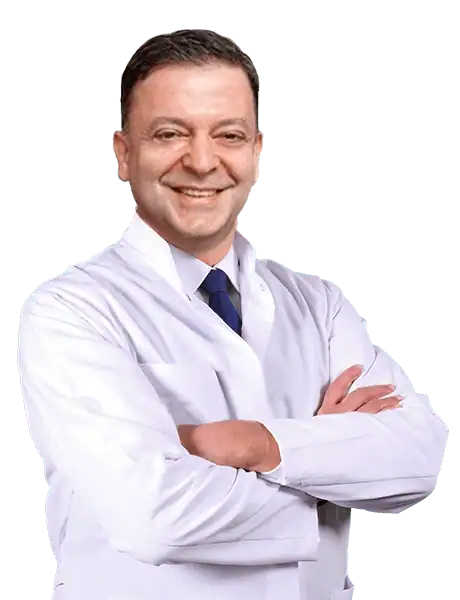
Prof. Dr. Ahmet Alanay
Orthopedic Surgery & Traumatology
Dr. Sinan Aksu
Orthopedic Surgery & Traumatology
Dr. Sirri Baştürk
Orthopedic Surgery & Traumatology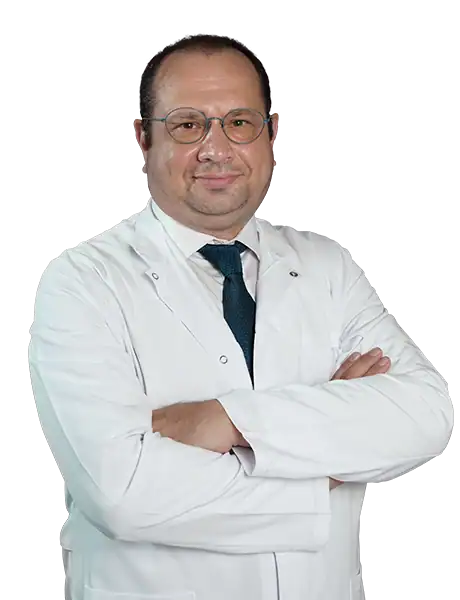
Prof. Dr. Korhan Özkan
Orthopedic Surgery & Traumatology