Prefrontal Cortex

Key Takeaways
- The prefrontal cortex supports planning, judgment, attention, self-control, and working memory.
- Problems in this brain region may show up as poor organization, impulsive behavior, mood changes, or difficulty starting tasks.
- Common causes include head injury, stroke, neurodegenerative disease, tumors, infections, and some psychiatric conditions.
- Diagnosis usually combines a neurological exam, cognitive assessment, and brain imaging when needed.
- Treatment depends on the cause and may include medication, rehabilitation, therapy, and practical support for daily life.
The prefrontal cortex is the front part of the brain that helps a person plan, focus, regulate emotions, and make decisions. When it is affected by injury or disease, changes in thinking and behavior can appear in subtle or noticeable ways.
Overview
The prefrontal cortex sits at the very front of the brain, behind the forehead, and acts like a control center for many higher-level mental tasks. It helps a person pause before acting, compare options, hold information in mind, and adjust behavior to fit the situation.
Because this region works so closely with other brain networks, it influences both thinking and behavior. A person may notice it in everyday life when they organize a trip, manage money, stay focused in a meeting, or resist a quick reaction that could cause trouble.
For international patients, concerns about the prefrontal cortex often come up after a head injury abroad, new memory or personality changes, or a neurological diagnosis that needs clearer evaluation. In those situations, understanding what this brain region does can make the next steps feel more manageable.
Symptoms
Problems involving the prefrontal cortex do not always look like classic memory loss. They often appear as changes in judgment, attention, motivation, or social behavior, which can be mistaken for stress or fatigue at first.
Common signs may include difficulty planning tasks, losing track of steps in a routine, acting more impulsively than usual, or struggling to shift attention from one thing to another. Some people also have trouble starting activities, even when they understand what needs to be done.
Other possible changes can include reduced awareness of social cues, emotional flatness, irritability, or overly rigid thinking. In more significant cases, a person may find it hard to manage work responsibilities, finances, medication schedules, or communication in a new environment.
- Poor concentration or distractibility
- Difficulty organizing or sequencing tasks
- Impulsive decisions or reduced inhibition
- Changes in motivation or initiative
- Emotional or personality changes
Causes & Risk Factors

The prefrontal cortex can be affected by many conditions, and the pattern depends on whether the problem is sudden, progressive, or long-standing. A head injury may interrupt function right away, while a neurodegenerative disease may change it gradually over time.
Possible causes include traumatic brain injury, stroke, brain tumors, infections, epilepsy, and inflammatory conditions. Some psychiatric and developmental conditions can also involve altered prefrontal cortex function, even when brain scans are normal.
Risk factors depend on the cause. They may include repeated head trauma, uncontrolled vascular risk factors such as high blood pressure, certain substance use patterns, a family history of neurologic disease, or a previous brain infection. In older adults, age-related brain changes can make attention and executive skills less resilient during illness or hospitalization.
Diagnosis
Evaluation usually begins with a detailed medical history and a neurological examination. The clinician may ask about recent head trauma, medication changes, memory concerns, mood shifts, sleep problems, seizures, or any new difficulty with work and daily routines.
Cognitive testing is often helpful because it can show whether the issue is mainly attention, planning, problem-solving, language, or memory. These tests do not diagnose the cause on their own, but they help map which brain functions are affected.
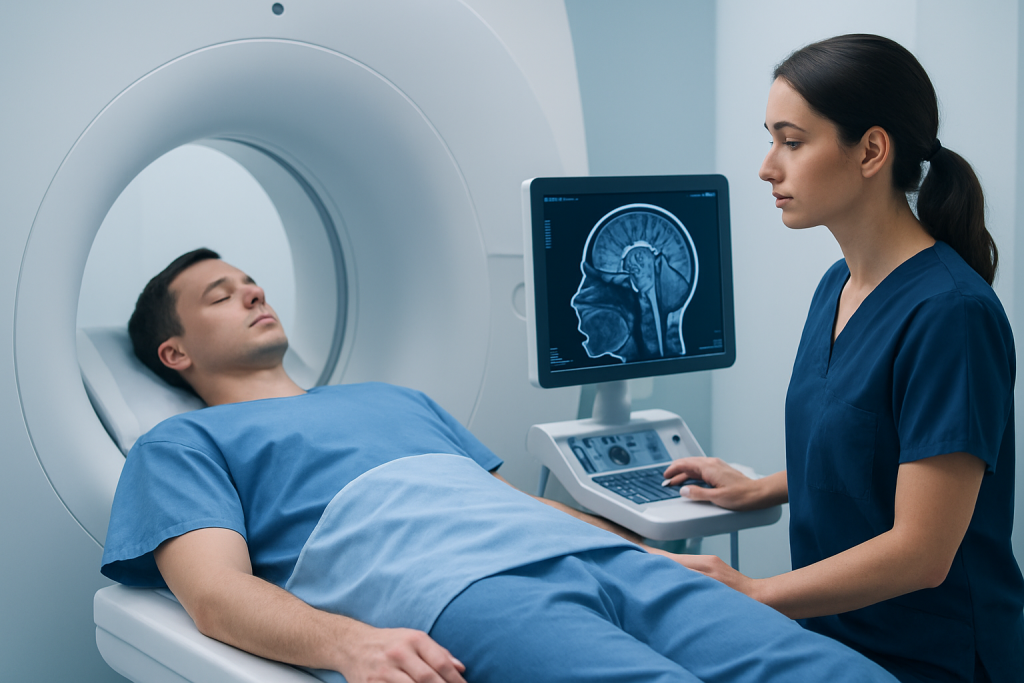
When needed, imaging studies such as MRI or CT can look for stroke, bleeding, tumor, inflammation, or structural injury. In some cases, additional tests may be recommended, such as blood work, EEG, or a psychiatric assessment, especially when symptoms overlap with other conditions.
Treatment Options
Treatment depends on what is affecting the prefrontal cortex. If the cause is a stroke, head injury, infection, or tumor, care focuses first on treating that underlying problem and preventing further damage.
Rehabilitation is often an important part of recovery. Occupational therapy, neuropsychological rehabilitation, speech and language therapy, and structured cognitive strategies can help a person rebuild daily routines, compensate for executive-function problems, and return to work or study more safely.
Medication may be used when appropriate, but it is chosen based on the diagnosis rather than the brain region itself. For some people, treatment also includes sleep support, mood care, substance-use treatment, or caregiver education so the home environment supports recovery.
When symptoms are related to chronic neurological disease, the goal may be to slow progression, preserve independence, and reduce day-to-day strain. A realistic plan often combines medical treatment with practical tools such as reminders, written schedules, simplified tasks, and regular follow-up.
Prevention & Self-care
Not every cause of prefrontal cortex problems can be prevented, but many risks can be lowered with basic brain-health habits. Protecting the head during sports, driving carefully, and using seat belts or helmets can reduce the chance of injury.
Managing blood pressure, diabetes, cholesterol, and smoking-related risk can also support brain circulation over time. Good sleep, regular physical activity, balanced nutrition, and limiting alcohol or drug use are useful for overall cognitive health as well.
For people already living with executive-function difficulties, self-care often works best when it is practical and repetitive. Clear calendars, phone alerts, one-task-at-a-time routines, and help from family or colleagues can reduce mistakes without making life feel overly medicalized.
- Use written reminders for appointments and medications
- Break large tasks into smaller, visible steps
- Keep daily routines predictable
- Ask for help with complex decisions when symptoms are active
- Return to driving, work, or travel plans only after medical advice if injury or illness was involved
When to See a Doctor
Medical evaluation is important when changes in thinking or behavior appear suddenly, worsen over time, or interfere with daily life. This is especially true after a head injury, a possible stroke, a seizure, or any episode of confusion that does not feel typical for the person.
A doctor should also be consulted if family members notice personality changes, unsafe decisions, new apathy, or difficulty managing normal responsibilities. Sometimes the person affected is the last to recognize the change, so outside observation can be valuable.
Seek urgent care for severe headache, weakness on one side, trouble speaking, fainting, repeated vomiting after head trauma, or any rapidly changing neurological symptom. If a diagnosis is already known, follow-up is useful whenever the current treatment plan is no longer matching the person’s actual functioning, particularly when care is being coordinated from another country.
Acibadem Health Point can help international patients connect with multidisciplinary specialists and JCI-accredited hospitals that diagnose and treat neurological conditions in a coordinated way.
Living With Prefrontal Cortex Changes
Living with prefrontal cortex-related symptoms often means adjusting expectations rather than giving up independence. Many people improve when the daily environment is simplified, decisions are reduced, and family or caregivers understand that the problem is neurological, not simply a matter of effort.
Recovery can be gradual, especially after injury or stroke, and progress may look uneven from week to week. Small gains matter: remembering a routine, finishing a task without prompting, or handling a conversation with less frustration can all be meaningful signs of improvement.
For patients traveling for care, follow-up planning is especially important. Before returning home, it helps to leave with a clear summary of the diagnosis, medication list, rehabilitation plan, and warning signs that should prompt re-evaluation locally.
Frequently asked questions
What does the prefrontal cortex do?
The prefrontal cortex helps with planning, decision-making, attention, self-control, and working memory. It also plays a role in social behavior and emotional regulation. Because of that, even small changes in this area can affect everyday life.
How would someone know if the prefrontal cortex is not working properly?
Signs often include poor organization, impulsive choices, trouble starting tasks, or changes in judgment and personality. These symptoms may be subtle at first and can overlap with stress, depression, or sleep problems. A medical evaluation is needed to find the cause.
Can damage to the prefrontal cortex be treated?
Treatment depends on the underlying cause, such as injury, stroke, infection, or a tumor. Many people benefit from rehabilitation, therapy, medication when appropriate, and practical supports at home and work. The goal is to treat the cause and improve daily function.
Is the prefrontal cortex involved in memory?
Yes, but mainly in working memory, which means holding information briefly and using it right away. It is less about storing long-term memories and more about managing information for tasks like planning or problem-solving. That is why people with prefrontal cortex problems may forget steps rather than whole events.
Can stress affect the prefrontal cortex?
Stress can make prefrontal cortex functions work less efficiently, especially attention, self-control, and decision-making. Short-term stress may cause temporary problems, while ongoing stress can make symptoms feel worse. Good sleep, routine, and support can help reduce the strain.
When should someone get emergency help for new brain symptoms?
Emergency help is important for sudden weakness, speech trouble, severe headache, fainting, seizures, or confusion after head injury. These symptoms can signal a stroke, bleeding, or another urgent neurological problem. Prompt assessment is the safest next step.
References
- National Institute of Neurological Disorders and Stroke
- National Institutes of Health
- Mayo Clinic
- World Health Organization
- American Academy of Neurology
This article is for general information only and is not a substitute for professional medical advice. Please consult a qualified doctor about your individual situation.