Aura Meaning

Key Takeaways
- An aura is a temporary neurological symptom, not a disease on its own.
- Migraine aura most often affects vision, but it can also involve speech, sensation, or movement.
- New, sudden, or one-sided symptoms should be medically evaluated to rule out stroke or other urgent causes.
- Tracking timing, triggers, and symptom patterns can help a doctor identify the underlying condition.
- Treatment focuses on the cause, symptom relief, and reducing future episodes when possible.
An aura is a set of temporary sensory, visual, or speech changes that can happen before or during a neurological event, most commonly migraine. Understanding what an aura means can help people recognize patterns, seek the right evaluation, and plan safer care.
What aura means in everyday medical language
In medicine, the word aura usually refers to a brief warning sign or symptom that appears before or during another condition. Most people hear the term in connection with migraine aura, but aura can also occur with seizures and, less commonly, other neurological problems.
An aura is not a diagnosis by itself. It is a pattern of nervous system activity that tells a clinician something may be changing in the brain. For many people, the symptoms are familiar and repeat in a similar way each time. For others, a first episode may feel unsettling because it can mimic more serious conditions.
When patients are deciding whether to seek care, the main question is not simply “What does aura mean?” but “What is causing this aura, and is it the same as previous episodes?” That distinction matters, especially for international patients who may be managing symptoms while traveling, working abroad, or recovering away from their usual doctor.
Common aura symptoms and how they feel
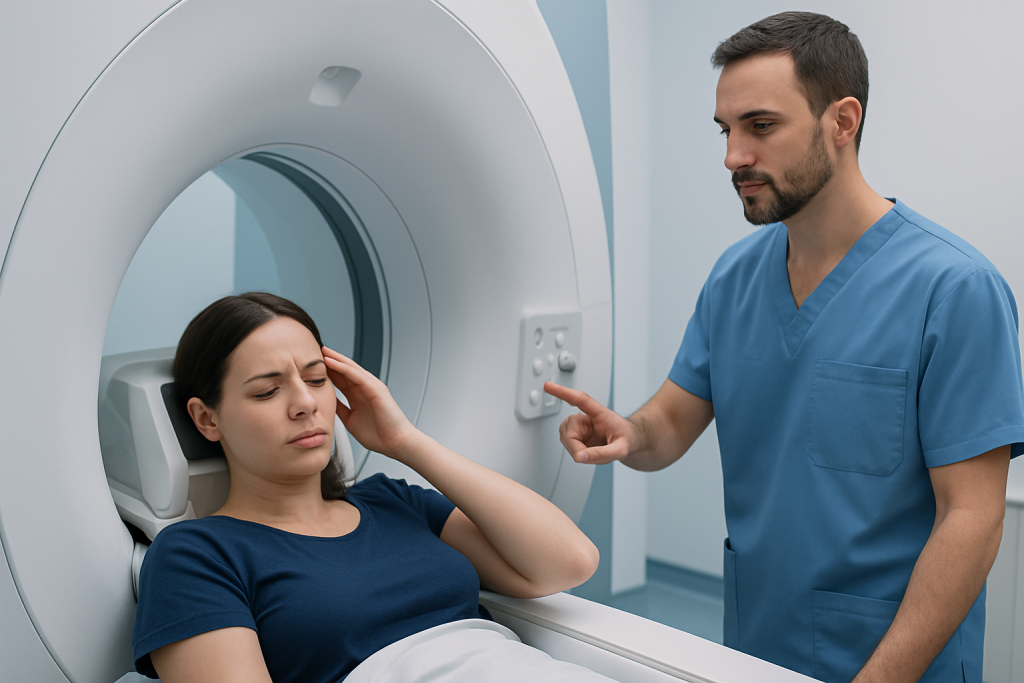
Migraine aura often starts gradually and changes over several minutes. Visual symptoms are the most common. A person may notice flashing lights, zigzag lines, shimmering spots, blind areas, or a temporary change in how objects are seen.
Aura can also affect other senses. Some people experience tingling or numbness in the face, arm, or hand. Others notice difficulty finding words, speaking clearly, or concentrating. Less often, people report dizziness or a sense that the body feels slightly off balance. In migraine, these symptoms usually pass within a limited period and are followed by the headache phase or, in some cases, occur without a headache.
Typical aura features often include:
- Symptoms that build gradually rather than appearing all at once
- Changes that last minutes, then fade on their own
- Repetition of a similar pattern from one episode to the next
- Visual, sensory, or speech symptoms more than full loss of consciousness
Why aura happens: causes and risk factors

The most common cause of aura is migraine with aura. In this setting, aura is believed to reflect temporary changes in brain activity and signaling. The exact mechanism is still being studied, but the symptoms are real and recognizable to patients and clinicians alike.
Several factors may make aura more likely. A family history of migraine, younger or middle adult age, sleep disruption, stress, skipped meals, hormonal shifts, dehydration, bright lights, and certain foods or alcohol can all play a role for some individuals. Not everyone has clear triggers, and trigger patterns can change over time.
Aura-like symptoms can also occur in conditions other than migraine, including seizures and reduced blood flow to the brain. Because of that overlap, a new aura, a very different aura, or an aura that occurs with weakness, confusion, or prolonged symptoms should not be assumed to be “just migraine” without evaluation.
How doctors diagnose the cause of aura
Diagnosis begins with a careful history. A doctor will usually ask when the symptoms started, how long they last, whether they come before headache, and whether the same pattern has happened before. The details of how the symptoms spread or change over time are especially useful.
A physical and neurological examination may follow. If the episode is new, atypical, severe, or associated with warning signs, additional tests may be recommended. These can include brain imaging, blood tests, or other studies based on the person’s age, medical history, and exam findings. The goal is to rule out urgent causes such as stroke, transient ischemic attack, or seizure-related problems.
For people traveling for treatment or a second opinion, bringing a symptom diary, medication list, prior test results, and any smartphone notes or images can make the evaluation more efficient. A clear timeline often helps a neurologist distinguish migraine aura from conditions that need a different approach.
Treatment options for aura and the condition behind it
There is no single treatment for all aura. Care depends on the underlying cause. When aura is part of migraine, treatment may focus on relieving the associated headache, reducing nausea or sensitivity to light and sound, and lowering the chance of future attacks if episodes are frequent or disabling.
Some patients are treated with acute migraine medicines, while others may be offered preventive therapy if attacks occur often or significantly affect daily life. Lifestyle measures can also be useful, especially when a person can identify patterns such as sleep loss or missed meals. If aura is related to another neurological condition, such as seizure activity, treatment is guided by that diagnosis instead.
Because medication choices depend on the whole clinical picture, it is best to avoid self-treating repeated or unusual aura episodes without guidance. A doctor can help decide whether the symptoms fit migraine, whether more testing is needed, and which therapies are appropriate and safe.
Prevention and self-care for people who get aura
Many people reduce episodes by keeping their routines steady. Regular sleep, hydration, balanced meals, stress management, and limiting personal triggers can all make a difference. A symptom diary is often one of the most practical tools: it helps identify patterns that are easy to miss in memory alone.
During an episode, rest in a quiet, dim space if possible. Some people find that early treatment at the first sign of migraine symptoms improves comfort. If a person already has a doctor-confirmed diagnosis of migraine aura, their care plan may include specific steps for managing attacks while at home or while traveling.
Helpful self-care habits include:
- Keeping meals and sleep times as regular as possible
- Staying well hydrated, especially during travel
- Noting possible triggers such as stress, bright light, or hormonal changes
- Following a doctor’s guidance on medicines and follow-up visits
When aura needs medical attention
Any first-time aura should be taken seriously enough to discuss with a doctor, especially if the symptoms are unusual for the person or if there is no previous diagnosis of migraine. Prompt assessment is important when a person has trouble speaking, weakness on one side, new confusion, fainting, or a sudden severe headache.
It is also wise to seek medical care if aura episodes become more frequent, last longer than usual, change in character, or start after a head injury. New symptoms during pregnancy, after age 40 if there has been no prior history, or in someone with vascular risk factors deserve particular attention.
For international patients, obtaining care may involve comparing records from more than one country. A neurology team that can review prior imaging, prescriptions, and symptom history may help create continuity. Acibadem Health Point’s multidisciplinary specialists and JCI-accredited hospitals evaluate and treat neurological conditions for international patients with coordinated care and follow-up planning.
Frequently asked questions
What does aura mean in migraine?
In migraine, aura means a temporary neurological symptom that usually appears before the headache, although it can also happen during or without headache. Visual changes are the most common, but sensory or speech symptoms can also occur. The key feature is that the symptoms are short-lived and usually follow a recognizable pattern.
Can aura happen without a headache?
Yes, some people have aura without a headache. This is sometimes called a silent migraine or migraine aura without headache. Even so, a new episode should be discussed with a doctor so that other causes are not missed.
How long does aura usually last?
Migraine aura often develops over several minutes and then resolves within a limited period. If symptoms are prolonged, sudden, or very different from a person’s usual pattern, medical evaluation is important. The duration can help doctors decide whether the episode fits migraine or needs urgent assessment.
Is aura the same as a stroke warning sign?
Not always, but the symptoms can overlap. Because stroke and other urgent neurological problems may cause similar changes, a first aura or a sudden change in symptoms should be evaluated promptly. It is safer not to assume every aura is migraine.
What should a person do during an aura episode?
If the person has a known diagnosis of migraine aura, resting in a calm, dim setting and following the doctor’s treatment plan can help. If the symptoms are new, severe, or accompanied by weakness, confusion, or speech trouble, urgent medical care is appropriate. A doctor can determine the cause and advise on next steps.
Can children or older adults have aura?
Yes, aura can occur at different ages, though the causes and evaluation may differ. In children and older adults, doctors are often careful to rule out other neurological conditions before concluding that the symptoms are migraine-related. Any new pattern should be assessed by a qualified clinician.
References
- American Migraine Foundation
- National Institute of Neurological Disorders and Stroke
- Mayo Clinic
- Cleveland Clinic
- World Health Organization
This article is for general information only and is not a substitute for professional medical advice. Please consult a qualified doctor about your individual situation.