Hemiparesis

Key Takeaways
- Hemiparesis means weakness on one side of the body, not complete paralysis.
- A stroke is a common cause, but infections, injuries, tumors, and other neurological conditions can also play a role.
- Diagnosis focuses on finding the underlying cause, often with a neurological exam and imaging tests.
- Treatment usually combines medical care for the cause with rehabilitation such as physical and occupational therapy.
- Recovery varies widely, and early therapy often supports better function and safer daily movement.
Hemiparesis is weakness on one side of the body, often related to a brain, spinal cord, or nerve problem. Recognizing it early matters because the underlying cause may need prompt evaluation, and rehabilitation can help people regain function and independence.
Overview
Hemiparesis refers to weakness affecting one side of the body. It may involve the arm, leg, face, or a combination of these areas, and the weakness can be mild, moderate, or severe. Unlike hemiplegia, which means complete paralysis on one side, hemiparesis usually leaves some movement intact.
The condition is not a diagnosis by itself. It is a sign that something is affecting the brain, spinal cord, or nerves that control movement. For that reason, the most important step is identifying the underlying cause rather than focusing only on the weakness.
For patients, hemiparesis often changes ordinary routines first: gripping a cup, climbing stairs, dressing, or keeping balance. When care is being arranged from another country, it helps to think of hemiparesis as a problem that benefits from both timely medical assessment and a rehabilitation plan that can continue after travel, not just a single hospital visit.
Symptoms
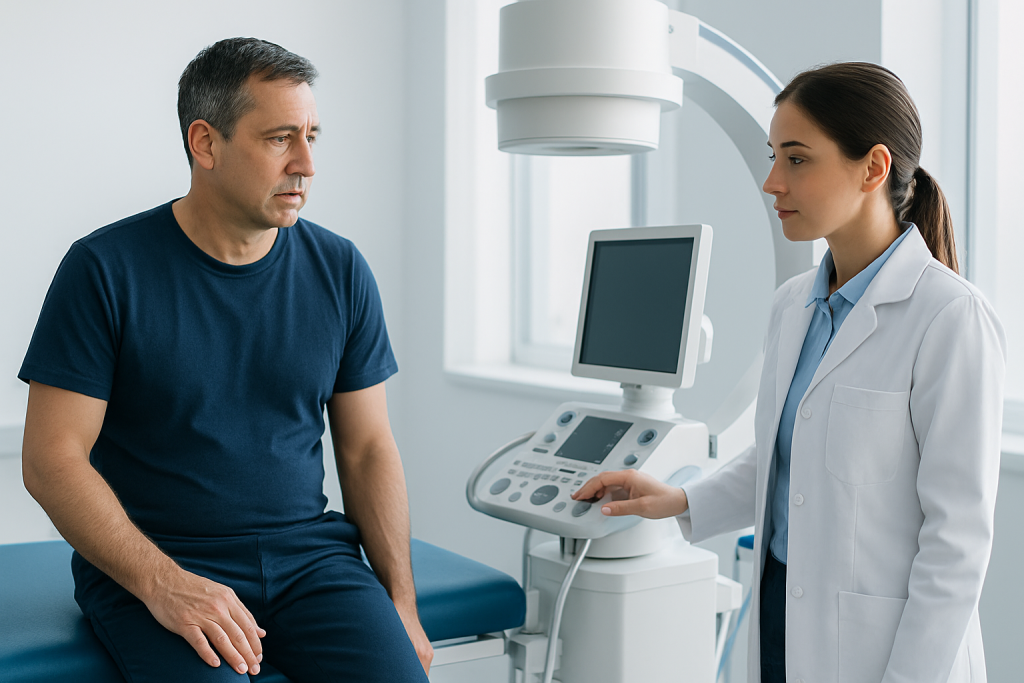
The main feature of hemiparesis is reduced strength on one side of the body. Some people notice that a hand does not open fully, a foot drags, or the arm feels heavy and uncoordinated. Others may have trouble standing up from a chair, reaching overhead, or keeping their balance while walking.
Additional symptoms depend on the cause. A person may also have facial drooping, speech difficulty, numbness, vision changes, dizziness, muscle stiffness, or fatigue. If the weakness appears suddenly, especially with facial droop or trouble speaking, urgent medical evaluation is important because stroke is a common concern.
Over time, hemiparesis can affect posture and daily safety. People may compensate by leaning to one side, taking shorter steps, or avoiding the weaker arm, which can make stiffness and loss of coordination more noticeable. These changes are useful clues for clinicians and rehabilitation specialists when they plan treatment.
Causes & Risk Factors

Hemiparesis develops when the pathways that carry movement signals are disrupted. Stroke is one of the best-known causes, but it is not the only one. Brain injuries, brain tumors, infections, multiple sclerosis, cerebral palsy, and spinal cord disorders can also lead to one-sided weakness.
Sometimes the cause is temporary or reversible, such as inflammation, migraine-related neurological symptoms, certain seizure events, or metabolic problems that disturb brain function. In other cases, hemiparesis may follow a surgery, trauma, or a progressive neurological disease. The pattern of weakness, onset, and associated symptoms help guide the search for the source.
Risk factors vary with the cause, but common ones include high blood pressure, diabetes, smoking, heart disease, prior stroke or transient ischemic attack, head injury, and conditions that affect blood clotting. A person with a known neurological disorder may also be at higher risk for persistent weakness, especially if treatment or rehabilitation is delayed.
Diagnosis
Diagnosis begins with a careful history and neurological examination. Clinicians usually ask when the weakness started, whether it came on suddenly or gradually, and whether there were associated symptoms such as headache, speech changes, numbness, or loss of coordination. They also examine muscle strength, reflexes, sensation, balance, and walking pattern.
Imaging is often needed to locate the problem and identify its cause. A brain CT or MRI may be used to look for stroke, bleeding, tumor, inflammation, or structural damage. Depending on the situation, doctors may order blood tests, vascular studies, spinal imaging, or other tests to assess the nervous system more completely.
For international patients, it is helpful to bring prior records, medication lists, and any available scans. This can reduce repeat testing and help the team quickly compare older and new findings. If the weakness has been present for some time, the evaluation may also include a rehabilitation assessment to document walking ability, hand function, and daily-living needs.
Treatment Options
Treatment depends on the underlying cause, and that is why the diagnostic stage matters so much. If hemiparesis is related to stroke, infection, inflammation, or another acute problem, the medical team focuses first on stabilizing the condition and treating the source. Once the cause is addressed, rehabilitation becomes central to recovery.
Physical therapy often helps improve strength, balance, gait, and endurance. Occupational therapy can support hand use, dressing, bathing, meal preparation, and other daily tasks. Speech and language therapy may be needed if the condition also affects speech, swallowing, or communication. Some patients benefit from braces, assistive devices, spasticity management, or fall-prevention strategies.
Recovery is highly individual. Some people regain much of their function, while others continue to need long-term support. Progress may be gradual, and therapy goals are often adjusted as movement returns. In some cases, multidisciplinary teams combine neurological treatment with rehabilitation planning so that care remains coordinated after discharge and during follow-up in the patient’s home country.
Prevention & Self-care
Not every cause of hemiparesis can be prevented, but some risks can be reduced. Protecting vascular health is especially important because many cases are linked to stroke. That usually means managing blood pressure, blood sugar, and cholesterol, staying active as advised, avoiding smoking, and following treatment plans for heart or circulation conditions.
People living with hemiparesis can support day-to-day function through practical self-care. Safe home organization, clear walking paths, supportive footwear, and assistive devices can reduce falls. Regular exercise tailored by a therapist may help maintain mobility, and stretching may be useful when stiffness or spasticity is present.
It is also helpful to plan for recovery in realistic stages. Families arranging treatment abroad often do best when they think ahead about transportation, hotel accessibility, follow-up appointments, and a home exercise plan that can be continued safely after returning home. A well-structured transition makes rehabilitation more workable and less stressful.
- Take prescribed medicines exactly as directed.
- Attend rehabilitation sessions consistently when recommended.
- Use mobility aids if they improve safety.
- Report new symptoms promptly, especially worsening weakness or falls.
When to See a Doctor
Sudden hemiparesis should be treated as urgent. If one-sided weakness appears quickly, especially with facial droop, speech trouble, vision loss, severe headache, confusion, or difficulty walking, emergency care is needed right away. These symptoms may signal stroke or another serious neurological problem.
Even when the weakness develops slowly, medical evaluation is still important. Gradual one-sided weakness can point to a structural, inflammatory, or degenerative condition that benefits from diagnosis and treatment. Waiting too long may make rehabilitation harder and can increase the risk of falls or loss of independence.
People who have already been diagnosed should seek reassessment if symptoms worsen, new symptoms appear, or therapy is not leading to expected progress. In some cases, specialist review can clarify whether the issue is muscle weakness, spasticity, balance impairment, or a mix of problems that need different treatments. Acibadem Health Point’s multidisciplinary specialists and JCI-accredited hospitals diagnose and treat hemiparesis for international patients in a coordinated way.
Living With Hemiparesis
Living with hemiparesis often means adjusting expectations while still pursuing improvement. Some people need help for only a short period, while others build a longer-term routine around therapy, assistive equipment, and periodic neurological follow-up. The practical goal is usually safer movement, more independence, and a better day-to-day quality of life.
Family support can make a meaningful difference, especially after travel or hospital discharge. Simple changes such as placing frequently used items within easy reach, organizing medicine schedules, and practicing home exercises can help keep progress steady. When care is shared across countries, clear written instructions and a follow-up plan are especially valuable.
Because hemiparesis can be linked to a wide range of conditions, the most useful approach is personalized care. The right combination of medical treatment, rehabilitation, and monitoring depends on the cause, the severity of weakness, and the person’s goals for work, travel, and daily life.
Frequently asked questions
Is hemiparesis the same as paralysis?
No. Hemiparesis means weakness on one side of the body, while paralysis means little or no movement. The amount of weakness can vary from mild to severe.
What is the most common cause of hemiparesis?
Stroke is one of the most common causes, but not the only one. Brain injury, tumors, infections, multiple sclerosis, and some spinal cord problems can also lead to one-sided weakness.
Can hemiparesis improve over time?
Yes, improvement is possible, especially when the underlying cause is treated and rehabilitation begins early. Recovery depends on the reason for the weakness, how severe it is, and how much function remains at the start.
What tests are usually done for hemiparesis?
Doctors often start with a neurological exam and then use imaging such as CT or MRI to look at the brain or spinal cord. Blood tests and other studies may be added depending on the suspected cause.
Is hemiparesis always an emergency?
Sudden hemiparesis should always be treated as urgent because it may be a sign of stroke. Gradual weakness still needs medical attention, even if it does not seem severe at first.
What therapies help with hemiparesis?
Physical therapy and occupational therapy are common, and speech therapy may be added if communication or swallowing is affected. Some people also need braces, assistive devices, or treatment for spasticity and pain.
References
- World Health Organization
- National Institute of Neurological Disorders and Stroke
- Mayo Clinic
- American Stroke Association
- MedlinePlus
This article is for general information only and is not a substitute for professional medical advice. Please consult a qualified doctor about your individual situation.
More from the Health Library



Related Specialists

Psk. Feyza Ağaç Çelebi
Clinical Psychology
Dr. Hanside Setenay Ünal
Neurosurgery
Dr. Ömer Kayakıran
Emergency Service
Assoc. Prof. Dr. Aslihan Demirel
Infectious Diseases & Clinical Microbiology