POTS Disease: Symptoms, Causes and Treatment

Key Takeaways
- POTS disease affects the autonomic nervous system and makes standing upright harder for the body to tolerate.
- Symptoms often include a fast heart rate on standing, dizziness, fatigue, brain fog, and palpitations.
- Diagnosis usually combines a detailed history, physical examination, and tests that look at heart rate and blood pressure changes.
- Treatment focuses on symptom control through hydration, salt intake when appropriate, compression, exercise planning, and sometimes medication.
- Many people improve with a personalized plan and regular follow-up, especially when care is coordinated across specialties.
Medically reviewed by the Acıbadem clinical team — August 19, 2026
POTS disease, or postural orthostatic tachycardia syndrome, is a condition that affects how the body responds to standing up. It can cause a rapid heart rate, lightheadedness, fatigue, and other symptoms that vary from person to person.
Overview
POTS disease is short for postural orthostatic tachycardia syndrome. It is a condition in which the body has trouble adjusting to the change from lying or sitting to standing, so the heart may speed up more than expected and symptoms can appear within minutes of upright posture.
For many people, the experience is not just “feeling a bit dizzy.” It can affect concentration, energy, exercise tolerance, school or work performance, and the confidence to move around normally. Because the symptoms are varied, people sometimes spend time looking for an explanation before they receive a clear diagnosis.
POTS is considered a disorder of the autonomic nervous system, the part of the body that helps regulate heart rate, blood pressure, digestion, temperature, and sweating without conscious effort. The condition is real, complex, and manageable, but it often needs a thoughtful, individualized plan rather than a one-size-fits-all approach.
Symptoms
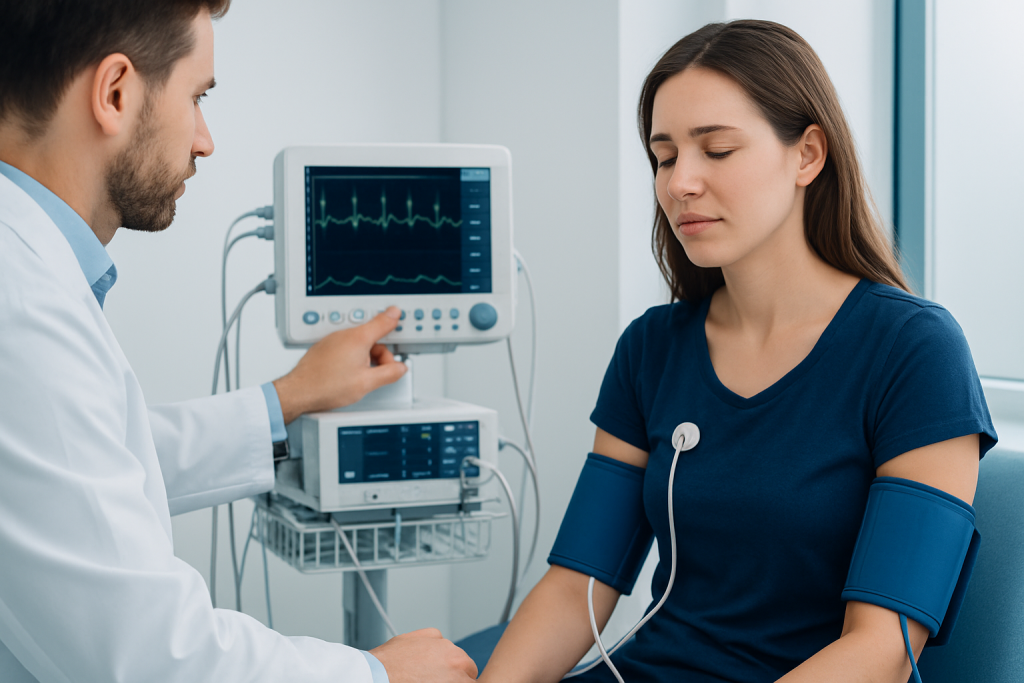
The hallmark symptom is a noticeable increase in heart rate after standing. Some people feel this as pounding, fluttering, or a sense that the heart is working too hard simply to remain upright. Alongside that, they may notice lightheadedness, shakiness, or a near-faint feeling when they stay standing for a while.
Symptoms can extend beyond the heart and circulation. Fatigue, headache, nausea, blurred vision, exercise intolerance, and “brain fog” are commonly described. Some people also report chest discomfort, shortness of breath, sleep disruption, and symptoms that worsen in heat, after meals, during dehydration, or after prolonged rest.
POTS does not look identical in every person. A patient may have mostly dizziness, another mostly fatigue and cognitive slowing, and another prominent palpitations with relatively mild faintness. That range is one reason the condition can be overlooked or mistaken for anxiety, deconditioning, or a vague “low blood pressure” problem.
Causes & Risk Factors

There is no single cause of POTS disease. In many cases, several factors appear to interact, such as changes in blood volume, altered blood vessel tone, increased heart-rate response, or irregular communication within the autonomic nervous system. Some people develop symptoms after a viral illness, surgery, pregnancy, injury, or a period of prolonged inactivity.
POTS is seen more often in adolescents and adults assigned female at birth, although it can occur in anyone. It may also overlap with other conditions, including hypermobility disorders, migraine, autoimmune conditions, Ehlers-Danlos syndrome, and certain gastrointestinal or connective tissue problems. These associations do not mean one condition causes the other, but they can shape evaluation and treatment.
Risk factors can include recent illness, rapid deconditioning, family history of similar symptoms, and conditions that affect circulation or the nervous system. Because triggers differ from one patient to another, careful history-taking is especially important. In an international patient setting, this history may need to be gathered across different medical systems, so bringing prior reports, medication lists, and test results can be very helpful.
Diagnosis
Diagnosing POTS usually starts with listening closely to the pattern of symptoms. A clinician will ask when symptoms began, what makes them better or worse, whether fainting has occurred, and whether the person has had recent infections, weight changes, medication adjustments, or other illnesses that could explain the problem.
Checking heart rate and blood pressure while lying down and then after standing is a central part of evaluation. In some cases, additional testing such as a tilt-table test may be used. Doctors may also request an electrocardiogram, blood tests, or other studies to rule out conditions that can mimic POTS, such as anemia, thyroid disease, dehydration, cardiac rhythm problems, or endocrine disorders.
The goal of diagnosis is not only to label the condition but to understand the shape of it in that individual patient. That includes whether symptoms are mainly orthostatic, whether there is frequent fainting, whether exercise intolerance is prominent, and whether other disorders are contributing. A careful diagnostic process often leads to a more useful treatment plan.
Treatment Options
Treatment for POTS is usually stepwise and personalized. Many plans begin with non-medication measures because day-to-day habits can make a meaningful difference. These may include increasing fluids, using salt intake under medical guidance when appropriate, wearing compression garments, and learning how to stand up gradually rather than suddenly.
Exercise is often part of care, but the approach matters. People may do better with a structured, slowly progressing program that starts with recumbent or seated activity before moving toward upright exercise. The aim is to rebuild conditioning without repeatedly triggering symptoms, which can take patience and support.
Some patients also need medication to help control heart rate, improve blood vessel tone, or address specific symptom patterns. Because medication choice depends on the full clinical picture, including blood pressure, other diagnoses, and side effects, it is best managed by a clinician familiar with autonomic disorders. If the person is traveling for care, follow-up planning should be discussed before discharge so medication monitoring and symptom tracking continue smoothly at home.
Prevention & Self-care
POTS cannot always be prevented, especially when it follows an illness or appears for reasons that are not fully understood. Even so, self-care can reduce symptom burden and help daily life feel more predictable. Many patients benefit from keeping a symptom diary that notes hydration, sleep, meals, activity, heat exposure, and standing tolerance.
Simple practical changes can make upright time easier. Rising slowly, avoiding long periods of standing still, using cooling strategies in hot weather, and planning rest breaks can all help. Some people also find smaller meals easier than large ones, particularly if symptoms worsen after eating.
For patients who have to manage care across countries, consistency matters. Bringing the same hydration plan, compression routine, and medication schedule into travel days can reduce setbacks. It is also wise to keep copies of key test results, a current medication list, and the doctor’s written instructions in case emergency care or local follow-up is needed abroad.
When to See a Doctor
Medical evaluation is appropriate when dizziness, racing heart, faintness, or fatigue repeatedly appear on standing and interfere with normal life. It is especially important to seek assessment if symptoms are new, worsening, or occurring after an infection, pregnancy, surgery, or medication change.
Immediate medical attention is warranted if chest pain, severe shortness of breath, true fainting, one-sided weakness, confusion, or a sustained irregular heartbeat occurs. These symptoms can have causes other than POTS and should not be assumed to be part of the syndrome.
For people who are planning to travel for care, a specialist evaluation can be useful when local workup has not provided answers or when symptoms are complex. Acibadem Health Point’s multidisciplinary specialists and JCI-accredited hospitals can diagnose and treat this condition for international patients, with coordinated support for testing, treatment planning, and follow-up.
Frequently asked questions
Is POTS disease the same as low blood pressure?
Not exactly. Some people with POTS have normal blood pressure, while others may have changes in blood pressure as part of the picture. The defining feature is a marked increase in heart rate on standing along with symptoms such as dizziness or fatigue.
Can POTS go away on its own?
Some people improve over time, especially when the condition is identified early and managed consistently. Others need longer-term treatment and follow-up. The course varies, so it is better to focus on symptom control and regular reassessment.
Why is POTS often confused with anxiety?
POTS can cause palpitations, shakiness, shortness of breath, and a sense of unease, which may resemble anxiety. However, the symptoms are triggered by posture and measurable heart-rate changes, so a medical evaluation helps separate the two.
What tests are used to diagnose POTS?
Doctors usually begin with heart rate and blood pressure measurements while lying and standing. Depending on the case, they may add a tilt-table test, ECG, and blood tests to rule out other causes of similar symptoms.
Can exercise help if standing feels difficult?
Yes, but it usually needs to start gently and progress slowly. Many patients do better with recumbent or seated exercise first, then gradually add upright activity as tolerance improves.
Should someone with suspected POTS travel for treatment?
Travel can be worthwhile when symptoms are persistent, diagnosis is uncertain, or coordinated specialty care is needed. Before traveling, it helps to gather prior records, list current medications, and discuss follow-up plans with the treating team.
References
- Mayo Clinic
- National Institute of Neurological Disorders and Stroke
- Cleveland Clinic
- Johns Hopkins Medicine
- Heart Rhythm Society
This article is for general information only and is not a substitute for professional medical advice. Please consult a qualified doctor about your individual situation.
Joint and spine care in Turkey — expert assessment & treatment
JCI-accredited · board-certified surgeons · reply within 24h
Add us as a Preferred Source to see more of our trusted health content across Google Search, AI Overviews and Discover.