Chronic Venous Insufficiency: Symptoms, Causes and Treatment

Key Takeaways
- Chronic venous insufficiency happens when leg vein valves do not work well, allowing blood to pool in the lower legs.
- Common symptoms include swelling, aching, heaviness, itching, varicose veins, and skin discoloration around the ankles.
- Diagnosis is often confirmed with a duplex ultrasound, which helps assess blood flow and valve function.
- Compression, movement, leg elevation, and weight management can reduce symptoms and support vein health.
- Some people need procedures such as vein ablation or other minimally invasive treatments if symptoms persist.
- A doctor should evaluate new leg swelling, skin breakdown, or any sudden one-sided symptoms to rule out more urgent causes.
Medically reviewed by the Acıbadem clinical team — August 19, 2026
Chronic venous insufficiency is a common circulation problem in which leg veins have trouble sending blood back to the heart. It often causes heaviness, swelling, aching, and skin changes, but it can usually be managed with a combination of lifestyle measures and medical treatment.
Overview
Chronic venous insufficiency, often shortened to CVI, develops when the veins in the legs do not move blood upward as efficiently as they should. In healthy veins, one-way valves help blood travel back toward the heart. When those valves weaken or the vein walls lose tone, blood can linger in the lower legs and increase pressure there.
That extra pressure is what many people feel first: a sense of heaviness after standing, ankles that puff up by the end of the day, or legs that feel better after being raised. Over time, the condition can also affect the skin and soft tissues around the ankles. Although CVI is usually not dangerous at first, it deserves attention because symptoms often become more troublesome if the underlying circulation problem is left untreated.
For international patients deciding where to seek care, CVI is often best approached as a step-by-step condition: confirm the diagnosis, understand whether there is reflux in superficial or deeper veins, and then choose the least disruptive treatment that fits daily life, travel plans, and follow-up needs.
Symptoms
The symptoms of chronic venous insufficiency can be subtle early on. Many people notice that one or both legs feel tired, heavy, or achy after long periods of standing or sitting. Swelling around the ankles is common, and it may worsen later in the day or after long flights, car rides, or work shifts that keep the legs still.
As CVI progresses, visible changes may appear. These can include varicose veins, skin darkening near the ankles, dryness or itching, and a tight feeling in the lower legs. Some people develop cramps, restlessness, or a burning discomfort that improves when they walk or elevate the legs.
More advanced cases can lead to skin thickening or slow-healing sores, usually near the ankle. While these changes sound concerning, they often develop gradually, which gives patients time to seek evaluation and plan treatment before the condition becomes more complicated.
- Leg heaviness or aching
- Swelling in the lower legs or ankles
- Visible varicose or spider veins
- Itching, dryness, or skin color changes
- Slow-healing wounds or ulcers near the ankle
Causes & Risk Factors
The root problem in chronic venous insufficiency is faulty blood return from the legs. Vein valves may become stretched or weakened, making it harder for blood to move against gravity. In some people, this follows a previous blood clot in the leg; in others, it develops gradually without a clear trigger.
Certain factors make CVI more likely. Age, family history, pregnancy, prolonged standing, obesity, and a history of deep vein thrombosis can all contribute. People whose work or travel patterns involve long hours of sitting may also notice symptoms sooner, especially if they already have valve weakness.
It is helpful to think of CVI as a condition shaped by both vein structure and daily load. Repeated pressure on the leg veins does not cause every case, but it can make existing valve problems more noticeable. That is one reason treatment plans often combine medical therapy with practical changes in routine.
- Prior blood clots or vein injury
- Family history of venous disease
- Pregnancy or multiple pregnancies
- Prolonged sitting or standing
- Excess body weight
- Older age
Diagnosis
Diagnosis usually begins with a detailed conversation about symptoms, medical history, past blood clots, pregnancy history, and work or travel habits. A clinician will also examine the legs for swelling, skin changes, varicose veins, and signs that blood flow may be affected.
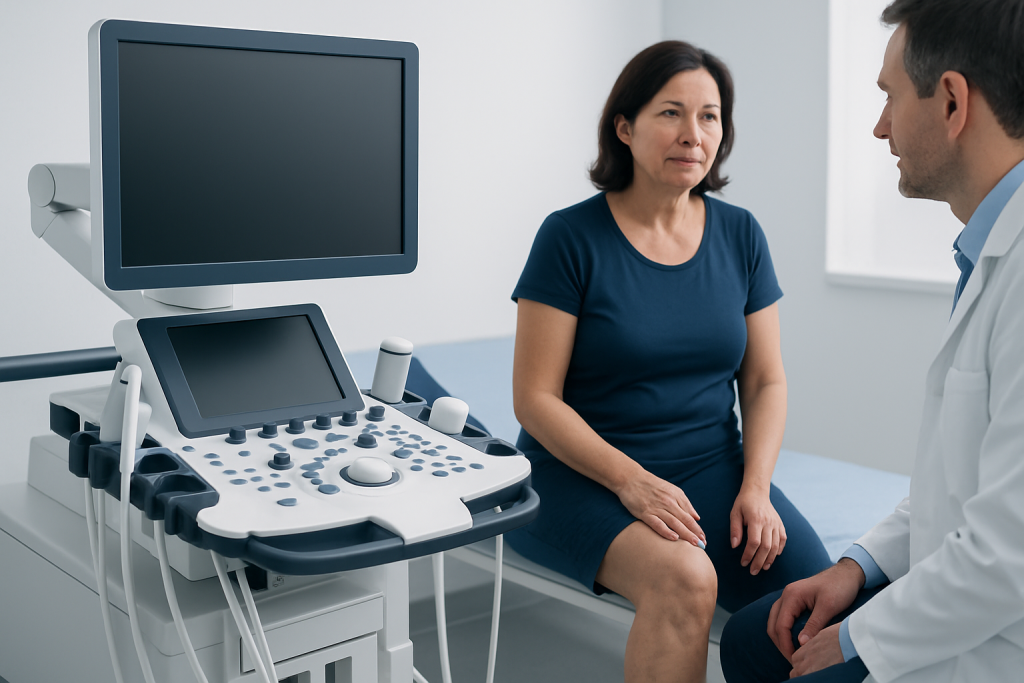
The most useful test is often a duplex ultrasound. This painless scan shows both the structure of the veins and the direction of blood flow, allowing the doctor to look for reflux, obstruction, or evidence of an old clot. It helps distinguish chronic venous insufficiency from other causes of leg swelling such as lymphatic problems, medication side effects, or heart, kidney, or liver conditions.
For patients traveling from abroad, imaging is especially valuable because it gives a clear roadmap for treatment. A good evaluation can often be completed in a short window, which matters when the patient needs to plan procedures, compression fitting, and follow-up before returning home.
Treatment Options
Treatment depends on symptom severity, the veins involved, and whether there are skin changes or ulcers. Many people start with conservative measures such as compression stockings, regular walking, and elevation of the legs. These steps help reduce pressure in the veins and are often the foundation of care even when a procedure is later recommended.
If symptoms continue or the ultrasound shows significant venous reflux, a doctor may suggest minimally invasive treatment. Options can include endovenous thermal ablation, adhesive closure, sclerotherapy, or phlebectomy, depending on which veins are affected. These treatments aim to close or remove problematic veins so healthier pathways can carry blood more effectively.
People with skin damage or ulcers may need wound care and closer monitoring. In some cases, additional management is needed for pain, inflammation, or coexisting conditions that affect healing. The best plan is usually individualized rather than standardized, because vein disease can range from mild discomfort to more advanced skin involvement.
- Compression therapy to support venous return
- Endovenous ablation for refluxing veins
- Sclerotherapy for selected veins
- Ambulatory phlebectomy for surface varicose veins
- Wound care for venous ulcers
Prevention & Self-care
Self-care cannot reverse every case of CVI, but it can ease symptoms and help slow progression. The most useful habits are often the simplest: walking regularly, avoiding very long periods of stillness, and raising the legs when possible. Even small movement breaks during travel or desk work can make a noticeable difference.
Compression stockings are commonly recommended, but they need to be fitted and used correctly for best results. Staying hydrated, managing body weight, and caring for the skin on the lower legs can also reduce discomfort. Gentle moisturizers may help if the skin becomes dry or itchy, especially in people who wear compression daily.
For international patients, planning matters. Packing compression garments, building in walking time after long flights, and arranging follow-up before departure can make treatment smoother. If a procedure is being considered, it helps to ask in advance how long compression, activity limits, and re-checks are expected to continue after returning home.
- Walk or flex the ankles regularly
- Elevate the legs above heart level when resting
- Use compression as directed by a clinician
- Avoid prolonged sitting or standing without breaks
- Maintain healthy skin and monitor for sores
When to See a Doctor
Medical evaluation is appropriate when leg swelling, aching, or visible veins are persistent or worsening. It is also important to seek care if the skin around the ankles becomes dark, hard, itchy, or fragile, since these can be signs that venous pressure is affecting the tissues.
Some symptoms should be assessed promptly because they may point to a different problem than chronic venous insufficiency. Sudden one-sided swelling, redness, warmth, or pain may suggest a blood clot and should not be ignored. Open sores, drainage, or signs of infection also need timely attention.
People who are considering treatment abroad may benefit from arranging care with enough time for diagnostic testing, procedure planning, and early follow-up. Acibadem Health Point’s multidisciplinary specialists and JCI-accredited hospitals diagnose and treat chronic venous insufficiency for international patients, with care coordinated around the practical needs of travel and recovery.
Living With Chronic Venous Insufficiency
CVI is often a long-term condition, but long-term does not mean unmanageable. Many patients notice meaningful relief once the vein problem is identified and the daily pressure on the legs is reduced. The goal is not only symptom control but also prevention of skin damage and other complications.
Follow-up is useful because vein symptoms can change over time. A plan that works well in one season of life may need adjustment after pregnancy, a change in activity level, or a long trip. Checking in with a clinician makes it easier to update compression use, review skin changes, and decide whether further treatment is needed.
For patients balancing work, family, and travel, the most successful care plans are usually the ones that fit real routines. When treatment is practical, symptoms are easier to control and the legs are more likely to stay comfortable day to day.
Frequently asked questions
Is chronic venous insufficiency the same as varicose veins?
Not exactly. Varicose veins can be one sign of chronic venous insufficiency, but CVI refers to the broader problem of blood pooling and poor venous return in the legs. Some people have visible veins with only mild symptoms, while others have swelling or skin changes without prominent varicose veins.
Can chronic venous insufficiency be cured?
Some underlying vein problems can be treated effectively, especially with minimally invasive procedures. Even when symptoms improve, ongoing self-care may still be needed because the tendency toward venous reflux can remain. A doctor can explain whether the problem is best managed, treated, or both.
Do compression stockings really help?
Compression stockings are one of the most common ways to reduce swelling and heaviness in CVI. They help push blood upward and lower pressure in the veins. They work best when the fit, pressure level, and wear schedule are chosen with medical guidance.
Is chronic venous insufficiency dangerous?
It is often not an emergency, but it should not be dismissed. Without care, CVI can lead to skin thickening, ulcers, or recurrent inflammation. Sudden symptoms such as one-sided swelling or pain need prompt assessment to rule out a blood clot.
What kind of doctor treats this condition?
CVI may be managed by vascular specialists, interventional radiologists, general surgeons with vein expertise, or other clinicians familiar with venous disease. The best specialist depends on the severity of symptoms and the treatment being considered. Many patients benefit from a team approach that includes imaging, procedure planning, and wound or rehabilitation support.
Can long flights make symptoms worse?
Yes, long periods of sitting can increase leg swelling and discomfort in people with CVI. Walking during travel, doing ankle movements, and using compression when recommended can help. Travelers with major swelling or a history of clots should ask a clinician for personalized advice before a trip.
References
- National Heart, Lung, and Blood Institute
- Mayo Clinic
- Cleveland Clinic
- Society for Vascular Surgery
- NHS
This article is for general information only and is not a substitute for professional medical advice. Please consult a qualified doctor about your individual situation.
Persistent digestive symptoms? Get evaluated in Turkey
JCI-accredited · board-certified surgeons · reply within 24h
Add us as a Preferred Source to see more of our trusted health content across Google Search, AI Overviews and Discover.