Pons Function

Key Takeaways
- The pons acts as a communication hub between the brain and spinal cord and helps relay signals across the nervous system.
- It supports important automatic functions such as breathing, sleep-wake regulation, and coordination of facial and eye movements.
- Pons problems may cause symptoms such as weakness, double vision, facial numbness, trouble speaking, dizziness, or changes in consciousness.
- Diagnosis usually involves a neurological exam and brain imaging, especially MRI, to identify the cause and location of injury or disease.
- Treatment depends on the underlying condition and may include emergency care, medication, rehabilitation, or follow-up monitoring.
- Urgent assessment is important if neurological symptoms appear suddenly or worsen quickly.
The pons is a small but essential part of the brainstem that helps connect major brain regions and supports breathing, sleep, facial movement, hearing, and balance. Understanding pons function can make it easier to recognize when neurological symptoms need prompt medical attention.
Overview
The pons is a compact structure in the lower part of the brain, sitting in the brainstem between the midbrain and the medulla. Although it is small, its role is wide-reaching: it helps carry messages between the cerebrum, cerebellum, and spinal cord, while also supporting several automatic body functions that people rarely notice until something goes wrong.
In practical terms, pons function is about coordination and communication. It helps regulate breathing patterns, contributes to sleep and arousal, and assists with movement and sensation in the face. It also serves as a pathway for many nerves, which is why a problem in this area can affect several body systems at once.
Because the pons is deep within the brain, symptoms linked to pons injury or disease are not always obvious at first. Some people notice subtle imbalance or facial changes, while others develop sudden neurological symptoms that need urgent evaluation. For patients traveling internationally for care, a clear diagnosis often begins with a careful review of symptoms, timing, and any recent stroke-like events, infections, or injuries.
Symptoms
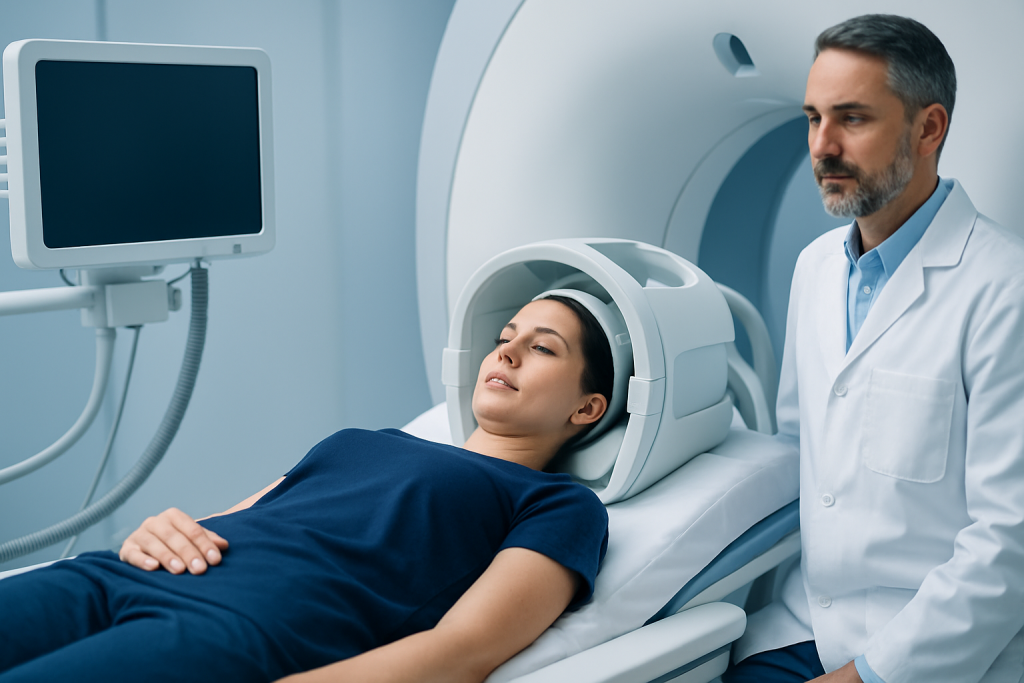
Symptoms related to the pons vary depending on which part of the structure is affected and how quickly the problem develops. A small lesion, for example, may cause one or two focused symptoms, while a larger or sudden event such as a stroke can lead to a broader neurological picture.
Common signs may include:
- Facial weakness or drooping
- Double vision or difficulty moving the eyes
- Numbness or altered sensation in the face
- Unsteady walking or poor balance
- Slurred speech or trouble swallowing
- Weakness in the arms, legs, or both
- Changes in breathing pattern or alertness
Some pons-related conditions can also affect hearing, coordination, or the ability to process sensory signals. In more serious cases, especially when the brainstem is involved in a stroke, swelling, or bleeding, symptoms may develop suddenly and progress quickly. That is why new neurological symptoms should be taken seriously even if they seem to come and go.
Causes & Risk Factors
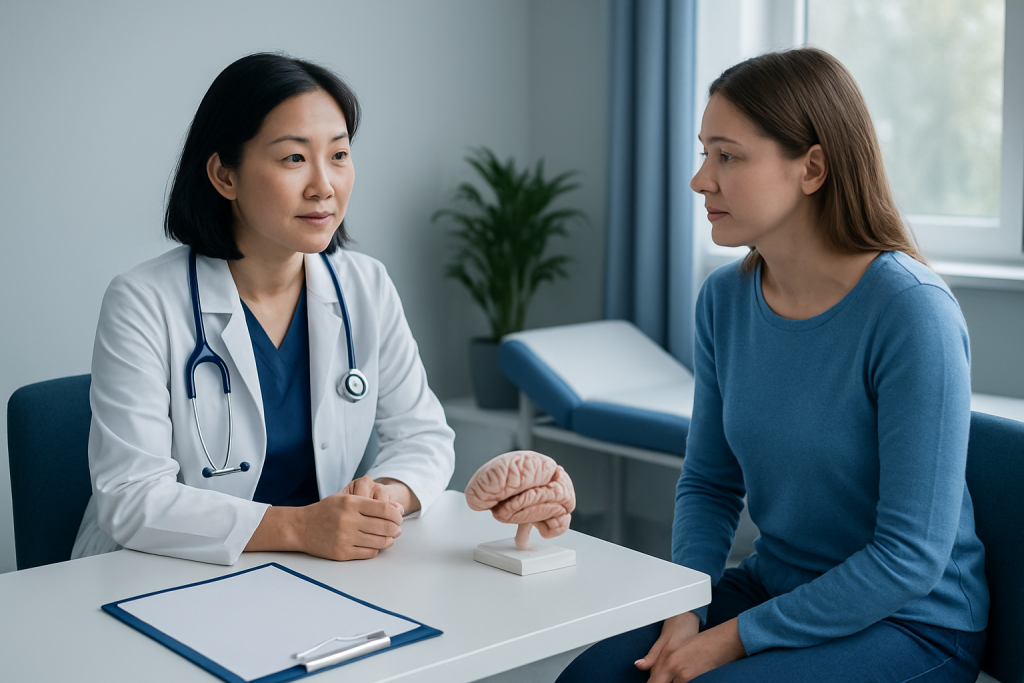
There is no single cause of pons problems. The pons can be affected by vascular events, inflammation, injury, infection, tumors, or degenerative conditions. In clinical practice, the most time-sensitive cause is stroke, because the brainstem depends on a steady blood supply and can be affected by either blocked or ruptured vessels.
Other possible causes include demyelinating disease, such as multiple sclerosis; brain tumors or metastases; brainstem infections; trauma; and a condition called central pontine myelinolysis, which is associated with rapid changes in the body’s sodium balance. Less commonly, congenital or structural abnormalities may affect the area.
Risk factors depend on the cause, but may include high blood pressure, diabetes, smoking, atrial fibrillation, high cholesterol, autoimmune disease, recent severe illness, or a history of neurological disease. For international patients planning care abroad, it is helpful to bring prior imaging, medication lists, and discharge summaries, because the cause of pons symptoms is often clearer when doctors can compare current findings with earlier records.
Diagnosis
Diagnosis starts with a detailed neurological examination. A doctor will assess eye movements, facial strength, speech, swallowing, limb power, reflexes, coordination, balance, and alertness. Because the pons is part of the brainstem, doctors look for patterns of symptoms that suggest a lesion in this specific area.
Brain imaging is usually essential. MRI is often preferred because it provides detailed views of the brainstem and can detect small abnormalities more clearly than some other scans. CT may be used first in urgent settings, especially if stroke or bleeding is suspected. Depending on the situation, doctors may also order blood tests, vascular studies, lumbar puncture, or other investigations to identify infection, inflammation, metabolic disturbance, or a tumor.
When patients are evaluated after travel, the diagnostic process may also include a review of recent flights, new medications, dehydration, or delays in symptom onset. These details do not replace medical testing, but they can help doctors understand whether symptoms are part of an emergency or a more gradual neurological condition.
Treatment Options
Treatment is guided by the underlying cause rather than the pons itself. If the problem is a stroke, immediate emergency management is needed. That may involve clot-directed treatment, blood pressure control, or procedures to restore blood flow in selected cases. If the cause is bleeding, infection, or swelling, treatment may focus on stabilizing the patient and addressing the source.
For inflammatory or demyelinating disorders, doctors may use medication to reduce immune activity and limit further injury. Tumors affecting the pons may require a combination of surgery, radiation, chemotherapy, or supportive care, depending on the type and location. Some conditions are treated medically, while others are managed through close monitoring and symptom control.
Rehabilitation is often an important part of recovery. Physical therapy can help with walking and balance, occupational therapy supports everyday tasks, and speech-language therapy may be needed for swallowing or speech changes. For international patients, treatment planning often includes coordination between neurology, radiology, rehabilitation, and, when needed, intensive care teams so that follow-up care continues smoothly after discharge.
Prevention & Self-care
Not every pons-related condition can be prevented, but general brain and vascular health measures can lower risk for some of the most common causes. Managing blood pressure, blood sugar, and cholesterol, avoiding smoking, staying physically active as advised, and following treatment for heart rhythm problems can all support brain health.
People who have already experienced a neurological event may need regular follow-up to reduce the chance of recurrence. Taking prescribed medicines consistently, attending appointments, and reporting new symptoms early are practical ways to protect recovery. If a doctor has recommended rehabilitation, sticking with it can make a meaningful difference in function and independence.
Self-care also includes pace and caution. People recovering from a pons disorder may need extra time for rest, assistance with swallowing or mobility, and supervision if balance or vision is affected. When returning home after treatment abroad, patients should keep a written summary of the diagnosis, procedures, imaging findings, and next-step instructions so local doctors can continue care without gaps.
When to See a Doctor
Medical evaluation is important for any new neurological symptom, especially if it begins suddenly. Weakness on one side of the body, facial droop, double vision, slurred speech, trouble swallowing, severe dizziness, or unusual sleepiness may point to a brainstem problem and should be assessed promptly.
Emergency care is especially important if symptoms are rapid, worsening, or accompanied by confusion, collapse, breathing changes, or reduced consciousness. These features can signal stroke, bleeding, infection, or another serious condition that should not wait for a routine appointment.
People with known neurological disease should seek review if old symptoms return or new ones develop. For patients considering evaluation abroad, Acibadem Health Point’s multidisciplinary specialists and JCI-accredited hospitals diagnose and treat pons-related conditions for international patients, with coordinated care that can support both treatment and follow-up planning.
Living With Pons-Related Neurological Conditions
Recovery from a pons disorder can look different from one person to another. Some patients improve quickly after treatment of the underlying cause, while others need longer rehabilitation and periodic reassessment. Progress is often measured in small but meaningful steps, such as steadier walking, clearer speech, or safer swallowing.
Families and caregivers may also play an important role. They can help observe changes, support therapy exercises, and make daily activities safer during recovery. Keeping symptoms, medications, and follow-up visits organized is particularly helpful for patients who divide their care between countries or continue treatment after returning home.
Because the pons helps coordinate several essential brain functions, even mild symptoms deserve attention. A careful neurological workup can usually show whether the problem is temporary, treatable, or part of a broader condition that needs ongoing management.
Frequently asked questions
What does the pons do in the brain?
The pons helps connect different parts of the brain and spinal cord, allowing messages to travel efficiently through the nervous system. It also supports important automatic functions such as breathing, sleep regulation, facial movement, and balance.
What are common symptoms of a pons problem?
Symptoms can include facial weakness, double vision, dizziness, imbalance, slurred speech, trouble swallowing, or weakness in the arms or legs. In more serious cases, alertness or breathing may also be affected.
Is a pons problem the same as a stroke?
No, but stroke is one possible cause of pons-related symptoms. The pons can also be affected by inflammation, infection, tumors, trauma, or other neurological disorders.
How is a pons disorder diagnosed?
Doctors usually begin with a neurological exam and brain imaging, often MRI. Additional tests may be used to look for stroke, bleeding, infection, inflammation, or other causes.
Can pons damage be treated?
Treatment depends on the underlying cause, and some conditions are treatable while others require long-term management and rehabilitation. Early diagnosis can improve the chances of appropriate treatment and recovery support.
When should someone seek urgent medical help?
Urgent help is needed if symptoms begin suddenly or include weakness, facial droop, trouble speaking, severe dizziness, swallowing problems, confusion, or changes in breathing. These can indicate a neurological emergency.
References
- National Institute of Neurological Disorders and Stroke
- Mayo Clinic
- Cleveland Clinic
- American Stroke Association
- Merck Manual Professional Edition
This article is for general information only and is not a substitute for professional medical advice. Please consult a qualified doctor about your individual situation.