Polyps: Symptoms, Causes and Treatment

Key Takeaways
- Polyps are usually noncancerous, but some types can become cancerous over time.
- Symptoms depend on where the polyp grows and may include bleeding, congestion, pain, or changes in bowel habits.
- Doctors often find polyps during screening tests, imaging, or endoscopic procedures.
- Treatment may involve watchful waiting, medication, or removal during a procedure.
- Follow-up matters because new polyps can develop even after treatment.
Medically reviewed by the Acıbadem clinical team — August 19, 2026
Polyps are common growths that can develop in different parts of the body, including the nose, colon, and uterus. Many cause no symptoms, but some need monitoring or removal because of bleeding, blockage, or cancer risk depending on their type and location.
Overview
Polyps are small tissue growths that form on a body surface or lining. They are not one single disease; rather, “polyp” is a description used for growths found in places such as the colon, nose, uterus, cervix, stomach, and throat. Some are attached by a stalk, while others lie flat against the tissue.
For many people, a polyp is found by chance during a routine exam or screening test. That is often the first surprise: a growth can be present without causing any clear discomfort. Whether it matters clinically depends on where it is located, how large it is, and what it looks like under the microscope after removal or biopsy.
Because the term covers several different conditions, the next steps are not the same for everyone. A small nasal polyp, a colon polyp, and a uterine polyp are managed in different ways, even though they share a name. Understanding the site and the pathology report helps patients make sense of what the doctor recommends next.
Symptoms
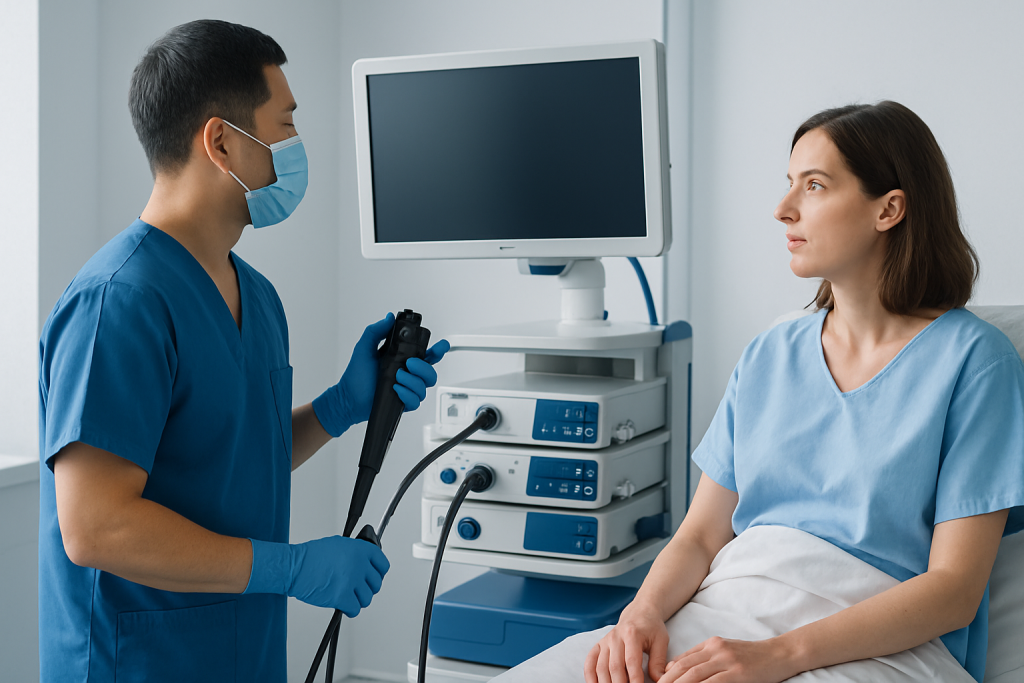
Some polyps never cause symptoms at all. Others announce themselves through very specific changes in how the body feels or functions. The clue is often tied to the organ involved: the nose may feel persistently blocked, the bowel may show bleeding or altered habits, and the uterus may cause irregular bleeding.
Common signs may include:
- Stuffy nose, reduced sense of smell, or mouth breathing
- Rectal bleeding, blood in the stool, or changes in bowel habits
- Unusual vaginal bleeding, bleeding between periods, or bleeding after menopause
- Abdominal discomfort, cramping, or a sense of incomplete emptying
- Hoarseness, coughing, or throat irritation in some upper airway polyps
Symptoms do not always indicate a polyp, and polyps do not always cause symptoms. That is one reason clinicians rely on examination and targeted tests rather than symptoms alone. When bleeding, pain, or blockage appears repeatedly, it is worth discussing with a doctor even if the problem seems minor.
Causes & Risk Factors
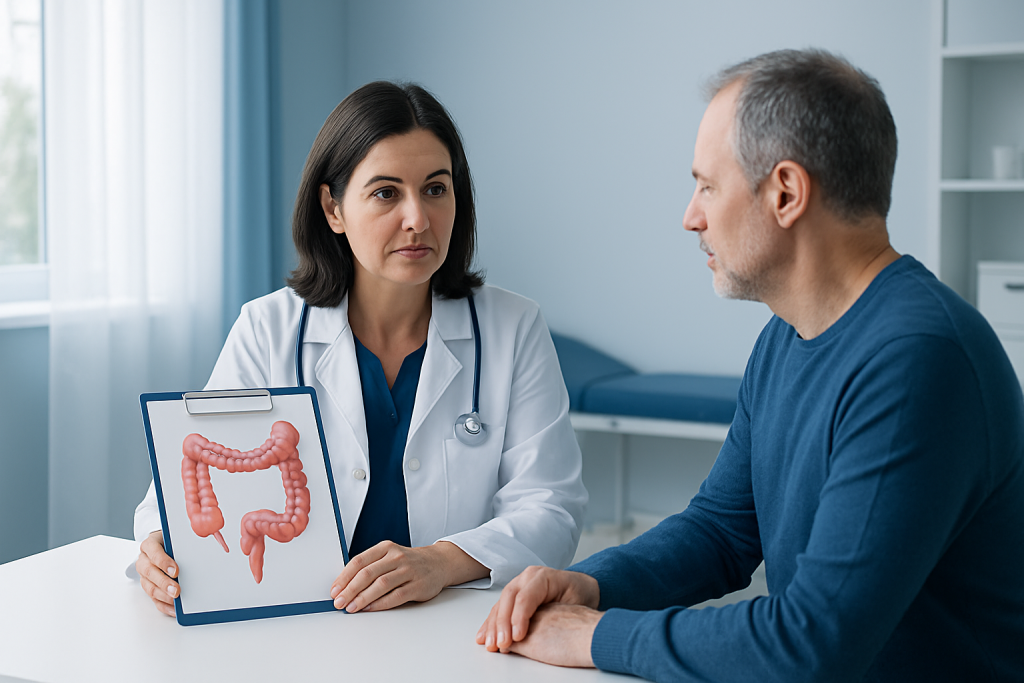
Polyps form when cells grow more than expected or do not shed normally. In some areas, inflammation plays a major role; in others, hormone changes, genetic factors, or age-related tissue changes are more important. The exact cause depends on the type of polyp, and many patients have no single obvious trigger.
Risk factors can include older age, family history of certain polyps or cancers, chronic inflammation, obesity, smoking, hormonal influences, and some inherited conditions. For colon polyps, risk increases with age and with a personal or family history of colorectal polyps or cancer. For nasal polyps, chronic sinus inflammation, asthma, and allergic disease are commonly associated.
It is helpful to think of risk as a combination of body biology and local tissue environment. A person may develop a polyp because the tissue has been irritated for a long time, because of hormone-sensitive growth in the uterus, or because of inherited tendencies that affect how cells behave. Having a risk factor does not mean a polyp will certainly develop, but it may justify closer follow-up.
Diagnosis
Doctors usually look for polyps with an exam, screening test, or direct visualization of the affected area. The exact approach depends on the organ involved. Colon polyps may be found during colonoscopy, nasal polyps during endoscopy or a nasal exam, and uterine polyps during ultrasound, hysteroscopy, or a procedure that lets the doctor look inside the uterus.
If a polyp is seen, the next question is often whether it should be removed or simply monitored. Removal allows the tissue to be sent to pathology, where specialists examine the cells under a microscope. That analysis is important because it helps determine the type of polyp and whether there are any precancerous or cancerous changes.
For international patients, diagnosis may be coordinated across several steps: an initial consultation, imaging or endoscopy, and then a planned procedure if needed. Clear records, prior test results, and any previous pathology reports can make this process smoother when care is being arranged from another country.
Treatment Options
Treatment depends on the location, size, number, symptoms, and microscopic features of the polyp. Some small growths can be observed over time, especially if they are unlikely to cause harm. Others are best removed because they bleed, block airflow, interfere with fertility, cause symptoms, or carry a meaningful cancer risk.
Removal is often done during a minimally invasive procedure. Colon polyps may be taken out during colonoscopy, nasal polyps during Sinus Surgery" class="ahp-ilk">endoscopic sinus surgery, and uterine polyps during hysteroscopy. In many cases, these procedures are planned as outpatient treatments, though recovery instructions and follow-up vary by site and by the person’s overall health.
Medication can also play a role in certain situations. For example, steroid sprays or other anti-inflammatory treatments may help control symptoms related to nasal polyps, especially when chronic inflammation is part of the picture. Medication may reduce swelling or slow recurrence, but it does not replace pathology assessment when removal is needed.
Because polyps sometimes recur, treatment is not always the end of the story. A follow-up plan may include repeat screening, interval imaging, or symptom review. The goal is not to chase every small tissue change, but to match the level of monitoring to the actual risk.
Prevention & Self-care
Not every polyp can be prevented, especially when genetics or age are important factors. Even so, sensible health habits may lower the chance of some polyp types or support better long-term control. This is especially relevant for people who have already had a polyp removed and want to reduce the chance of another one developing.
Practical steps may include maintaining a healthy weight, avoiding tobacco, following recommended cancer screening schedules, and managing chronic inflammatory conditions such as sinus disease or bowel inflammation. For some people, keeping regular follow-up appointments matters more than trying to prevent the first polyp ever appearing. Surveillance is a form of prevention because it helps clinicians find changes early.
Self-care also means paying attention to new symptoms without overinterpreting every minor change. A person recovering after polyp removal may need temporary activity limits, medication guidance, or instructions about bleeding, pain, or nasal care. Those details should come from the treating doctor, since recovery advice depends on the type of procedure performed.
When to See a Doctor
Medical evaluation is appropriate when symptoms persist, worsen, or return. Ongoing rectal bleeding, unexplained vaginal bleeding, repeated nasal obstruction, a new change in bowel habits, or persistent pain should not be ignored. Even when the cause turns out to be benign, the symptoms deserve a proper explanation.
It is especially important to seek care if a person has a family history of colorectal cancer or inherited polyp syndromes, has bleeding after menopause, or notices a lump or growth that seems to be enlarging. Prompt assessment is also wise if breathing, swallowing, or sleep is affected by a suspected polyp in the nose or throat.
For patients traveling for treatment, planning ahead helps. Bringing prior imaging, pathology reports, medication lists, and a clear summary of symptoms allows the specialist to move more efficiently from evaluation to treatment. At Acibadem Health Point, multidisciplinary specialists and JCI-accredited hospitals support the diagnosis and treatment of polyps for international patients in a coordinated way.
Frequently asked questions
Are polyps always cancerous?
No. Many polyps are benign, and some never cause problems. Still, certain types can become precancerous or cancerous over time, which is why doctors often recommend removal or monitoring based on the polyp’s type and location.
Can a polyp go away on its own?
Some very small polyps may remain stable, but many do not truly disappear without treatment. In several locations, removal is recommended so the tissue can be examined under a microscope and the cause can be confirmed.
How are colon polyps usually found?
They are most often found during colonoscopy, which allows the doctor to see the lining of the colon directly. Because many colon polyps do not cause symptoms, screening is an important part of finding them early.
Do nasal polyps come back after treatment?
They can recur, especially when chronic inflammation is ongoing. Treatment may include both removal and long-term medical management to reduce swelling and help control symptoms.
What causes uterine polyps?
The exact cause is not always clear, but hormone-related tissue growth and age-related changes are often involved. They can contribute to irregular bleeding, and some are found only during evaluation for bleeding or fertility concerns.
Is it safe to travel for polyp treatment?
Many patients do travel for evaluation or procedures, especially when they want access to a specialist or organized follow-up. The key is to plan the consultation, procedure, and recovery window carefully, and to bring previous test results with them.
References
- Mayo Clinic
- Cleveland Clinic
- National Cancer Institute
- American College of Gastroenterology
- NHS
This article is for general information only and is not a substitute for professional medical advice. Please consult a qualified doctor about your individual situation.
Persistent digestive symptoms? Get evaluated in Turkey
JCI-accredited · board-certified surgeons · reply within 24h
Add us as a Preferred Source to see more of our trusted health content across Google Search, AI Overviews and Discover.