Hyperplastic Polyp

Key Takeaways
- Hyperplastic polyps are usually benign, but they still need proper evaluation because similar-looking growths can have different significance.
- Many hyperplastic polyps cause no symptoms and are found incidentally during routine screening or investigation of digestive complaints.
- Diagnosis usually relies on endoscopy or colonoscopy, and some polyps are removed or biopsied to confirm the type.
- Treatment may be as simple as observation or may include complete removal, depending on the polyp's location and appearance.
- Ongoing follow-up is important, especially if polyps are multiple, large, or associated with other digestive conditions.
A hyperplastic polyp is a usually noncancerous growth that most often appears in the colon or stomach lining. It is commonly found during endoscopy or colonoscopy and is often managed based on size, location, and whether it causes symptoms.
Overview
A hyperplastic polyp is a growth made up of an overgrowth of normal-looking cells on the lining of the digestive tract. It is most often found in the colon, but it can also appear in the stomach. In many cases, it is small, smooth, and discovered by chance during a colonoscopy or upper endoscopy done for another reason.
For most people, the word “polyp” sounds more worrying than the finding itself turns out to be. Hyperplastic polyps are usually benign, meaning they are not cancer. Even so, they deserve careful attention because the exact type of polyp matters, and some lesions that look similar can behave differently. A clear diagnosis helps patients know whether the finding can simply be monitored or should be removed.
In international-care settings, people often learn about a hyperplastic polyp while being evaluated for symptoms, screening, or follow-up after a previous procedure. That moment can feel confusing, especially when medical terms are new. The useful first step is to understand that the next decision is usually practical: confirm the type, decide whether treatment is needed, and plan any follow-up in a way that fits the patient’s overall digestive health.
Symptoms
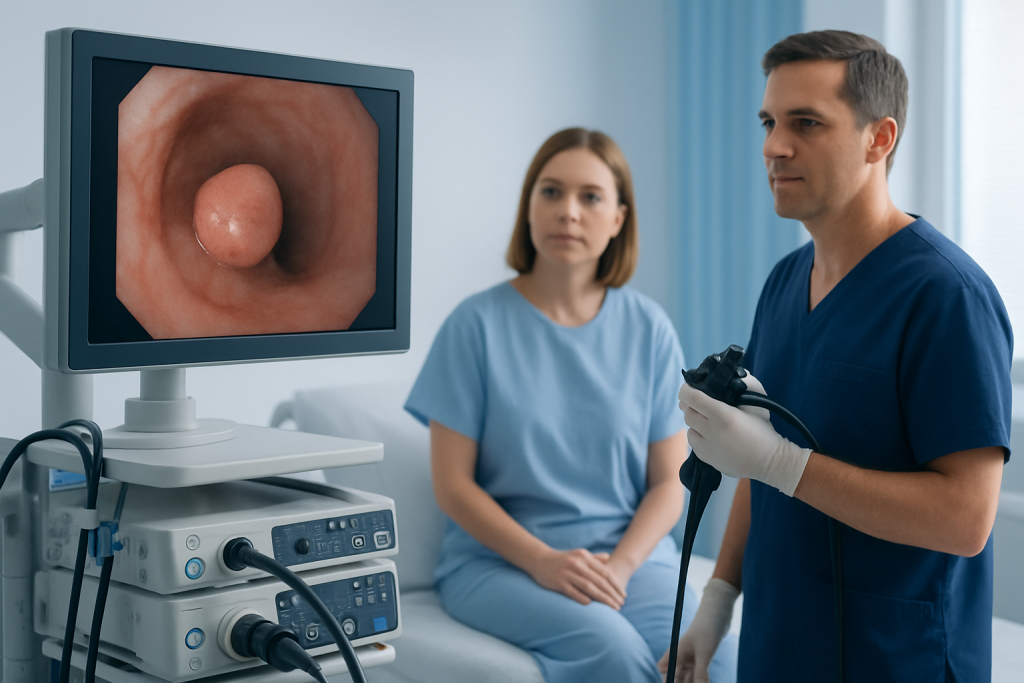
Many hyperplastic polyps do not cause any symptoms at all. They are often discovered because a person had a screening colonoscopy, a check after another finding, or an endoscopy for unrelated digestive concerns. When a polyp is small and flat, it may never make itself known.
If symptoms do occur, they are usually not specific to a hyperplastic polyp alone. Some people may notice minor rectal bleeding, a small amount of blood in the stool, or changes in bowel habits, but these symptoms can have many causes. In the stomach, a polyp may be linked with irritation or underlying inflammation, although the polyp itself is often silent.
- No symptoms at all
- Occasional blood in the stool or on toilet tissue
- Unexplained digestive discomfort
- Symptoms related to the condition that led to the scope exam, rather than the polyp itself
Because symptoms are nonspecific, they should not be used to guess the type of polyp. A proper examination is the safest way to understand what is present and whether it needs treatment.
Causes & Risk Factors
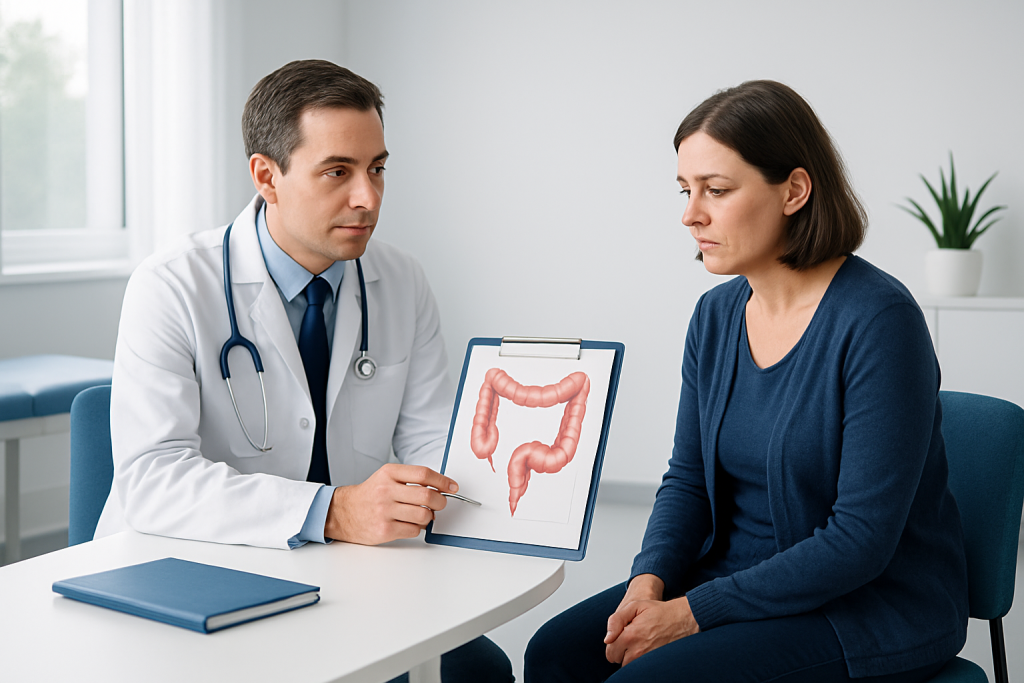
Hyperplastic polyps develop when cells in the lining of the digestive tract grow and renew in a slightly irregular way. In the colon, they are often linked to normal tissue repair and cell turnover. In the stomach, they may arise in areas of long-term irritation or inflammation. They are not usually caused by a single clear event, and many people have no obvious trigger.
Several factors may make polyps more likely or more noticeable during testing. These can include age, a history of inflammatory changes in the digestive tract, and conditions that lead to repeated irritation of the lining. In the stomach, prior infection or chronic inflammation may be part of the background. In the colon, the chance of finding a polyp rises as people get older, especially when screening is performed routinely.
It is also important to remember that “polyp” is a broad term. Some polyps are hyperplastic, while others are adenomas or other types with different follow-up needs. That is why pathology matters: the same word used in a report may not mean the same risk level from one patient to another.
Diagnosis
Diagnosis usually begins with seeing the polyp directly during colonoscopy or upper endoscopy. The doctor looks at the size, shape, location, and surface appearance. While these visual clues are helpful, they are not always enough to identify the exact type with certainty.
In many cases, a biopsy or complete removal is recommended so the tissue can be examined under a microscope. This pathology step helps confirm whether the lesion is truly hyperplastic and whether any other features are present. For patients traveling for care, this is often the point where the plan becomes more individualized: whether the polyp can be removed during the same procedure, whether additional testing is needed, and how soon follow-up should take place after the patient returns home.
Depending on the broader digestive picture, the doctor may also review previous test results, medications, anemia or bleeding symptoms, and family history. The aim is not just to label the polyp, but to understand why it was found and what it means in context.
Treatment Options
Treatment depends on the polyp’s type, size, location, and appearance, as well as the patient’s symptoms and medical history. Small hyperplastic polyps, especially in the colon, may not need any treatment beyond observation if the doctor is confident about the diagnosis. Larger polyps or those with an uncertain appearance are often removed during endoscopy so they can be fully assessed.
Removal is commonly done with endoscopic techniques, which means the polyp is treated through a scope rather than open surgery. This approach is usually efficient and allows the patient to recover quickly. If the polyp is in the stomach, treatment also includes looking for and addressing any underlying irritation or inflammation that may have contributed to its development.
Follow-up recommendations vary. Some patients only need routine screening at the usual interval, while others need earlier reassessment if there were multiple polyps, if the pathology report was not completely straightforward, or if other digestive conditions were present. The most useful treatment plan is one that is based on the pathology report, not just on the appearance of the polyp at first glance.
Prevention & Self-care
There is no guaranteed way to prevent every hyperplastic polyp, because some arise as part of normal tissue change. Still, general digestive health habits can support the lining of the stomach and intestines and make it easier to stay on top of screening and follow-up care.
Self-care is often about consistency rather than special remedies. Patients are usually encouraged to keep scheduled screening appointments, bring prior endoscopy or colonoscopy reports when changing doctors or traveling for care, and mention any new bleeding, abdominal pain, or bowel changes promptly. If a stomach polyp was found, following the doctor’s advice on managing inflammation, reflux, or other underlying issues can be important.
- Attend routine colorectal screening when age-appropriate or advised earlier
- Keep copies of pathology and procedure reports for future reference
- Report new rectal bleeding, black stools, or persistent digestive symptoms
- Follow dietary and medication guidance if another stomach or bowel condition is present
- Ask when the next scope or follow-up visit should be scheduled
For international patients, planning follow-up before leaving the treatment center can be especially helpful. A written summary of findings, pathology results, and next steps makes it easier for the home doctor to continue care smoothly.
When to See a Doctor
Medical review is recommended if a person notices blood in the stool, ongoing change in bowel habits, unexplained abdominal discomfort, weight loss, or signs of anemia such as tiredness or shortness of breath. These symptoms do not necessarily mean a hyperplastic polyp is the cause, but they do deserve evaluation. In many cases, a digestive specialist can determine whether colonoscopy, endoscopy, or another test is appropriate.
Patients should also speak with a doctor if a polyp was previously found and they are unsure about the pathology result, the size of the polyp, or the follow-up interval. A clear explanation can prevent unnecessary worry and help the patient understand whether surveillance alone is enough. This is especially helpful for patients who received care abroad and need their results translated into a practical plan at home.
Acibadem Health Point’s multidisciplinary specialists and JCI-accredited hospitals diagnose and treat digestive polyps for international patients, with coordinated care that can support evaluation, removal when needed, and follow-up planning. Anyone with persistent symptoms or an uncertain report should seek a qualified gastroenterologist for individualized advice.
Living With the Finding
For many people, a hyperplastic polyp becomes a short chapter rather than a long-term illness. Once the diagnosis is confirmed, the next steps are usually straightforward: remove it if needed, review the pathology, and follow the recommended screening schedule. That clarity can be reassuring, especially after the uncertainty of waiting for test results.
What helps most is understanding the exact wording in the report. A patient who knows whether the polyp was small, completely removed, and truly hyperplastic is better prepared for future care. If the report mentions other findings, such as inflammation or additional polyps, the doctor may suggest a more tailored follow-up plan.
With accurate diagnosis and routine surveillance, most people can move forward confidently. The goal is not to live in fear of the word “polyp,” but to use the finding as useful information that guides sensible digestive care.
Frequently asked questions
Is a hyperplastic polyp cancerous?
Hyperplastic polyps are usually benign and are not considered cancer. Even so, a doctor may still recommend biopsy or removal because other types of polyps can look similar. Pathology is the most reliable way to confirm the diagnosis.
Can a hyperplastic polyp cause symptoms?
Many do not cause any symptoms and are found by chance during endoscopy or colonoscopy. If symptoms occur, they are often nonspecific, such as minor bleeding or bowel habit changes. Those symptoms should still be checked by a doctor because they may have several possible causes.
Do hyperplastic polyps need to be removed?
Not always. Small, clearly identified hyperplastic polyps may only need observation, while larger or uncertain ones are often removed for confirmation and safety. The decision depends on the location, size, and appearance of the polyp, as well as the pathology report.
What is the difference between a hyperplastic polyp and other polyps?
“Polyp” is a general term for a growth from the lining of the digestive tract. Hyperplastic polyps are usually benign, while some other types, such as adenomas, can have different follow-up needs and a higher potential for concern. This is why the tissue diagnosis matters so much.
How is a hyperplastic polyp found?
It is most often found during colonoscopy or upper endoscopy. The doctor may remove a small sample or the whole polyp and send it to pathology for confirmation. Many people do not know they have one until a screening or evaluation test is done.
Will the polyp come back after removal?
Sometimes new polyps can appear later, especially if a person is prone to forming them or has another digestive condition. That does not mean the original polyp was dangerous. It does mean that follow-up screening should be taken seriously and scheduled as advised.
References
- Mayo Clinic
- American Gastroenterological Association
- National Cancer Institute
- NHS
- World Health Organization
This article is for general information only and is not a substitute for professional medical advice. Please consult a qualified doctor about your individual situation.