Polyp

Key Takeaways
- Polyps are growths that can appear in several organs, and many cause no symptoms at first.
- The meaning of a polyp depends on its location, size, shape, and cell type.
- Some polyps are removed to relieve symptoms or to reduce future risk.
- Diagnosis often involves imaging, endoscopy, or biopsy.
- Follow-up matters, especially if a person has had polyps before or has a family history.
Medically reviewed by the Acıbadem clinical team — August 19, 2026
Polyps are small growths that can develop on mucous membranes in different parts of the body, most often in the colon, nose, or uterus. Many are harmless, but some need monitoring or removal because of symptoms, bleeding, or a risk of change over time.
Overview
A polyp is a growth that projects from the lining of an organ or passageway. The word itself does not describe one single disease; it describes a shape. That is why a polyp in the colon, nose, stomach, cervix, or uterus can mean very different things for a patient.
Some polyps are tiny and discovered only during a routine exam. Others are found after they start causing bleeding, blockage, discharge, or pressure. In many cases, the main issue is not the polyp’s presence alone, but whether it is benign, whether it is changing, and whether it needs to be removed or watched over time.
For international patients, this often becomes a practical question: can the polyp be fully assessed during one visit, and if needed, treated in a coordinated way with pathology review and follow-up planning before travel home? A careful evaluation helps answer that clearly.
Symptoms
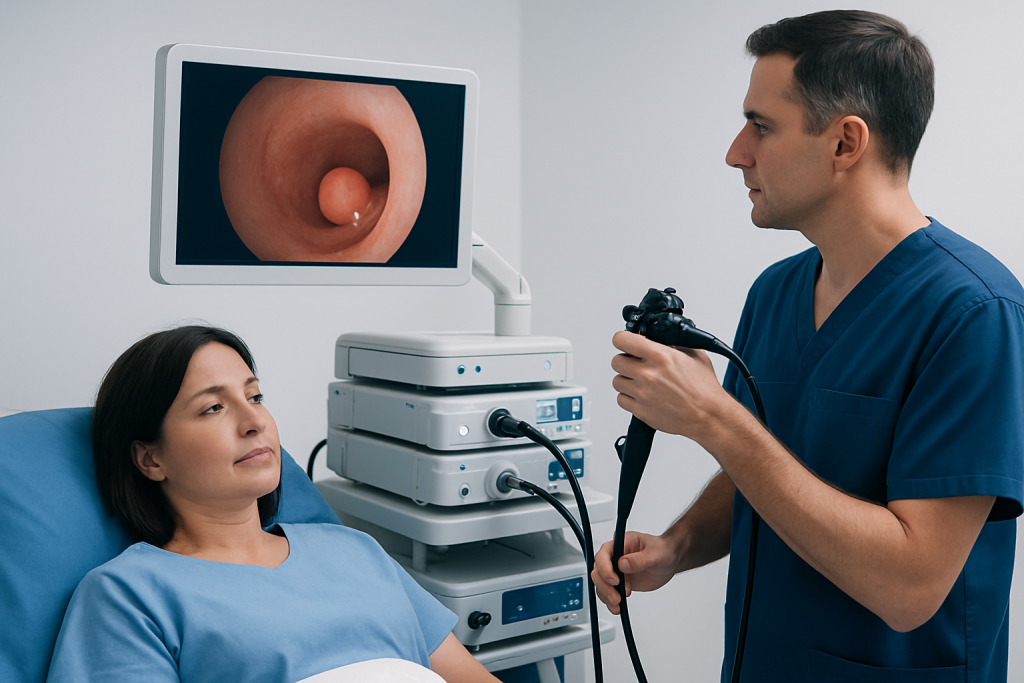
Many polyps do not cause noticeable symptoms, especially when they are small. They may be discovered during screening tests or while investigating another problem. When symptoms do occur, they often depend on the organ involved.
Common examples include:
- Rectal bleeding or blood in the stool with colon polyps
- Changes in bowel habits, such as constipation or diarrhea
- Nasal blockage, reduced smell, or a feeling of pressure with nasal polyps
- Abnormal uterine bleeding with endometrial polyps
- Bleeding after sex or between periods with cervical polyps
- Pain, discharge, or irritation in some cases
Symptoms do not always reflect severity. A small polyp may bleed, while a larger one may remain silent. Because of that, persistent or unexplained symptoms should be assessed rather than guessed at.
Causes & Risk Factors
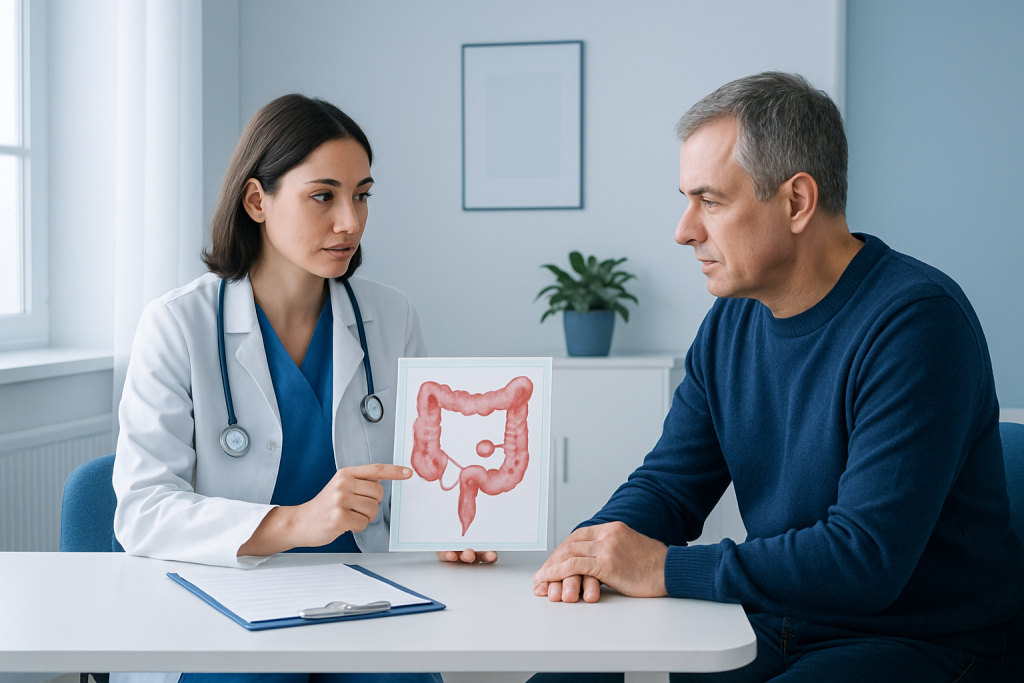
Polyps form when cells in a lining grow in an unusual way. Sometimes this happens for a clear reason, such as chronic inflammation or hormonal influence. In other situations, the trigger is not obvious.
Risk factors vary by location. In the colon, risk may increase with age, family history, certain inherited conditions, prior polyps, inflammatory bowel disease, or some lifestyle factors. In the nose, chronic inflammation, asthma, allergies, or aspirin sensitivity may play a role. In the uterus, hormonal changes, age, and certain bleeding patterns can be associated with polyps.
It is helpful to remember that risk factors do not mean a person will definitely develop a polyp. They simply make the condition more likely. A doctor uses this background, along with symptoms and test results, to decide how closely a person should be evaluated.
Diagnosis
Diagnosis usually begins with a history and physical examination, followed by tests that depend on where the polyp is suspected. A doctor may ask about bleeding, pain, menstrual changes, bowel habits, allergy symptoms, or previous polyps. This helps narrow the location and the likely next step.
Testing may include endoscopy, colonoscopy, nasal examination, pelvic ultrasound, hysteroscopy, imaging studies, or tissue sampling. If a polyp is removed or biopsied, pathology is often the most important part of the diagnosis because it shows the cell type and whether any precancerous or cancerous changes are present.
For many travelers seeking care abroad, this stage benefits from coordination. When diagnosis, procedure, and pathology review are planned together, the patient can often leave with a clearer answer and a practical follow-up plan rather than uncertainty.
Treatment Options
Treatment depends on the type of polyp, its location, symptoms, and the result of any biopsy. Some small, harmless polyps may simply be monitored, especially if they are not causing problems and do not look concerning on examination.
Removal is common when a polyp is bleeding, blocking a passage, growing, or has features that warrant closer evaluation. Many polyps can be removed during the same procedure used to find them, such as colonoscopy, hysteroscopy, or nasal endoscopy. Pathology then guides whether further treatment is needed.
In some situations, treatment also addresses the underlying condition. For example, nasal polyps may be managed alongside allergy or sinus inflammation, while uterine polyps may be considered in the context of fertility concerns or abnormal bleeding. The best approach is individualized rather than automatic.
Prevention & Self-care
Not every polyp can be prevented, but some can be found earlier or managed before they cause larger problems. Screening programs, especially for colon polyps, are an important part of prevention because they allow doctors to identify and remove growths before they become a bigger concern.
Self-care is mostly about observation and follow-through. Patients are often advised to keep track of bleeding, Deviated Septum, Turbinates, or Both?" class="ahp-ilk">nasal obstruction, bowel changes, menstrual irregularity, or pain, and to report changes rather than waiting for the next routine visit. If a polyp has already been removed, following the recommended surveillance plan matters just as much as the procedure itself.
- Keep all follow-up appointments, even if symptoms improve
- Bring prior test reports when seeking care in another country
- Ask which symptoms should prompt earlier review
- Follow any medication or nasal irrigation instructions given by the doctor
- Maintain general health measures recommended for the specific polyp type
International patients may also benefit from arranging records, imaging, and pathology reports in advance. That makes it easier for the next doctor to understand what has already been done and what still needs attention.
When to See a Doctor
Medical assessment is important when bleeding is unexplained, symptoms are persistent, or a polyp has been found and not yet reviewed by a specialist. Even when a polyp seems small or harmless, its location and tissue type determine the next step.
Prompt care is especially wise if there is rectal bleeding, black stools, repeated nosebleeds, unexplained vaginal bleeding, trouble breathing through the nose, or pain that is not settling. A person should also seek evaluation if there is a family history of polyps or bowel cancer, a history of inflammatory bowel disease, or repeated polyp formation.
Acibadem Health Point works with multidisciplinary specialists and JCI-accredited hospitals to diagnose and treat polyps for international patients, helping align testing, procedures, and follow-up in one coordinated plan.
Living With a Polyp Diagnosis
Hearing that a polyp was found can feel vague at first, because the term covers many different situations. The reassuring part is that a polyp diagnosis usually leads to a clearer plan: watch, remove, test, or follow up. Once the tissue type and location are known, uncertainty often drops.
Patients do best when they understand the specific type of polyp they have, whether it was removed completely, and how soon the next check should happen. That clarity is especially valuable for people managing care across borders, where decisions about travel, recovery, and the timing of future visits must be made deliberately.
With the right information, most patients can move from “What is this?” to a sensible next step. That conversation belongs with a qualified doctor who can match the plan to the person, not just to the name of the polyp.
Frequently asked questions
Are all polyps cancerous?
No. Many polyps are benign and never become cancerous. The concern depends on the polyp’s location, size, appearance, and pathology result after removal or biopsy.
Can a polyp go away on its own?
Some small polyps may remain stable for a long time, but many do not simply disappear. Whether to monitor or remove one depends on where it is and whether it is causing symptoms or looks concerning.
Why are colon polyps important?
Colon polyps matter because some can slowly change over time. Screening helps doctors find and remove them early, which is why colonoscopy is often used for prevention as well as diagnosis.
Do nasal polyps always need surgery?
Not always. Some people improve with medical treatment aimed at reducing inflammation, while others may need a procedure if the polyps cause blockage or keep returning.
How are polyps found in the uterus?
They are often found during evaluation for abnormal bleeding, fertility concerns, or pelvic symptoms. Ultrasound or hysteroscopy may be used, and tissue testing helps confirm the diagnosis.
What should a patient bring if seeking treatment abroad?
It helps to bring prior reports, imaging, pathology results, medication lists, and a summary of symptoms. Those records allow the new doctor to understand what has already been done and plan the next step more efficiently.
References
- World Health Organization
- Mayo Clinic
- National Cancer Institute
- American Gastroenterological Association
- NHS
This article is for general information only and is not a substitute for professional medical advice. Please consult a qualified doctor about your individual situation.
Persistent digestive symptoms? Get evaluated in Turkey
JCI-accredited · board-certified surgeons · reply within 24h
Add us as a Preferred Source to see more of our trusted health content across Google Search, AI Overviews and Discover.