Nasal Polyps: Symptoms, Causes and Treatment

Key Takeaways
- Nasal polyps are usually linked to ongoing inflammation in the nose and sinuses.
- Common symptoms include blocked nose, reduced sense of smell, and facial pressure.
- Doctors often confirm the diagnosis with a nasal exam and sometimes imaging.
- Treatment may include nasal sprays, short courses of medicine, or sinus surgery in selected cases.
- Ongoing self-care and control of triggers can help reduce recurrence and symptoms.
Medically reviewed by the Acıbadem clinical team — August 19, 2026
Nasal polyps are soft, noncancerous growths that can form in the lining of the nose and sinuses, often after long-term inflammation. They may cause congestion, reduced smell, and pressure, but many people improve with the right medical treatment and follow-up.
Overview
Nasal polyps are soft, painless, noncancerous growths that develop on the lining of the nose or sinuses. They are usually shaped like small teardrops or grapes and tend to appear when the nasal passages have been inflamed for a long time.
For many people, the first clue is not a visible growth but a feeling that the nose never fully clears. Breathing through the nose may become difficult, smell may fade, and repeated sinus congestion can start to affect sleep, energy, and daily comfort.
Although the word “polyp” can sound worrying, nasal polyps are common and treatable. The main goal is not only to shrink the growths, but also to manage the inflammation that allowed them to develop in the first place.
Symptoms
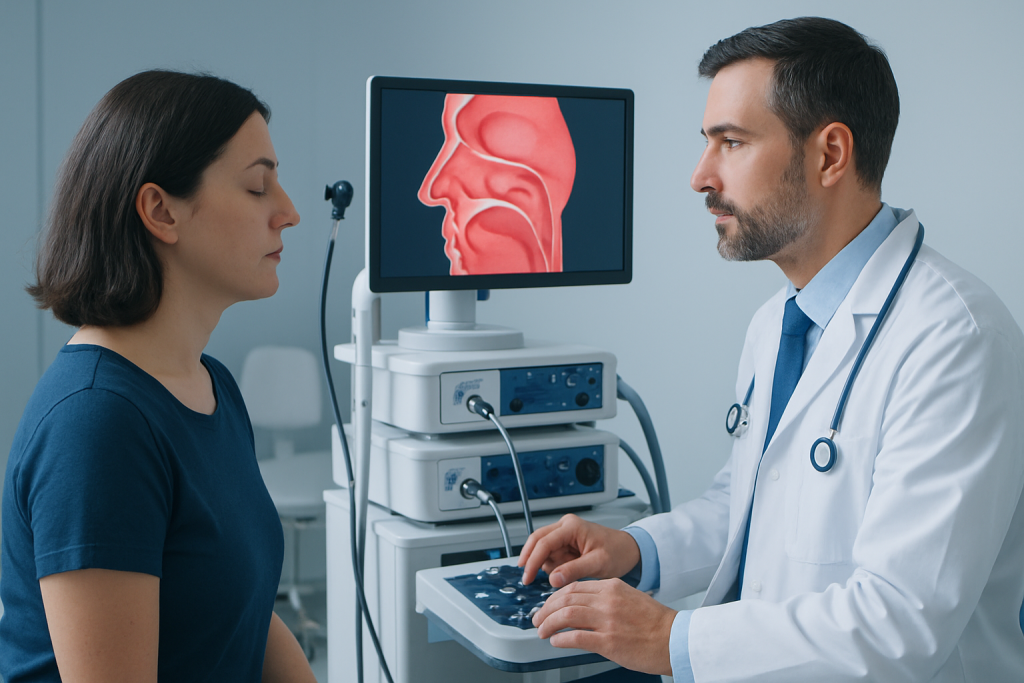
The symptoms often build gradually, which means people may adapt to them before realizing how much the condition is affecting them. Nasal polyps can block airflow and drainage, making the nose feel persistently stuffed or heavy.
Typical symptoms include:
- Ongoing nasal congestion or blockage
- Reduced or lost sense of smell
- Runny nose or postnasal drip
- Facial pressure or a feeling of fullness
- Snoring or poor sleep from mouth breathing
- Frequent sinus infections or sinus pressure
Symptoms can overlap with allergies, colds, or chronic sinusitis, which is why a medical evaluation matters. In some people, one side feels more blocked than the other, but polyps can affect both sides of the nose.
Causes & Risk Factors
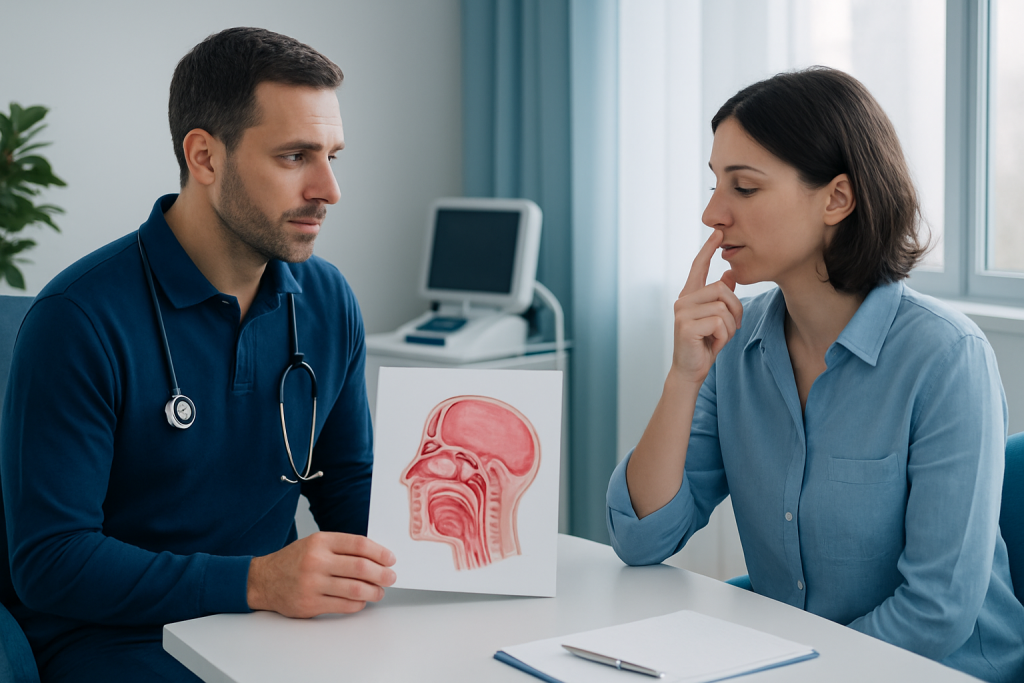
Nasal polyps usually develop in response to chronic inflammation. They are not caused by poor hygiene and they are not contagious. The body’s immune response in the nose and sinuses becomes overactive, and the lining swells over time.
Several conditions are associated with a higher chance of developing nasal polyps, including chronic rhinosinusitis, asthma, aspirin-exacerbated respiratory disease, allergies, and certain immune-related or inflammatory disorders. Some people are simply more prone to this pattern of inflammation.
Risk can also increase when inflammation is longstanding or difficult to control. A history of repeated sinus symptoms, reduced smell, or frequent need for nasal medications may suggest that a more complete assessment is worthwhile.
Diagnosis
Diagnosis usually begins with a conversation about symptoms, how long they have been present, and whether they come and go. An ENT specialist will often examine the inside of the nose with a lighted instrument or a small camera called nasal endoscopy.
This exam helps the doctor see whether polyps are present, how large they are, and whether the surrounding lining looks swollen or inflamed. If sinus disease needs to be mapped more clearly, a CT scan may be recommended to show the sinuses in detail.
In some cases, the doctor may also look for related conditions such as allergies, asthma, or medication sensitivities. Because several disorders can cause similar symptoms, the diagnosis is usually based on the whole picture rather than one symptom alone.
Treatment Options
Treatment is tailored to symptom severity, the size of the polyps, and whether sinus inflammation is also present. The first aim is usually to reduce swelling inside the nose so that breathing, smell, and drainage improve.
Common treatment approaches include:
- Nasal corticosteroid sprays or rinses: Often used to calm inflammation and may help shrink polyps over time.
- Short courses of oral medicine: Sometimes used when symptoms are more pronounced, under medical supervision.
- Treatment of related conditions: Allergies, asthma, or chronic sinusitis may need parallel care.
- Sinus Surgery" class="ahp-ilk">Endoscopic sinus surgery: Considered when symptoms persist despite medicine or when polyps block the sinuses significantly.
Surgery can improve airflow and drainage, but it does not remove the tendency toward inflammation. Many people still need ongoing nasal treatment afterward to help prevent recurrence. For patients traveling from another country, it is useful to plan both the procedure and the follow-up schedule before departure so continuity of care is clear.
Prevention & Self-care
Not every case of nasal polyps can be prevented, especially when there is a strong inflammatory tendency. Still, day-to-day care can make symptoms easier to manage and may lower the chance of flare-ups.
Helpful habits often include regular saline nasal rinses, using prescribed nasal medicines consistently, and managing allergies or asthma well. Avoiding tobacco smoke and other irritants can also reduce extra inflammation in the nose.
People who already have polyps benefit from noticing patterns: if smell worsens, congestion returns quickly after treatment, or sinus infections become frequent, it may signal that treatment needs adjustment. For international patients, bringing a written list of medicines, prior imaging, and past ENT reports can make assessment faster and more precise.
When to See a Doctor
Medical evaluation is a good idea when nasal blockage lasts for weeks, the sense of smell becomes reduced, or symptoms keep returning after standard cold or allergy care. Persistent facial pressure, recurrent sinus infections, or breathing difficulty through the nose also deserve attention.
Urgent care is rarely needed for nasal polyps themselves, but prompt review is sensible if symptoms are one-sided, unusual, or associated with bleeding, severe pain, or swelling around the eyes. These features may point to another cause that needs a closer look.
An ENT specialist can help confirm the diagnosis and build a treatment plan that fits the person’s symptoms, other health conditions, and travel schedule if care is being arranged abroad. Acibadem Health Point’s multidisciplinary specialists and JCI-accredited hospitals diagnose and treat nasal polyps for international patients with coordinated evaluation and follow-up.
Frequently asked questions
Are nasal polyps cancerous?
Nasal polyps are usually benign, which means they are not cancer. They are more often a sign of ongoing inflammation in the nose and sinuses. A doctor may still examine them carefully to be sure of the diagnosis, especially if symptoms are unusual.
Can nasal polyps go away on their own?
They sometimes become less bothersome if inflammation improves, but they often do not disappear completely without treatment. Medical therapy is commonly used to reduce swelling and improve symptoms. Some people need longer-term treatment to keep them under control.
Do nasal polyps always need surgery?
No, surgery is not always necessary. Many people improve with nasal sprays and other medical treatments first. Surgery is usually considered when symptoms stay troublesome, breathing remains blocked, or the sinuses are significantly affected.
Why do nasal polyps affect smell?
Polyps can block airflow to the area in the nose that detects odors, and inflammation itself may also affect smell. That is why reduced or lost smell is a common symptom. In some people, smell improves when the inflammation is treated.
Can nasal polyps come back after treatment?
Yes, they can return, especially if the underlying inflammation continues. Ongoing treatment and follow-up help reduce that risk. A doctor may recommend maintenance therapy even after symptoms improve.
What is the difference between nasal polyps and a stuffy nose from a cold?
A cold usually improves within days to a couple of weeks, while nasal polyps cause longer-lasting congestion. Polyps are also more likely to cause reduced smell and repeated sinus symptoms. If blockage keeps coming back, an ENT evaluation is a sensible next step.
References
- American Academy of Otolaryngology–Head and Neck Surgery
- National Institute on Deafness and Other Communication Disorders
- Mayo Clinic
- Cleveland Clinic
- World Health Organization
This article is for general information only and is not a substitute for professional medical advice. Please consult a qualified doctor about your individual situation.
Explore treatments in Turkey — costs, top hospitals & a free quote
JCI-accredited · board-certified surgeons · reply within 24h
Add us as a Preferred Source to see more of our trusted health content across Google Search, AI Overviews and Discover.