Deviated Septum: Symptoms, Causes and Treatment

Key Takeaways
- A deviated septum means the thin wall inside the nose is shifted, narrowing one or both nasal passages.
- Symptoms can include blocked breathing, frequent congestion, snoring, nosebleeds, or sinus pressure, but some people have no symptoms at all.
- ENT specialists usually diagnose it with a nasal examination and sometimes with endoscopy or imaging if other concerns are present.
- Treatment depends on symptom severity and may include sprays, saline care, allergy management, or septoplasty for persistent blockage.
- Medical review is important if breathing problems, recurrent sinus symptoms, or sleep disruption are affecting daily life.
Medically reviewed by the Acıbadem clinical team — August 19, 2026
A deviated septum occurs when the wall between the nasal passages is off-center, which can affect breathing and contribute to congestion, snoring, or sinus issues. Many people manage symptoms conservatively, while others benefit from an ENT evaluation to discuss whether surgery may help.
Overview
The nasal septum is the internal divider that separates the left and right sides of the nose. When it sits noticeably off-center, one side may become narrower than the other, which is known as a deviated septum. Some people are born with this anatomy, while others develop it after injury or normal growth changes over time.
A deviated septum is common and does not always require treatment. In many cases, it is simply an anatomic variation that becomes noticeable only when congestion, allergies, or a cold make airflow feel more restricted. For others, the deviation is significant enough to affect daily breathing, sleep quality, and comfort.
For international patients, the practical question is usually not whether the septum is “perfect,” but whether the shape of the nose is contributing to symptoms that have not improved with routine care. An ENT specialist can help separate a structural problem from swelling caused by allergies, infection, or irritation, since those concerns are managed differently.
Symptoms
The most common complaint is one-sided nasal blockage, although both sides may feel congested at different times. People often notice that one nostril seems to “close up” more easily, especially during a cold, when lying down, or after exercise. Breathing through the nose may feel less efficient, particularly at night.
Other symptoms can develop when airflow is uneven or the lining of the nose is frequently irritated. These may include snoring, recurrent sinus pressure, facial fullness, dry mouth from mouth breathing, or occasional nosebleeds. Some individuals also notice a reduced sense of smell, though that symptom can have several possible causes.
Symptoms vary widely. A person may have a clear deviation seen on examination yet feel almost nothing, while another may have only a modest shift but experience substantial blockage because of swelling inside the nose. That is one reason a clinician’s assessment matters more than appearance alone.
- Persistent nasal obstruction, often more noticeable on one side
- Snoring or noisy breathing during sleep
- Frequent sinus congestion or pressure
- Dryness and crusting inside the nose
- Recurrent nosebleeds in some people
Causes & Risk Factors

A deviated septum can be present from birth. During fetal development or later growth, the septum may shift slightly away from the center, and the change may become more obvious as facial structures mature. In many cases, no single cause is identified.
It can also happen after a nasal injury, such as a sports accident, a fall, or blunt trauma. Even an injury that seemed minor at the time may alter the position of the septum. Repeated small impacts can also contribute, especially in contact sports or physically demanding work environments.
Certain factors do not directly cause the deviation but can make symptoms more noticeable. Allergies, chronic nasal inflammation, enlarged turbinates, and frequent upper respiratory infections can all narrow the nasal airway further. In other words, the septum may be only part of the picture, which is why a complete ENT evaluation is useful.
Diagnosis
Diagnosis usually starts with a conversation about symptoms, triggers, past injuries, allergies, and sleep quality. The clinician will ask whether blockage is constant or intermittent, whether one side feels worse, and whether treatments such as antihistamines or saline rinses have brought any relief. These details help determine whether the main issue is structure, inflammation, or both.
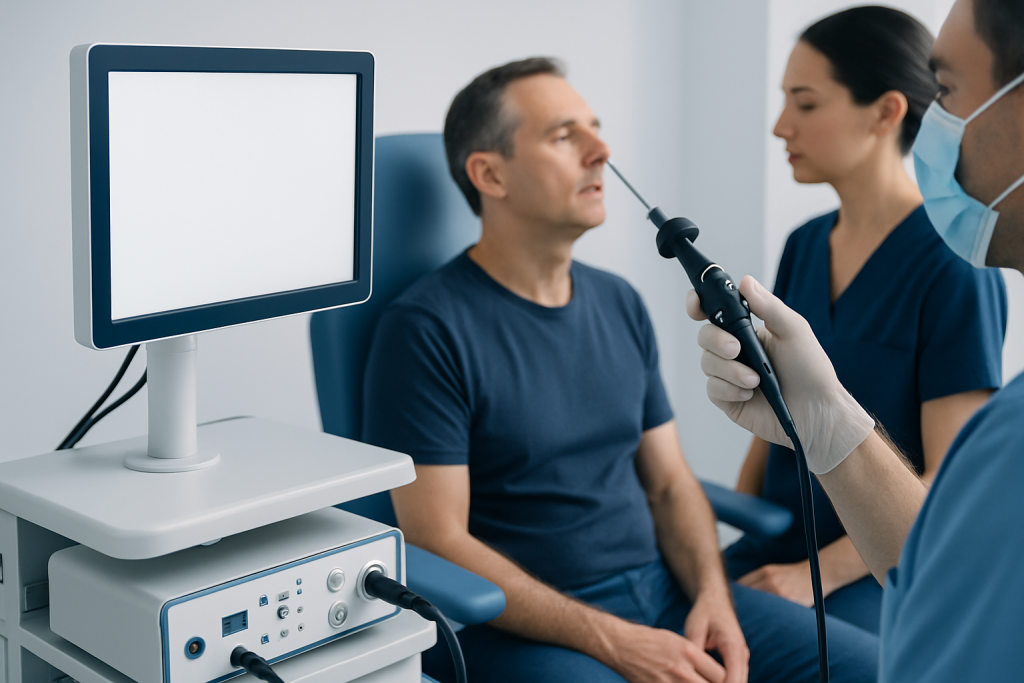
A physical examination of the nose often provides most of the needed information. An ENT specialist may use a nasal speculum or a small endoscope to look at the septum, the turbinates, and the nasal passages in detail. This examination helps identify associated problems such as swelling, polyps, or signs of chronic irritation.
Imaging is not always required for a deviated septum alone. However, a doctor may suggest a scan if sinus disease, prior trauma, or another condition needs to be evaluated. In a travel-based care plan, it is often helpful to bring prior scans, allergy records, medication lists, and any notes from previous ENT visits so the assessment can be efficient and well coordinated.
Treatment Options
Treatment is based on how much the deviated septum is affecting comfort and function. If symptoms are mild, management may focus on reducing swelling inside the nose rather than changing the septum itself. This can include saline irrigation, allergy control, and other non-surgical measures recommended by a clinician.
When blockage remains significant despite conservative care, surgery may be discussed. Septoplasty is the operation commonly used to straighten or reposition the septum and improve airflow. In some situations, it is performed together with other procedures, such as treatment for enlarged turbinates or sinus problems, if those conditions are also limiting breathing.
For patients considering treatment abroad, it is useful to ask how the evaluation, procedure, anesthesia, and follow-up are organized. Questions about expected recovery, return-to-flight timing, and local aftercare planning can help make the process smoother. Acibadem Health Point’s multidisciplinary specialists and JCI-accredited hospitals diagnose and treat this condition for international patients, with care planned around both the medical needs and the practical realities of travel.
- Saline sprays or rinses to keep the nose moist
- Allergy management when swelling is part of the problem
- Medication options recommended by a doctor for inflammation or congestion
- Septoplasty for persistent, structurally related blockage
Prevention & Self-care
Not every deviated septum can be prevented, especially if it is present from birth. Still, protecting the nose from injury is sensible, particularly for people who play contact sports, cycle, work in physical jobs, or have had previous nasal trauma. Using appropriate protective equipment can reduce the risk of further changes.
For day-to-day comfort, simple habits often make breathing easier. Saline irrigation can help clear mucus and reduce dryness, while maintaining good hydration may support nasal comfort. If allergies are a factor, minimizing exposure to known triggers and following a clinician’s plan may reduce inflammation that makes blockage feel worse.
People should avoid overusing decongestant nasal sprays unless a doctor advises otherwise, since rebound congestion can develop and complicate symptoms. Keeping track of when symptoms worsen—such as during flights, at night, or during allergy season—can also help a doctor tailor treatment more effectively.
When to See a Doctor
Medical review is worthwhile when nasal blockage is ongoing, bothers sleep, or seems to be getting in the way of exercise, concentration, or everyday comfort. A deviated septum may also be worth discussing if there are repeated sinus infections, frequent nosebleeds, or mouth breathing that leads to dryness and poor sleep.
Urgent evaluation is not usually needed for a long-standing deviated septum alone, but sudden nasal obstruction after an injury, severe pain, or heavy bleeding should be assessed promptly. These symptoms may point to a problem beyond a simple septal deviation and deserve timely attention.
For people traveling for care, it is sensible to arrange a specialist consultation before making firm plans for surgery. That visit helps confirm whether the septum is truly the main cause of symptoms and whether non-surgical treatment, surgery, or a combination of approaches is most appropriate.
Frequently asked questions
Can a deviated septum get worse over time?
A septum that is already deviated usually does not keep shifting dramatically on its own, but symptoms can feel worse as the nose becomes more inflamed from allergies, colds, or dryness. In some people, aging or repeated injury can also make the blockage more noticeable. An ENT assessment can help determine whether the issue is structural, inflammatory, or both.
Do all deviated septums need surgery?
No. Many people do not need surgery and do well with saline care, allergy treatment, or other conservative measures. Septoplasty is usually considered when the deviation causes persistent breathing problems or other symptoms that do not improve with non-surgical care.
How do doctors tell a deviated septum from allergies?
Allergies typically cause swelling, sneezing, itching, and runny nose, while a deviated septum causes a more structural, often one-sided feeling of blockage. The two can happen together, which is why a physical examination is important. Treatment may address both problems if they are both contributing.
Is septoplasty the same as cosmetic nose surgery?
No. Septoplasty is performed to improve airflow by correcting the septum inside the nose, while cosmetic nose surgery focuses on appearance. Some people have both concerns and may discuss combined approaches with their surgeon if appropriate.
How long is recovery after septoplasty?
Recovery varies, but many people can return to light activities fairly soon while swelling and internal healing continue for longer. The doctor will provide guidance on nasal care, activity limits, and follow-up visits. Travel plans should be discussed in advance so return timing is safe and realistic.
Can a deviated septum cause snoring?
It can contribute to snoring by narrowing the nasal airway and making breathing through the nose less comfortable. Snoring can also have other causes, including sleep position, weight changes, congestion, or sleep apnea. If snoring is frequent or disruptive, it is worth discussing with a doctor.
References
- American Academy of Otolaryngology–Head and Neck Surgery
- Merck Manual Professional Edition
- Mayo Clinic
- Cleveland Clinic
- NHS
This article is for general information only and is not a substitute for professional medical advice. Please consult a qualified doctor about your individual situation.
Explore treatments in Turkey — costs, top hospitals & a free quote
JCI-accredited · board-certified surgeons · reply within 24h
Add us as a Preferred Source to see more of our trusted health content across Google Search, AI Overviews and Discover.