Cryptic Pregnancy

Key Takeaways
- Cryptic pregnancy may happen when typical pregnancy signs are absent, subtle, or mistaken for another condition.
- A negative home pregnancy test does not always rule out pregnancy, especially if testing is early or periods are irregular.
- Diagnosis may require a clinical evaluation, repeat testing, and ultrasound rather than relying on symptoms alone.
- Medical care is important as soon as pregnancy is suspected, because prenatal monitoring still matters even if pregnancy was not recognized earlier.
- Supportive, nonjudgmental care can help patients plan next steps, whether the goal is continuing the pregnancy or discussing other options.
Cryptic pregnancy is a pregnancy that goes unrecognized until later in gestation, sometimes even until labor begins. Understanding why it can happen, how it is diagnosed, and when to seek medical care can help patients respond calmly and safely.
Overview
Cryptic pregnancy describes a pregnancy that is not recognized by the person who is pregnant until later in the pregnancy, and sometimes not until labor begins. It can be surprising, but it is a real medical situation rather than a sign that someone was careless or “missed the obvious.”
For some people, the usual clues of pregnancy are faint or confusing. Bleeding may seem like a period, body changes may be minimal, and home tests may be negative early on or used in ways that do not capture the pregnancy. Because of this, cryptic pregnancy can create emotional and practical challenges, especially when care is needed across a distance or after traveling from another country.
From a health perspective, the priority is simple: once pregnancy is suspected, confirmation and timely prenatal assessment matter. A careful evaluation can also help explain why the pregnancy went unnoticed and whether any medical issues need attention.
Symptoms
Cryptic pregnancy does not have one fixed symptom pattern. In fact, the lack of clear symptoms is often what keeps the pregnancy hidden. Some people notice only vague changes, while others may not connect the changes with pregnancy at all.
Possible clues can include:
- Light, irregular, or mistaken vaginal bleeding
- Abdominal bloating or a feeling of fullness
- Nausea, food changes, or fatigue that is blamed on stress or digestion
- Breast tenderness or subtle breast changes
- Weight gain that seems modest or is distributed differently
- Fetal movement that is weak, intermittent, or interpreted another way
It is also possible to have few or no classic symptoms such as a missed period, obvious belly enlargement, or strong morning sickness. People with irregular cycles, hormonal conditions, or higher body weight may be less likely to notice the usual pattern, but cryptic pregnancy can occur in many situations.
Causes & Risk Factors

There is usually no single cause. Cryptic pregnancy tends to happen when biological, hormonal, and situational factors overlap in a way that masks the usual signs of pregnancy. For some people, the body’s responses are simply less pronounced than expected.
Factors that may contribute include irregular menstrual cycles, conditions such as polycystic ovary syndrome, recent use of hormonal contraception, perimenopause, breastfeeding, and a history of infrequent periods. Psychological factors can also play a role, not because pregnancy is “all in the mind,” but because stress, fear, denial, or a major life disruption may delay recognition and testing.
Other possible contributors include:
- Limited awareness of how pregnancy can present
- Previous pregnancies, which may make changes feel less obvious
- Low or fluctuating pregnancy hormone levels early on
- Misreading bleeding as a menstrual period or another gynecologic issue
It is important to note that cryptic pregnancy is not a diagnosis of anyone’s personality or judgment. It is a description of a pregnancy that was not identified at the usual time.
Diagnosis
Diagnosis starts with a respectful conversation and a clinical assessment. A healthcare professional will usually ask about bleeding patterns, recent sexual activity, contraceptive use, symptoms, and any changes in the abdomen or breasts. Even if a home test was negative, pregnancy may still be considered if the history suggests it.
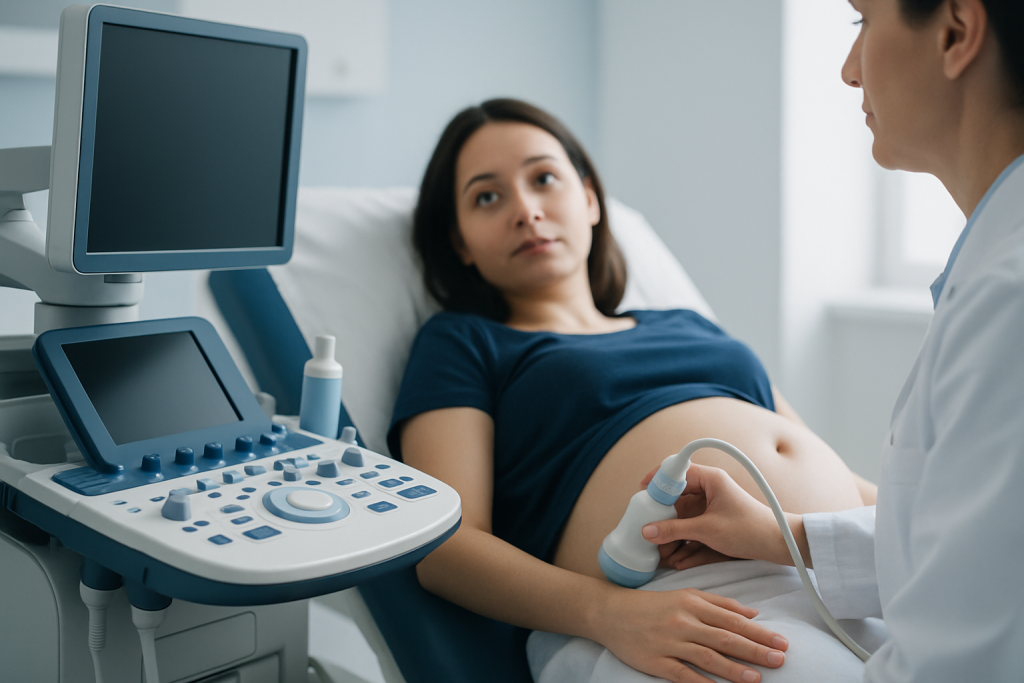
Testing often includes a urine pregnancy test, a blood test for pregnancy hormone levels, and an ultrasound. If the pregnancy is later in gestation, ultrasound can help estimate fetal age, check fetal wellbeing, and identify any immediate concerns. In some cases, repeat testing is needed if the results do not match the symptoms.
Because cryptic pregnancy can be emotionally unsettling, patients benefit from a calm, nonjudgmental setting. This is especially true for international patients who may be far from home, unfamiliar with local systems, or trying to decide whether to continue care in one country or another.
Treatment Options
There is no treatment for cryptic pregnancy itself, because it is not a disease. Once pregnancy is confirmed, care focuses on the health of the pregnant person and the developing baby, as well as the person’s plans and preferences.
If the pregnancy is continuing, a doctor may recommend prenatal visits, laboratory tests, an ultrasound review, nutritional guidance, and monitoring for any complications that may have gone unnoticed. If the pregnancy is already advanced, care may involve planning for delivery and discussing the safest setting for birth.
In some situations, the next steps may include emotional support, counseling, or a referral to women’s health, mental health, or social care services. If a patient is considering options after an unexpected diagnosis, a qualified clinician can explain the available medical and legal pathways based on local regulations and personal circumstances.
For patients traveling for care, coordinated follow-up is especially important. Clear documentation, an explanation of test results, and a practical plan for ongoing prenatal or postnatal support can make the process safer and less overwhelming.
Prevention & Self-care
Cryptic pregnancy cannot always be prevented, because it may develop despite routine self-observation. Still, some practical habits can make pregnancy easier to recognize earlier. People with irregular periods, recent contraceptive changes, or symptoms that feel “off” may benefit from taking a pregnancy test and seeking medical advice rather than waiting for symptoms to become obvious.
Self-care should remain cautious and general until pregnancy is confirmed or excluded. If pregnancy is possible, avoiding alcohol, smoking, and recreational drugs is sensible, and reviewing any medicines with a clinician is important. Eating regularly, staying hydrated, and tracking bleeding or symptoms can also help a doctor interpret what is happening.
A useful habit is to treat persistent cycle changes or unexplained abdominal changes as worth checking, even when a home test is negative. If uncertainty remains, a repeat test or clinic-based evaluation is more reliable than trying to interpret symptoms alone.
When to See a Doctor
Medical review is appropriate whenever pregnancy is possible and symptoms do not make sense, especially if there is missed or unusual bleeding, ongoing nausea, pelvic discomfort, or a growing abdomen. It is also important to seek assessment after a negative home test if pregnancy remains a concern.
Urgent care is needed for severe abdominal pain, heavy bleeding, fainting, trouble breathing, or any concern that labor may have started. These symptoms do not always mean something dangerous is happening, but they do deserve prompt evaluation.
People who discover a pregnancy late should arrange care as soon as possible, even if they feel well. If the patient is abroad or traveling, a multidisciplinary team can help organize testing, imaging, obstetric review, and follow-up in a way that supports both safety and comfort. Acibadem Health Point’s multidisciplinary specialists and JCI-accredited hospitals diagnose and treat this condition for international patients.
Living With the Surprise of a Late Diagnosis
A late pregnancy diagnosis can bring shock, relief, confusion, or all three at once. There is no single “right” reaction. Many people need time to absorb the news and to ask practical questions about fetal age, delivery timing, and what care should happen next.
It can help to write down questions before the appointment, bring a partner or trusted companion if possible, and ask for copies of test results and imaging reports. For international patients, this documentation is especially useful when transferring care between hospitals or returning home for follow-up.
Support should address both medical and emotional needs. A clinician can explain what is known, what still needs to be checked, and how to move forward one step at a time.
Related Conditions and Common Confusions
Cryptic pregnancy is sometimes confused with a variety of other situations. Irregular periods, hormonal imbalance, gastrointestinal bloating, weight changes, and stress-related symptoms can all look similar from the outside. A pelvic condition or a digestive issue may also be considered before pregnancy is recognized.
Home testing can add to the confusion if it is done too early, after heavy fluid intake, or without following instructions carefully. Rarely, test results may not line up with symptoms, which is why clinical testing and ultrasound matter when the picture is unclear.
Because of these overlaps, the most useful approach is not to guess, but to confirm. A healthcare professional can sort through the possibilities and recommend the safest next step.
Frequently Asked Questions
Below are answers to common questions patients ask when a pregnancy is discovered unexpectedly or late.
Frequently asked questions
Can a cryptic pregnancy really happen with a negative test?
Yes. A negative home pregnancy test does not always rule out pregnancy, especially if testing was done early, the sample was diluted, or the test was not repeated later. If pregnancy is still possible, a clinician may recommend blood testing or ultrasound.
Why might someone not notice they are pregnant?
Pregnancy signs can be subtle, absent, or mistaken for another health issue. Irregular periods, light bleeding, hormonal changes, and minimal abdominal growth can all make recognition harder.
Is cryptic pregnancy more common in certain people?
It can happen to people with irregular cycles, hormonal conditions, recent contraceptive changes, or breastfeeding, but it is not limited to any one group. Emotional stress or limited awareness of pregnancy signs may also delay recognition.
How is cryptic pregnancy confirmed?
Confirmation usually involves a medical history, pregnancy testing, and ultrasound. If results do not match the symptoms, repeat testing may be needed.
What should someone do after discovering a late pregnancy?
They should contact a qualified healthcare professional as soon as possible for assessment and next-step planning. Prenatal care, delivery planning, and emotional support may all be part of the response.
Can cryptic pregnancy be dangerous?
The pregnancy itself is not the danger, but delayed prenatal care can make it harder to identify and manage health issues in time. Early assessment after discovery helps protect both the pregnant person and the baby.
References
- World Health Organization
- American College of Obstetricians and Gynecologists
- NHS
- Mayo Clinic
- Merck Manual Professional Edition
This article is for general information only and is not a substitute for professional medical advice. Please consult a qualified doctor about your individual situation.