Photophobia: Symptoms, Causes and Treatment

Key Takeaways
- Photophobia means the eyes or nervous system react too strongly to light.
- It can occur with eye conditions, migraines, infections, inflammation, or medication effects.
- Diagnosis focuses on finding the underlying cause, not just easing the light sensitivity.
- Treatment varies widely and may include eye care, migraine management, or treatment of infection or inflammation.
- Sudden, severe light sensitivity, especially with eye pain or vision changes, deserves prompt medical attention.
Medically reviewed by the Acıbadem clinical team — August 19, 2026
Photophobia is an increased sensitivity to light that can make everyday environments uncomfortable or painful. It is a symptom rather than a diagnosis, and understanding the possible causes helps guide the right care.
Overview
Photophobia is the medical term for light sensitivity. People with photophobia may feel discomfort in bright sunlight, fluorescent lighting, screens, or even ordinary indoor light. The experience is often described as stinging, aching, squinting, or a strong urge to close the eyes.
Despite the name, photophobia is not a fear of light. It is usually a symptom that points to an issue affecting the eyes, the surface of the eye, the optic pathways, or the nervous system. In some people it is temporary and mild; in others it becomes a persistent barrier to reading, working, driving, or traveling.
For international patients, light sensitivity can be especially disruptive because it may flare during long flights, changes in climate, screen-heavy travel days, or when a known condition has not yet been fully evaluated. A careful assessment helps separate simple irritation from conditions that need targeted treatment.
Symptoms
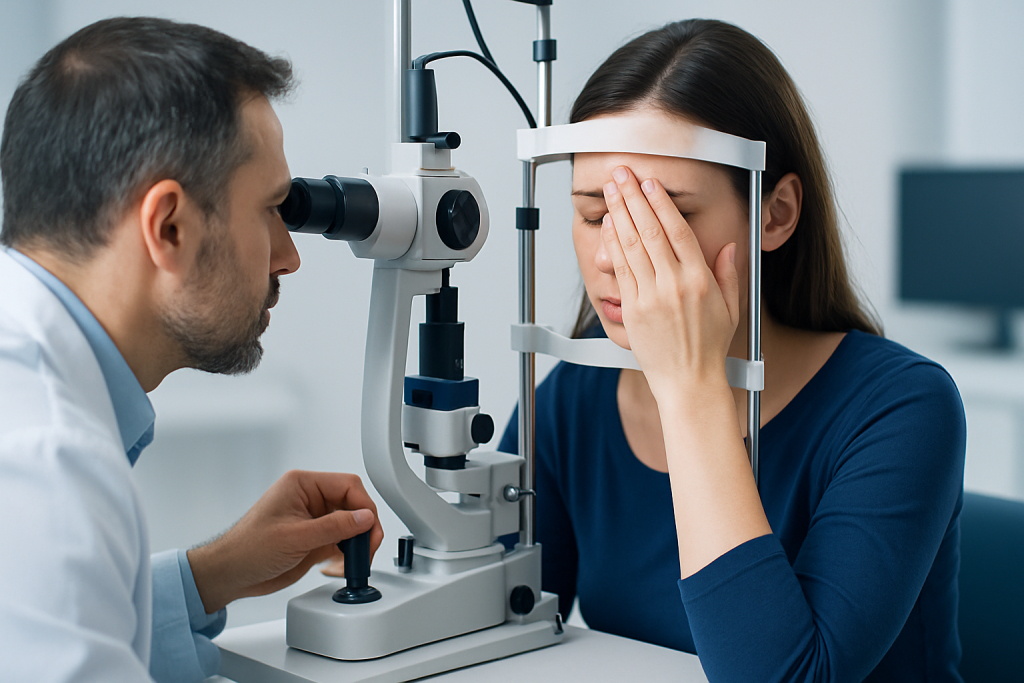
Photophobia does not look the same for everyone. Some people notice that a room feels too bright even when others are comfortable. Others can tolerate dim light but struggle outdoors, on reflective surfaces, or after looking at a computer or phone screen for a short time.
Common symptoms can include:
- Squinting or keeping the eyes partly closed in bright environments
- Eye discomfort, burning, or pain when exposed to light
- Headache or migraine symptoms triggered or worsened by light
- Watery eyes or tearing
- Blurred vision, especially when the eyes are already irritated
- Feeling better in dark or shaded spaces
Photophobia can occur on its own, but it is often accompanied by other clues such as redness, tearing, headache, nausea, discharge, or a change in vision. Those accompanying features help clinicians narrow down the cause.
Causes & Risk Factors

Light sensitivity can come from several different systems in the body. The most common causes involve the eyes themselves, but neurological and systemic conditions can also play a role. That is why the same symptom may need evaluation by an eye specialist, a neurologist, or both.
Eye-related causes include dry eye, corneal abrasion, conjunctivitis, uveitis, iritis, scleritis, and recovery after eye surgery or eye injury. Contact lens irritation and exposure to bright UV light can also trigger short-term photophobia. Inflammation of the eye is particularly important to evaluate because it may require specific treatment to protect vision.
Neurological causes are another major category. Migraine is one of the best-known triggers, and many people with migraines notice that light becomes unbearable during an attack. Photophobia may also accompany meningitis, concussion, intracranial pressure changes, or other conditions affecting the nervous system. Less commonly, medications, certain infections, and systemic inflammatory diseases contribute to the symptom.
Risk can be higher in people who already have dry eyes, a history of migraines, recent eye trauma, autoimmune disease, or recent eye surgery. The symptom is also more noticeable when the eyes are already strained by long screen use, poor sleep, dehydration, or harsh lighting.
Diagnosis
Diagnosis begins with a focused conversation about when the light sensitivity started, what makes it worse, and whether it is linked to headache, eye redness, blurred vision, fever, trauma, or nausea. Those details often reveal whether the problem is more likely to be local to the eye or part of a broader condition.
An eye examination is often the first step. A clinician may check vision, pupil response, the front surface of the eye, eye pressure, and the presence of redness or inflammation. If needed, they may use a slit-lamp examination or dilated eye exam to look for corneal problems, uveitis, or other signs that are not visible to the naked eye.
When the symptom appears with neurological signs such as a severe headache, stiff neck, confusion, weakness, or recent head injury, further evaluation may be required. Depending on the situation, this may include imaging, laboratory testing, or consultation with another specialist. The goal is always to identify the cause early enough to prevent complications and to choose treatment that addresses the real problem.
Treatment Options
There is no single treatment for photophobia because the right approach depends on the cause. If the light sensitivity comes from dry eye, treatment may focus on lubricating drops, environmental adjustments, or managing eyelid and tear-film issues. If inflammation is present, anti-inflammatory medication or other targeted therapy may be needed under specialist guidance.
When migraine is the trigger, treatment usually centers on migraine care rather than the eyes alone. That may include acute migraine treatment, prevention strategies, sleep regularity, hydration, and identifying personal triggers. For infection, the priority is treating the underlying infection promptly and safely. After eye surgery or a minor corneal injury, light sensitivity often improves as healing progresses, but follow-up is important.
Supportive measures can make daily life more manageable while the cause is being treated. These may include wearing sunglasses outdoors, using hats with brims, reducing screen brightness, choosing softer indoor lighting, and taking breaks from visually demanding tasks. For travelers, tinted lenses, a seat away from strong overhead lighting, and planned rest periods can reduce discomfort during recovery.
It is important not to self-treat persistent photophobia with only darkness or prolonged avoidance. If the symptom is lasting, intense, or paired with other eye or neurological signs, a qualified doctor should assess the underlying reason so care is not delayed.
Prevention & Self-care
Not every episode of photophobia can be prevented, especially when it is linked to migraine, infection, or inflammation. Even so, practical habits can lower the chances of flare-ups and make symptoms easier to manage.
Helpful self-care steps include:
- Using sunglasses that provide appropriate UV protection outdoors
- Adjusting screen settings and avoiding overly bright displays
- Taking regular breaks during reading or computer work
- Keeping eyes lubricated if dryness is a known issue, as advised by a clinician
- Staying hydrated and getting enough rest, especially during travel
- Protecting the eyes from injury, dust, and chemical exposure
People who already live with migraines or dry eye often benefit from learning personal triggers. Strong lighting, long hours on devices, poor sleep, alcohol, and skipped meals are frequent examples, though triggers vary from person to person. A simple symptom diary can help a doctor connect patterns that are easy to miss during a single appointment.
When to See a Doctor
Photophobia should be medically evaluated if it is new, persistent, or interfering with daily activities. A doctor’s visit is especially important when light sensitivity appears without an obvious explanation or continues after a minor irritation should have settled.
Prompt assessment is recommended if photophobia occurs with eye pain, reduced vision, a red eye, discharge, headache that feels unusually severe, nausea, fever, stiff neck, recent eye injury, or confusion. These combinations can signal a condition that needs timely treatment.
For people traveling from another country, arranging care before symptoms worsen can be helpful. If a patient is already planning treatment abroad, an eye specialist can help coordinate the exam, any needed tests, and follow-up after returning home. At Acibadem Health Point, multidisciplinary specialists and JCI-accredited hospitals diagnose and treat photophobia-related conditions for international patients in a coordinated setting.
Living With Photophobia
When photophobia becomes part of daily life, the practical goal is not to “tough it out,” but to make the environment work better for the eyes while the cause is being addressed. Small changes can preserve work, study, and travel routines without making the person feel overly restricted.
Some people need temporary accommodations such as dimmer lighting, blue-light reduction on screens, or a different seating position in bright rooms. Others may need a more formal plan if migraines, dry eye, or an inflammatory eye condition keeps returning. In those cases, regular follow-up is useful because treatment may need adjustment over time.
A compassionate evaluation can be reassuring. Once the source of light sensitivity is identified, many people find that symptoms become easier to predict, manage, and reduce. The key is to look beyond the light itself and treat what is making the eyes or nervous system react so strongly to it.
Frequently asked questions
Is photophobia the same as being afraid of light?
No. In medicine, photophobia means light sensitivity, not fear. The symptom usually reflects irritation, inflammation, migraine, or another underlying issue affecting the eyes or nervous system.
Can photophobia happen with migraine?
Yes. Light sensitivity is a very common migraine symptom and may worsen during an attack. If it happens often, a clinician can help confirm whether migraine is the likely cause and discuss treatment options.
Does photophobia always mean an eye problem?
Not always. It can come from the eyes, but it can also be related to migraine, concussion, infection, or other neurological conditions. That is why a proper evaluation is important if it is persistent or severe.
What should someone do if bright light suddenly becomes painful?
They should rest their eyes and avoid driving or other unsafe activities until they can see comfortably. If the symptom is sudden, severe, or paired with redness, vision changes, headache, or fever, medical care should be sought promptly.
Can screen use make photophobia worse?
Yes, screens can aggravate light sensitivity, especially when the eyes are dry or already irritated. Lowering brightness, taking breaks, and treating the underlying cause can help, but ongoing symptoms should be assessed by a doctor.
Is photophobia curable?
Sometimes it is temporary and improves once the underlying cause heals, such as after a corneal injury or an eye infection. In other cases, like migraine or chronic dry eye, the goal is usually good control rather than a permanent cure.
References
- American Academy of Ophthalmology
- National Eye Institute
- Mayo Clinic
- Merck Manual Professional Edition
- NHS
This article is for general information only and is not a substitute for professional medical advice. Please consult a qualified doctor about your individual situation.
Explore treatments in Turkey — costs, top hospitals & a free quote
JCI-accredited · board-certified surgeons · reply within 24h
Add us as a Preferred Source to see more of our trusted health content across Google Search, AI Overviews and Discover.