Allergy Eye Drops: Uses, Dosage and Side Effects

Key Takeaways
- Allergy eye drops are commonly used to ease itchy, red, watery eyes caused by allergies.
- Different drop types work in different ways, including antihistamines, mast cell stabilizers, lubricants, and decongestants.
- Safe use matters, especially for contact lens wearers and people with ongoing eye redness or pain.
- Avoiding allergens and using supportive measures can reduce how often symptoms flare.
- Persistent, one-sided, painful, or vision-changing eye symptoms should be assessed by an eye doctor.
Medically reviewed by the Acıbadem clinical team — August 19, 2026
Allergy eye drops can help calm itching, redness, and watering caused by allergic conjunctivitis. The right choice depends on symptoms, triggers, and whether the eyes are also irritated by dryness, contact lenses, or another eye condition.
Overview
Allergy eye drops are designed to soothe the eyes when the immune system reacts to triggers such as pollen, dust mites, pet dander, or mold. For many people, the first clues are not dramatic; they are the small but persistent signs that make daily life harder, such as itching that invites rubbing, clear watering, and redness that does not seem to settle.
The medical term for this problem is often allergic conjunctivitis. It can occur alongside sneezing, a blocked nose, or seasonal allergies, but it may also affect the eyes on their own. Because the eyes are exposed and delicate, even mild inflammation can feel very noticeable.
For international patients, eye allergy treatment is usually straightforward, but choosing the right drop still benefits from a careful eye examination. This is especially true when symptoms are recurring, when a person wears contact lenses, or when travel has exposed them to a new climate, dust level, or pollen pattern.
Symptoms
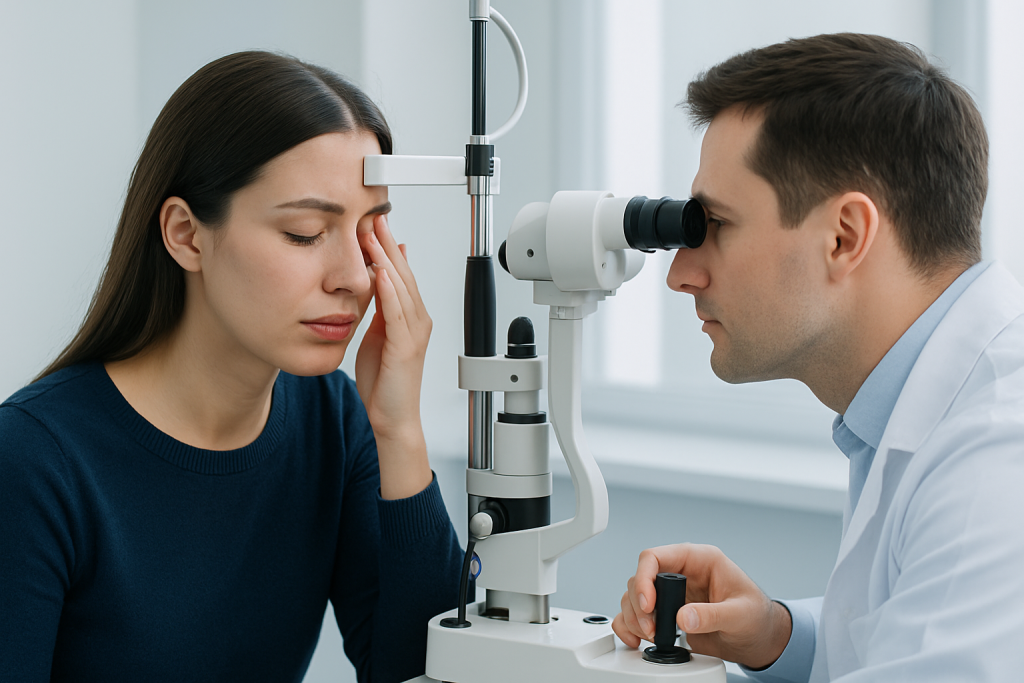
Eye allergies often feel irritating rather than dangerous, which is one reason they are sometimes mistaken for ordinary tired eyes. The hallmark symptom is itching, often accompanied by watery discharge, swelling of the eyelids, and a pink or red appearance of the whites of the eyes.
Some people describe a burning or gritty sensation, as if a tiny particle is stuck in the eye. Vision is usually not permanently affected, although tearing can blur sight temporarily. Symptoms often appear in both eyes, especially when the trigger is airborne and touches both eyes at the same time.
- Itchy eyes that tempt rubbing
- Clear, watery tearing
- Redness or mild swelling
- Light sensitivity in some cases
- Symptoms that worsen outdoors, after cleaning, or around pets
Because rubbing can make irritation worse, the cycle can become self-perpetuating. Recognizing the pattern early helps patients and clinicians distinguish allergy-related irritation from infection, dry eye, or other eye surface conditions.
Causes & Risk Factors

Allergy eye symptoms begin when the immune system overreacts to a harmless substance. The eye’s surface then releases inflammatory chemicals, including histamine, which leads to itching, redness, and swelling. Seasonal pollens are common triggers, but indoor allergens can be just as troublesome for some patients.
Common triggers include tree, grass, and weed pollen; dust mites; animal dander; mold; and occasionally irritants such as smoke or strong fragrances that worsen already-sensitive eyes. People with asthma, eczema, or a family history of allergies may be more likely to experience allergic eye disease.
Risk also rises in certain everyday settings. Dry or windy environments, contact lens wear, makeup or skincare products that irritate the eyelids, and prolonged exposure to airborne particles can all make symptoms feel more prominent. Travelers may notice that eye allergies become more noticeable in a new environment because the local pollen mix or climate is different from home.
Diagnosis
Diagnosis usually starts with a conversation about the pattern of symptoms. A clinician will ask when the discomfort began, whether it affects one or both eyes, what makes it worse, and whether there are associated symptoms such as sneezing or nasal congestion. This history often gives strong clues.
An eye examination helps confirm that the problem is likely allergic and not infectious or structural. Doctors may look for swelling of the conjunctiva, eyelid irritation, tearing, and other surface changes. In some cases, especially when symptoms are persistent or unusually severe, additional assessment may be needed to rule out dry eye disease, blepharitis, corneal irritation, or other eye disorders.
For patients who travel for care, it can be helpful to bring a list of current medications, contact lens habits, and any previous eye-drop reactions. Clear documentation makes follow-up easier if symptoms need to be reassessed after returning home.
Treatment Options
Treatment is usually tailored to the symptom pattern and the person’s daily routine. Antihistamine eye drops are commonly used because they can reduce itching fairly quickly by blocking the action of histamine. Mast cell stabilizer drops work differently: they help prevent allergic cells from releasing more inflammatory chemicals, which can be useful when symptoms recur repeatedly or predictably with a season.
Some products combine these actions, while lubricating drops can help wash away allergens and soothe the eye surface. Decongestant drops may reduce redness in the short term, but they are not ideal for ongoing use without medical guidance because the eyes can become more dependent on them or react with rebound redness. When symptoms are severe, a doctor may consider additional medicines or short-term anti-inflammatory treatment under close supervision.
Treatment decisions should also take contact lens use into account. Many allergy eye drops are not meant to be used while lenses are in place, and irritated eyes may need a temporary break from lenses until the surface calms down. If a patient is recovering at home or abroad, the plan should be practical enough to follow consistently, since drop schedules and lens hygiene matter more than quick fixes.
- Use only the type of eye drop recommended for the specific symptom pattern
- Follow package instructions or a doctor’s advice carefully
- Avoid sharing eye drops with others
- Stop and seek advice if burning, worsening redness, or blurred vision occurs after use
Prevention & Self-care
Reducing exposure to the trigger often makes treatment easier. That may mean checking pollen forecasts, keeping windows closed on high-pollen days, showering after outdoor exposure, or using air filtration at home. For indoor triggers such as dust mites or pet dander, regular cleaning and careful fabric management can lower the load on the eyes.
Simple self-care measures can be very effective alongside eye drops. Cold compresses may ease itching and swelling, while preservative-free lubricating drops can flush out allergens and support the eye surface. Patients should try to avoid rubbing the eyes, because friction can intensify inflammation and sometimes worsen redness.
Contact lens wearers may need extra discipline. Good lens hygiene, replacing lenses as scheduled, and pausing lens use when eyes are inflamed can protect the ocular surface. People who are traveling for treatment should carry their eye drops in hand luggage, keep them protected from heat or freezing conditions, and confirm that they understand how to use them correctly in a different time zone or routine.
When to See a Doctor
Mild, seasonal eye allergy symptoms often improve with appropriate drops and trigger avoidance, but some situations deserve prompt medical assessment. Pain, light sensitivity, thick discharge, worsening one-sided redness, or any change in vision should not be assumed to be “just allergies.” These features can suggest infection, a corneal problem, or another condition that needs different treatment.
Medical advice is also sensible if symptoms are frequent, if over-the-counter drops are not helping, or if the person has asthma, eczema, dry eye disease, or other ongoing eye concerns. Children, contact lens users, and anyone who has had eye surgery should be evaluated more carefully when symptoms appear.
For patients planning care across borders, a qualified eye specialist can help confirm the diagnosis, choose treatment that fits the journey, and set expectations for follow-up once the patient has returned home. Acibadem Health Point’s multidisciplinary specialists and JCI-accredited hospitals diagnose and treat this condition for international patients, with attention to safe continuity of care.
Frequently asked questions
Are allergy eye drops the same as regular eye drops?
No. Allergy eye drops are formulated to reduce itchiness, redness, and tearing linked to an allergic response. Regular lubricating drops may soothe dryness, but they do not specifically block allergy-related inflammation.
How quickly do allergy eye drops work?
Some antihistamine drops can relieve itching relatively quickly, while mast cell stabilizer drops may work more gradually. The response depends on the exact product and how active the allergy trigger is at the time.
Can contact lens wearers use allergy eye drops?
Many can, but the specific product matters. Some drops should not be used while lenses are in place, so it is important to check the label and follow an eye doctor’s guidance.
Is it safe to use allergy eye drops every day?
Some allergy eye drops are intended for regular use, while others are better for occasional symptoms. A clinician can help choose a product that fits the pattern of symptoms and reduces the risk of overuse or rebound irritation.
What is the difference between allergy and infection in the eye?
Allergies usually cause itching, watery tearing, and often affect both eyes. Infections are more likely to cause significant pain, thick discharge, or symptoms that spread differently, so an eye examination may be needed if the cause is unclear.
Can children use allergy eye drops?
Sometimes, but the choice of product and the child’s age both matter. A pediatrician or eye doctor should guide treatment to make sure it is appropriate and safe.
References
- American Academy of Ophthalmology
- National Eye Institute
- Mayo Clinic
- Allergy & Asthma Network
- World Allergy Organization
This article is for general information only and is not a substitute for professional medical advice. Please consult a qualified doctor about your individual situation.
Explore treatments in Turkey — costs, top hospitals & a free quote
JCI-accredited · board-certified surgeons · reply within 24h
Add us as a Preferred Source to see more of our trusted health content across Google Search, AI Overviews and Discover.