Eye Redness: Causes and Treatment

Key Takeaways
- Redness inside the eye can have many causes, from dry eye and allergies to infection or injury.
- Pain, vision changes, light sensitivity, or discharge make medical evaluation more important.
- A doctor may use a slit-lamp exam, eye pressure check, or additional tests to identify the cause.
- Self-care may help mild irritation, but persistent or one-sided redness should not be ignored.
- Traveling for eye care is often straightforward when records, symptoms, and timing are clearly documented.
Medically reviewed by the Acıbadem clinical team — August 19, 2026
An eye that looks red inside is usually a sign of irritation, inflammation, or a surface problem rather than a serious disease, but the exact cause matters. This guide explains common reasons for inner eye redness, how doctors evaluate it, and what patients can do while arranging proper care.
Overview
An eye that looks reddish on the inside often reflects a visible blood vessel response on the white part of the eye, the conjunctiva, or sometimes inflammation deeper in the eye. Many people notice it first in a mirror, after a long day on screens, or when the eye feels gritty, watery, or simply “not right.”
In many cases, the cause is minor and temporary. Still, eye redness is a symptom, not a diagnosis. The same appearance can happen with dry eye, allergies, a scratched cornea, contact lens irritation, conjunctivitis, uveitis, or less common conditions that need prompt treatment.
For international patients, the challenge is often deciding whether the problem can wait until returning home or should be assessed before travel continues. A clear description of when the redness began, whether it is one eye or both, and what other symptoms are present helps an eye specialist narrow the cause quickly.
Symptoms
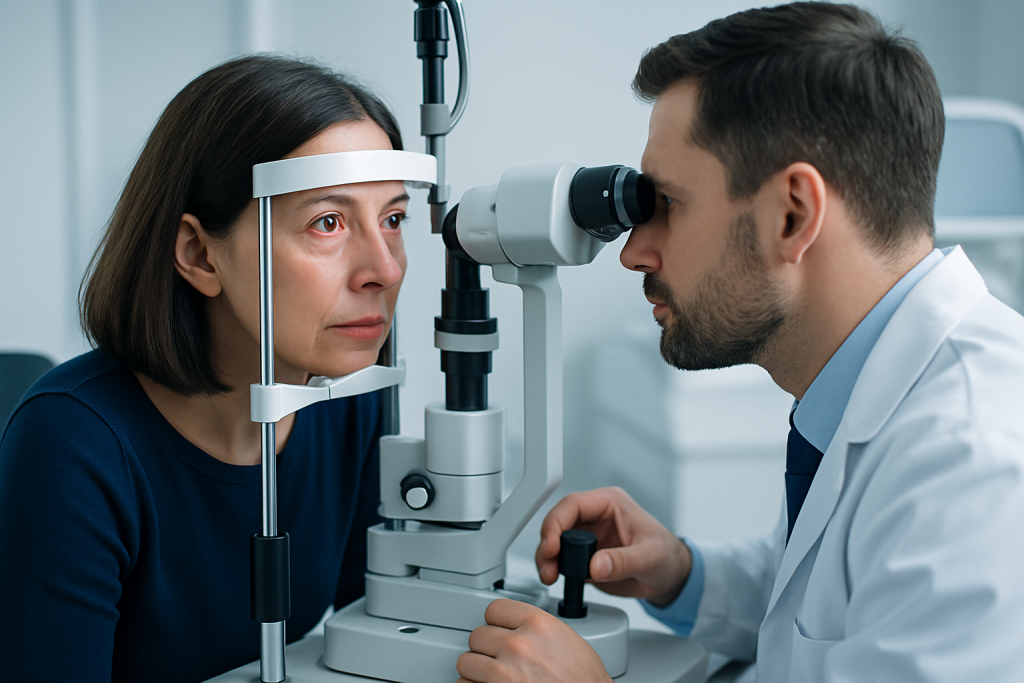
“Eye inside reddish” may look different from one person to another. Some people notice a faint pink color, while others see a brighter red patch, swelling, or a ring of redness around the cornea. The surrounding symptoms often provide the most useful clues.
Common accompanying features include dryness, burning, itching, tearing, a foreign-body sensation, mild crusting on waking, or sensitivity after wearing contact lenses. If the redness is linked to infection or inflammation, there may also be discharge, pain, blurred vision, or light sensitivity.
It helps to pay attention to whether the redness is:
- In one eye or both eyes
- Constant or intermittent
- Associated with pain, discharge, or vision changes
- Worse after screen use, dust exposure, swimming, or contact lens wear
These details are not only useful for the doctor; they also help the patient judge how urgent the situation may be while arranging care.
Causes & Risk Factors

The most common causes are surface-related. Dry eye can make the eyes look red and feel tired or sandy, especially in air-conditioned rooms, on long flights, or after hours of digital screen use. Allergies may cause redness along with itching and watery eyes, often affecting both eyes.
Infectious causes are also common. Viral conjunctivitis can spread easily and may produce watery discharge, while bacterial conjunctivitis is more likely to create thicker discharge and eyelid stickiness. A corneal abrasion, often from rubbing the eye, contact lens wear, or a small foreign body, can make the eye red and painful.
Some causes are deeper and more serious. Uveitis, scleritis, acute glaucoma, or a corneal infection may start with redness but usually bring pain, light sensitivity, reduced vision, or headache. These conditions need prompt specialist assessment.
Risk factors include contact lens use, eye rubbing, exposure to smoke or dust, allergy history, recent eye surgery, autoimmune disease, and travel-related fatigue or dehydration. People who work long hours on screens or in dry environments may also develop recurrent redness from eye strain and tear film instability.
Diagnosis
An eye doctor usually begins with a careful history: when the redness started, whether it affects one eye, whether there has been injury, and whether the patient wears contact lenses. Even small details—such as recent swimming, a cold, exposure to chemicals, or a foreign body sensation—can be meaningful.
The examination may include checking visual acuity, inspecting the eyelids and eye surface, and using a slit-lamp microscope to look closely at the cornea and conjunctiva. The doctor may apply drops to highlight scratches or ulcers and may measure eye pressure if glaucoma is a concern.
In some cases, additional testing is needed, especially if inflammation, infection, or autoimmune disease is suspected. For a patient traveling internationally, bringing previous prescriptions, a list of medications, and any recent eye records can shorten the path to a confident diagnosis and reduce repeat testing.
Treatment Options
Treatment depends entirely on the cause. Mild dryness or irritation may improve with preservative-free lubricating drops, better hydration, and reducing exposure to triggers such as smoke, dust, or prolonged screen time. Allergic redness is often managed by limiting exposure and using doctor-recommended allergy drops.
If infection is present, treatment may include prescription eye drops or ointments chosen according to the likely cause. Contact lens wear usually needs to pause until the eye is fully healed, because continuing to wear lenses can worsen irritation or delay recovery. When redness is related to deeper inflammation, such as uveitis, the treatment plan may involve anti-inflammatory drops and closer follow-up.
It is important not to self-treat persistent redness with leftover antibiotic drops, steroid drops, or decongestant “get-the-red-out” products unless a doctor has advised them. Some products can mask symptoms, delay the correct diagnosis, or make certain eye problems worse.
If the redness follows a foreign body, chemical exposure, or trauma, the eye should be assessed promptly. The exact treatment may range from rinsing and protective measures to specialist procedures, depending on what is found.
Prevention & Self-care
Not every red eye can be prevented, but many episodes can be reduced with simple habits. Frequent blinking during screen use, regular breaks, and a more humid environment can help the tear film stay stable. People who travel often may also benefit from carrying lubricating drops and avoiding direct airflow from plane vents or car air-conditioning.
Contact lens users should follow lens hygiene closely, including proper cleaning, storage, and replacement schedules. Lenses should never be worn longer than recommended, and they should be removed promptly if redness, pain, or discharge appears.
Practical self-care can include:
- Using cool compresses for itchiness or mild swelling
- Avoiding eye rubbing
- Washing hands before touching the eyes
- Staying hydrated, especially during travel
- Using sunglasses outdoors for light sensitivity
Patients who are far from home can help themselves by taking a photo of the eye under good light, noting symptom timing, and keeping all used products and contact lens packaging. These small details can be very helpful during an appointment abroad or after return home.
When to See a Doctor
Medical evaluation is advisable if redness lasts more than a short time, keeps returning, or does not improve with simple measures. It is especially important to seek care if the redness is only in one eye and comes with pain, blurred vision, light sensitivity, swelling, or discharge.
Urgent assessment is recommended after an eye injury, chemical exposure, contact lens-related pain, or sudden vision change. A painful red eye should never be assumed to be “just irritation,” because several treatable conditions can look similar at first.
If the patient is traveling, the decision to seek care should be guided by symptoms rather than convenience. When an eye problem is potentially urgent, it is better to be examined before a flight or long journey. Acibadem Health Point’s multidisciplinary specialists and JCI-accredited hospitals diagnose and treat eye conditions for international patients who need coordinated care.
Even when the cause turns out to be minor, a proper diagnosis helps prevent unnecessary treatment and provides a clear recovery plan. That is especially valuable when follow-up needs to happen across countries or time zones.
Living With Recurring Eye Redness
Some people experience repeated episodes of redness because of dry eye, allergies, blepharitis, or environmental exposure. In these situations, the goal is not only to calm the current episode but to identify the pattern that keeps bringing it back.
Keeping a simple symptom record can be surprisingly useful: time of day, screen exposure, contact lens use, weather, travel, and whether the eye felt itchy, dry, or painful. Over time, these notes may reveal a clear trigger that can be managed more effectively.
For recurring symptoms, the patient may need a follow-up visit even if the eye looks better for a few days. A stable plan is often more helpful than repeated short-term self-treatment, especially when the person spends long periods abroad or moves between climates with very different humidity and air quality.
Frequently asked questions
What does it mean when the eye looks reddish inside?
It usually means the blood vessels on the eye surface are enlarged or inflamed. Common causes include dry eye, allergies, conjunctivitis, irritation, or a scratch on the eye, but a doctor may need to examine it to tell the difference.
Is one red eye more concerning than both red eyes?
One red eye can sometimes suggest a local problem such as injury, infection, or inflammation. Both eyes being red is more common with allergies or irritation, but the pattern alone does not confirm the cause.
Can screen time make the eye look red?
Yes. Long screen use can reduce blinking and worsen dryness, which may make the eye appear red and feel tired or gritty. Breaks, blinking, and lubricating drops may help, but persistent redness should still be assessed.
Should contact lens wearers be more cautious?
Yes, because contact lenses can increase the risk of corneal irritation and infection. If a contact lens wearer develops redness, pain, or discharge, lenses should be removed and an eye doctor contacted promptly.
Can I use redness-relief eye drops?
They may temporarily shrink visible blood vessels, but they do not treat the underlying cause and can sometimes cause rebound redness. It is safer to ask a doctor which drops are appropriate, especially if symptoms are ongoing.
When is a red eye an emergency?
Seek urgent care if redness comes with severe pain, sudden blurred vision, light sensitivity, injury, chemical exposure, or nausea and headache. These symptoms can point to a condition that needs prompt treatment.
References
- American Academy of Ophthalmology
- National Eye Institute
- Mayo Clinic
- NHS
This article is for general information only and is not a substitute for professional medical advice. Please consult a qualified doctor about your individual situation.
Explore treatments in Turkey — costs, top hospitals & a free quote
JCI-accredited · board-certified surgeons · reply within 24h
Add us as a Preferred Source to see more of our trusted health content across Google Search, AI Overviews and Discover.