Photodynamic Therapy

Key Takeaways
- PDT combines a light-sensitive medicine with a specific light source to treat targeted tissue.
- It is commonly used for sun-damaged skin changes, some superficial skin cancers, and certain other conditions.
- Temporary redness, swelling, stinging, or light sensitivity can happen after treatment.
- Careful aftercare and sun protection are important parts of recovery.
- A doctor can explain whether PDT is appropriate based on the location, depth, and type of condition.
Medically reviewed by the Acıbadem clinical team — August 19, 2026
PDT, or photodynamic therapy, is a treatment that uses a light-activated medicine to target abnormal cells or skin changes in a precise way. It is used in dermatology and some other specialties, and patients often choose it because it can be effective while preserving healthy tissue around the treatment area.
Overview
PDT usually stands for photodynamic therapy, a treatment that brings together three parts: a light-sensitive medicine, the target tissue, and a carefully chosen light source. When the medicine is activated by light, it helps destroy abnormal cells or reduce unwanted tissue while limiting injury to nearby healthy areas.
In everyday practice, PDT is most familiar in dermatology, where it may be used for actinic keratoses, some superficial skin cancers, and selected signs of sun damage. It is also used in other specialties, including eye care and, in some settings, to treat certain precancerous or cancerous conditions. The exact approach depends on the diagnosis, where the problem is located, and how deeply it reaches.
For international patients, PDT is often considered because it can fit into a focused treatment plan with a relatively short procedure time and follow-up that may be organized across travel dates. A specialist team can help determine whether this treatment is practical and appropriate before any trip is planned.
Symptoms and Conditions PDT May Address
PDT is not a symptom itself; it is a treatment used for certain conditions. In skin care, people may be referred for PDT when they have rough, scaly patches from long-term sun exposure, called actinic keratoses, or when a clinician suspects an early superficial skin cancer that may respond well to a targeted approach.
Some patients seek PDT because the problem is in a visible area such as the face, scalp, or hands, where preserving appearance matters. In those situations, doctors may discuss whether PDT offers a good balance between treatment effect and cosmetic outcome.
Depending on the body area and the specialty involved, symptoms or findings that prompt evaluation can include:
- Persistent rough or scaly skin patches
- Areas that bleed, crust, or do not heal normally
- Sun-damaged skin with multiple precancerous spots
- Selected eye or mucosal conditions managed by specialists
A careful diagnosis is important because not every lesion is suitable for PDT, and some conditions require a different type of treatment altogether.
Causes and Risk Factors

The conditions treated with PDT usually arise from abnormal cell growth, chronic sun damage, or other localized tissue changes. In skin disease, years of ultraviolet exposure are a major reason actinic keratoses develop, and the risk is often higher in people with fair skin, a history of intense sun exposure, or a weakened immune system.
PDT may be considered when the abnormal tissue is close to the surface and can be reached by the activated medicine and light. That is one reason depth matters: a lesion that extends too deeply may not respond well to this approach.
Other factors that can shape treatment planning include:
- The size and number of lesions
- The body location involved
- Previous treatments and whether they worked
- Sensitivity to light or certain medicines
- The patient’s overall health and ability to follow aftercare instructions
When patients are traveling for care, clinicians also consider how easy it will be to protect the treated area from light exposure and whether follow-up can be arranged safely after returning home.
Diagnosis and Treatment Planning
Before PDT, a doctor confirms the diagnosis and checks whether the target is suitable for this therapy. This may involve a skin examination, review of the medical history, and sometimes a biopsy if the appearance of the lesion is uncertain.
The planning visit usually covers how the treatment works, what the patient may feel during the session, and what recovery looks like afterward. The specialist may also explain whether one session is enough or whether more than one treatment is likely to be needed.
For a patient coming from another country, good planning can make the experience much smoother. The team may discuss timing, the expected length of stay, travel considerations, and the practical steps needed after treatment, such as avoiding strong light and arranging a local follow-up if needed.
Treatment Options
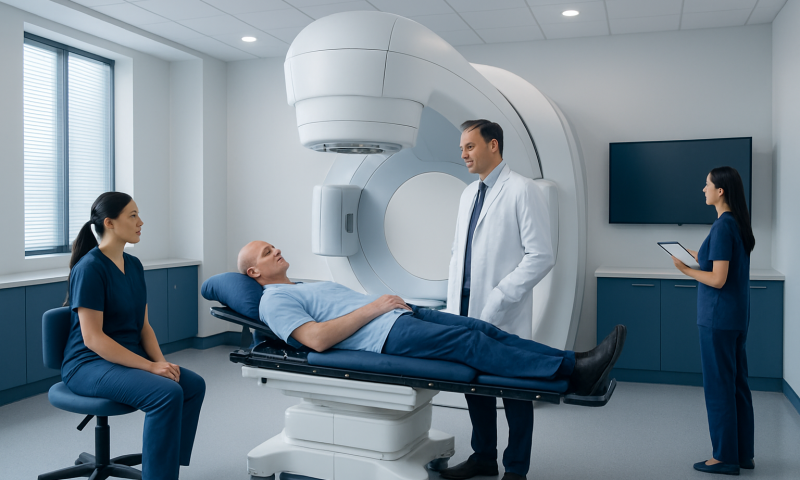
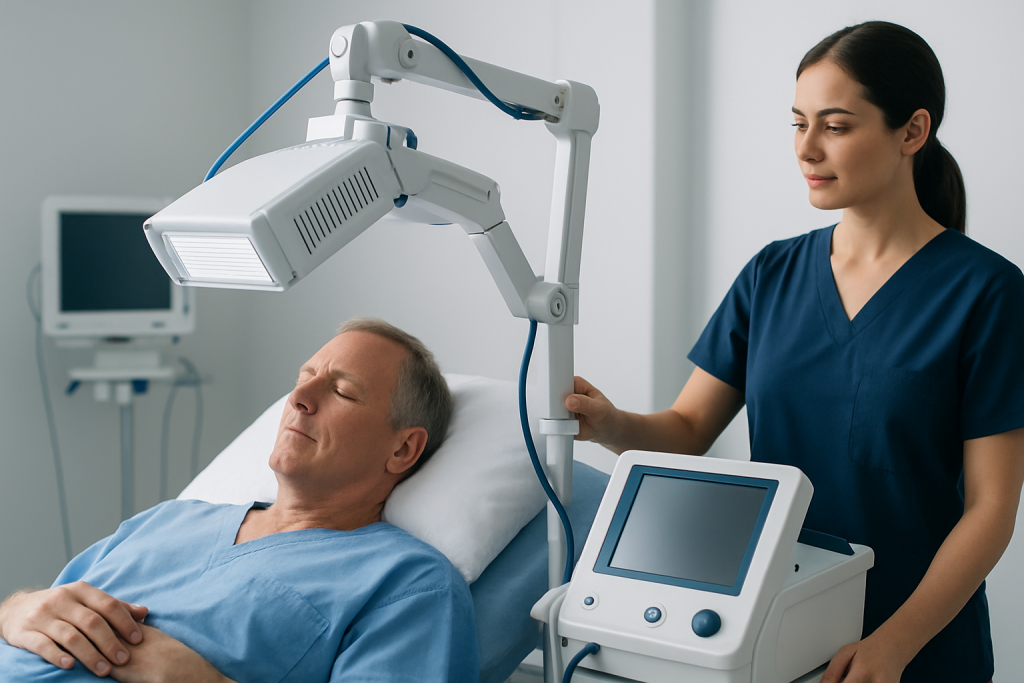
In a typical PDT session, the clinician applies or administers a light-sensitive medicine to the treatment area and allows time for it to be absorbed. After that, a specific light source is used to activate the medicine. The process is designed to target the abnormal tissue more precisely than many broader treatments.
Patients may feel warmth, tingling, stinging, or burning during the light exposure, and the area can be more sensitive for a period afterward. The experience varies by body site, the amount of tissue treated, and the specific protocol used by the clinic.
PDT may be one option among several, and the most suitable choice depends on the condition being treated. Other possibilities can include watchful monitoring, topical medicines, cryotherapy, surgery, laser-based procedures, or different specialist treatments. A doctor may recommend PDT when it offers the best balance of effectiveness, healing, and tissue preservation.
After treatment, the skin or treated area usually needs protection from sunlight or bright indoor light for a period of time, as instructed by the medical team. This is one of the most important parts of the treatment plan because the activated medicine can remain light-sensitive for a while.
Prevention and Self-care
Self-care after PDT is straightforward, but it matters. The treated area should be protected from the level of light and sunlight recommended by the clinician, and patients should follow every instruction given for washing, moisturizing, dressing changes, or use of prescribed creams.
If the skin becomes red, tender, or mildly swollen, this is often part of the expected healing process. Cool compresses, gentle cleansing, and avoiding scratching or picking can help the area recover more comfortably, as long as these steps match the doctor’s advice.
To reduce the chance of future sun-related damage, patients are usually encouraged to build strong sun habits into daily life:
- Use broad-spectrum sunscreen as advised
- Wear protective clothing, hats, and sunglasses
- Avoid direct midday sun when possible
- Do not use tanning beds
- Keep scheduled skin checks, especially if there is a history of sun damage
International patients may want to ask the treating team for a written aftercare plan before leaving, including what is normal, what is not, and who to contact if questions arise after travel.
When to See a Doctor
Medical review is important before PDT if a spot is growing, changing, bleeding, painful, or not healing, or if there is uncertainty about what the lesion is. These signs do not automatically mean something serious, but they do deserve professional assessment.
After treatment, patients should contact a doctor if they develop worsening pain, spreading redness, pus, fever, or an unexpected skin reaction that does not begin to settle as advised. If eye-related PDT or another specialty form of treatment was used, any new visual change should be reported promptly.
People who are considering care from abroad should also speak with a doctor in advance if they have a history of light sensitivity, take medicines that may increase sun reactions, or need help coordinating follow-up after returning home. Acibadem Health Point’s multidisciplinary specialists and JCI-accredited hospitals diagnose and treat this condition for international patients as part of coordinated specialist care.
Frequently asked questions
What does PDT stand for?
PDT stands for photodynamic therapy. It is a treatment that uses a light-sensitive medicine and a specific light source to target abnormal tissue. Doctors use it in several specialties, especially dermatology.
Is PDT painful?
Many patients describe the treatment as uncomfortable rather than severely painful, with sensations such as stinging, warmth, or burning during light exposure. The level of discomfort depends on the area treated and the protocol used. The team can explain what to expect and how discomfort is usually managed.
What conditions are commonly treated with PDT?
In dermatology, PDT is commonly used for actinic keratoses and some superficial skin cancers, and it may also help with selected sun-damaged areas. Other specialties use PDT for different conditions, so the exact indication depends on the body site and diagnosis.
How long does recovery take after PDT?
Recovery varies, but redness, tenderness, and light sensitivity can last for days and sometimes longer depending on the treated area. A doctor will usually provide aftercare instructions and explain when normal activities can resume. Protecting the area from light during recovery is important.
Can PDT replace surgery?
Sometimes PDT may be an alternative to surgery, especially for lesions that are superficial and well suited to this treatment. In other cases, surgery or another method may be more appropriate. The best choice depends on the diagnosis, depth, size, and location of the problem.
Do patients need special follow-up after PDT?
Yes, follow-up helps confirm that the treated area is healing as expected and that the condition has responded. Some patients need more than one session or a different treatment if the area does not improve enough. International patients should ask for a clear follow-up plan before traveling home.
References
- American Academy of Dermatology
- National Cancer Institute
- Mayo Clinic
- British Association of Dermatologists
- American Society for Dermatologic Surgery
This article is for general information only and is not a substitute for professional medical advice. Please consult a qualified doctor about your individual situation.
Explore treatments in Turkey — costs, top hospitals & a free quote
JCI-accredited · board-certified surgeons · reply within 24h
Add us as a Preferred Source to see more of our trusted health content across Google Search, AI Overviews and Discover.