Ewing Sarcoma: Symptoms, Causes and Treatment
Key Takeaways
- Ewing sarcoma is a rare malignant tumor that commonly affects bones, but it can also begin in soft tissue.
- Symptoms may include pain, swelling, limp, reduced movement, fever, or fatigue, and they can be mistaken for less serious problems.
- Diagnosis usually relies on imaging, biopsy, and laboratory testing to confirm the tumor type and plan treatment.
- Treatment often combines chemotherapy, surgery, and sometimes radiation therapy, depending on where the tumor is located and whether it has spread.
- Recovery is best supported by coordinated care, rehabilitation, and follow-up visits that monitor healing and recurrence.
Medically reviewed by the Acıbadem clinical team — August 19, 2026
Ewing sarcoma is a rare cancer that usually develops in the bones or nearby soft tissues, most often in children, teenagers, and young adults. Early assessment matters because its symptoms can resemble sports injuries or inflammation, so persistent pain or swelling should be evaluated by a doctor.
Overview
Ewing sarcoma is a rare cancer that most often starts in bone, although it can also arise in the soft tissues around bone. It is part of a group of tumors called sarcomas, which develop from connective tissues. The condition is seen most often in children, teenagers, and young adults, but it can occur at other ages as well.
Because it usually begins in the long bones of the legs or arms, the pelvis, chest wall, or spine, Ewing sarcoma may first feel like an injury that is slow to settle. A person may notice pain that lingers, swelling, or a change in the way a limb moves or bears weight. That overlap with everyday aches is one reason it is important not to ignore symptoms that keep returning or gradually worsen.
For international patients, the path to care may involve several steps: deciding when the pain is no longer routine, obtaining imaging and biopsy in a specialized center, and then organizing treatment across surgery, chemotherapy, and rehabilitation. A team experienced in sarcoma care can help make those steps clearer and more coordinated.
Symptoms
The earliest sign is often pain in or near the affected bone. At first, the discomfort may come and go, then become more constant, especially at night or during activity. Swelling, tenderness, or a lump may appear as the tumor grows.
When Ewing sarcoma affects a leg or pelvis, a person may limp, avoid using the limb normally, or feel stiffness. If the chest wall or ribs are involved, breathing discomfort or chest pain may develop. Tumors near the spine can sometimes lead to back pain, weakness, or nerve-related symptoms that deserve prompt assessment.
General symptoms can also appear, such as fever, tiredness, weight loss, or a feeling of being unwell. These signs are not specific to Ewing sarcoma, but when they appear with persistent bone pain or swelling, they should be taken seriously.
- Persistent bone pain, especially at night
- Swelling or a growing lump
- Limping or reduced movement
- Unexplained fever or fatigue
- Pain that does not improve as expected after rest
Causes & Risk Factors
The exact cause of Ewing sarcoma is not fully understood. In many cases, the tumor develops because of a genetic change inside the cancer cells rather than being inherited from a parent. These changes usually happen after birth and are not linked to anything a patient did or did not do.
Unlike some cancers, Ewing sarcoma is not strongly associated with lifestyle choices. There is no known way to prevent it by diet, exercise, or avoiding a single exposure. Researchers have found that certain chromosome changes are characteristic of the disease, and these findings help specialists confirm the diagnosis and distinguish it from other tumors.
Known risk factors are limited. The disease is most commonly diagnosed in children, adolescents, and young adults, and it appears more often in some populations than others. However, most people with a risk factor will never develop Ewing sarcoma, and many patients have no obvious risk factor at all.
Diagnosis
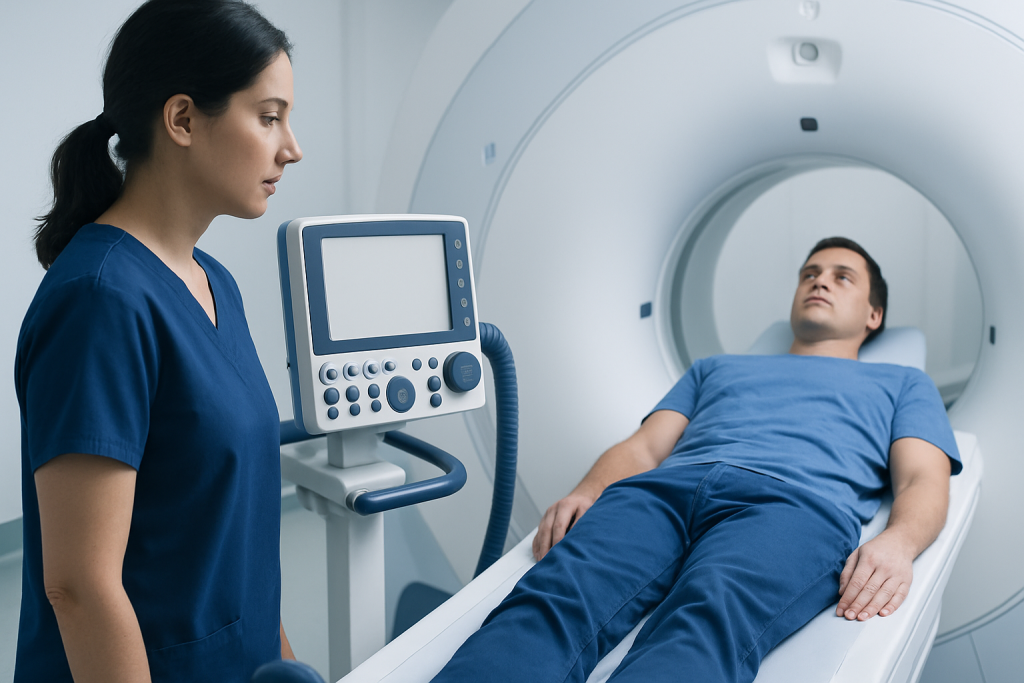
Diagnosis begins with a careful history and physical examination, followed by imaging studies. X-rays may show a suspicious bone lesion, while MRI is often used to define the size of the tumor and how far it extends into nearby tissues. CT scans, bone scans, or PET scans may be added to look for spread to other areas.
A biopsy is essential for confirmation. In this procedure, a sample of the tumor is taken and examined by pathology experts. The tissue can then be tested for the specific genetic changes that support the diagnosis of Ewing sarcoma and help rule out other cancers or infections that may look similar on imaging.
Doctors may also recommend blood tests and additional evaluations to check overall health before treatment starts. When care is being planned from another country, it helps to have records, scans, and pathology slides reviewed by a sarcoma team so the treatment pathway can be organized efficiently.
Treatment Options
Treatment is usually planned by a multidisciplinary team and commonly includes chemotherapy, surgery, and sometimes radiation therapy. Chemotherapy is often given first to shrink the tumor and treat cancer cells that may have traveled beyond the original site. This approach can make local treatment more effective.
Surgery is used when the tumor can be removed safely while preserving function as much as possible. In some cases, radiation therapy may be recommended instead of surgery, or in addition to it, especially when the tumor is difficult to remove completely or is in a location where surgery would be very complex. The exact plan depends on the tumor size, location, and whether it has spread.
Treatment may continue over many months, and recovery often includes physical therapy, pain management, nutritional support, and regular scans. For patients traveling internationally, coordination matters: timing treatment cycles, arranging follow-up visits, and planning rehabilitation can all affect the smoothness of care.
At Acibadem Health Point, multidisciplinary specialists and JCI-accredited hospitals diagnose and treat Ewing sarcoma for international patients in a coordinated setting.
Prevention & Self-care
There is no proven way to prevent Ewing sarcoma because its cause is usually a spontaneous genetic change within the tumor cells. For that reason, the most helpful form of “prevention” is early evaluation of symptoms that do not fit the pattern of a simple strain or bruise.
During treatment, self-care focuses on supporting the body through therapy and helping the patient stay as comfortable and active as possible within medical advice. Rest, gentle movement when approved, good nutrition, hydration, and attention to infection precautions are all important, especially during chemotherapy. Families and caregivers can also help by keeping appointments, tracking symptoms, and sharing new concerns promptly.
After treatment, follow-up care remains important because specialists need to monitor healing, bone strength, function, and any signs of recurrence. Emotional support can also be valuable, particularly for younger patients balancing school, sports, work, and travel-related disruption.
When to See a Doctor
A doctor should be consulted if bone pain lasts for several weeks, keeps returning, or becomes worse despite rest or simple measures. New swelling, a lump, limping, reduced movement, or pain that wakes a person at night also deserves evaluation.
Urgent medical attention is appropriate if there is severe pain, weakness, numbness, trouble breathing, or a sudden inability to use the affected limb. These symptoms do not always mean cancer, but they can signal a problem that needs prompt care.
For patients who are already diagnosed, the care team should be contacted if fever develops during treatment, if side effects become difficult to manage, or if any new symptom appears between visits. Early communication helps the team adjust treatment and support recovery safely.
Living With Ewing Sarcoma
Living with Ewing sarcoma often means managing both the disease and the practical realities of treatment. People may need to balance school or work interruption, transportation, temporary lodging, and rehabilitation. Clear written plans can be especially helpful when care is being delivered away from home.
Function and independence matter throughout the process, not only after treatment ends. Physiotherapy, occupational support, and gradual return to normal activity can help a patient regain confidence and mobility. Open conversations with the care team about pain, fatigue, sleep, and emotional stress can also improve the overall experience.
Families often find it useful to keep a single folder of scan reports, pathology results, medication lists, and follow-up instructions. That simple step can make cross-border care smoother and reduce the chance that important details are missed between appointments.
Frequently asked questions
Is Ewing sarcoma the same as bone cancer?
Ewing sarcoma is a type of cancer that often begins in bone, but it can also start in soft tissue. Because of that, it is sometimes described as a bone tumor and sometimes as a soft tissue sarcoma. A specialist uses imaging and biopsy results to determine the exact diagnosis.
What age group is most often affected by Ewing sarcoma?
It is most commonly diagnosed in children, teenagers, and young adults. That said, it can occur in older adults as well. Age alone is not enough to confirm or rule out the disease.
Can Ewing sarcoma be cured?
Some patients are treated successfully, especially when the disease is found before it has spread and when treatment can be completed as planned. Outcomes depend on many factors, including the tumor location and response to therapy. A sarcoma specialist can explain the likely treatment goals in each case.
Does Ewing sarcoma always cause a lump?
No. Some people first notice pain without a clear lump, especially early on. Swelling or a mass may appear later as the tumor grows, which is why ongoing pain should still be checked.
Why is a biopsy necessary after imaging?
Imaging can show that a bone or soft tissue lesion is suspicious, but it cannot always tell exactly what type of tumor it is. A biopsy allows doctors to examine the cells directly and confirm the diagnosis. That result guides the treatment plan.
What happens after treatment ends?
Follow-up visits usually include physical exams and imaging to monitor recovery and look for recurrence. Rehabilitation may continue so the patient can regain strength and movement. Ongoing care also helps address late effects of treatment and supports a safe return to daily life.
References
- National Cancer Institute
- American Cancer Society
- Mayo Clinic
- National Comprehensive Cancer Network
- World Health Organization
This article is for general information only and is not a substitute for professional medical advice. Please consult a qualified doctor about your individual situation.
Joint and spine care in Turkey — expert assessment & treatment
JCI-accredited · board-certified surgeons · reply within 24h
Add us as a Preferred Source to see more of our trusted health content across Google Search, AI Overviews and Discover.