

Pemf Therapy
Key Takeaways
- PEMF therapy is a non-invasive treatment that uses pulsed electromagnetic fields.
- It may be considered alongside rehabilitation for certain pain, bone, and soft-tissue conditions.
- Evidence varies by condition, so it is best used as part of a broader medical plan.
- A doctor should review implants, pregnancy, seizure history, and other safety concerns before treatment.
- Results are usually assessed over time rather than after one session.
PEMF therapy, or pulsed electromagnetic field therapy, uses low-frequency electromagnetic fields in a non-invasive way and is sometimes included in rehabilitation and pain-management plans. This article explains how it is used, who may be considered for it, and what patients should know before starting treatment.
Overview
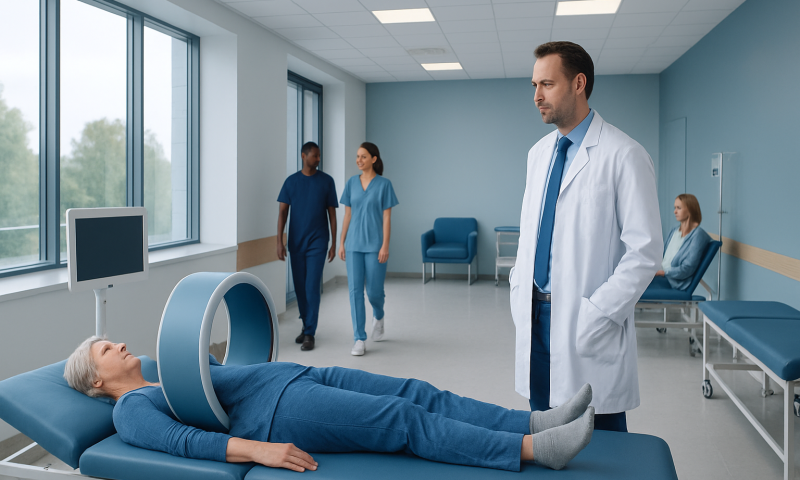
PEMF therapy stands for pulsed electromagnetic field therapy. It is a non-invasive treatment that delivers low-frequency electromagnetic pulses to the body through a device placed near the skin or around the affected area. In rehabilitation settings, it is usually considered one part of a wider care plan rather than a stand-alone solution.
People often ask about PEMF therapy when they are looking for options that do not involve surgery or medication-heavy approaches. A clinician may discuss it for pain, delayed healing, or certain musculoskeletal concerns, depending on the diagnosis and the person’s overall health history. The exact role it plays can differ a great deal from one condition to another.
Because PEMF therapy is not the same as a cure-all, it helps to view it with a practical lens. The question is not whether it can “fix everything,” but whether it may support comfort, recovery, or function in a specific situation. That is why a careful medical assessment matters before any decision is made.
Symptoms and conditions it may be used for
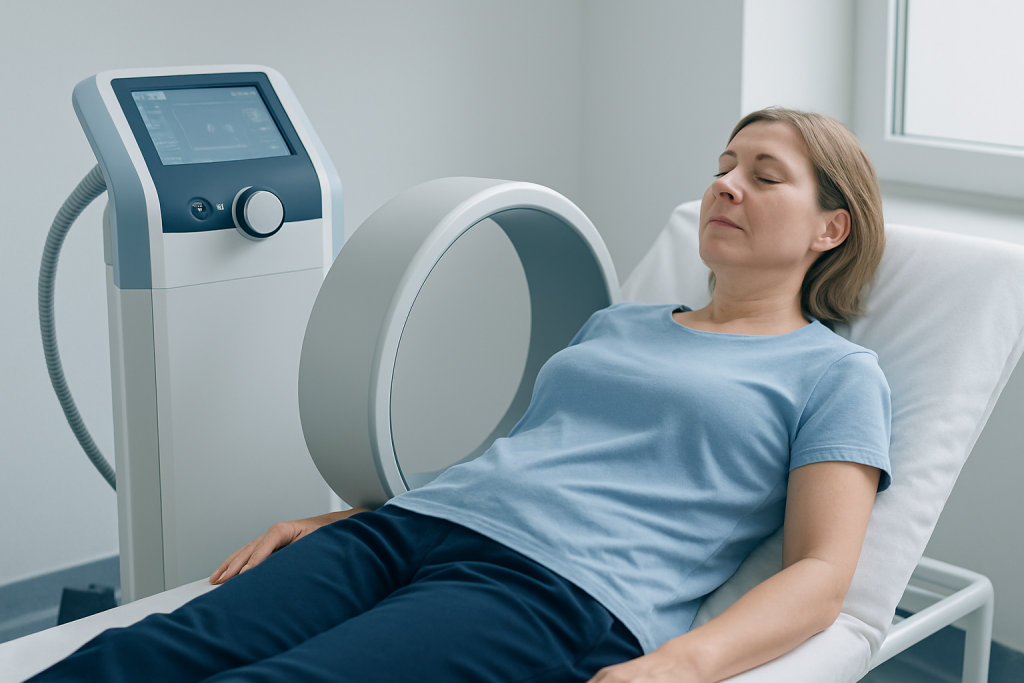
PEMF therapy is not a symptom by itself; it is a treatment that may be considered when a person has ongoing pain, stiffness, slow recovery, or reduced mobility. In rehabilitation practice, it is sometimes used for discomfort related to muscles, joints, or bones, especially when the goal is to support healing and improve day-to-day movement.
Depending on the situation, a clinician may discuss PEMF therapy for conditions such as bone healing concerns, osteoarthritis-related pain, tendon or soft-tissue irritation, or recovery after an injury. It is also sometimes explored for persistent low back pain or other chronic musculoskeletal complaints, although the strength of evidence varies by condition.
- Ongoing joint pain or stiffness
- Recovery after an orthopedic injury
- Slow-healing bone conditions
- Some chronic pain syndromes
- Rehabilitation after strain or overuse
What matters most is the underlying diagnosis. A treatment that is reasonable for one person may not be suitable for another, even when their symptoms sound similar. For international patients, this is especially important because any therapy plan should be based on imaging, examination, and a clear follow-up strategy before travel or during a stay abroad.
Causes and risk factors

Since PEMF therapy is a treatment rather than a disease, the relevant question is why someone might be offered it. The usual reasons involve a condition in which tissues are healing slowly, pain has persisted longer than expected, or standard rehabilitation alone has not produced enough improvement.
Risk factors for needing this kind of support often overlap with common musculoskeletal issues. These may include older age, reduced bone density, repetitive strain, a recent injury, surgery, or long-standing joint degeneration. In some cases, limited movement or prolonged immobilization can also make recovery slower and may prompt a clinician to consider additional rehabilitation tools.
Safety screening is just as important as symptom review. PEMF therapy may not be appropriate for people with certain implanted electronic devices, and clinicians usually ask about pregnancy, seizure disorders, active cancer treatment plans, and metal implants or surgical hardware. A thoughtful pre-treatment review helps ensure the therapy is used responsibly and in the right setting.
Diagnosis and treatment planning
There is no diagnostic test for PEMF therapy itself. Instead, a doctor or rehabilitation specialist first identifies the condition causing the symptoms and then decides whether PEMF could be a useful addition. This usually begins with a medical history, physical examination, and, when needed, imaging or other tests.
Treatment planning is usually individualized. A specialist may consider the exact diagnosis, how long the problem has been present, the person’s pain level, mobility, previous treatments, and any medical devices or health conditions that could affect safety. For some patients, PEMF may be paired with exercise therapy, manual therapy, bracing, pain management, or post-surgical rehabilitation.
For patients coming from another country, planning is even more practical when timing and follow-up are mapped out early. The care team should explain how many sessions may be recommended, whether the treatment can be continued after returning home, and what signs would mean the plan needs to change. Clear expectations reduce confusion and help the patient stay engaged in recovery.
Treatment options
PEMF therapy is typically delivered with a device that creates controlled pulsed electromagnetic fields. The device may be placed on or near the body part being treated, and the person usually remains awake and comfortable during the session. The procedure is generally described as non-invasive and does not require anesthesia.
The therapy schedule can vary. Some plans involve short sessions repeated over days or weeks, while others are fitted around physical therapy visits or recovery milestones. In many rehabilitation programs, PEMF is used alongside movement-based treatment rather than replacing it, because restoring strength, flexibility, and function is often a major part of recovery.
Common treatment settings may include:
- Outpatient rehabilitation clinics
- Orthopedic recovery programs
- Pain-management pathways
- Post-operative support plans
It is important to keep expectations realistic. Some people notice changes in comfort or mobility over time, while others may not benefit enough to continue. The treating clinician should evaluate progress and adjust the plan if improvement is not occurring. That kind of reassessment is especially useful when care is being organized around travel, limited time abroad, or the need for coordinated follow-up at home.
Prevention and self-care
PEMF therapy itself is not something a person usually “prevents,” but many of the problems that lead to considering it can be reduced or managed with healthy habits. Protecting bones and joints, respecting recovery time, and addressing pain early may lessen the need for prolonged treatment later on.
Self-care often works best when it is simple and consistent. Following the prescribed exercise plan, using supportive footwear when appropriate, pacing activity rather than overdoing it, and keeping regular appointments can make rehabilitation more effective. If a clinician has recommended avoiding certain devices or activities, those instructions should be followed carefully.
Helpful self-care habits may include:
- Staying active within safe limits
- Using posture and lifting techniques taught in therapy
- Maintaining good sleep and hydration
- Managing weight when joint load is a concern
- Reporting new symptoms instead of pushing through them
Patients who travel for medical care should also plan for recovery logistics. That may mean arranging transport after sessions, bringing a medication and treatment list, and confirming whether any devices or follow-up visits will be needed after returning home. Good planning supports both comfort and continuity of care.
When to see a doctor
A doctor should evaluate persistent pain, swelling, weakness, or reduced movement before PEMF therapy is considered. A clear diagnosis helps ensure the treatment is appropriate and that more urgent causes are not missed. This is especially true if symptoms followed an injury, surgery, or a sudden change in function.
Medical advice is also important before treatment if the person has an implanted pacemaker or similar device, is pregnant, has a seizure disorder, or is receiving care for cancer. These situations do not automatically mean PEMF can never be used, but they do require a qualified clinician to review the risks and alternatives carefully.
Anyone should seek prompt medical assessment if pain is severe, symptoms are rapidly worsening, there is numbness or weakness, or there are signs of infection or a serious injury. For international patients, a pre-travel consultation can help determine whether PEMF is appropriate, what documents to bring, and how follow-up should be handled once the person returns home. Acibadem Health Point’s multidisciplinary specialists and JCI-accredited hospitals can help diagnose and treat this condition for international patients in a coordinated way.
What patients can expect during recovery
Recovery goals depend on the condition being treated, not just on the therapy itself. PEMF is often one of several tools used to help a person move more comfortably, participate more fully in rehabilitation, or support healing over time. The care team may ask the patient to track pain, function, sleep, or activity tolerance so progress can be discussed in a meaningful way.
It is common for a treatment response to be gradual. Some patients may feel improvement in day-to-day activities before they notice a dramatic change in pain, while others may need a longer course of therapy before any difference becomes clear. If symptoms do not improve as expected, the clinician may revisit the diagnosis or suggest a different rehabilitation strategy.
When recovery happens across borders, documentation matters. Patients benefit from receiving a clear summary of the treatment received, any precautions, and the next steps for rehabilitation. That makes it easier for a local physician or physical therapist to continue care without interruption.
Frequently asked questions
What is PEMF therapy used for?
PEMF therapy is sometimes used in rehabilitation and pain-management plans to support healing and comfort. It may be considered for certain bone, joint, muscle, or soft-tissue problems, depending on the diagnosis. A clinician decides whether it fits the person’s situation and treatment goals.
Is PEMF therapy painful?
PEMF therapy is generally described as non-invasive and comfortable. Most people do not feel pain during a session, though the experience can vary by device and treatment area. If a person feels discomfort, the care team should be informed.
How long does it take to work?
There is no single timeline, because the response depends on the condition being treated and the overall care plan. Some people notice changes gradually over several sessions, while others may need a longer period before benefits are clear. A specialist should review progress regularly.
Are there side effects?
PEMF therapy is usually well tolerated, but suitability still needs to be checked carefully. The main concern is not side effects in the usual sense, but whether it is appropriate for someone with an implant, pregnancy, seizure history, or another condition that requires caution. A doctor should review these issues beforehand.
Can PEMF therapy replace physical therapy or medication?
Usually not. PEMF therapy is often used as a supportive treatment alongside exercise-based rehabilitation, pain management, or other medical care. The best plan depends on the underlying condition and the person’s recovery goals.
Who should avoid PEMF therapy?
People with certain implanted electronic devices often need special caution, and the therapy may not be suitable in some pregnancy, seizure, or cancer-related situations. Anyone considering PEMF should first have a qualified doctor review their health history and current treatment plan. This helps keep the decision safe and individualized.
References
- World Health Organization
- National Center for Complementary and Integrative Health
- U.S. Food and Drug Administration
- Mayo Clinic
- American Academy of Orthopaedic Surgeons
This article is for general information only and is not a substitute for professional medical advice. Please consult a qualified doctor about your individual situation.
More from the Health Library



Related Specialists

Dr. Safiye Sayilir
Physical Medicine & Rehabilitation
Dr. Özgün Barış Çolak
Physical Medicine & Rehabilitation
Prof. Dr. Meltem Vural
Physical Medicine & Rehabilitation
Prof. Dr. Meral Bayramoğlu
Physical Medicine & Rehabilitation