Paresthesia: Symptoms, Causes and Treatment

Key Takeaways
- Paresthesia describes unusual sensations such as tingling, numbness, burning, or prickling, not a disease by itself.
- Short-lived paresthesia is often linked to pressure on a nerve, but repeated or lasting symptoms may signal an underlying condition.
- Common causes include nerve compression, diabetes, vitamin deficiencies, thyroid problems, infections, and certain medications.
- Diagnosis usually starts with a careful history and neurological exam, then may include blood tests, imaging, or nerve studies.
- Treatment focuses on the underlying cause, symptom relief, and protecting affected areas from injury.
- Seek prompt medical attention if paresthesia appears suddenly with weakness, facial droop, trouble speaking, or severe headache.
Medically reviewed by the Acıbadem clinical team — August 19, 2026
Paresthesia is a sensory symptom that can feel like tingling, numbness, prickling, or “pins and needles.” It is often temporary, but persistent or unexplained episodes can point to nerve, circulation, or metabolic problems that deserve medical evaluation.
Overview
Paresthesia is the medical term for an abnormal sensation of the skin or deeper tissues. People often describe it as tingling, “pins and needles,” crawling, prickling, burning, or a patch of numbness. It can affect a hand, foot, arm, leg, the face, or more than one area at a time.
It is important to know that paresthesia is not a single disease. Instead, it is a symptom with many possible explanations. Sometimes it appears after sitting with a leg compressed or sleeping on an arm in an awkward position; in other situations, it points to a nerve, spinal cord, blood vessel, or metabolic issue that needs medical assessment.
For international patients deciding whether to travel for care, the key question is not only what the sensation feels like, but how often it happens, how long it lasts, and whether it comes with other symptoms such as weakness, pain, balance problems, or vision changes. Those details help doctors separate a temporary irritation from a more meaningful neurological problem.
Symptoms
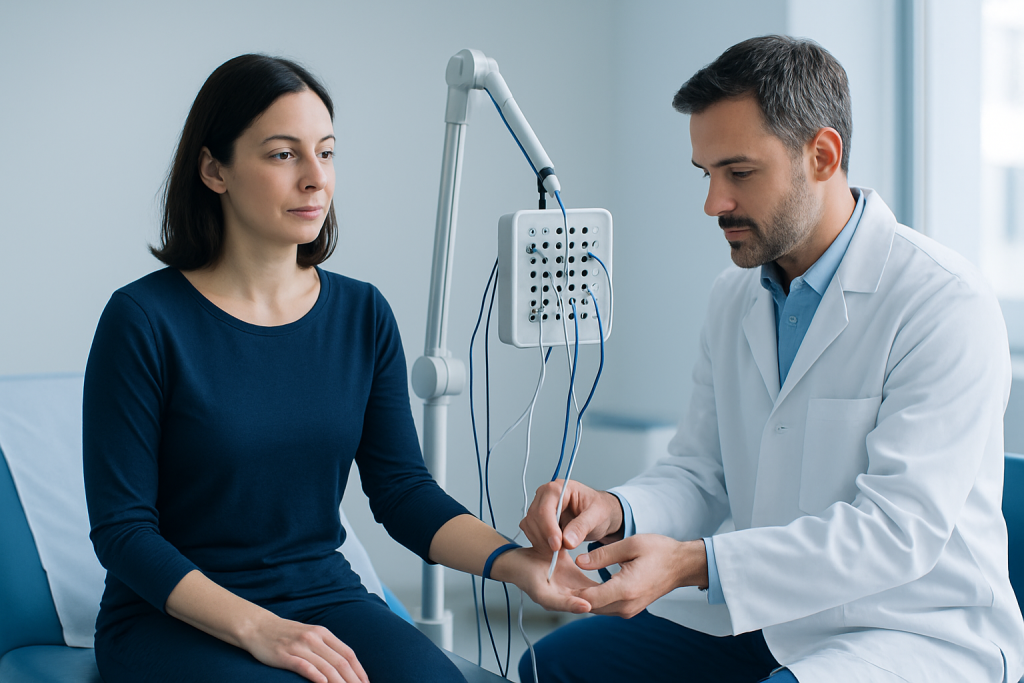
Paresthesia can feel different from one person to another, even when the cause is similar. Some people notice a brief “falling asleep” sensation in the foot or hand, while others experience ongoing numbness, burning, or a feeling that the skin is overly sensitive.
Symptoms may come and go, or remain constant. They may start in a small area and spread, or affect both sides of the body. The location can also offer clues: symptoms in one hand may suggest a local nerve compression, while symptoms in both feet may point toward a more systemic issue such as diabetes or vitamin deficiency.
- Tingling or prickling sensations
- Numbness or reduced feeling
- Burning or “electric” sensations
- Needle-like or crawling sensations
- Occasional clumsiness or reduced grip if sensation is impaired
Because numbness can make it harder to feel heat, pressure, or injury, persistent paresthesia deserves attention even when it is not painful. A person may not realize that a blister, cut, or shoe pressure is causing harm until the area becomes irritated.
Causes & Risk Factors

The reasons behind paresthesia range from simple and short-lived to complex and chronic. One of the most familiar triggers is pressure on a nerve, such as leaning on the elbow, crossing the legs for a long time, or wearing tight footwear. Once the pressure is removed, the sensation often improves quickly.
Longer-lasting paresthesia is more likely to involve an underlying condition. Common contributors include peripheral neuropathy, diabetes, vitamin B12 deficiency, thyroid disorders, alcohol-related nerve injury, autoimmune conditions, infections such as shingles, and problems in the spine that compress nerve roots. Some medicines and toxic exposures can also affect nerve function.
Risk tends to rise when several factors overlap. For example, a person with diabetes may be more vulnerable to nerve irritation, while someone with a job that requires repetitive wrist or elbow positioning may develop localized nerve compression. Travel-related factors, such as long flights, dehydration, or prolonged sitting, can temporarily worsen symptoms in susceptible people.
- Diabetes and prediabetes
- Vitamin or mineral deficiencies
- Neck, back, or wrist nerve compression
- Autoimmune or inflammatory disease
- Alcohol use disorder
- Certain chemotherapy or other medications
Diagnosis
Doctors usually begin by asking when the tingling started, where it is located, whether it is constant or intermittent, and what makes it better or worse. They also look for related symptoms such as weakness, pain, balance problems, headaches, or changes in bladder or bowel function. A careful history often narrows the list of likely causes before any tests are ordered.
A neurological examination may check reflexes, muscle strength, coordination, and the ability to sense touch, vibration, temperature, and position. Depending on the pattern, blood tests may be used to look for diabetes, vitamin deficiency, thyroid disease, inflammation, kidney problems, or other metabolic issues.
When needed, further evaluation can include nerve conduction studies, electromyography, MRI, or other imaging to assess the brain, spine, or nerves. The goal is not to test everything at once, but to choose the most useful path based on the symptoms. For patients traveling from another country, bringing previous lab results, medication lists, and any prior imaging can make the evaluation faster and more precise.
Treatment Options
Treatment depends on the underlying cause rather than the sensation alone. If paresthesia comes from a compressed nerve due to posture or repetitive strain, simple changes such as adjusting ergonomics, resting the area, or using a splint may be enough. When a systemic condition is responsible, the main focus is treating that condition so the nerves are no longer being irritated.
For example, people with diabetes may need improved glucose control, while those with vitamin deficiency may require targeted nutritional correction. If a spinal or peripheral nerve is compressed, a doctor may recommend physical therapy, activity modification, anti-inflammatory measures, or in some cases a procedure or surgery. When symptoms are painful or disruptive, clinicians may also consider medicines that help calm nerve-related discomfort.
Because nerve symptoms can have many overlapping causes, treatment is usually individualized. A person who has just arrived home after long-distance travel may be asked about sitting position, dehydration, luggage strain, and recent illness, since these practical details can matter just as much as scan results. The most durable improvement often comes from matching the remedy to the specific mechanism behind the sensation.
Prevention & Self-care
Not every episode of paresthesia can be prevented, but many are less likely when nerves, circulation, and overall health are supported. Regular movement during long periods of sitting, especially on flights or car rides, can help reduce pressure-related symptoms. Gentle stretching, good posture, and avoiding prolonged compression of the elbows, wrists, or legs may also help.
When paresthesia is linked to chronic conditions, self-care means staying consistent with the broader health plan. That can include managing blood sugar, maintaining balanced nutrition, limiting alcohol, following physical therapy recommendations, and taking prescribed medicines as directed. If a clinician identifies a vitamin deficiency or another reversible cause, follow-up is important because improvement may take time.
- Stand, stretch, and change position regularly
- Use ergonomic supports for work and sleep
- Wear well-fitting shoes and avoid tight bands
- Keep chronic conditions under regular medical care
- Seek evaluation for recurring numbness or tingling
For people recovering abroad after diagnosis, a clear discharge plan matters: knowing which symptoms should improve, which ones should be monitored, and how follow-up will be arranged once they return home can make self-care safer and less stressful.
When to See a Doctor
Medical review is wise if paresthesia is frequent, lasts more than a short time, keeps returning, or affects more than one body area without a clear explanation. It is also important if the sensation is accompanied by pain, weakness, walking difficulty, bladder changes, or a new rash.
Urgent assessment is especially important when numbness or tingling appears suddenly with facial droop, speech trouble, confusion, severe headache, chest pain, or one-sided weakness. These can be signs of a serious neurological or vascular event and should not be watched at home.
Even when symptoms are mild, persistent paresthesia should not be ignored. Early evaluation can identify reversible causes, protect nerve function, and reduce the chance of ongoing numbness or injury. At Acibadem Health Point, multidisciplinary specialists and JCI-accredited hospitals diagnose and treat paresthesia-related conditions for international patients, with care plans shaped around both medical findings and practical follow-up needs.
Living With Paresthesia
When paresthesia becomes a recurring part of daily life, the goal is usually not only symptom relief but also safety and function. People may need to check feet or hands more carefully for cuts, burns, or pressure areas, especially if sensation is reduced. Good lighting, supportive footwear, and simple home adjustments can prevent small injuries from becoming larger problems.
It can also help to keep a symptom diary. Noting where the sensation occurs, how long it lasts, whether it follows certain activities, and whether it is linked to stress, position, or meals may reveal patterns that are easy to miss in the moment. Those observations are valuable whether the next step is a local clinic visit or an international consultation.
Most importantly, paresthesia should be viewed as a clue, not a diagnosis. With the right evaluation, many causes can be identified and managed, and a good number of people experience meaningful improvement once the source is treated.
Frequently asked questions
Is paresthesia a disease?
No. Paresthesia is a symptom that describes abnormal sensations such as tingling or numbness. A doctor looks for the underlying cause rather than treating paresthesia as a disease by itself.
Can paresthesia go away on its own?
Yes, if it is caused by temporary pressure on a nerve or an awkward position, it often improves once the pressure is removed. If it keeps coming back or lasts longer, it should be evaluated.
What are the most common causes of tingling in the hands and feet?
Common causes include nerve compression, diabetes, vitamin deficiencies, thyroid problems, and peripheral neuropathy. The pattern of symptoms and the person's medical history usually guide the next steps.
Does paresthesia always mean nerve damage?
Not always. Temporary tingling can happen without lasting nerve damage, especially after pressure or poor posture. Persistent symptoms, however, may indicate nerve irritation or injury that should be checked.
What tests might be used to find the cause?
Doctors may use blood tests, a neurological exam, nerve conduction studies, electromyography, or imaging such as MRI. The choice depends on where the symptoms are and what other findings are present.
When should sudden numbness be treated as urgent?
Sudden numbness with weakness, speech difficulty, facial droop, severe headache, or confusion should be treated as urgent. These symptoms can signal a stroke or another serious condition that needs immediate care.
References
- Mayo Clinic
- National Institute of Neurological Disorders and Stroke
- Cleveland Clinic
- World Health Organization
- Merck Manual Professional Edition
This article is for general information only and is not a substitute for professional medical advice. Please consult a qualified doctor about your individual situation.
Joint and spine care in Turkey — expert assessment & treatment
JCI-accredited · board-certified surgeons · reply within 24h
Add us as a Preferred Source to see more of our trusted health content across Google Search, AI Overviews and Discover.