Parasite Cleanse: Does It Work and Is It Safe?

Key Takeaways
- Not every digestive symptom means a parasite, so testing matters before treatment.
- Effective care usually involves a doctor-guided diagnosis and an approved anti-parasitic medicine.
- Herbal or detox cleanses are not a reliable substitute for medical treatment.
- Prevention focuses on food safety, clean water, hand hygiene, and travel precautions.
- Persistent stomach symptoms, weight loss, or blood in stool deserve medical evaluation.
Medically reviewed by the Acıbadem clinical team — August 19, 2026
A “parasite cleanse” is often marketed as a quick fix, but true parasitic infections need accurate diagnosis and the right treatment. This article explains the symptoms, testing, treatment options, and safe prevention steps in clear, practical terms.
Overview
The phrase “parasite cleanse” has become popular in wellness conversations, especially online. In medical practice, however, the priority is not cleansing the body with teas, supplements, or restrictive diets; it is finding out whether a parasite is actually present and, if so, treating it correctly.
Parasites are organisms that live on or inside a host and may cause illness. Some infections resolve with the right prescription treatment, while others need only observation or may never have been the cause of symptoms in the first place. For people arranging care from another country, this distinction matters: it avoids unnecessary treatment, reduces travel stress, and helps ensure that follow-up is based on real test results rather than guesswork.
A patient-friendly approach starts with symptoms, exposure history, and proper testing. That approach is safer and more effective than trying to “cleanse” without knowing what problem is being addressed.
Symptoms
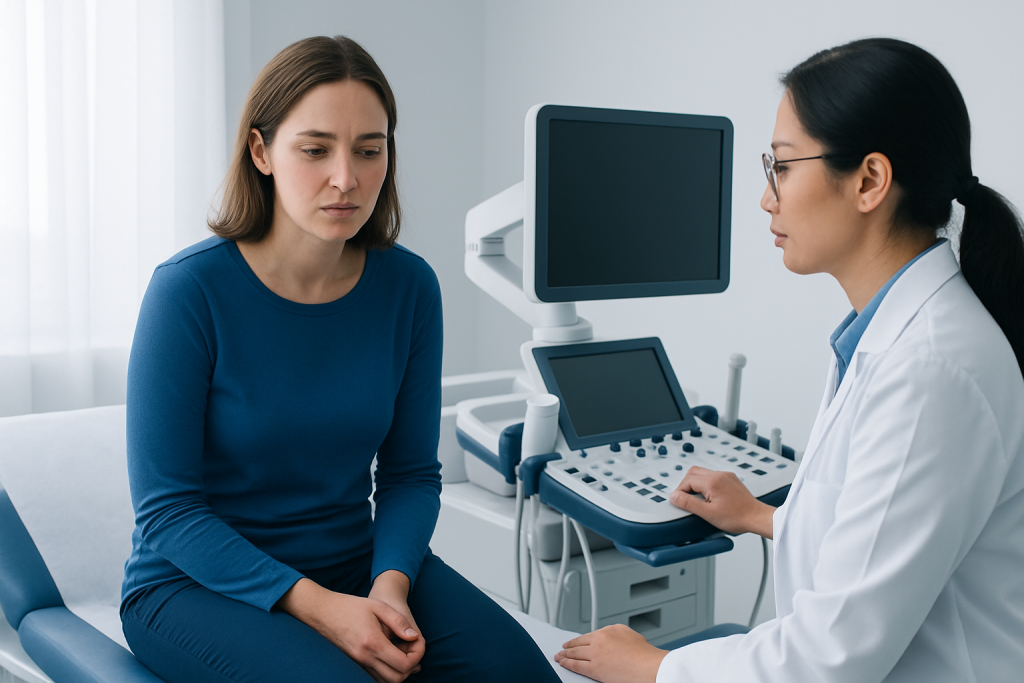
Parasite-related symptoms can be vague, which is one reason self-diagnosis is often inaccurate. Digestive discomfort, changes in bowel habits, nausea, bloating, or abdominal pain can happen with many conditions, including infections, food intolerances, irritable bowel syndrome, and inflammatory disorders.
Some parasitic infections may also cause fatigue, poor appetite, unintended weight loss, itching around the anus, or visible changes in the stool. In certain cases, symptoms are mild at first and become more noticeable over time; in others, there may be no symptoms at all.
Signs that deserve medical attention include:
- Persistent diarrhea or constipation
- Blood or mucus in the stool
- Unexplained weight loss
- Ongoing abdominal pain or bloating
- Fever, dehydration, or severe weakness
- Symptoms after travel, untreated water exposure, or eating undercooked food
Because symptoms overlap so much, a clinician usually looks for the full pattern rather than relying on one complaint alone.
Causes & Risk Factors

Parasites can enter the body through contaminated food, water, soil, or close contact with infected people or animals. The exact risk depends on the parasite involved, local sanitation, travel history, and immune status.
Common risk factors include travel to areas with limited sanitation, drinking untreated water, poor hand hygiene, eating raw or undercooked meat or fish, walking barefoot in contaminated soil, and contact with infected daycare settings or household members. People with weakened immune systems may be more vulnerable to infection or complications.
Some travelers notice symptoms soon after returning home, while others develop them later. That timing can be helpful for a doctor, but it is rarely enough on its own to confirm a diagnosis. A careful history makes the difference between a true parasitic illness and a condition that only resembles one.
Diagnosis
Diagnosing a parasitic infection usually begins with a conversation about symptoms, recent travel, food and water exposure, animal contact, and any previous treatments. From there, the doctor may recommend stool testing, blood tests, or other targeted studies depending on the suspected parasite.
Stool examinations can help identify eggs, cysts, or parasite fragments, but a single sample may not always be enough. In some cases, more than one sample is collected on different days to improve the chance of detection. Blood tests may support the diagnosis or help look for inflammation, anemia, or signs of a specific infection.
When international patients travel for evaluation, it is helpful to bring prior records, medication lists, and any previous test results. That can shorten the path to a clear diagnosis and reduce the chance of repeating tests unnecessarily.
Treatment Options
When a parasite is confirmed, treatment is usually straightforward and specific to the organism involved. Doctors often prescribe an anti-parasitic medicine chosen for the particular infection, the patient’s age, overall health, and whether the parasite affects the intestine, blood, or another organ.
Supportive care may also be needed. Hydration, correction of electrolytes, and treatment for anemia or nutrition problems can help recovery, especially if symptoms have been present for a while. In more complex cases, follow-up testing may be recommended after treatment to make sure the infection has cleared.
What does not help is relying on unproven “cleanse” regimens as the main treatment. Herbal products and detox protocols may irritate the gut, interact with medications, or delay proper care. If a patient is considering Varicose Vein Treatment Abroad: When Stockings Are Enough and When Procedures Help More" class="ahp-ilk">treatment abroad, a medical center can coordinate testing, diagnosis, treatment, and follow-up so the plan is consistent from first visit to return home.
Prevention & Self-care
Prevention is often more practical than people expect. Simple habits can reduce the chance of infection and protect other household members as well.
Useful steps include washing hands thoroughly, drinking safe water, cooking meat and fish well, washing produce carefully, and avoiding raw or unwashed foods in higher-risk settings. Travelers may also benefit from extra attention to ice, salads, street food, and local water sources, depending on the destination.
- Use safe drinking water or sealed bottled water when needed
- Wash hands before eating and after using the bathroom
- Cook food thoroughly, especially meat and seafood
- Keep nails short and clean
- Follow travel health advice before visiting higher-risk regions
Self-care during recovery should stay simple and evidence-based: rest, fluids, and follow the treatment plan exactly as prescribed. If symptoms improve but do not fully resolve, or if they return, medical review is preferable to starting another cleanse.
When to See a Doctor
Medical evaluation is appropriate when digestive symptoms last more than a few days, keep returning, or follow travel, food exposure, or water exposure that raises concern for infection. It is also important if a person has blood in the stool, dehydration, fever, severe abdominal pain, or unexplained weight loss.
People with weakened immune systems, young children, older adults, and pregnant patients should seek prompt medical advice if a parasitic infection is suspected. These groups may need a more careful evaluation and tailored treatment.
For patients who are planning care from another country, a doctor can help determine whether testing should happen before travel, after arrival, or both. Acibadem Health Point’s multidisciplinary specialists and JCI-accredited hospitals diagnose and treat parasitic infections for international patients with coordinated, medically guided care.
The main goal is not to “cleanse” the body at all costs. It is to identify the cause, choose the safest treatment, and support recovery with clear follow-up.
Frequently asked questions
What is a parasite cleanse in medical terms?
In medical terms, there is no standard “parasite cleanse” that replaces diagnosis and treatment. If a parasite is present, doctors usually treat it with a targeted anti-parasitic medicine based on the specific organism involved.
Can digestive symptoms mean a parasite is present?
Sometimes, but not always. Many common conditions can cause the same symptoms, so testing is usually needed before treatment is started.
Are herbal parasite cleanses safe?
Not necessarily. Some supplements can irritate the stomach, interact with medications, or delay proper diagnosis, so it is best to discuss them with a doctor first.
How do doctors test for parasites?
Testing may include stool studies, blood tests, or other exams depending on the suspected infection and the person’s symptoms. A doctor chooses the test based on exposure history and clinical findings.
Do all parasite infections require medication?
No, not all do, but many confirmed infections are treated with prescription medicine. The right approach depends on the type of parasite, symptoms, and the person’s health status.
When should someone seek urgent care?
Urgent care is sensible for severe abdominal pain, dehydration, fever, blood in the stool, fainting, or marked weakness. These symptoms can signal a condition that needs prompt evaluation, whether or not a parasite is involved.
References
- World Health Organization
- Centers for Disease Control and Prevention
- Mayo Clinic
- National Health Service
- Merck Manual Professional Edition
This article is for general information only and is not a substitute for professional medical advice. Please consult a qualified doctor about your individual situation.
Persistent digestive symptoms? Get evaluated in Turkey
JCI-accredited · board-certified surgeons · reply within 24h
Add us as a Preferred Source to see more of our trusted health content across Google Search, AI Overviews and Discover.