When Does Ovulation Occur

Key Takeaways
- Ovulation often happens about 14 days before the next period, not always on day 14 of the cycle.
- The fertile window includes the days leading up to ovulation and the day of ovulation itself.
- Cycle length, stress, illness, breastfeeding, and hormone conditions can shift ovulation timing.
- Common signs may include cervical mucus changes, mild pelvic discomfort, and a slight temperature rise after ovulation.
- Tracking cycles can help, but irregular periods or difficulty conceiving may need medical evaluation.
Ovulation is the point in the menstrual cycle when an egg is released from the ovary and the fertile window is usually at its most important. Its timing can vary from person to person and from cycle to cycle, especially when periods are irregular or influenced by stress, illness, or hormonal conditions.
Overview
Ovulation is a brief but important event in the menstrual cycle: a mature egg is released from one ovary and enters the fallopian tube, where fertilization can occur. For anyone trying to understand fertility, plan a pregnancy, or make sense of cycle changes, the key idea is that ovulation does not happen on the same calendar day for everyone.
Many people hear that ovulation happens on “day 14,” but that is only a rough example for a 28-day cycle. In real life, ovulation is usually timed by the length of the cycle and by the days before the next period, which means it can move earlier or later from month to month.
Understanding this timing can make cycle tracking less confusing. It also helps explain why pregnancy can happen from intercourse several days before ovulation, since sperm can survive in the reproductive tract for a limited time and meet the egg when it is released.
Symptoms and Signs of Ovulation
Some people notice clear signs around ovulation, while others do not notice anything at all. Both patterns are normal. The body may give clues that the fertile window is approaching, but these clues are not perfect on their own.
Common ovulation-related signs include changes in cervical mucus, which may become clearer, stretchier, and more slippery. Some people also feel a mild one-sided lower abdominal ache called mittelschmerz, or notice increased breast tenderness, bloating, or a stronger sense of sexual desire.
A basal body temperature chart may show a small rise after ovulation, not before it. That makes temperature tracking helpful for confirming that ovulation likely occurred, though it is less useful for predicting the exact day in advance.
- Clear, stretchy cervical mucus
- Mild pelvic discomfort on one side
- Slight rise in basal body temperature after ovulation
- Possible breast tenderness or bloating
- Temporary change in energy, mood, or libido
Causes and Risk Factors That Change Ovulation Timing

Ovulation is influenced by the hormone signals that connect the brain, ovaries, and uterus. When that system is steady, cycles are more predictable. When it is disrupted, ovulation may happen later than expected, earlier than expected, or not happen in a given cycle.
Stress, major travel, poor sleep, acute illness, intense exercise, and rapid weight change can all affect hormonal signaling. Some people also experience shifts during breastfeeding, the years before menopause, or after stopping hormonal contraception as the body re-establishes its own rhythm.
Medical conditions can also play a role. Polycystic ovary syndrome, thyroid disorders, elevated prolactin, and certain eating disorders may interfere with regular ovulation. If cycles are consistently unpredictable, it is reasonable to look for an underlying cause rather than assuming the pattern is simply random.
How Ovulation Is Diagnosed or Tracked
There is no single method that works best for everyone, and many people use more than one approach. A calendar alone can offer a rough estimate, but it becomes less reliable when cycle length changes from month to month.
Ovulation predictor kits detect the hormone surge that usually happens before ovulation. Cervical mucus observation and basal body temperature tracking can provide additional clues. Some people also use fertility apps, though those apps are only as accurate as the information entered and the regularity of the cycle itself.
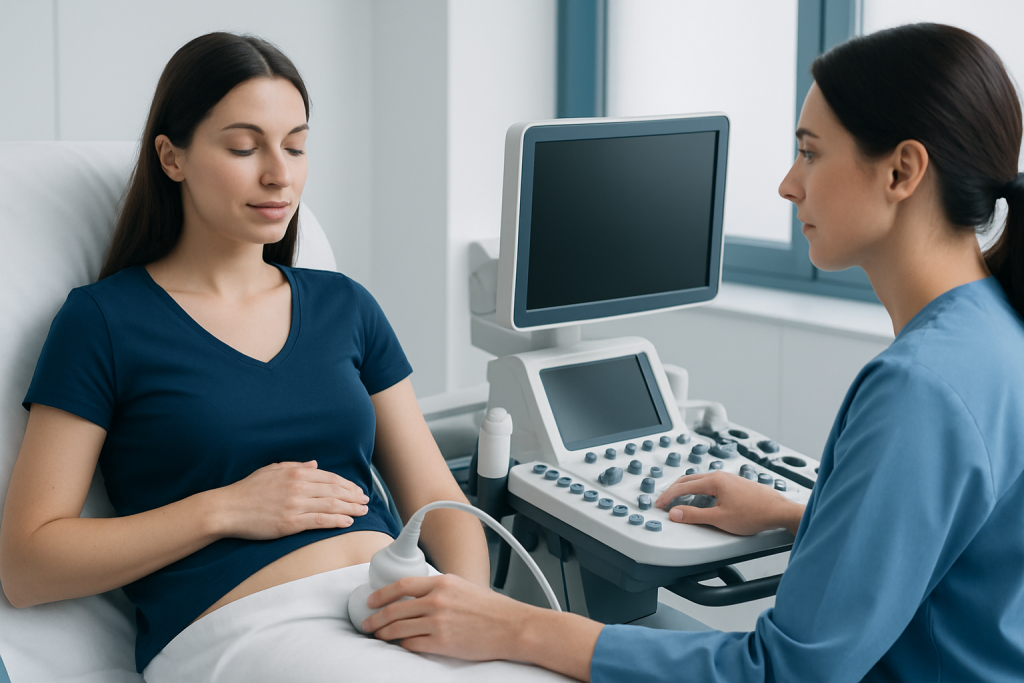
In a medical setting, ovulation may be assessed through hormone testing, ultrasound monitoring, or a review of cycle history, especially when someone is trying to conceive or has symptoms of hormone imbalance. For travelers seeking care abroad, it is often useful to bring past cycle records, test results, and any medication list so a specialist can interpret the pattern quickly and accurately.
Treatment Options and Medical Support
Ovulation itself is not usually treated. Instead, care focuses on the reason ovulation is irregular or absent, or on supporting pregnancy planning when timing is important. The right approach depends on the person’s age, health history, symptoms, and goals.
When an underlying condition is identified, treatment may involve managing thyroid disease, addressing polycystic ovary syndrome, correcting nutritional issues, or reviewing medications that may affect the cycle. If conception is the goal, a clinician may suggest fertility evaluation, ovulation induction, or assisted reproductive options when appropriate.
Support is often most effective when it is individualized. That can matter even more for international patients who need a clear plan before returning home, including follow-up arrangements, test interpretation, and guidance on what to monitor in the next cycles.
Prevention and Self-care
Not every change in ovulation can be prevented, but cycle stability often improves when the body has steady support. Regular sleep, balanced nutrition, stress management, and avoiding sudden changes in exercise or body weight can help the hormonal system function more predictably.
For those tracking fertility, it helps to choose a method that can be followed consistently. Some people prefer calendar tracking, while others rely on ovulation kits or mucus observations. Using more than one method can reduce guesswork, especially if cycles are not regular.
Self-care also means paying attention to patterns rather than isolated months. A single late ovulation is common; repeated late or skipped ovulation deserves medical review. If someone is traveling for care, keeping digital notes about cycle dates, test results, and symptoms can make follow-up smoother across time zones and different clinics.
- Keep a simple menstrual calendar
- Use ovulation tests or mucus tracking if helpful
- Protect sleep, nutrition, and hydration
- Avoid abrupt changes in exercise or body weight
- Bring records when seeking care away from home
When to See a Doctor
Medical advice is sensible when periods become much more irregular than usual, when ovulation seems absent for several cycles, or when there is a clear pattern of very long or very short cycles. Painful periods, unusual bleeding, or symptoms of hormone imbalance are also reasons to be evaluated.
It is also important to seek help if pregnancy has not occurred after a year of trying for those under 35, or after a shorter period when age or medical history suggests faster assessment may be appropriate. A doctor can decide whether the issue is ovulation-related or whether other fertility factors should be checked too.
People traveling internationally for evaluation often benefit from seeing a specialist who can coordinate testing efficiently and explain the results in plain language. Acibadem Health Point’s multidisciplinary specialists and JCI-accredited hospitals support diagnosis and treatment for international patients, with care plans that can be discussed before returning home.
A Practical Way to Think About the Fertile Window
Instead of focusing only on a single day, it is often more useful to think in terms of a fertile window. This includes the several days before ovulation and the day of ovulation itself, because sperm may remain alive long enough to meet the egg when it is released.
That wider view can reduce frustration for people trying to conceive. It can also explain why timing feels different from one month to the next, especially when cycles vary. The exact ovulation day may shift, but the overall pattern often becomes clearer with consistent tracking over several cycles.
If cycles remain unclear despite tracking, a clinician can help interpret the data and suggest the next step. For some people, the answer is reassurance and better timing guidance; for others, it is a closer look at hormones, thyroid function, ovarian health, or overall fertility planning.
Frequently asked questions
When does ovulation usually occur in a cycle?
Ovulation often happens about 14 days before the next period begins. For a person with a 28-day cycle, that is often around day 14, but many cycles are longer or shorter. The more reliable way to think about ovulation is by counting back from the next period rather than counting forward from the first day of bleeding.
Can ovulation happen earlier or later than expected?
Yes, ovulation can shift from month to month. Stress, travel, illness, changes in sleep, weight fluctuations, and hormone conditions can all move it earlier or later. That is why calendars alone are only estimates.
What is the fertile window?
The fertile window includes the days before ovulation and the day ovulation happens. This matters because sperm can survive for several days in the reproductive tract, while the egg can be fertilized for only a limited time after release. Tracking this window can help with conception planning.
How can someone tell if ovulation has happened?
Common clues include a temperature rise after ovulation, changes in cervical mucus, and sometimes mild pelvic discomfort. Ovulation predictor kits can also be helpful because they detect the hormone surge that usually comes shortly before ovulation. No single sign is perfect, so many people combine methods.
Does irregular ovulation mean infertility?
Not necessarily. Irregular ovulation can make it harder to predict fertile days, but it does not automatically mean pregnancy is impossible. A doctor can help identify the cause and discuss treatment options if needed.
When should irregular cycles be checked by a doctor?
It is a good idea to seek medical advice if periods become much less predictable, if cycles stop, or if there are other symptoms such as acne, excess hair growth, weight changes, or very heavy bleeding. Evaluation is also important if pregnancy has not occurred after trying for a reasonable period of time.
References
- American College of Obstetricians and Gynecologists
- Mayo Clinic
- NHS
- World Health Organization
- MedlinePlus
This article is for general information only and is not a substitute for professional medical advice. Please consult a qualified doctor about your individual situation.