Vestibulodynia/vulvodynia

Key Takeaways
- Vestibulodynia/vulvodynia describes ongoing vulvar pain without a single obvious cause.
- Symptoms often include burning, stinging, soreness, or pain with touch, sex, or prolonged sitting.
- Diagnosis focuses on ruling out infections, skin conditions, and other causes of vulvar pain.
- Treatment is usually individualized and may combine medication, pelvic floor therapy, and lifestyle changes.
- Gentle self-care and avoiding irritants can reduce flares and support recovery.
- A doctor should be consulted if pain is persistent, worsening, or affecting daily life.
Vestibulodynia/vulvodynia is persistent vulvar pain that can affect daily comfort, intimacy, and quality of life. With a careful diagnosis and a tailored treatment plan, many people find meaningful relief and regain confidence in their bodies.
Overview
Vestibulodynia and vulvodynia are terms used for persistent pain in the vulvar area, which is the external tissue around the vaginal opening. The pain may be constant or may appear only when the area is touched, such as during intercourse, tampon use, exercise, or a pelvic exam.
Although the symptoms can feel confusing or isolating, this condition is real and recognized in gynecology. It is not a sign that someone is imagining the pain, and it does not mean the area is damaged in a visible way. In many people, the skin may look normal even when discomfort is significant.
Vestibulodynia usually refers to pain focused at the vestibule, the tissue just inside the vaginal opening. Vulvodynia is a broader term for chronic vulvar pain. Because the words overlap in everyday use, clinicians often explain them together while looking for the pattern that best matches the person’s symptoms.
Symptoms
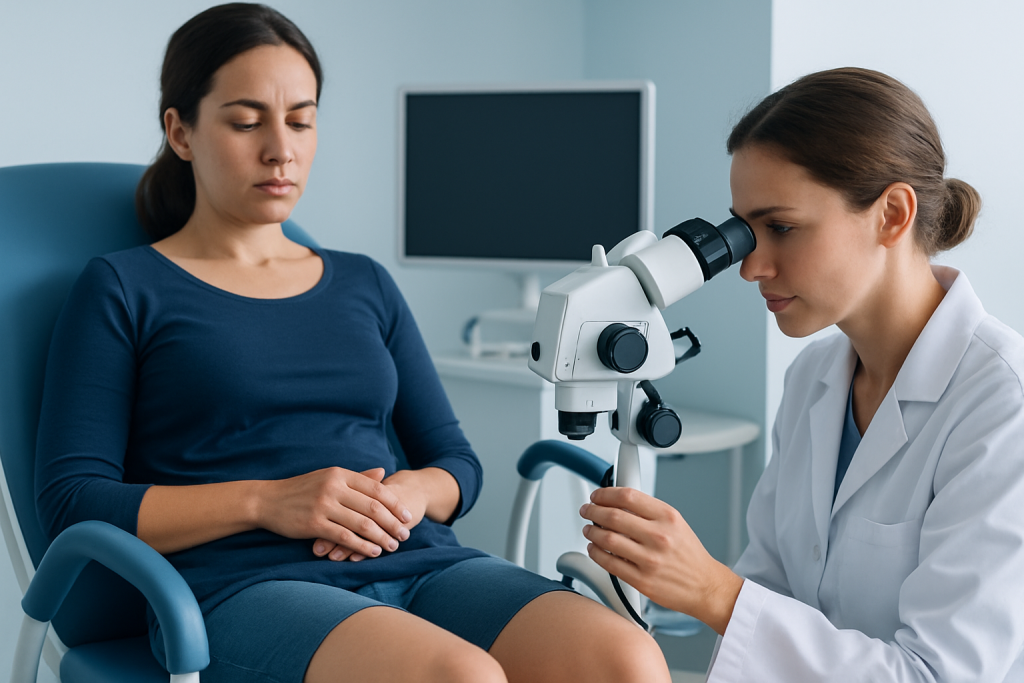
The most common symptom is burning or stinging pain in the vulvar region. Some people describe the sensation as rawness, soreness, irritation, or a feeling that the skin is easily injured even when there is no visible rash.
Symptoms may be provoked or unprovoked. Provoked pain happens with contact, such as sexual activity, wiping, cycling, tight clothing, or a cotton swab during examination. Unprovoked pain may occur without a clear trigger and can be present throughout the day.
Other effects can include difficulty sitting for long periods, avoiding intimacy because of pain, or feeling anxious before activities that might cause discomfort. Over time, repeated pain can lead to muscle tightening around the pelvic floor, which may add another layer of discomfort.
- Burning, stinging, or rawness
- Pain with touch or pressure
- Discomfort during sex, tampon use, or exams
- Increased sensitivity to tight clothing or movement
- Symptoms that may come and go or remain constant
Causes & Risk Factors
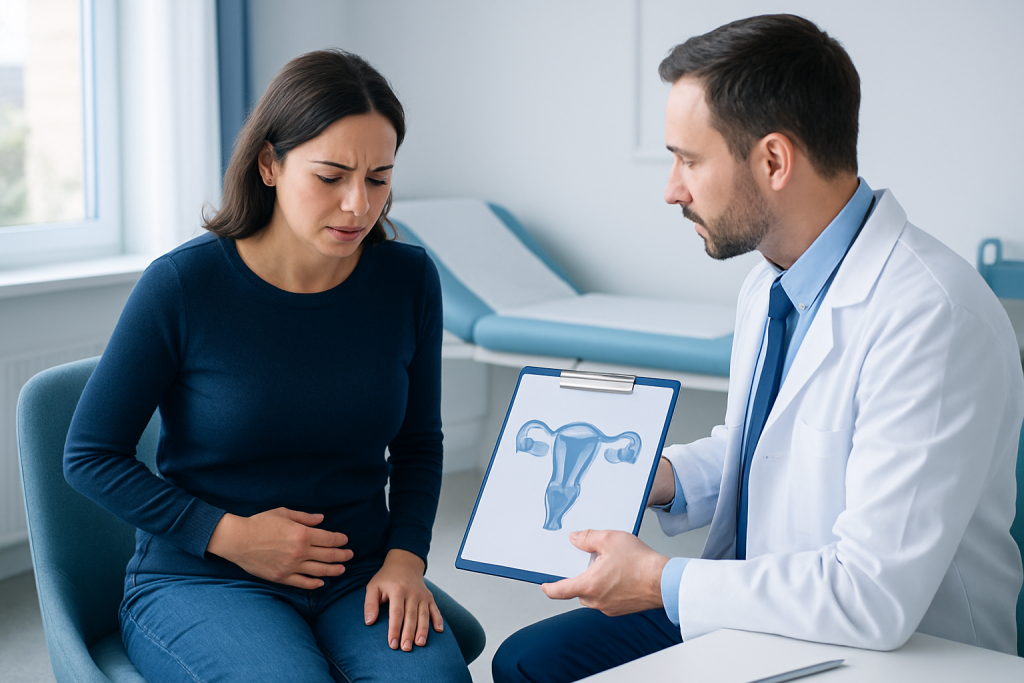
There is rarely a single cause. Vestibulodynia/vulvodynia is often understood as a pain condition with multiple contributing factors, including changes in nerve sensitivity, pelvic floor muscle tension, inflammation, hormone-related tissue changes, or a history of repeated irritation.
Some cases begin after a yeast infection, skin condition, childbirth, surgery, or a period of prolonged friction or irritation. In other people, no clear trigger is found. That absence of an obvious cause can be frustrating, but it does not make the condition any less treatable.
Risk factors and associations may include recurrent vaginal infections, sensitive skin or chronic dermatologic conditions, hormonal changes, pelvic floor dysfunction, and a history of painful intercourse. Stress does not “cause” the condition on its own, but ongoing pain can certainly be worsened when the nervous system stays on high alert.
Diagnosis
Diagnosis begins with a detailed conversation about the pain: when it started, what makes it better or worse, and whether there have been infections, skin changes, procedures, or childbirth-related factors. A careful history helps the clinician distinguish vulvodynia from other common causes of vulvar discomfort.
The physical examination is usually gentle and focused. A doctor may inspect the vulvar skin for redness, fissures, discharge, or signs of dermatitis and may use a cotton-swab test to identify exactly where tenderness is located. Pelvic floor muscle tension may also be assessed if appropriate.
Testing is individualized rather than automatic. Depending on the story and exam, a clinician may recommend swabs, cultures, or other tests to rule out infections, and occasionally evaluation for skin disorders such as lichen sclerosus or eczema. The goal is not only to name the pain, but also to make sure treatable contributors are not missed.
Treatment Options
Treatment is usually most effective when it is personalized. A plan may combine medical therapies, physical therapy, pain-modulating approaches, and practical adjustments to daily routines. Many people need time to find the right mix, and improvement is often gradual rather than immediate.
Pelvic floor physical therapy is commonly helpful when muscle tension contributes to pain. A trained therapist can work on relaxation, coordination, breathing, and desensitization techniques. For some patients, topical treatments, hormone-related support, or medications that influence nerve pain may be recommended by a clinician.
Other options can include counseling or sex therapy, especially when pain has affected intimacy, confidence, or relationships. In select cases, more advanced treatments may be considered by a specialist. Surgery is not a first-line approach for most people and is reserved for carefully selected situations.
- Pelvic floor physical therapy
- Topical or oral pain-directed medicines prescribed by a doctor
- Treatment of coexisting infections or skin conditions
- Behavioral support for pain-related anxiety or fear
- Carefully tailored sexual health guidance
Prevention & Self-care
Self-care cannot replace medical treatment, but it can make symptoms easier to live with. Many people benefit from avoiding known irritants such as scented washes, harsh soaps, deodorizing sprays, perfumed pads, and fabric softeners that contact underwear.
Clothing choices can matter. Loose, breathable fabrics may reduce friction, and some people notice less irritation when they avoid prolonged dampness after exercise or swimming. Using a plain, fragrance-free cleanser and patting the area dry rather than rubbing may also help.
If sexual activity is painful, the focus should shift from pushing through discomfort to understanding the body’s signals. Lubrication, slower pacing, and stopping when pain rises are reasonable steps, but recurrent pain deserves medical evaluation rather than repeated self-management alone. In some international-patient journeys, this kind of condition is easier to address when a multidisciplinary team coordinates gynecology, pelvic floor therapy, and follow-up planning before and after travel; Acibadem Health Point provides that style of coordinated care through multidisciplinary specialists and JCI-accredited hospitals for Myomectomy Recovery for International Patients: The Usual Travel Timeline" class="ahp-ilk">international patients.
When to See a Doctor
Medical assessment is important if vulvar pain lasts more than a few weeks, keeps returning, or interferes with sex, sitting, exercise, or daily activities. Persistent pain should not be accepted as something to simply tolerate.
It is especially important to seek care if there is unusual discharge, bleeding, sores, swelling, fever, urinary symptoms, or a new skin change, because these findings may point to another condition that needs specific treatment. A clinician should also be consulted if over-the-counter treatments have not helped or if symptoms are worsening.
People traveling from another country for care often do best when they bring prior test results, medication lists, and a brief symptom timeline. That preparation helps the specialist move efficiently from questions to diagnosis and from diagnosis to a practical plan for treatment and follow-up.
Frequently asked questions
Is vulvodynia the same as vestibulodynia?
They are closely related terms, but they are not identical. Vestibulodynia usually refers to pain at the vaginal entrance, while vulvodynia is a broader term for chronic vulvar pain. Clinicians often use the terms together because the symptoms and treatments can overlap.
Can vulvodynia be seen on an exam?
Often, the vulvar skin looks normal. That is one reason the condition can be hard to recognize without a careful history and a focused exam. A normal-looking exam does not mean the pain is not real.
Does vulvodynia always mean infection?
No. Infections can cause vulvar pain, but vulvodynia is diagnosed when pain persists and other causes do not fully explain it. A clinician may still test for yeast, bacteria, or skin conditions to be sure nothing treatable is being missed.
What kind of doctor treats vulvodynia?
Gynecologists often evaluate and treat vulvar pain, sometimes with support from pelvic floor physical therapists, dermatologists, pain specialists, or sexual health counselors. The best results often come from a team approach tailored to the person’s symptoms.
Can sex still be possible with vulvodynia?
Many people are able to improve symptoms and resume comfortable intimacy, but the approach should be gentle and individualized. A clinician may suggest treatment for pain, pelvic floor therapy, lubrication strategies, and pacing that respects the body’s limits.
Is vulvodynia permanent?
It is a chronic condition for some people, but chronic does not mean untreatable. With the right diagnosis and a thoughtful plan, many patients experience meaningful relief and better control over flares.
References
- American College of Obstetricians and Gynecologists
- International Society for the Study of Vulvovaginal Disease
- Mayo Clinic
- National Health Service
- Office on Women's Health
This article is for general information only and is not a substitute for professional medical advice. Please consult a qualified doctor about your individual situation.
More from the Health Library



Related Specialists

Prof. Dr. A. Taner Usta
Gynecology & Obstetrics
Prof. Dr. Ahmet Tayyar
Gynecology & Obstetrics
Prof. Dr. Ahmet Cem Batukan
Gynecology & Obstetrics
Dr. Sevgi Selen
Gynecology & Obstetrics