Orthostatic Hypotension: Symptoms, Causes and Treatment

Key Takeaways
- Symptoms often appear soon after standing and may include lightheadedness, weakness, or a brief blackout.
- Causes range from dehydration and medication effects to nerve disorders, heart conditions, and age-related blood pressure changes.
- Diagnosis may include blood pressure checks while lying and standing, heart rhythm testing, and a review of medicines and medical history.
- Treatment focuses on the cause, along with hydration, gradual position changes, compression garments, and other clinician-guided measures.
- Medical review is important if symptoms are frequent, lead to falls, or occur with chest pain, shortness of breath, or neurologic symptoms.
Medically reviewed by the Acıbadem clinical team — August 19, 2026
Orthostatic disease is a broad term often used for problems that happen when blood pressure or heart rate does not adjust properly after standing. It may cause dizziness, blurred vision, weakness, or fainting, and it is usually manageable once the underlying cause is identified.
Overview
Orthostatic disease is a practical way of describing symptoms that appear when the body struggles to adapt to standing. In everyday terms, the person may sit or lie down feeling fine, then notice dizziness, a heavy head, blurred vision, or even a fainting spell after getting up.
The body normally responds to standing by tightening blood vessels and adjusting heart rate so blood flow to the brain stays steady. When that response is delayed, too weak, or disrupted by another health issue, the person can feel unwell within seconds or minutes of changing position.
Because the phrase orthostatic disease is broad, doctors usually look for the specific pattern behind it, such as orthostatic hypotension, autonomic dysfunction, dehydration, medication effects, or a heart rhythm problem. That distinction matters because treatment is guided by the cause, not only by the symptom.
Symptoms
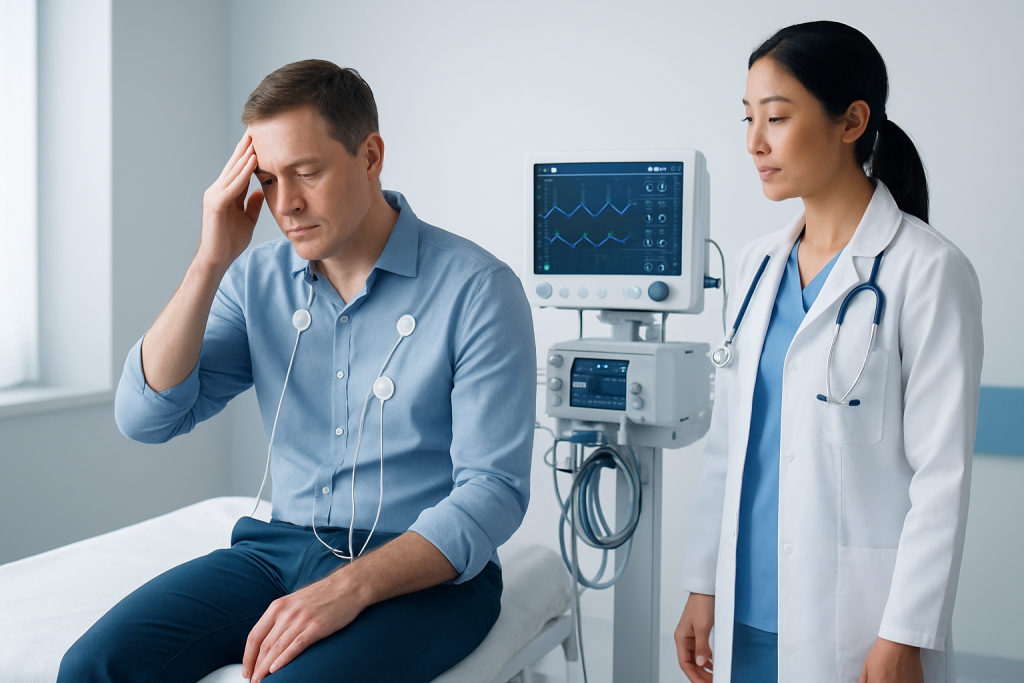
The most common clue is discomfort that begins after standing up. Some people describe it as a brief wave of lightheadedness, while others feel as if the room is narrowing or their vision is fading at the edges.
Symptoms can be mild and occasional, or they can be frequent enough to interfere with daily routines such as showering, waiting in line, or getting out of bed. A person may also notice a racing pulse, nausea, shakiness, fatigue, or difficulty concentrating during an episode.
- Dizziness or lightheadedness after standing
- Blurred or dim vision
- Weakness, unsteadiness, or “leg buckling”
- Palpitations or a rapid heartbeat
- Fainting, especially after a quick postural change
Symptoms that happen only in certain situations, such as after heat exposure, prolonged standing, or poor fluid intake, may still fit an orthostatic pattern. A clinician will usually ask about the timing, frequency, and triggers to understand whether the body is having trouble maintaining blood pressure or whether another problem is involved.
Causes & Risk Factors

Orthostatic symptoms can appear for many reasons, and more than one factor may be present at the same time. A common and often reversible cause is reduced fluid volume, which can happen with vomiting, diarrhea, sweating, poor intake, or blood loss.
Medicines are another frequent contributor. Blood pressure medicines, diuretics, some antidepressants, sedatives, and other drugs may make it harder for the body to keep pressure stable when standing. In older adults, age-related changes in blood vessel response and a higher chance of taking multiple medicines can increase the risk.
Less commonly, the problem reflects an underlying medical condition that affects nerve control, the heart, or the endocrine system. Examples include autonomic nervous system disorders, diabetes-related nerve damage, Parkinsonian conditions, anemia, heart rhythm disturbances, adrenal problems, and prolonged bed rest.
Risk tends to be higher in people who:
- Are older adults
- Take several medicines that can lower blood pressure
- Have diabetes, Parkinson’s disease, or another neurologic condition
- Are dehydrated or recovering from an illness
- Have a history of fainting or falls
Diagnosis
Diagnosis usually starts with a careful story of what happens when the person stands, how quickly it starts, and whether there has been loss of consciousness. A doctor will also review medication use, hydration habits, recent illness, and any history of heart or nerve disease.
Blood pressure and pulse are often measured while lying down and then again after standing for a short period. This simple step can reveal whether the blood pressure drops too much or whether the heart rate response seems unusual.
Depending on the situation, additional tests may be recommended to look for a cause. These may include an electrocardiogram, blood tests for anemia or electrolyte problems, glucose testing, or more specialized autonomic testing when nerve control is suspected.
When someone is arranging care from another country, it is helpful to bring a list of medicines, previous test results, and any records of fainting or falls. That makes it easier for the treating team to interpret the pattern quickly and decide whether the issue is primarily circulatory, cardiac, neurologic, or medication-related.
Treatment Options
Treatment is tailored to the cause. If dehydration, blood loss, or a medication effect is the main trigger, correcting that issue may significantly improve symptoms. In some cases, a doctor may adjust existing medicines or timing rather than stop treatment altogether.
For many people, the first layer of care focuses on practical measures that make standing safer and more comfortable. These may include drinking adequate fluids, rising slowly, avoiding long periods of motionless standing, and using compression garments if advised by a clinician.
When orthostatic symptoms are linked to autonomic dysfunction or persist despite basic measures, a doctor may recommend additional therapies. The choice depends on the person’s blood pressure pattern, heart status, and other medical conditions, so treatment should always be individualized and supervised.
Common treatment approaches can include:
- Medication review and adjustment
- Hydration and, in selected patients, salt optimization under medical guidance
- Compression stockings or abdominal support
- Physical counter-maneuvers, such as leg crossing or muscle tensing
- Selected prescription medicines when appropriate
Prevention & Self-care
Day-to-day habits can make a meaningful difference, especially for people who already know they are prone to lightheadedness. The goal is not to rush the body upright, but to give the circulation a little more time to adapt.
Simple routines often help: sit on the edge of the bed before standing, avoid getting up abruptly after naps, and be cautious in hot environments. Heat can widen blood vessels and make symptoms more likely, especially if fluid intake has been low.
People who travel for treatment may need extra planning. Keeping fluids accessible, allowing time between airport transfers and walking, and asking the medical team how to handle fasting, long flights, or medication schedules can reduce the chance of episodes on the road.
- Stand up in stages rather than in one quick motion
- Maintain regular fluid intake unless restricted by a doctor
- Limit alcohol if it worsens symptoms
- Use assistive support if unsteady
- Track symptom triggers and share them with the care team
When to See a Doctor
Medical evaluation is a good idea when dizziness or fainting happens more than once, is worsening, or begins to interfere with daily life. It is especially important if the person has fallen, recently started a new medicine, or has an existing condition that can affect blood pressure or heart rhythm.
Prompt review is also wise if symptoms occur after illness, poor intake, or blood loss, because the cause may be treatable and temporary. Even when the episodes seem familiar, a change in pattern can signal that the situation deserves reassessment.
Seek urgent medical care if orthostatic symptoms come with chest pain, severe shortness of breath, new weakness, trouble speaking, a prolonged fainting episode, or injury from a fall. In international-patient settings, multidisciplinary specialists and JCI-accredited hospitals such as those associated with Acibadem Health Point can evaluate and treat orthostatic disorders in a coordinated way for patients traveling from abroad.
Living With Orthostatic Symptoms
Living with orthostatic symptoms often means learning the body’s Heart Attack Warning Signs: Symptoms and When to Seek Help" class="ahp-ilk">warning signs early and responding before a full fainting episode develops. Many people find that recognizing patterns—such as symptoms after missed meals, heat, or standing still too long—helps them regain confidence.
Follow-up matters, particularly if the condition is linked to a chronic neurologic or cardiovascular issue. A clinician may revisit blood pressure readings, medication choices, hydration habits, and fall risk over time, because orthostatic problems can change with age, illness, and treatment.
For someone coordinating care from another country, clear discharge notes and a practical plan for follow-up are especially useful. That plan may include which symptoms require urgent attention, what to monitor at home, and when to check in with the treating physician after returning home.
Frequently asked questions
Is orthostatic disease the same as orthostatic hypotension?
Not exactly. Orthostatic disease is a broad phrase that may describe several conditions that cause symptoms on standing, while orthostatic hypotension refers specifically to a drop in blood pressure when a person stands up. A clinician uses the exam and test results to identify the exact pattern.
Can dehydration cause dizziness when standing?
Yes. Dehydration can reduce circulating fluid volume, making it harder for the body to maintain blood pressure when standing. This is a common and often reversible cause, although persistent symptoms should still be evaluated.
Why do some people faint after standing up quickly?
Standing quickly shifts blood toward the legs and lower body. If the blood vessels and heart do not compensate well enough, the brain may briefly receive less blood flow, leading to fainting or near-fainting.
What tests are usually done for orthostatic symptoms?
Doctors often start with blood pressure and pulse measurements in different positions. They may also order an ECG, blood tests, or autonomic testing depending on the person’s symptoms and medical history.
Can medicines make orthostatic symptoms worse?
Yes. Some medicines can lower blood pressure or affect the body’s ability to adjust when standing. A doctor may review the full medication list and decide whether any changes are needed.
What can help during a sudden episode of dizziness?
It usually helps to sit or lie down right away to reduce the chance of falling. Slow, deliberate breathing and waiting until the feeling passes before standing again can also help, but frequent episodes should be discussed with a doctor.
References
- American Heart Association
- Mayo Clinic
- National Institute of Neurological Disorders and Stroke
- Merck Manual Professional Edition
- National Health Service
This article is for general information only and is not a substitute for professional medical advice. Please consult a qualified doctor about your individual situation.
Explore treatments in Turkey — costs, top hospitals & a free quote
JCI-accredited · board-certified surgeons · reply within 24h
Add us as a Preferred Source to see more of our trusted health content across Google Search, AI Overviews and Discover.