Ophthalmic

Key Takeaways
- Ophthalmic care includes the prevention, diagnosis, and treatment of many eye and vision problems.
- Blurry vision, eye pain, flashes, floaters, and sudden changes in sight should never be ignored.
- Diagnosis may involve a detailed exam, imaging, pressure checks, and vision testing.
- Treatment can include prescription drops, glasses, procedures, surgery, and ongoing monitoring.
- Good eye care also depends on sun protection, diabetes control, screen habits, and regular checkups.
Ophthalmic care covers the evaluation and treatment of conditions that affect vision, the eyes, and the structures that support them. Understanding common symptoms, diagnosis, and treatment options can help patients seek timely care and protect long-term eye health.
Overview
“Ophthalmic” is a broad term that relates to the eyes and the medical care of eye conditions. In everyday use, it often refers to ophthalmic medicine, ophthalmic tests, or ophthalmic surgery. For patients, the important idea is simple: this is the part of healthcare that helps preserve sight, relieve discomfort, and address conditions that can quietly affect daily life.
Eye problems do not always begin with severe symptoms. Some develop gradually, such as cataracts or glaucoma, while others appear suddenly, such as an eye infection or a retinal issue. Because vision affects work, travel, reading, and driving, even small changes can deserve attention. A thoughtful ophthalmic evaluation can clarify whether the issue is minor, progressive, or urgent.
For international patients, ophthalmic care may start before travel with a review of records, prior imaging, medications, and any current symptoms. After arrival, the eye team may combine examination, diagnostic testing, and treatment planning in a coordinated way, which is especially helpful when follow-up needs to continue across borders.
Symptoms
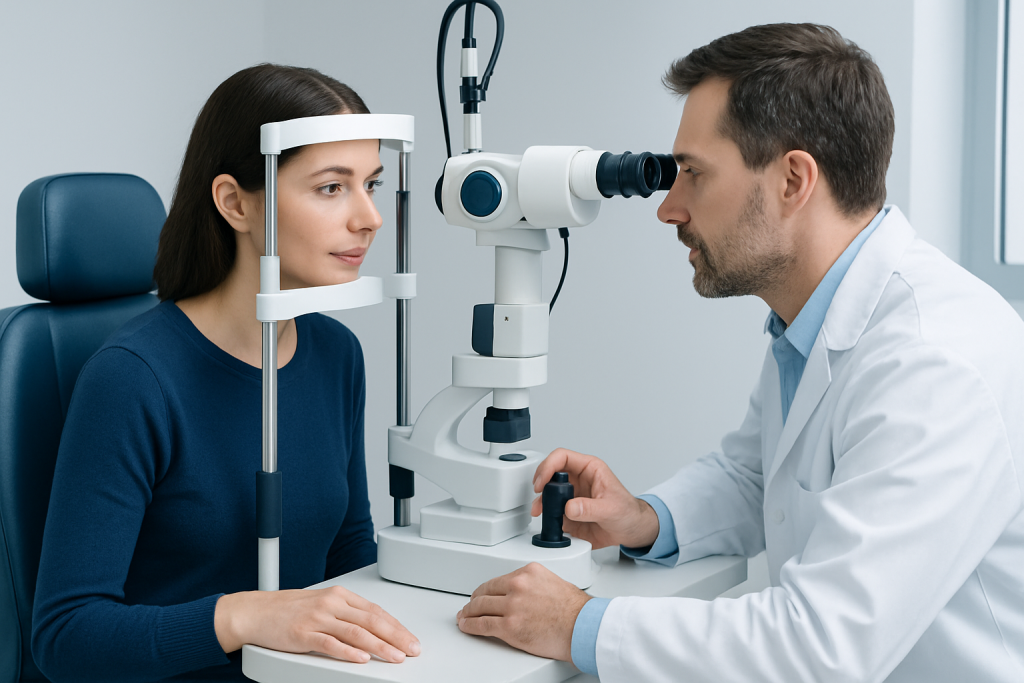
Eye conditions can show up in different ways depending on the cause. Some people notice blurred vision at distance or near, while others describe glare, halos, difficulty reading, or the sense that one eye is “not matching” the other. Mild irritation, dryness, tearing, or a foreign-body sensation may also point to an ophthalmic issue.
More concerning symptoms include eye pain, redness that does not settle, light sensitivity, sudden flashes of light, new floaters, a dark curtain over part of vision, double vision, or a rapid change in how clearly a person sees. These symptoms do not always mean something serious, but they do need prompt assessment so that the underlying cause can be identified early.
Children and older adults may present differently. A child may squint, sit close to screens, or avoid reading, while an older adult may assume worsening vision is “just age.” Both groups benefit from careful evaluation because the eyes can adapt to gradual change, making problems easier to miss.
Causes & Risk Factors

Ophthalmic complaints can arise from many different sources. Some are simple and temporary, such as dry eye, a scratched cornea, or seasonal allergy-related irritation. Others are chronic or more structurally related, including cataracts, glaucoma, diabetic eye disease, macular degeneration, corneal disorders, and retinal conditions.
Risk factors depend on the condition, but common ones include older age, diabetes, high blood pressure, family history of eye disease, prior eye injury, prolonged ultraviolet exposure, smoking, autoimmune conditions, and long-term use of certain medications. Contact lens wear, frequent screen use, and environmental dryness can also contribute to discomfort or surface problems, though they do not by themselves explain every symptom.
People with complex medical histories may need closer monitoring. For example, diabetes can affect the small vessels of the retina, and some systemic autoimmune diseases can cause inflammation inside or around the eye. Understanding the person as a whole, not just the symptom in one eye, helps clinicians choose the right exam and the right pace of treatment.
Diagnosis
An ophthalmic diagnosis usually begins with a detailed conversation about symptoms, onset, medical history, medicines, contact lens use, trauma, and previous procedures. The clinician then performs an eye examination tailored to the concern. This may include checking visual acuity, eye alignment, pupil response, the front of the eye, and the retina.
Depending on the findings, additional tests may be used. These can include tonometry to assess eye pressure, dilated fundus examination to inspect the back of the eye, optical coherence tomography (OCT) to image retinal layers, visual field testing to measure peripheral vision, corneal topography, and ultrasound or photos when deeper structures need closer review. Not every patient needs every test; the workup is selected based on the story the eye is telling.
For patients traveling from another country, having prior records and imaging available can make the process smoother. If language barriers exist, a clear written summary of symptoms, medications, and previous surgeries can be very helpful. A good ophthalmic evaluation should leave the patient understanding not only the diagnosis, but also whether the condition is stable, watchful, or in need of prompt treatment.
Treatment Options
Ophthalmic treatment depends entirely on the cause. Dry eye may improve with lubricating drops, environmental changes, and treatment of eyelid or gland dysfunction. Inflammation or infection may require prescription drops or oral medicine. Refractive problems such as nearsightedness, farsightedness, or astigmatism are often corrected with glasses, contact lenses, or selected procedures.
Some conditions are managed over time with regular monitoring, while others need intervention sooner. Cataracts are commonly treated with surgery when vision loss begins to interfere with daily life. Glaucoma treatment may involve pressure-lowering drops, laser procedures, or surgery. Retinal disease, corneal disease, and certain injuries may also require procedures or operative care, sometimes in stages.
Because the eye is delicate and highly specialized, treatment planning benefits from coordination among subspecialists when needed. International patients often appreciate having diagnostics, treatment discussions, and follow-up arranged in a clear sequence so they can return home with a realistic recovery plan and a schedule for ongoing care.
- Prescription eye drops or ointments for inflammation, pressure, allergy, or infection
- Corrective lenses or lens changes for refractive error
- Laser treatment for selected glaucoma or retinal conditions
- Surgery for cataracts, retinal problems, corneal disease, or injury-related issues
- Ongoing monitoring for chronic conditions that may change slowly over time
Prevention & Self-care
Many eye problems cannot be prevented completely, but healthy habits can lower risk and support long-term vision. Regular eye examinations are especially important for people with diabetes, family history of glaucoma, previous eye surgery, or new vision changes. Eye checks should also be part of routine adult preventive care, even when vision seems fine.
Daily habits matter. Sunglasses that block ultraviolet light help protect the eyes outdoors, while safety glasses are important for work, sports, and home projects where debris or impact could injure the eye. Good blood sugar control, blood pressure management, and smoking cessation can also reduce the burden of some eye diseases.
For dryness and strain, practical measures can make a real difference: blinking more during screen work, taking breaks, keeping hydrated, and using clinician-recommended lubricating drops when appropriate. Contact lens wearers should follow cleaning and replacement instructions carefully and avoid sleeping in lenses unless specifically advised to do so.
When to See a Doctor
Any sudden change in vision deserves medical attention. This includes sudden blurring, flashes, a shower of new floaters, loss of part of the visual field, double vision, or eye pain. These symptoms should be assessed promptly because some causes are time-sensitive and respond best when treated early.
It is also wise to arrange an eye visit if redness persists, one eye becomes noticeably different from the other, or headaches are accompanied by visual symptoms. People with diabetes, autoimmune disease, a family history of glaucoma, or previous eye injury should not wait for symptoms to become dramatic before seeking a review.
If treatment is being considered abroad, patients may benefit from a specialist team that can coordinate evaluation and follow-up clearly. Acibadem Health Point’s multidisciplinary specialists and JCI-accredited hospitals diagnose and treat ophthalmic conditions for international patients, with care designed to support both treatment and recovery planning.
Prevention & Self-care
Many eye problems cannot be prevented completely, but healthy habits can lower risk and support long-term vision. Regular eye examinations are especially important for people with diabetes, family history of glaucoma, previous eye surgery, or new vision changes. Eye checks should also be part of routine adult preventive care, even when vision seems fine.
Daily habits matter. Sunglasses that block ultraviolet light help protect the eyes outdoors, while safety glasses are important for work, sports, and home projects where debris or impact could injure the eye. Good blood sugar control, blood pressure management, and smoking cessation can also reduce the burden of some eye diseases.
For dryness and strain, practical measures can make a real difference: blinking more during screen work, taking breaks, keeping hydrated, and using clinician-recommended lubricating drops when appropriate. Contact lens wearers should follow cleaning and replacement instructions carefully and avoid sleeping in lenses unless specifically advised to do so.
When to See a Doctor
Any sudden change in vision deserves medical attention. This includes sudden blurring, flashes, a shower of new floaters, loss of part of the visual field, double vision, or eye pain. These symptoms should be assessed promptly because some causes are time-sensitive and respond best when treated early.
It is also wise to arrange an eye visit if redness persists, one eye becomes noticeably different from the other, or headaches are accompanied by visual symptoms. People with diabetes, autoimmune disease, a family history of glaucoma, or previous eye injury should not wait for symptoms to become dramatic before seeking a review.
If treatment is being considered abroad, patients may benefit from a specialist team that can coordinate evaluation and follow-up clearly. Acibadem Health Point’s multidisciplinary specialists and JCI-accredited hospitals diagnose and treat ophthalmic conditions for international patients, with care designed to support both treatment and recovery planning.
Frequently asked questions
What does ophthalmic mean in healthcare?
Ophthalmic refers to the eyes and to medical care related to eye conditions. It can describe medicines, tests, procedures, or surgery used to diagnose and treat vision problems. In practice, it is a broad term that covers many forms of eye care.
Which symptoms need urgent eye evaluation?
Sudden vision loss, flashes of light, a burst of new floaters, severe eye pain, or a curtain-like shadow over vision should be checked promptly. These symptoms can have several causes, and early assessment helps protect vision. Even if the problem turns out to be minor, it is better to be evaluated early.
Are all blurry vision problems serious?
Not always, since blurry vision can come from dry eyes, needing a new prescription, or temporary strain. Still, sudden or one-sided blurring should not be ignored because it may signal a more significant eye problem. A proper exam helps tell the difference.
How is an ophthalmic exam different from a basic vision test?
A basic vision test usually checks how clearly someone sees, often for glasses or contact lenses. An ophthalmic exam is more detailed and can include pressure checks, pupil testing, retinal examination, and imaging. It helps identify disease as well as refractive error.
Can eye disease be present without symptoms?
Yes. Conditions such as glaucoma or diabetic eye disease may progress quietly at first. That is one reason regular eye examinations are important, especially for people with risk factors.
What can patients do before traveling for eye treatment?
They should gather prior prescriptions, surgical notes, imaging, and a list of current medicines. It also helps to write down symptoms, when they began, and which eye is affected. This makes the initial consultation more efficient and supports better follow-up planning after returning home.
References
- American Academy of Ophthalmology
- National Eye Institute
- World Health Organization
- Mayo Clinic
This article is for general information only and is not a substitute for professional medical advice. Please consult a qualified doctor about your individual situation.