Are Styes Contagious

Key Takeaways
- Most styes are caused by an inflamed or blocked eyelid oil gland, often involving common skin bacteria.
- A stye itself is not highly contagious, but the bacteria that contribute to it can spread by touch, towels, makeup, or contact lenses.
- Warm compresses and gentle eyelid care are often the first steps, while squeezing or popping a stye can make it worse.
- Recurring styes, swelling beyond the eyelid, or vision changes deserve medical evaluation.
- Good hand hygiene, careful makeup habits, and contact lens cleanliness help reduce the chance of future styes.
A stye is a common, usually short-lived eyelid bump that can look uncomfortable and inconvenient, but it is rarely a reason for alarm. Most styes are not contagious in the way many people think, although the bacteria involved can sometimes spread through shared items or poor hand hygiene.
Overview
A stye is a small, tender bump that forms on or near the edge of the eyelid. It usually appears quickly and may look like a pimple, a swollen spot, or a tiny boil. For many people, the first question is not only how to treat it, but whether they might pass it to someone else.
The short answer is that a stye is generally not considered highly contagious. It is often related to inflammation or blockage in an eyelid gland, and bacteria commonly found on the skin can play a role. That means the condition itself does not usually spread from person to person in the same direct way as a cold, but the germs involved can sometimes be transferred through contact.
This distinction matters for daily life. Someone with a stye does not usually need to isolate from family, colleagues, or children. Still, sensible hygiene helps protect both the affected person and others, especially in homes where towels, cosmetics, and eye products are shared without much thought.
Symptoms
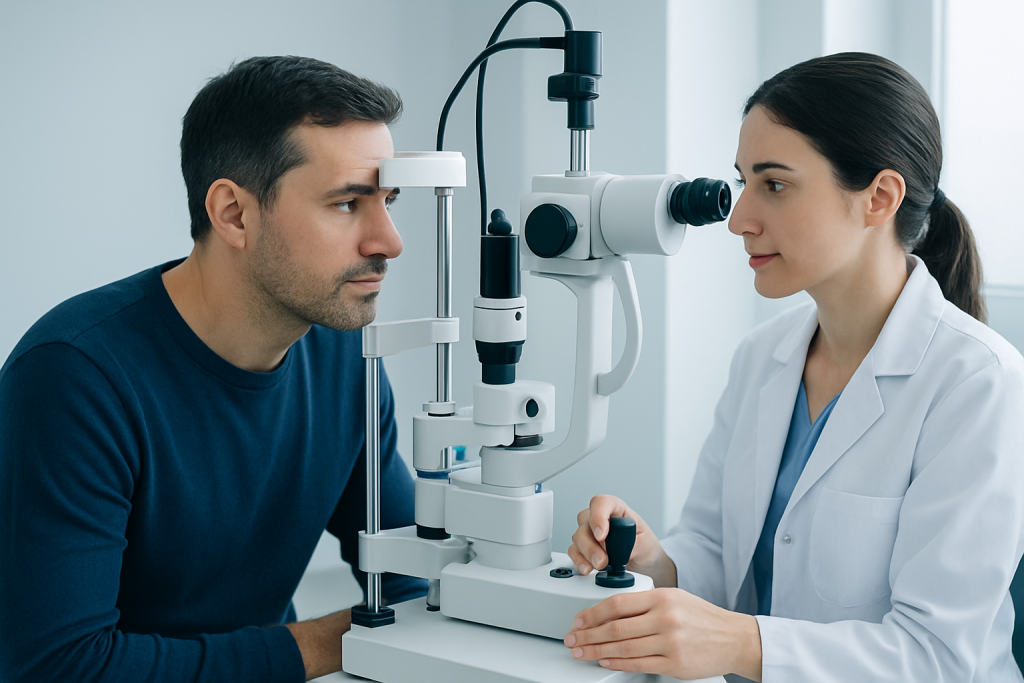
Styes are usually easy to recognize because they tend to be localized and uncomfortable. The eyelid may feel sore, swollen, warm, or sensitive to touch, and the bump itself may have a visible red center. Some people notice tearing, mild crusting, or a feeling that something is irritating the eye.
There are two common patterns. An external stye appears along the lash line and often resembles a small pimple. An internal stye develops deeper inside the eyelid and may cause more diffuse swelling or pressure. Either type can make blinking uncomfortable, but the eye itself usually remains clear.
People sometimes confuse a stye with other eyelid problems such as a chalazion, which is typically firmer and less painful. If a bump keeps growing, lasts longer than expected, or changes the appearance of the eye in an unusual way, it is wise to have it examined rather than assuming it is a routine stye.
Causes & Risk Factors

Most styes develop when an oil gland in the eyelid becomes blocked and irritated. Bacteria, especially Staphylococcus aureus, may contribute to the inflammation. The result is a tender, localized infection or inflammation that creates the familiar bump.
Certain habits and conditions make styes more likely. Touching the eyes often, leaving makeup on for long periods, using expired cosmetics, or wearing contact lenses without careful cleaning can all increase risk. People with blepharitis, rosacea, or a history of recurrent eyelid inflammation may be more prone to repeated styes.
- Frequent eye rubbing
- Shared towels, pillowcases, or makeup products
- Contact lens misuse or poor lens hygiene
- Chronic eyelid inflammation, such as blepharitis
- Skin conditions that affect oil glands
In international travel or shared living settings, these small habits matter even more. A guest room towel, a borrowed eye mask, or reused makeup tools can move bacteria from one person to another, even if the stye itself is not highly contagious.
Diagnosis
In most cases, a doctor diagnoses a stye by looking at the eyelid and asking a few questions about symptoms, eye habits, and any previous episodes. No special test is usually required. The main goal is to confirm that the bump is a stye and not another eyelid condition that needs different care.
During an assessment, the clinician may check whether the redness is limited to the eyelid or spreading into the surrounding skin. They may also ask about vision changes, fever, eye injury, contact lens use, or recurrent bumps. These details help distinguish an uncomplicated stye from something that needs closer attention.
For patients seeking care while traveling, diagnosis is often straightforward and can usually be completed during a brief outpatient visit. If a person has ongoing eyelid problems, a specialist may look for blepharitis, gland blockage, or underlying skin issues that are making the styes come back.
Treatment Options
Most styes improve with simple home care. Warm compresses are often the first step because they can help the blocked gland open and drain naturally. A clean cloth soaked in warm water is typically placed gently over the closed eyelid for several minutes at a time, repeated a few times each day.
It is important not to squeeze, pop, or prick a stye. Doing so can push bacteria deeper into the tissue and increase irritation. Eye makeup should usually be paused until the eyelid heals, and contact lenses may need to be avoided temporarily to reduce discomfort and contamination risk.
If the stye is large, persistent, or especially painful, a doctor may recommend prescription treatment. In some cases, antibiotic ointment or other medical care may be considered, especially if the infection is spreading or if recurrent eyelid disease is present. Rarely, a minor procedure is needed to drain a stubborn stye in a sterile setting.
People who travel for care should know that treatment is usually outpatient and recovery is often managed at home or in the hotel or apartment where they are staying. Clear aftercare instructions, clean hands, and follow-up communication with the clinic help support healing without unnecessary disruption to the trip.
Prevention & Self-care
Prevention begins with small, repeatable habits. Handwashing before touching the face, especially the eyelids, lowers the chance of moving bacteria into the area. It also helps to replace eye makeup regularly and avoid using old or shared products that may harbor germs.
Contact lens wearers should follow lens hygiene carefully, including proper cleaning, storage, and replacement schedules. People who are prone to styes may also benefit from gentle eyelid cleaning, especially if a doctor has mentioned blepharitis or oily lid margins. A simple daily eyelid routine can make a meaningful difference over time.
- Do not share towels, pillowcases, or eye makeup
- Remove makeup before sleeping
- Wash hands before and after touching the eyes
- Replace expired mascara, eyeliner, and other eye products
- Follow contact lens care instructions exactly
For someone recovering far from home, these habits can be especially useful because they do not depend on local supplies or complicated treatment plans. A few clean towels, fresh products, and a consistent routine can support recovery almost anywhere.
When to See a Doctor
Although most styes settle with home care, medical advice is appropriate if the bump keeps enlarging, becomes very painful, or does not begin improving after several days. A doctor should also be seen if swelling spreads beyond the eyelid, if the eye itself becomes red or painful, or if vision seems blurred.
Recurrent styes are another reason for evaluation. Repeated episodes can point to blepharitis, chronic gland blockage, skin inflammation, or a need for more tailored eyelid care. In these situations, treatment is often less about the single bump and more about reducing the pattern that keeps bringing it back.
Urgent care is especially important if a person has fever, facial swelling, difficulty opening the eye, or significant light sensitivity. These signs do not automatically mean something serious, but they do justify prompt assessment. Acibadem Health Point’s multidisciplinary specialists and JCI-accredited hospitals can diagnose and treat this condition for international patients when an in-person evaluation is needed.
Living With a Stye While Traveling
For travelers, a stye can be frustrating because it appears at the very moment comfort and appearance feel most important. The good news is that the condition is usually manageable without major disruption. Most people can continue ordinary activities while taking care to keep the eyelid clean and avoid touching it unnecessarily.
If a person is abroad for work, family visits, or medical treatment, it helps to build a simple care plan: warm compresses, clean hands, no eye makeup, and no lens wear until the eye is comfortable again. If symptoms are not settling or the eyelid looks increasingly swollen, a local clinician should assess the eye rather than waiting for the trip to end.
When follow-up is needed across borders, written instructions and clear communication with the treating team can make recovery smoother. A stye is usually a small problem, but consistent care and good hygiene make it easier to resolve without turning into a bigger inconvenience.
Frequently asked questions
Are styes contagious from person to person?
A stye itself is usually not highly contagious. The bacteria involved can sometimes spread through direct contact or shared items, so good hygiene is still important. Most people do not need to avoid normal contact with others.
Can I go to work or school with a stye?
In most cases, yes. A stye is usually managed without staying away from others, as long as the person avoids touching the eye and keeps good hand hygiene. If the eye is very swollen or painful, rest and medical advice may be helpful.
Should I pop a stye?
No, it should not be squeezed or popped. Doing so can worsen irritation and may spread infection deeper into the eyelid. Warm compresses are generally safer and often more helpful.
How long does a stye usually last?
Many styes begin to improve within a few days and clear on their own with simple care. If it lingers, keeps returning, or becomes more uncomfortable, a doctor should examine it. Persistent bumps may not be a stye at all and may need different treatment.
Can contact lenses make a stye worse?
They can, especially if the lenses or case are not clean or if the eye is already irritated. It is usually best to pause lens wear until the eyelid has healed and the eye feels comfortable again. A clinician can advise when it is safe to restart lenses.
What is the difference between a stye and a chalazion?
A stye is usually more tender, red, and inflamed, while a chalazion is often firmer and less painful. Both involve the eyelid glands, but they are not exactly the same problem. If the bump is unclear or not improving, a doctor can help tell them apart.
References
- American Academy of Ophthalmology
- National Eye Institute
- Mayo Clinic
- Cleveland Clinic
This article is for general information only and is not a substitute for professional medical advice. Please consult a qualified doctor about your individual situation.