Nissen Fundoplication

Key Takeaways
- Nissen fundoplication is a surgical treatment for reflux disease, not a first-step therapy.
- The operation wraps the upper stomach around the lower esophagus to support the anti-reflux barrier.
- It may be recommended when symptoms persist despite medication, or when reflux has caused complications.
- Recovery usually includes a staged return to eating and temporary dietary adjustments.
- A careful preoperative evaluation helps determine whether surgery is the right choice and which anti-reflux approach is most suitable.
Nissen fundoplication is an anti-reflux operation that helps reinforce the lower esophageal sphincter so stomach contents are less likely to move back into the esophagus. It is usually considered for people with persistent GERD symptoms, complications, or a hiatal hernia when medicine and lifestyle changes are not enough.
Overview
Nissen fundoplication is one of the best-known operations for gastroesophageal reflux disease, often called GERD. In simple terms, it helps the body’s natural barrier between the esophagus and stomach work more effectively, so acid and food are less likely to flow backward and cause irritation.
The procedure is usually done for people whose reflux remains troublesome even after medication and lifestyle changes, or for those who have a hiatal hernia contributing to symptoms. It may also be discussed when reflux has led to inflammation, narrowing, breathing-related symptoms, or long-term concern about the esophagus.
For international patients, this operation is often considered only after a detailed review of symptoms, testing, travel plans, and the support available during recovery. That broader planning matters, because the best surgical result depends not only on the operation itself, but also on choosing the right candidate and preparing for follow-up after returning home.
Symptoms and Why Surgery May Be Considered
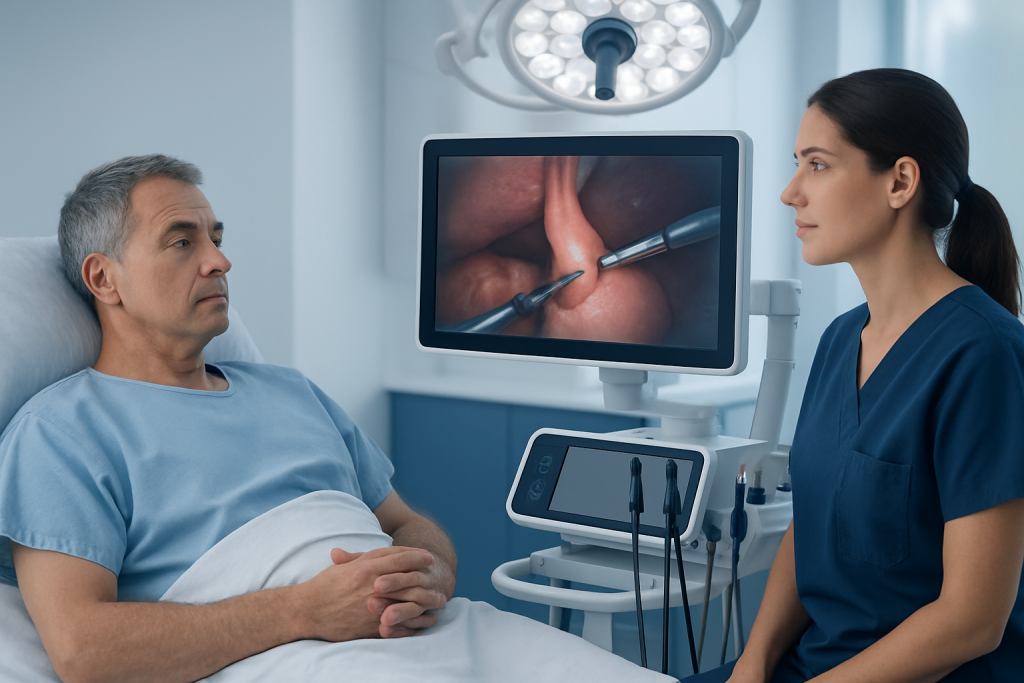
GERD can look different from one person to another. Some people mainly notice heartburn or a sour taste in the mouth, while others have chest discomfort, regurgitation, trouble swallowing, chronic cough, or hoarseness. Night-time reflux and symptoms that interfere with meals, sleep, or daily work often prompt a more detailed evaluation.
Nissen fundoplication is not performed simply because reflux exists. It is generally considered when symptoms remain frequent or difficult to manage despite appropriate treatment, or when the pattern of symptoms suggests a structural problem such as a hiatal hernia. Doctors also think about surgery when long-term medication is not desired, not tolerated, or not effective enough.
Some people are surprised that reflux surgery may be discussed for symptoms outside the digestive tract, such as cough or asthma-like complaints. In these cases, physicians first try to confirm that reflux is truly the likely cause, since treating the wrong condition with surgery would not bring the expected relief.
Causes & Risk Factors
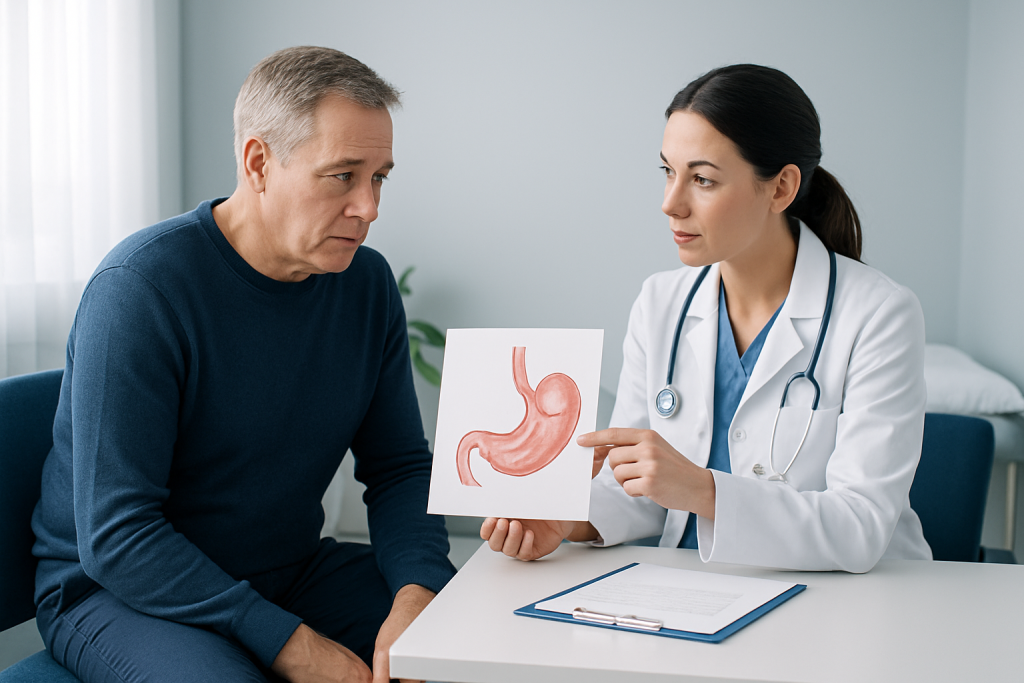
GERD occurs when the lower esophageal sphincter, the muscular ring that helps keep stomach contents in place, does not close as well as it should. A hiatal hernia, in which part of the stomach moves upward through the diaphragm, can make this barrier weaker and worsen reflux.
Several factors may make reflux more likely or more troublesome. These include excess abdominal pressure, certain eating patterns, pregnancy, smoking, some medications, and connective tissue conditions. Not every person with these factors needs surgery; many improve with non-surgical management.
The key question is not only why reflux developed, but whether the anatomy and symptom pattern make a mechanical repair sensible. That is why surgeons and gastroenterologists often review endoscopy findings, reflux testing, and sometimes swallowing studies before recommending fundoplication.
Diagnosis and Preoperative Evaluation
Before Nissen fundoplication is recommended, doctors usually confirm both the diagnosis of reflux and the likely benefit of surgery. This may include an upper endoscopy, pH or impedance testing to measure reflux episodes, esophageal manometry to assess movement and valve function, and sometimes imaging to evaluate a hiatal hernia.
These tests help answer practical questions: Is reflux objectively present? Is the esophagus able to push food through normally? Is the anatomy suitable for a complete wrap, or would another anti-reflux approach fit better? The answers matter because the operation should be tailored to the person, not just to the diagnosis label.
For patients traveling from another country, arranging this work-up in sequence can save time and reduce uncertainty. A clear preoperative plan also helps coordinate anesthesia review, dietary instructions, and expected length of stay so recovery can begin without unnecessary delays.
Treatment Options
Nissen fundoplication is usually performed laparoscopically, through several small incisions, although the exact approach depends on the case. During the operation, the upper part of the stomach is wrapped around the lower esophagus to strengthen the barrier against reflux. If a hiatal hernia is present, it is commonly repaired during the same surgery.
There are variations of anti-reflux surgery. A full Nissen wrap is a 360-degree wrap, while partial wraps are used in selected patients when swallowing function or other factors suggest a less tight reconstruction may be better. The choice is individualized and depends on test results, anatomy, and the surgeon’s judgment.
After surgery, most people transition gradually from liquids to soft foods and then to a regular diet as tolerated. Temporary fullness, burping difficulty, or bloating can occur during healing, and the care team usually gives specific guidance on meal size, texture, posture after meals, and activity limits.
- Laparoscopic Nissen fundoplication is the most common modern approach.
- Hiatal hernia repair is often done at the same time.
- Some patients may be better served by a partial wrap rather than a full wrap.
- Follow-up is important to monitor swallowing, reflux control, and recovery.
Recovery, Prevention & Self-care
Recovery after Nissen fundoplication usually happens in stages. The first days are focused on rest, pain control, hydration, and learning how to eat in a way that protects the repair. Smaller meals, careful chewing, and avoiding foods that are hard to swallow are common early instructions.
Self-care is less about preventing the surgery itself and more about supporting healing and helping the result last. Patients are often advised to avoid heavy lifting for a period, walk regularly, follow the recommended diet progression, and report problems such as persistent vomiting, fever, severe pain, or inability to swallow liquids.
Even after successful surgery, healthy habits still matter. Maintaining a comfortable weight, avoiding late-night meals, and being mindful of reflux triggers can support long-term symptom control. For people recovering abroad, it is especially helpful to leave with written instructions, contact information, and a plan for follow-up with both the surgical team and the home doctor.
Benefits, Risks, and Possible Limitations
When it works well, Nissen fundoplication can reduce reflux symptoms and the need for long-term acid-suppressing medication. Many patients value the ability to sleep better, eat with fewer reflux episodes, and reduce the irritation that acid has been causing in the esophagus.
Like any operation, however, it has possible risks and trade-offs. These may include difficulty swallowing during the healing phase, bloating, inability to burp easily, gas discomfort, bleeding, infection, or recurrence of reflux over time. A small number of people may need further evaluation or additional treatment if symptoms return or if the wrap is too tight or too loose.
This is why careful selection is so important. The goal is not to promise a perfect outcome, but to match the procedure to the person most likely to benefit and to prepare them for a realistic recovery course.
When to See a Doctor
A doctor should be consulted if reflux symptoms are frequent, disrupt sleep, or continue despite treatment. Medical review is also important if swallowing becomes difficult, food feels stuck, chest symptoms are new or unclear, or weight loss happens without trying.
Anyone considering anti-reflux surgery should seek an experienced gastroenterologist and surgeon for a full evaluation. That is especially true when care is being planned internationally, because timing, testing, and recovery logistics need to fit together smoothly.
Acibadem Health Point’s multidisciplinary specialists and JCI-accredited hospitals diagnose and treat Nissen fundoplication cases for international patients, with coordinated care from evaluation through follow-up. Patients are still encouraged to discuss the details of their own situation with a qualified doctor before making any decision.
Frequently asked questions
What does Nissen fundoplication do?
Nissen fundoplication strengthens the lower esophageal valve by wrapping the upper stomach around the lower esophagus. This makes it harder for stomach contents to reflux upward. It is intended to reduce symptoms and protect the esophagus in carefully selected patients.
Who is a good candidate for this surgery?
People with confirmed GERD who still have troublesome symptoms despite appropriate treatment may be considered. It may also be an option for certain patients with a hiatal hernia or reflux-related complications. A full evaluation is needed before deciding.
Is the procedure always laparoscopic?
It is often done laparoscopically, which uses small incisions and usually supports a shorter recovery. In some situations, another surgical approach may be more appropriate. The surgeon decides based on anatomy, prior surgery, and overall health.
How long does recovery take?
Recovery varies, but the first weeks usually involve dietary changes and gradual return to normal activities. Swallowing and bloating often improve as healing progresses. Follow-up visits help the care team check that recovery is on track.
Can reflux come back after fundoplication?
Yes, symptoms can return in some people over time, although many experience meaningful improvement. The chance of recurrence depends on several factors, including the underlying anatomy and how the repair heals. Ongoing follow-up is helpful if new symptoms appear.
Will I still need reflux medicine after surgery?
Some people reduce or stop medication after a successful operation, while others may still need it occasionally. The need for medicine depends on symptoms and the doctor’s assessment after recovery. The main goal is to improve control in a durable way.
References
- American College of Gastroenterology
- Society of American Gastrointestinal and Endoscopic Surgeons
- National Institute of Diabetes and Digestive and Kidney Diseases
- Mayo Clinic
- NHS
This article is for general information only and is not a substitute for professional medical advice. Please consult a qualified doctor about your individual situation.