Thalamus And

Key Takeaways
- The thalamus acts as a major relay center for sensory signals and brain communication.
- Thalamus problems may affect sensation, movement, vision, alertness, memory, or mood.
- Common causes include stroke, injury, tumor, inflammation, infection, and certain neurological diseases.
- Diagnosis usually relies on neurological examination and brain imaging, especially MRI or CT.
- Treatment depends on the underlying cause and may include medication, rehabilitation, or surgery in selected cases.
The thalamus is a small but essential brain structure that helps relay sensory information, support movement, and influence alertness and sleep. Problems affecting the thalamus can produce a wide range of symptoms, so careful neurological evaluation is important.
Overview
The thalamus is a deep brain structure that sits near the center of the brain and helps organize information before it reaches the rest of the nervous system. A useful way to think about it is as a busy transfer station: incoming signals from the body and the senses pass through thalamic pathways on their way to the appropriate parts of the brain.
It does more than forward messages. The thalamus also participates in attention, wakefulness, sleep rhythms, pain processing, memory-related circuits, and coordinated movement. Because it is linked to so many functions, a problem in the thalamus can produce symptoms that seem broad or unrelated at first.
For international patients seeking care, this can feel confusing: one person may notice numbness, another may have changes in alertness, and another may struggle with balance or eye movement. A specialist’s job is to connect those clues to the right cause and choose the most suitable next step.
Symptoms
Symptoms depend on which part of the thalamus is affected and how quickly the problem develops. Some people notice sudden changes, especially after a stroke, while others experience symptoms that build gradually over days, weeks, or longer.
Possible symptoms include numbness or altered sensation on one side of the body, burning pain, weakness, coordination problems, unusual eye movement, changes in alertness, or difficulty speaking clearly. Some people also develop memory issues, slowed thinking, mood changes, or sleep disruption.
- Sensory loss, tingling, or abnormal pain
- Clumsiness or trouble with balance
- Sleepiness, confusion, or reduced awareness
- Vision changes or abnormal eye control
- Memory, attention, or mood changes
Thalamic pain syndrome is one well-known pattern after certain strokes, where discomfort can become persistent and difficult to ignore. Even then, symptoms vary from person to person, and a careful assessment is needed to identify the actual cause rather than assuming one diagnosis.
Causes & Risk Factors

Several different conditions can affect the thalamus. Stroke is one of the most common causes, especially when blood flow to a thalamic artery is interrupted or when bleeding occurs in or near the thalamus. Because the thalamus is deep in the brain, even a relatively small event can have noticeable effects.
Other possible causes include head injury, brain tumors, infections, inflammatory or autoimmune conditions, and certain neurodegenerative diseases. In some cases, symptoms arise from problems in nearby brain pathways rather than the thalamus alone, which is one reason imaging is so important.
Risk factors depend on the underlying condition. Vascular risk factors such as high blood pressure, diabetes, smoking, and high cholesterol can increase stroke risk. A history of cancer, immune disease, recent infection, or significant head trauma may point to other explanations. In international-patient settings, it is especially helpful to bring previous scans, medication lists, and discharge summaries, since those details can shorten the path to an accurate diagnosis.
Diagnosis
Diagnosis begins with a neurological examination. A doctor typically asks about the exact symptoms, when they started, whether they are constant or fluctuating, and whether there has been any stroke-like event, injury, fever, cancer history, or autoimmune illness.
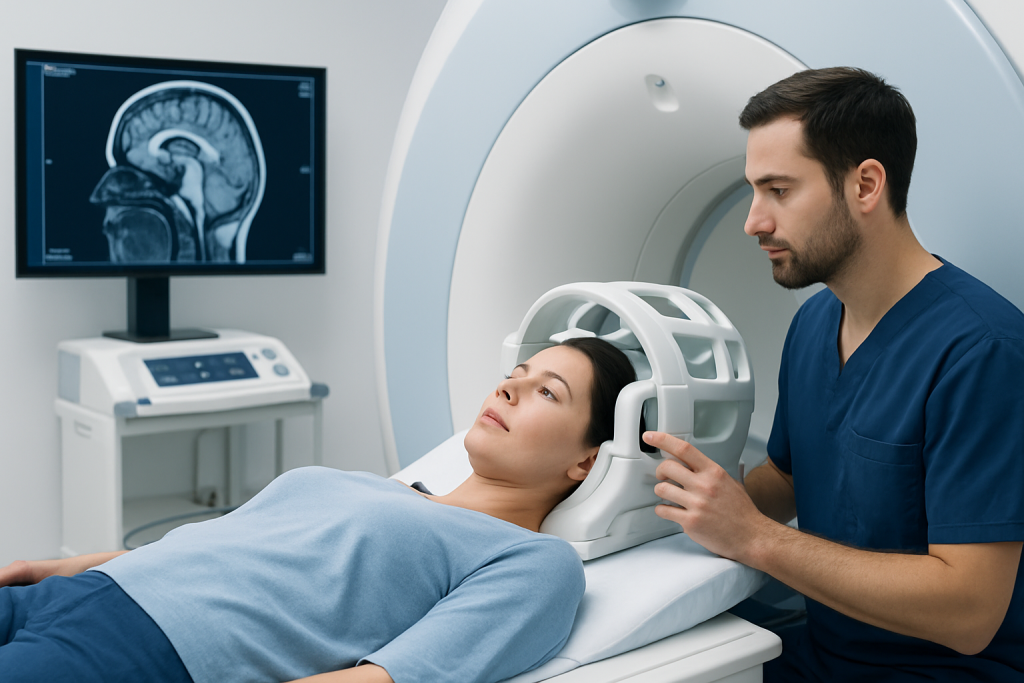
Brain imaging is often the next key step. MRI provides detailed views of the thalamus and surrounding structures, while CT may be used quickly in urgent situations, particularly to look for bleeding. Depending on the situation, blood tests, vascular studies, lumbar puncture, or additional neurological tests may also be recommended.
The diagnostic process is often more than naming a lesion; it is about understanding the pattern. For example, a small stroke, an inflammatory lesion, and a tumor can all affect the thalamus, but the treatment and follow-up will differ. Clear communication with the care team matters, especially when a patient is traveling and needs a plan that is understandable, organized, and safe to continue at home.
Treatment Options
Treatment depends entirely on the cause. If a stroke is responsible, care may focus on stabilizing the patient, preventing further injury, managing blood pressure or clot-related issues, and beginning rehabilitation early when appropriate. If there is bleeding, urgent neurovascular evaluation is often needed.
When the cause is a tumor, treatment may involve surgery, radiotherapy, chemotherapy, or a combination, depending on the type and location. Inflammatory or autoimmune conditions are often treated with medications that calm the immune response. Infections require targeted antimicrobial therapy, while some traumatic or structural problems need observation, rehabilitation, or specialist procedures.
Supportive care can be just as important as cause-specific treatment. Pain management, physical therapy, occupational therapy, speech therapy, sleep support, and cognitive rehabilitation may help people regain daily function. For patients traveling from another country, treatment planning should also include follow-up timing, medication access, and a clear handover to local clinicians once they return home.
Prevention & Self-care
Not every thalamus problem can be prevented, but some of the most important risks can be reduced. Controlling blood pressure, blood sugar, and cholesterol, avoiding smoking, staying physically active as advised, and following medical recommendations after a stroke or head injury all support brain health.
Self-care is shaped by the symptom pattern. A person recovering from a thalamic stroke may need rest breaks, safe walking support, and supervised rehabilitation. Someone dealing with sensory discomfort may benefit from pacing activities, protecting numb areas from injury, and keeping a symptom diary to help the clinician understand triggers.
Sleep hygiene, hydration, nutrition, and medication adherence also matter. If a patient is receiving care away from home, it helps to keep a written list of medicines, discharge instructions, and emergency contacts. That record can make transitions between hospitals, airports, and local follow-up appointments much smoother.
- Attend recommended rehabilitation sessions consistently
- Take prescribed medicines exactly as directed
- Monitor blood pressure and vascular risk factors
- Protect the body from falls or injury if sensation is reduced
- Keep follow-up appointments, even if symptoms improve
When to See a Doctor
Medical evaluation should be sought promptly if symptoms appear suddenly, especially if there is one-sided numbness, weakness, severe headache, confusion, speech difficulty, trouble seeing, or loss of coordination. Sudden neurological symptoms can signal a stroke or another urgent brain condition and should not be watched at home.
Even when symptoms are gradual, ongoing numbness, unusual pain, memory changes, or sleepiness deserve a specialist review. A doctor can determine whether the thalamus is involved and whether the cause is vascular, inflammatory, infectious, traumatic, or related to a mass lesion.
After treatment, follow-up is important if symptoms change, side effects develop, or rehabilitation seems stalled. Acibadem Health Point works with multidisciplinary specialists and JCI-accredited hospitals to diagnose and treat neurological conditions for international patients, with care designed to support both treatment and recovery planning.
Living With Thalamus Problems
Recovery can be gradual, and symptoms may improve unevenly over time. Some people regain function quickly after treatment, while others need a longer rehabilitation period to adapt to sensory changes, fatigue, or balance issues. Progress is often best measured in small gains that build on one another.
Family members and caregivers can help by noticing changes in alertness, safety, mood, and daily function. Because thalamic conditions can affect both body and mind, follow-up care often works best when neurological, rehabilitation, and sometimes psychological support are coordinated rather than separated into silos.
For patients who have traveled for care, planning the return journey is part of treatment, not an afterthought. Clear instructions about warning signs, activity limits, medicines, and follow-up imaging help reduce uncertainty and support safer recovery at home.
Frequently asked questions
What does the thalamus do in the brain?
The thalamus helps relay and organize information traveling through the brain, especially sensory signals. It also contributes to alertness, sleep, movement coordination, and some aspects of memory and attention.
Can a thalamus problem cause numbness or pain?
Yes. Because the thalamus helps process sensation, damage there can cause numbness, tingling, or an unusual burning pain. Some people develop persistent pain after a thalamic stroke.
Is a thalamus disorder always a stroke?
No. Stroke is a common cause, but thalamus symptoms can also come from injury, tumor, infection, inflammation, or other neurological diseases. Imaging and specialist evaluation are needed to identify the cause.
How is a thalamus condition diagnosed?
Doctors usually start with a neurological examination and then use brain imaging, often MRI or CT, to look at the thalamus and nearby structures. Other tests may be added depending on the suspected cause.
Can thalamus-related symptoms improve?
Many symptoms can improve, especially when the underlying cause is treated quickly and rehabilitation begins early. The degree of recovery varies, so follow-up and individualized therapy are important.
What should someone do if thalamus symptoms start suddenly?
Sudden one-sided weakness, numbness, trouble speaking, confusion, or vision changes should be treated as urgent. Emergency medical care is important because these can be signs of stroke or another serious brain problem.
References
- National Institute of Neurological Disorders and Stroke
- Mayo Clinic
- World Health Organization
- American Stroke Association
- Merck Manual Professional Edition
This article is for general information only and is not a substitute for professional medical advice. Please consult a qualified doctor about your individual situation.
More from the Health Library



Related Specialists

Dr. Nezail Demirciler
Plastic, Reconstructive and Aesthetic Surgery
Dr. Harika Bodur Öztürk
Gynecology & Obstetrics
Dr. Duygu Demirbaş Keskin
Ear Nose & Throat
Prof. Dr. Elif Ilgaz Aydınlar
Neurology