Sciatic Nerve Pain Relief

Key Takeaways
- Sciatic nerve pain usually follows the path of the sciatic nerve and can cause pain, tingling, numbness, or weakness.
- Many cases improve with guided movement, physical therapy, and time, but treatment depends on the cause.
- Good posture, safe lifting, and targeted exercises may help reduce flare-ups and support recovery.
- A doctor should assess severe pain, progressive weakness, bowel or bladder changes, or symptoms after an injury.
Sciatic nerve pain, often called sciatica, can send discomfort from the lower back into the buttock, leg, or foot. Relief usually starts with understanding the cause, easing pressure on the nerve, and choosing the right mix of activity, rehabilitation, and medical care.
Overview
Sciatic nerve pain is a symptom, not a diagnosis on its own. It happens when the sciatic nerve, which runs from the lower spine through the buttock and down each leg, becomes irritated or compressed. The pain often feels sharp, burning, or electric-like, and it may travel farther down one leg than a person expects from a problem in the back.
For many people, the first question is not only what the pain is, but how to get through daily life while it settles. That can mean sleeping more comfortably, walking without fear of worsening the pain, and deciding whether self-care is enough or a specialist should be involved. The most useful relief plan usually starts with identifying the source of the nerve irritation, because sciatica is commonly linked to another condition such as a disc problem, spinal narrowing, or muscle-related compression.
When people seek care from another country, they often want a clear path rather than a long trial-and-error process. A well-organized evaluation can help determine whether the pain is likely to improve with conservative treatment, whether imaging is needed, or whether rehabilitation or a procedure would be more appropriate.
Symptoms
Sciatic nerve pain most often affects one side of the body. It may begin in the lower back or buttock and travel into the thigh, calf, or foot. Some people describe it as deep aching pain, while others notice a tingling, burning, or shooting sensation that becomes more noticeable when sitting, coughing, sneezing, or bending.
Symptoms can vary depending on which part of the nerve is irritated. In addition to pain, a person may notice numbness, pins-and-needles sensations, or weakness in the leg. Walking, standing for long periods, or getting up from a seated position may feel harder than usual.
- Pain that radiates from the lower back into one leg
- Leg numbness or tingling
- Muscle weakness in the affected leg or foot
- Pain that worsens with prolonged sitting
- Discomfort that changes with movement or position
Not every pain pattern is classic sciatica, which is one reason a careful medical history matters. Similar symptoms can come from other spine, hip, or nerve conditions, and the treatment approach may differ.
Causes & Risk Factors

The most common reason for sciatic nerve pain is pressure on a spinal nerve root in the lower back. A herniated disc is one familiar cause, but it is not the only one. Degenerative changes in the spine, narrowing of the spinal canal, bone spurs, and inflammation around the nerve can all contribute.
Sometimes the pain develops after a period of heavy lifting, repetitive bending, or a sudden awkward movement. In other cases, it appears gradually, especially in people whose jobs involve long hours of sitting, driving, or limited movement. Tight muscles around the pelvis and buttock may also add to nerve irritation in some situations.
Risk factors can include age-related wear in the spine, obesity, poor lifting mechanics, a sedentary routine, previous back injury, and certain occupations that strain the lower back. Pregnancy can also increase pressure and change posture, which may trigger sciatica-like symptoms. Even so, the cause should not be assumed without a proper assessment, because similar pain can come from different problems.
Diagnosis
Diagnosis starts with a detailed conversation about where the pain is felt, how far it travels, what makes it better or worse, and whether there is numbness or weakness. A clinician will usually examine posture, walking pattern, reflexes, muscle strength, and areas of tenderness to see whether the symptoms fit a sciatic nerve pattern.
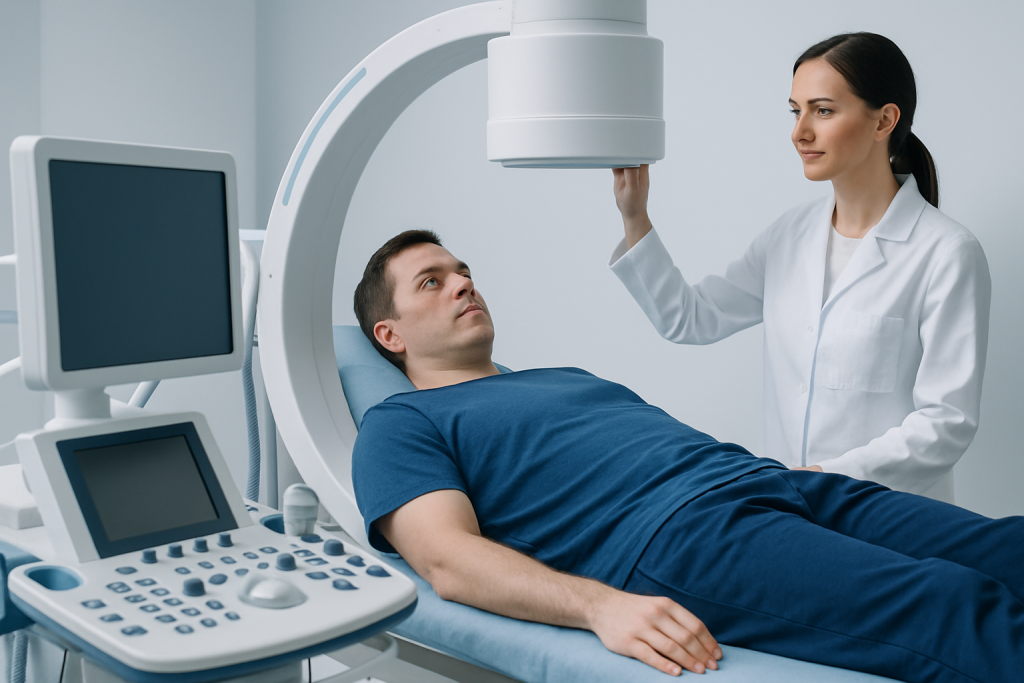
In many cases, imaging is not the first step if the symptoms are straightforward and there are no warning signs. However, if the pain is severe, persistent, or associated with weakness, imaging such as MRI may help identify a disc herniation, spinal stenosis, or another structural cause. X-rays may sometimes be used to look for alignment or bone changes, though they do not show nerves as clearly as MRI.
For international patients, a focused diagnostic visit can be especially helpful because it reduces guesswork. The goal is not simply to label the pain, but to match the diagnosis to the safest and most practical relief plan.
Treatment Options
Treatment depends on what is pressing or irritating the nerve and how intense the symptoms are. Many people improve with conservative care first, especially when there is no major weakness or emergency warning sign. Resting completely for long periods is usually not helpful; instead, gentle movement and carefully chosen activity are often preferred.
Physical therapy is one of the main tools for sciatica relief. A therapist may guide stretching, core strengthening, posture correction, and movement strategies that reduce pressure on the lower back. Heat or cold applications may offer short-term comfort, and clinicians may suggest general pain-relief medicines when appropriate, always based on the person’s health profile and the doctor’s judgment.
If pain remains severe or does not improve, other options may be considered. These can include image-guided injections to calm inflammation around the nerve or, in selected cases, surgery to relieve compression. Surgery is not the first choice for most people, but it may be discussed when pain is disabling, symptoms persist despite conservative care, or nerve function is threatened.
The best plan is usually individualized. A patient traveling for care may need a treatment schedule that balances rapid pain control with realistic recovery time, mobility planning, and follow-up support after returning home.
Prevention & Self-care
Self-care is most useful when it supports the spine rather than forcing it to work against pain. Short walks, changing positions frequently, and avoiding long stretches of sitting can reduce stiffness. Many people also benefit from learning how to bend, lift, and twist with less strain on the lower back.
Simple daily habits can make flare-ups less frequent. Strengthening the trunk and hip muscles, maintaining a healthy body weight, and using an ergonomic chair or workstation may all help reduce pressure on the lower spine. If a person has recurring symptoms, an exercise plan designed by a physiotherapist is often more effective than following generic stretches from the internet.
- Keep moving gently instead of staying in bed for long periods
- Use proper lifting technique and avoid sudden twisting
- Adjust sitting posture and take standing breaks
- Follow a therapist-guided home exercise program
- Pay attention to symptom triggers and activity patterns
For people recovering while away from home, self-care also includes planning. Knowing which activities are safe during travel, how to manage luggage, and when to schedule follow-up can reduce setbacks and make recovery more predictable.
When to See a Doctor
Medical evaluation is important if sciatic pain is severe, lasts more than a short period, or keeps returning. A doctor should also assess symptoms that interfere with sleep, walking, work, or normal daily tasks. Early review can help confirm the cause and prevent avoidable strain from continuing.
There are also warning signs that should not be ignored. These include worsening leg weakness, numbness in the groin or inner thighs, loss of bladder or bowel control, fever with back pain, or pain that follows a major fall or accident. These symptoms may point to a more urgent problem that needs prompt attention.
Even when the situation is not urgent, a structured evaluation can save time and discomfort. For patients considering Varicose Vein Treatment Abroad: When Stockings Are Enough and When Procedures Help More" class="ahp-ilk">treatment abroad, Acibadem Health Point’s multidisciplinary specialists and JCI-accredited hospitals diagnose and treat sciatic nerve pain for international patients with coordinated care and follow-up planning.
Recovery Outlook
Recovery from sciatic nerve pain varies because the underlying causes are different. Some people improve within days or weeks with conservative care, while others need a longer rehabilitation plan. The important part is that improvement often happens step by step rather than all at once, especially when the nerve has been irritated for some time.
Progress is usually measured by better walking, less leg pain, improved sleep, and stronger daily function rather than by pain relief alone. A rehabilitation-focused plan can help people regain confidence in movement and reduce the chance of repeated flare-ups. When symptoms do not follow the expected path, re-evaluation is appropriate to confirm the diagnosis and adjust treatment.
With the right mix of medical assessment, movement-based therapy, and practical self-care, many people are able to return to normal routines without ongoing nerve pain dominating their day.
Frequently asked questions
What does sciatic nerve pain usually feel like?
It often feels like pain that starts in the lower back or buttock and travels down one leg. Some people also notice burning, tingling, numbness, or weakness. The pain may worsen with sitting, bending, or coughing.
Does sciatic nerve pain always mean a herniated disc?
No. A herniated disc is a common cause, but spinal stenosis, degenerative spine changes, inflammation, and other conditions can also irritate the sciatic nerve. A clinician can help identify the actual source.
Is it better to rest or keep moving?
For most people, gentle movement is better than prolonged bed rest. Short walks and position changes often help reduce stiffness. A physiotherapist can suggest safe exercises based on the person’s symptoms.
When should imaging be done?
Imaging is usually considered when symptoms are severe, last longer than expected, or include weakness or other concerning features. MRI is often the most useful test for seeing nerve compression. The need for imaging depends on the clinical exam and the overall situation.
Can sciatic nerve pain go away on its own?
Yes, many cases improve over time, especially with conservative care and activity modification. However, the cause should still be assessed if the pain is intense, recurrent, or affecting function. Getting the right diagnosis helps guide safer recovery.
What treatments are commonly used for relief?
Common options include physical therapy, posture and movement changes, heat or cold, and doctor-recommended pain relief. If symptoms do not improve, injections or surgery may be discussed in selected cases. The best choice depends on the cause and severity of the nerve compression.
References
- Mayo Clinic
- National Institute of Neurological Disorders and Stroke
- American Academy of Orthopaedic Surgeons
- Cleveland Clinic
- NHS
This article is for general information only and is not a substitute for professional medical advice. Please consult a qualified doctor about your individual situation.