Nasal Cannula

Key Takeaways
- A nasal cannula is a lightweight tube used to deliver supplemental oxygen through the nose.
- It is often used for people who need low-flow oxygen in hospitals, clinics, or at home.
- Comfort, correct fit, and proper humidification can make oxygen therapy easier to tolerate.
- Dryness, skin irritation, and nasal discomfort are common concerns that can often be managed.
- Any change in oxygen needs should be reviewed by a qualified healthcare professional.
A nasal cannula is a simple, commonly used device that delivers oxygen through two small prongs placed in the nostrils. It is often chosen because it allows patients to breathe, speak, and move more easily while receiving oxygen support.
Overview
A nasal cannula is one of the simplest tools in oxygen therapy, yet it plays an important role in everyday care. It consists of a flexible tube that rests over the ears and a short pair of prongs that sit just inside the nostrils, delivering supplemental oxygen without covering the mouth or face.
For many people, that design matters. It can make it easier to eat, talk, sleep, read, or travel short distances while receiving oxygen. In hospital settings, it is often used when a person needs support but does not require a tightly sealed mask or more intensive breathing assistance.
The nasal cannula is not a treatment for a disease on its own; it is a delivery device. Doctors may recommend it for conditions that lower oxygen levels, during recovery after an illness or procedure, or when a person needs oxygen at home as part of a longer care plan.
Symptoms and Common Reasons It Is Used
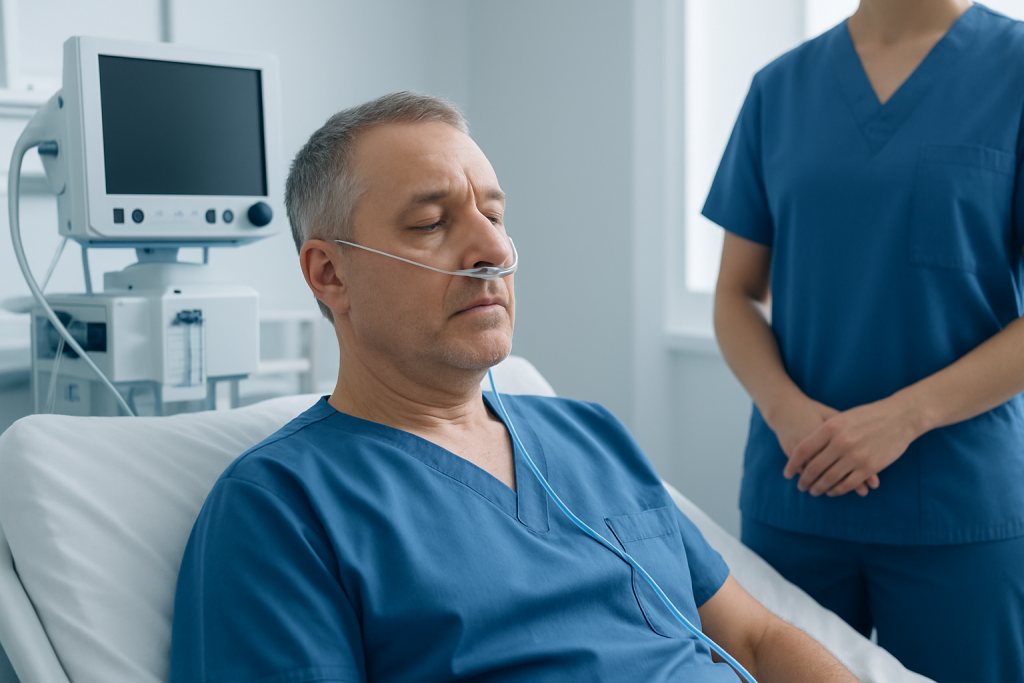
A nasal cannula is usually introduced when oxygen levels in the blood are lower than expected, or when a patient has signs that breathing is becoming more demanding. The device may be used after a doctor checks oxygen saturation, observes breathing pattern, and reviews the person’s overall condition.
People who use a nasal cannula may be experiencing shortness of breath, fatigue, faster breathing, bluish lips or fingertips, or reduced activity tolerance. These symptoms are not specific to one illness, so the underlying cause always needs medical attention.
Common situations where a nasal cannula may be used include:
- Recovery after surgery or a respiratory infection
- Chronic lung conditions that affect oxygen levels
- Short-term support during hospital treatment
- Home oxygen therapy when a doctor recommends ongoing supplementation
Some patients only need oxygen for a limited period, while others may use it regularly. The decision depends on the diagnosis, oxygen measurements, and how the person feels during rest and activity.
Causes and Risk Factors for Needing Oxygen Support

The need for oxygen delivered through a nasal cannula usually reflects a condition that affects how well the lungs bring oxygen into the bloodstream. This can happen when the lungs are inflamed, airways are narrowed, breathing muscles are tired, or oxygen exchange is reduced for another reason.
Risk factors vary widely, but they often include chronic lung disease, recent chest infection, heart or lung surgery, advanced illness, or episodes of low oxygen during sleep or exertion. In some patients, the need is temporary; in others, it may be part of long-term management.
Travel and altitude can also matter. A patient who feels stable at sea level may notice lower oxygen levels during flights, mountain travel, or after a long journey. For international patients, this is one reason pre-travel planning with a doctor is useful, especially when oxygen therapy is already part of the care plan.
Diagnosis and Assessment
A nasal cannula is chosen after a clinician assesses whether supplemental oxygen is appropriate and what flow level is needed. The first step is usually measuring oxygen saturation with a pulse oximeter and, when necessary, confirming more detailed information through blood tests or other respiratory evaluations.
Doctors also consider the person’s breathing rate, comfort, medical history, and the reason oxygen is being considered. The goal is not simply to raise a number, but to match support to the patient’s actual needs while avoiding unnecessary treatment.
When care is arranged across borders, the assessment may involve reviewing previous test results, medications, imaging, and discharge notes from another country. This helps the receiving team understand whether the cannula is for short-term use, ongoing home oxygen, or a step in a wider treatment pathway.
Treatment Options
The nasal cannula itself is part of treatment rather than a stand-alone therapy. It connects to an oxygen source, which may be a wall supply in the hospital, a portable cylinder, or a home concentrator depending on the setting and the doctor’s plan.
Flow rate, humidity, and the fit of the device are individualized. Some patients need only a small amount of oxygen, while others may require a different interface or a higher level of support if their breathing situation changes. If oxygen through a cannula is not enough, clinicians may recommend another device or a different care approach.
Common elements of treatment planning may include:
- Selecting the right oxygen source for hospital or home use
- Checking the flow setting and monitoring oxygen saturation
- Using humidification when dryness is bothersome or recommended
- Reviewing activity, sleep, and travel needs with the care team
- Adjusting the overall plan as the underlying condition improves or changes
Patients should not change oxygen settings on their own unless a healthcare professional has provided clear instructions. Oxygen needs can shift for reasons that are not always obvious from symptoms alone.
Prevention and Self-care
Good self-care can make nasal cannula use more comfortable and safer, especially when it is part of an ongoing home routine. The most useful habits are simple: keep the device clean, place the prongs correctly, and make sure tubing is not kinked or trapped under furniture.
Dryness around the nostrils is common, particularly in dry climates, heated rooms, or during long hours of use. A clinician may suggest humidification or skin-friendly comfort measures, and patients should avoid putting oily or petroleum-based products near oxygen equipment unless specifically advised otherwise.
Helpful day-to-day practices include:
- Checking the prongs for proper placement before use
- Inspecting the ears and cheeks for pressure marks
- Cleaning equipment as instructed by the healthcare team
- Keeping oxygen away from flames, sparks, and smoking materials
- Traveling with backup supplies if oxygen is needed away from home
For patients recovering internationally, it is wise to plan ahead for airport security, customs, transfers, and replacement supplies. A written oxygen plan from the treating team can reduce uncertainty and help local caregivers or airline staff understand what is needed.
When to See a Doctor
A doctor should be contacted if oxygen feels less effective, if shortness of breath is worsening, or if the patient develops new symptoms such as chest pain, confusion, marked drowsiness, or blue discoloration of the lips. These changes deserve prompt medical review, even if the cannula is already in place.
Medical advice is also important if the device causes persistent skin irritation, nosebleeds, headache, excessive dryness, or ear discomfort. Small adjustments in fit, humidification, or equipment type can often improve comfort, but they should be guided by a clinician.
Any patient who is planning to fly, change altitude, or continue oxygen therapy after returning to another country should discuss the plan in advance. A coordinated handoff helps make sure oxygen use remains appropriate, practical, and safe after travel.
Acibadem Health Point’s multidisciplinary specialists and JCI-accredited hospitals diagnose and treat oxygen-related conditions for international patients, with care plans that can be coordinated across hospitalization, discharge, and follow-up.
Frequently asked questions
What is a nasal cannula used for?
A nasal cannula is used to deliver supplemental oxygen through the nostrils. Doctors commonly recommend it when a person needs low-flow oxygen support in the hospital or at home.
Is a nasal cannula comfortable to wear?
Many patients find it easier to tolerate than a face mask because it leaves the mouth free. Some people still notice dryness, pressure behind the ears, or irritation around the nose, which can often be improved with proper fitting and care.
Can a patient eat or talk while using a nasal cannula?
Yes, that is one of its main advantages. Because it does not cover the mouth, most people can eat, speak, and rest with less interruption than they would have with a mask.
Does a nasal cannula add oxygen or just air?
It delivers oxygen from an external source, mixed with room air as it enters the nose. The exact amount depends on the prescribed flow and the device setup.
Can a nasal cannula be used at home?
Yes, many people use it at home as part of a doctor-directed oxygen plan. Home use should include clear instructions about equipment care, safety, and when to seek medical advice.
What should someone do if the cannula feels dry or irritating?
The first step is to check the fit and cleaning routine and to ask whether humidification is appropriate. If dryness or soreness continues, a clinician should review the setup rather than the patient changing equipment on their own.
References
- World Health Organization
- National Heart, Lung, and Blood Institute
- American Lung Association
- Mayo Clinic
- Cleveland Clinic
This article is for general information only and is not a substitute for professional medical advice. Please consult a qualified doctor about your individual situation.