Nipple Clamps
Key Takeaways
- Nipple clamps should only be used with clear consent, good communication, and attention to comfort.
- Too much pressure or prolonged use can cause bruising, swelling, numbness, or skin damage.
- People with reduced sensation, circulation problems, or skin conditions should be especially cautious and may need to avoid them.
- Cleaning, checking the skin before and after use, and stopping at the first sign of concerning pain help reduce risk.
- Persistent redness, discharge, broken skin, or severe pain should be assessed by a doctor.
Nipple clamps are a form of sexual device that may be used by consenting adults, but they can also cause skin injury, pain, or circulation problems if used incorrectly. This article explains how they work, the most important safety considerations, and when medical advice is needed.
Overview
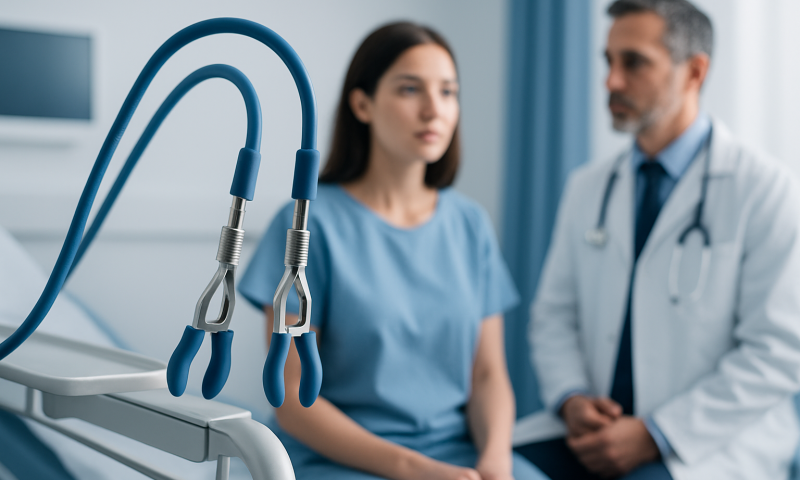
Nipple clamps are devices designed to apply pressure to the nipples, usually for sexual play. They range from soft, adjustable styles to firmer designs, and the sensation can vary from mild pressure to intense pinching depending on the model and how they are used.
For some adults, nipple clamps are simply part of exploring intimacy and sensation. For others, they are uncomfortable or not suitable at all. The most important starting point is not novelty, but safety: the tissue of the nipple and surrounding breast skin is sensitive, and it can be injured more easily than people expect.
Because this topic can feel private, it is helpful to think about it in practical terms. The same principles used in other forms of body care apply here too: understand how a device works, know the warning signs, and stop if the body is sending a message that something is wrong.
Symptoms and Possible Side Effects
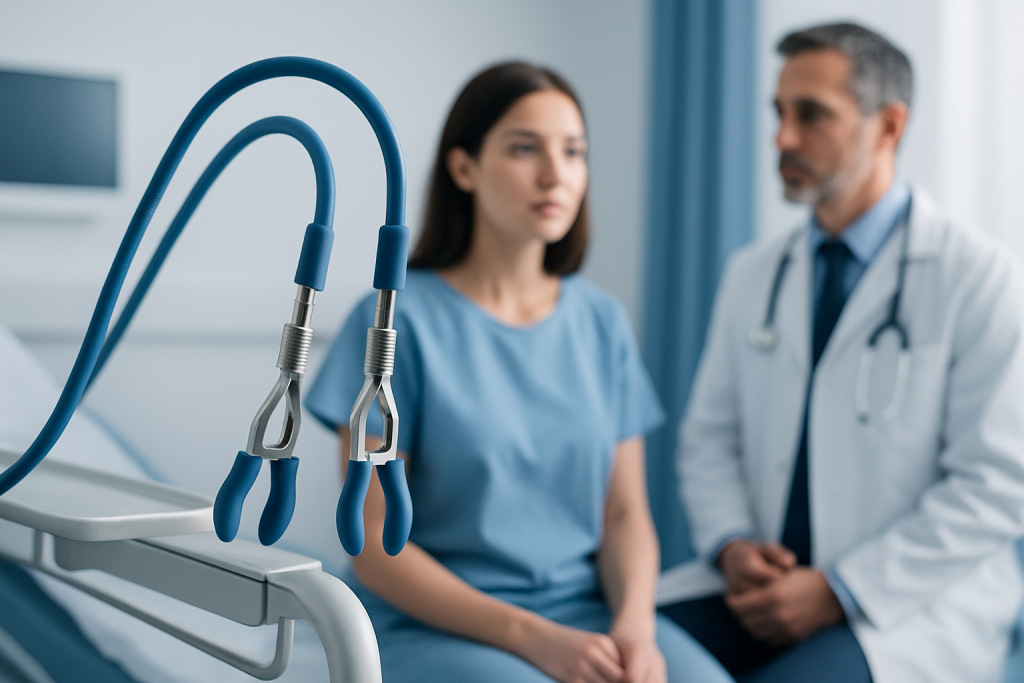
When nipple clamps are used too tightly or for too long, the most common immediate effects are pain, redness, and temporary swelling. Some people may also notice bruising or a lingering tender feeling after the clamps are removed.
More concerning symptoms can include numbness, skin blistering, broken skin, or a color change that does not quickly fade after removal. These signs suggest that pressure may have affected blood flow or irritated the skin more than intended.
In some situations, the breast tissue or nipple may become inflamed, especially if there was friction, rough handling, or use on already sensitive skin. If symptoms do not settle within a reasonable time, a clinician should assess the area to make sure there is no infection, significant tissue injury, or another cause.
- Expected short-term effects: mild redness, temporary tenderness, slight swelling
- Possible warning signs: numbness, bleeding, blistering, severe pain, darkening or pale skin
- Late concerns: persistent lumps, discharge, worsening redness, or skin breakdown
Causes and Risk Factors
The main cause of injury is pressure. Nipple clamps work by compressing small blood vessels and skin, and the risk of damage rises when the pressure is too strong, the clamping time is too long, or the device is placed on tissue that is already irritated.
Certain factors can make problems more likely. People with reduced sensation, diabetes-related nerve changes, poor circulation, fragile skin, eczema, dermatitis, recent piercing, or a history of breast surgery may be more vulnerable to injury. Alcohol or drug use can also make it harder to notice when a device is causing harm.
Fit and design matter as well. Some clamps are adjustable; others are fixed. Devices that are too tight, have rough edges, or are used without a way to release pressure promptly can increase the chance of bruising, pinching, or skin tears.
Diagnosis
Nipple clamp-related injury is usually diagnosed through a physical examination and a careful history of what happened, when symptoms began, and whether the skin or breast shape has changed. A doctor will typically ask about pain, sensation, drainage, fever, and whether there has been any trauma or piercing-related issue.
In many cases, no special test is needed if the problem is clearly a minor bruise or short-lived irritation. If the breast is swollen, a lump is present, or discharge is noted, imaging such as ultrasound may be considered to look for fluid collection or another underlying issue.
The goal of evaluation is not judgment; it is to distinguish a simple pressure injury from a skin infection, hematoma, abscess, or other breast condition that may need treatment. Clear, honest information helps the clinician guide care efficiently.
Treatment Options
Most mild cases improve with removal of the device and a period of rest for the affected skin. A clinician may advise basic measures such as cool compresses, gentle cleansing, and avoiding further friction until the area feels normal again.
If there is a skin break, a wound-care approach may be needed to keep the area clean and protect it from infection. When there are signs of infection, such as spreading redness, warmth, increasing pain, or discharge, medical treatment may include prescription medication based on the exam findings.
For more significant injury, the treatment plan depends on what the doctor finds. A bruise may simply need observation, while a deeper injury or persistent lump may require follow-up, imaging, or referral to a breast specialist. The key is matching care to the actual injury rather than assuming all irritation is harmless.
Prevention and Self-care
Safe use begins before the device is applied. Adults should discuss boundaries, agree on a stop signal, and avoid using nipple clamps when judgment is impaired by alcohol, recreational drugs, or exhaustion. A device should be checked for smooth edges and cleaned according to the manufacturer’s instructions before and after use.
Start with the gentlest setting or shortest exposure time, then pay attention to the body’s response. If numbness, sharp pain, or discoloration appears, the clamps should be removed promptly. It is also wise to avoid use over irritated skin, during active dermatitis, or soon after nipple piercing or breast procedures unless a clinician has said it is safe.
Simple aftercare can make a difference. Inspect the skin afterward, wash gently with mild soap and water if needed, and allow the area to recover. If the skin seems more sensitive than expected, repeated use should be postponed until the tissue is fully healed.
- Choose a device with a reliable release mechanism
- Use them only on intact, healthy skin
- Limit pressure and duration
- Check sensation and skin color during use
- Clean and store the device properly
When to See a Doctor
Medical assessment is sensible if pain is severe, the area stays numb, or bruising and swelling are worsening rather than settling. A doctor should also see any case with blistering, bleeding, open skin, or signs of infection.
Breast discharge, a new lump, fever, or redness that spreads beyond the nipple area deserves prompt evaluation. These symptoms do not always mean something serious, but they do mean the tissue needs to be examined rather than watched at home indefinitely.
International patients who need a clear plan while traveling or recovering away from home may benefit from a specialist-led assessment. Acibadem Health Point’s multidisciplinary specialists and JCI-accredited hospitals diagnose and treat a range of breast and skin-related concerns for international patients in a coordinated setting.
Living With Sensitivity and Making Informed Choices
People vary widely in what feels comfortable, and there is no reason to treat discomfort as something that should be endured. In intimate care, as in any other health-related choice, the safest approach is the one that respects body limits, communication, and recovery time.
For anyone who has had a nipple clamp injury before, it may be helpful to step back and consider whether the device is appropriate at all. Some people find that gentler forms of sensation or non-compressive alternatives better match their comfort level and reduce the chance of repeat injury.
In the end, the goal is informed choice. Understanding the risks, knowing how to respond to warning signs, and seeking medical advice when needed allow adults to make decisions that are both personal and medically responsible.
Frequently asked questions
Are nipple clamps safe for everyone?
No. They are not suitable for everyone, especially people with reduced nipple sensation, circulation problems, fragile skin, or recent breast procedures. Even for healthy adults, they should be used carefully and stopped if pain or numbness develops.
What is the most common injury from nipple clamps?
The most common issues are redness, tenderness, bruising, and swelling. These are often temporary, but more severe pressure can lead to skin breakdown or numbness and should be taken seriously.
How long can nipple clamps be worn?
There is no universally safe time because tolerance varies from person to person and from device to device. The safest approach is to keep exposure brief, monitor the skin closely, and remove the clamps at the first sign of concerning discomfort.
Can nipple clamps cause infection?
They do not cause infection by themselves, but they can create small skin injuries that make infection more likely. Cleaning the device, using it only on intact skin, and watching for redness, warmth, discharge, or fever help reduce that risk.
When should a doctor examine the nipple or breast area after clamp use?
A doctor should assess severe pain, lasting numbness, blistering, bleeding, discharge, fever, or a new lump. If symptoms do not improve over time or seem to be getting worse, medical review is appropriate.
What should someone do right after removing nipple clamps?
The area should be checked for skin color changes, swelling, or broken skin. Gentle cleaning and a period of rest are usually enough for minor irritation, but any unexpected or persistent symptoms should be evaluated.
References
- Mayo Clinic
- Cleveland Clinic
- NHS
- American Academy of Dermatology
- Merck Manual Consumer Version
This article is for general information only and is not a substitute for professional medical advice. Please consult a qualified doctor about your individual situation.