Mydriasis: Causes and Treatment

Key Takeaways
- Mydriasis means the pupil is larger than usual and may affect one or both eyes.
- Common triggers include dim light, medications, eye drops, and stress or stimulation, but more serious causes are also possible.
- Sudden mydriasis, especially with pain, vision changes, headache, or drooping eyelid, deserves medical assessment.
- Diagnosis usually begins with a careful eye exam and a review of medicines, injuries, and associated symptoms.
- Treatment depends on the cause and may range from observation to urgent care for neurological or eye emergencies.
Medically reviewed by the Acıbadem clinical team — August 19, 2026
Mydriasis is the medical term for a widened pupil. It can happen for harmless reasons such as low light or certain eye drops, but it may also signal an eye problem, nerve issue, or head injury that needs prompt evaluation.
Overview
Mydriasis refers to dilation of the pupil, the dark center of the eye that changes size to control how much light enters. In everyday life, pupils naturally become larger in dim environments and smaller in bright light, so some variation is normal.
The term becomes medically important when the pupil stays unusually enlarged, appears unequal between the two eyes, or does not react as expected to light. In that setting, the question is not only why the pupil changed, but whether the change is simply a medication effect or a sign of something that needs attention.
For international patients, mydriasis may be noticed during routine travel, after using unfamiliar eye drops, or after a sudden symptom such as a headache or eye pain. A clear explanation usually comes from combining the eye findings with the person’s recent medicines, health history, and any associated neurological or vision symptoms.
Symptoms
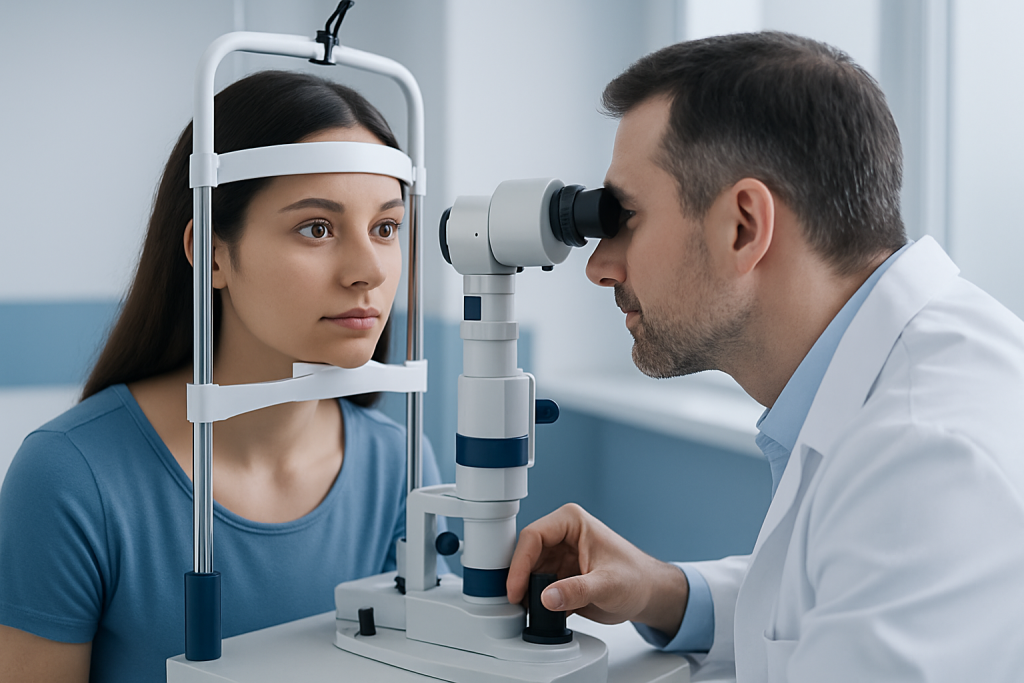
The most visible sign is a pupil that looks larger than usual. It may occur in one eye only or in both eyes, and the difference may be subtle or very obvious depending on the cause and the lighting.
Mydriasis itself may not cause discomfort. When it is linked to another condition, however, the person may also notice blurred vision, light sensitivity, eye pain, headache, nausea, drooping of the eyelid, or double vision. Unequal pupils, also called anisocoria, can be especially noticeable in photographs or when a person looks in the mirror under bright light.
Because the pupil responds to the body’s nervous system, associated symptoms matter as much as the pupil size. A large pupil with a normal eye examination may have a different meaning from a large pupil accompanied by facial weakness, confusion, trauma, or sudden visual loss.
- One or both pupils appear larger than usual
- Light sensitivity or glare
- Blurred or distorted vision
- Headache or eye pain
- Unequal pupil size between the eyes
Causes & Risk Factors

Mydriasis can be physiological, meaning it happens as part of normal body response, or it can be caused by medication, eye disease, nerve dysfunction, or injury. A person’s surroundings also matter: dim light, emotional stress, and strong stimulation can all make pupils enlarge temporarily.
Common non-emergency causes include dilating eye drops used for examinations, certain allergy or cold medicines, some antidepressants, and exposure to substances that affect the nervous system. In some cases, a contact with accidental medication transfer, such as touching the eye after handling a patch or cream, may lead to one enlarged pupil.
More concerning causes include problems affecting the third cranial nerve, acute glaucoma, head trauma, brain injury, or a neurological event. Risk rises when mydriasis appears suddenly, is clearly unequal, or is accompanied by pain, vomiting, eyelid droop, double vision, or changes in consciousness.
- Eye drops used to enlarge the pupil for an examination
- Medicines that influence the nervous system
- Bright-to-dark light changes or stress responses
- Eye injury or head trauma
- Neurological or pressure-related eye conditions
Diagnosis
Diagnosis starts with a careful history. The clinician will usually ask when the pupil change began, whether it is constant or intermittent, and whether the person recently used eye drops, started a new medicine, or experienced injury or severe headache.
An eye examination follows, often including checks of visual acuity, pupil reaction to light, eye movement, and the pressure inside the eye. If the pupils are unequal, the examiner may compare the size of each pupil in bright and dim light to better understand the pattern and possible cause.
When the findings suggest a neurological or emergency cause, further testing may be needed. This can include imaging studies, blood tests, or referral to neurology or emergency care. For travelers who are away from home, bringing a medication list, prior eye records, or photographs showing when the change started can help speed the evaluation.
Treatment Options
Treatment depends entirely on the underlying cause. When mydriasis is expected, such as after a planned eye examination, it usually fades on its own. If it is caused by a medicine, the prescribing clinician may decide whether the drug should be adjusted or changed, but patients should not stop prescribed treatment without medical advice.
If the pupil enlargement is due to an eye condition, treatment focuses on that problem. This may involve medicines for eye pressure, infection treatment, or procedures to relieve an acute issue. If a nerve problem, head injury, or brain-related condition is suspected, urgent medical care is necessary and the treatment plan may involve several specialists working together.
Supportive measures can help during recovery, especially when light sensitivity is present. Sunglasses, reduced glare indoors, and avoiding night driving until vision feels stable are sensible precautions, but they do not replace diagnosis. The most effective treatment is always the one that addresses the cause rather than the pupil size itself.
Prevention & Self-care
Not every case of mydriasis can be prevented, but a few habits make unexpected episodes easier to understand and manage. Keeping an up-to-date list of all medicines, including eye drops, patches, inhalers, supplements, and over-the-counter products, is especially useful when care is received in more than one country.
When a person is scheduled for an eye examination, it helps to ask in advance whether dilation drops will be used and whether a ride home is needed afterward. If a patient has a history of eye pressure problems, migraines, neurological disorders, or prior eye trauma, that background should be shared with the clinician.
For self-care, the safest approach is observation only when a clinician has already explained that the dilation is expected and temporary. Otherwise, it is better to avoid assuming the cause is minor, particularly if the pupil change is new, one-sided, or paired with other symptoms.
- Carry a current medication and allergy list
- Use eye drops only as directed
- Protect the eyes from trauma during sports or work
- Seek review for new or unexplained pupil changes
- Keep records of prior eye conditions and procedures
When to See a Doctor
Medical assessment is appropriate if mydriasis appears suddenly, lasts longer than expected, or occurs without a clear explanation. It is especially important to seek prompt evaluation if the enlarged pupil is accompanied by eye pain, a severe headache, nausea, double vision, drooping eyelid, or reduced vision.
Emergency care is also recommended after head injury, suspected poisoning or medication exposure, or any situation in which the person seems confused, unusually sleepy, or difficult to wake. These features may indicate a problem that should not wait for a routine appointment.
When symptoms are mild and the cause is clearly explained, a clinician may recommend simple follow-up. For international patients, a coordinated eye and neurological assessment can be particularly helpful when travel schedules are tight and prior medical records are in another language or system. Acibadem Health Point’s multidisciplinary specialists and JCI-accredited hospitals can diagnose and treat this condition for international patients as part of a coordinated care plan.
Living With Mydriasis During Travel or Recovery
Temporary pupil dilation can be inconvenient, especially when a person is navigating airports, bright outdoor light, or unfamiliar city streets. Good sunglasses, a hat with a brim, and planning for extra time after an eye exam can make the experience more manageable.
If treatment is underway, follow-up matters even when the pupil begins to look normal. Some causes of mydriasis improve quickly, while others require confirmation that eye pressure, nerve function, or visual comfort is stable before travel continues. Patients who are recovering away from home should keep copies of examination notes, imaging reports, and any medicine instructions so local clinicians can continue care if needed.
The key is to treat pupil dilation as a sign, not a diagnosis. Once the cause is known, the next steps usually become clear and manageable.
Related Conditions to Know
Mydriasis is often discussed alongside other eye and neurological terms. Anisocoria means unequal pupil size, while miosis refers to a pupil that is smaller than usual. These terms help clinicians describe what they see, but the underlying reason may still need investigation.
In some situations, pupil changes are connected to migraine, medication effects, eye inflammation, glaucoma, or nerve palsy. Because several conditions can look similar at first glance, professional assessment is the most reliable way to sort out the cause and avoid unnecessary worry.
A simple observation such as “one pupil looks larger than the other” can be a useful starting point, but the full clinical picture always comes first. That is why the safest approach is to combine observation with timely medical review when the change is new or unexplained.
Frequently asked questions
Is mydriasis always a sign of a serious problem?
No. Mydriasis can happen for normal reasons, including darkness or prescribed eye drops for an examination. It becomes more important when it is sudden, one-sided, painful, or associated with other symptoms.
Can medicines cause dilated pupils?
Yes. Several medicines and substances can enlarge the pupils, including some eye drops and drugs that affect the nervous system. A full medication review is often one of the fastest ways to identify the cause.
What is the difference between mydriasis and anisocoria?
Mydriasis means a pupil is enlarged. Anisocoria means the two pupils are different sizes, which may happen because one pupil is dilated while the other is normal or smaller.
How is mydriasis checked by a doctor?
A doctor usually begins with a history, a pupil and vision exam, and a review of medicines or recent eye treatments. Depending on the findings, imaging or specialist referral may be needed.
Can dilated pupils go back to normal on their own?
Yes, if the cause is temporary, such as a dilating eye drop or a passing environmental response. If the enlargement does not improve as expected, medical evaluation is recommended.
Should a person avoid driving with mydriasis?
If vision is blurred or light sensitivity is present, driving may be unsafe until the eyes feel more stable. It is best to wait for guidance from a clinician, especially after eye drops or when the cause is not yet known.
References
- American Academy of Ophthalmology
- Merck Manual Professional Edition
- National Eye Institute
- Mayo Clinic
- Cleveland Clinic
This article is for general information only and is not a substitute for professional medical advice. Please consult a qualified doctor about your individual situation.
Persistent digestive symptoms? Get evaluated in Turkey
JCI-accredited · board-certified surgeons · reply within 24h
Add us as a Preferred Source to see more of our trusted health content across Google Search, AI Overviews and Discover.