Moyamoya Disease: Symptoms, Causes and Treatment

Key Takeaways
- Moyamoya disease affects the arteries that supply blood to the brain and can increase stroke risk.
- Symptoms may be brief and easy to miss, especially in early stages or in children.
- Diagnosis usually relies on brain and blood vessel imaging, not a single blood test.
- Treatment may include medicines, careful follow-up, and sometimes surgery to improve blood flow.
- People planning treatment abroad may need coordinated imaging, specialist review, and follow-up after returning home.
Medically reviewed by the Acıbadem clinical team — August 19, 2026
Moyamoya disease is a rare condition that narrows the brain’s main arteries and can raise the risk of stroke or temporary neurologic symptoms. With timely diagnosis, careful monitoring, and appropriate treatment, many patients can lower the chance of serious complications and plan safer long-term care.
Overview
Moyamoya disease is a rare cerebrovascular condition in which the major arteries at the base of the brain gradually narrow. As those larger vessels become smaller, the body may try to compensate by forming tiny collateral vessels that can look like a faint cloud or “puff of smoke” on imaging; that appearance is where the name comes from.
Because the brain depends on a steady blood supply, this narrowing can lead to transient neurologic symptoms, ischemic stroke, or less commonly bleeding. The condition may appear in childhood or adulthood, and the pattern of symptoms, risk, and treatment decisions can differ by age. For international patients, that often means the first visit is less about one quick answer and more about assembling the full picture from imaging, neurologic examination, and history.
Moyamoya disease is not the same as a routine headache disorder or a simple blood vessel spasm. It is a structural problem of the arteries, so it is usually managed by neurologists and neurosurgeons working together. The good news is that early recognition can make a meaningful difference, especially when treatment is tailored to the person’s symptoms, brain blood flow, and daily life.
Symptoms
Symptoms arise when the brain does not receive enough blood for its needs. In some people, the first warning sign is a transient ischemic attack, often called a TIA, which can cause sudden weakness, numbness, speech difficulty, visual changes, dizziness, or confusion that improves within minutes or hours.
Children may show signs a little differently. They may have repeated brief weakness, involuntary movements, trouble speaking, severe headaches, or episodes that happen during crying, hyperventilating, fever, or exercise. Because these episodes may pass quickly, families sometimes describe them as “odd spells” rather than a clear medical event.
Possible symptoms include:
- Sudden weakness or numbness on one side of the body
- Speech or language difficulty
- Visual changes
- Severe or recurrent headaches
- Seizures in some patients
- Transient episodes triggered by exertion or stress
Not every person has dramatic symptoms at the start. Some are diagnosed after imaging for repeated migraines, a prior stroke, or a family concern. That is why persistent neurologic complaints deserve proper evaluation even if they seem to come and go.
Causes & Risk Factors

The exact cause of moyamoya disease is not fully understood. In many patients, it appears to develop from a combination of genetic susceptibility and other biologic factors that affect the cerebral arteries. The vessel walls gradually thicken and narrow, but why that process begins is still an area of active study.
Some people have moyamoya syndrome, which means the moyamoya-like vessel changes occur along with another condition. This can be seen with certain genetic disorders, autoimmune disease, prior radiation to the head or neck, sickle cell disease, or other medical conditions that affect the blood vessels.
Risk tends to be higher in people with a family history of moyamoya, certain inherited patterns, or an associated condition. It is also seen more often in some populations than others, though it can occur in any group. For patients traveling for care, it is helpful to bring old scans, prior stroke records, medication lists, and any family history of stroke or vessel disease, because those details can help specialists distinguish moyamoya disease from related conditions.
Diagnosis
Diagnosis usually begins with a neurologic assessment and a detailed history of symptoms, timing, and possible triggers. The doctor will want to know whether episodes were sudden or gradual, whether they affected one side of the body, and whether there has been a prior stroke or seizure.
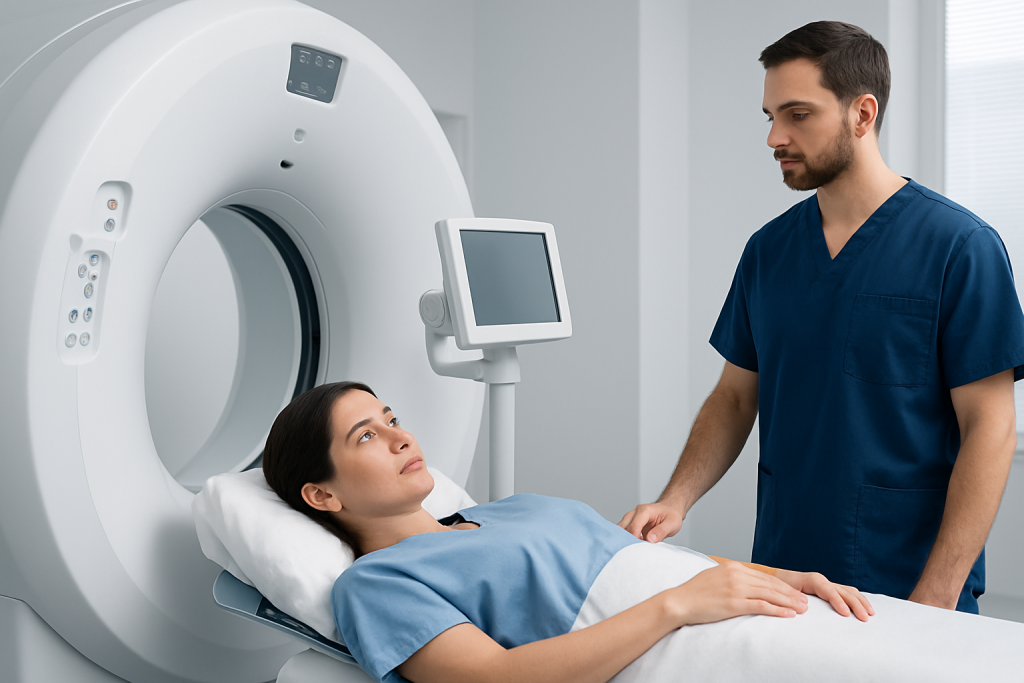
Imaging is the core of diagnosis. MRI and MRA can show areas of reduced blood flow and narrowing of the arteries, while CT or CTA may help in some situations. Cerebral angiography is often considered the most detailed test for mapping the blood vessels and planning treatment, especially if surgery is being discussed.
Depending on the case, the care team may also recommend tests to look for associated conditions or to understand brain perfusion and reserve. In practical terms, that means the diagnosis is not based on one picture alone; it is built from symptoms, anatomy, and how well the brain is being supplied with blood. This is particularly important for international patients, because treatment plans may need to be decided with a limited in-person window and then coordinated with follow-up after return home.
Treatment Options
Treatment is aimed at lowering stroke risk and protecting brain function. The best approach depends on age, symptoms, imaging findings, and whether the person has already had a TIA, stroke, or bleeding event. Some patients are managed medically at first, while others are candidates for surgery relatively early.
Medicines may be used to reduce stroke risk and manage related symptoms, but they do not reverse the narrowed arteries. Doctors may also advise avoiding dehydration, extreme hyperventilation, and activities that seem to trigger symptoms. When headaches, seizures, or blood pressure issues are present, those problems are treated as part of the overall plan.
Surgical revascularization is often the most effective way to improve blood flow in appropriate patients. Procedures may be direct, indirect, or a combination of both, and the surgeon will choose the method that best fits the person’s anatomy and age. The goal is to create a more reliable route for blood to reach the brain and reduce future ischemic events.
Recovery planning matters as much as the operation itself. Patients traveling from abroad may need a short period of close monitoring, imaging review, and a structured handoff to their local neurologist or primary doctor. A thoughtful discharge plan can make follow-up simpler once the patient is back home.
Prevention & Self-care
There is no guaranteed way to prevent moyamoya disease from developing, but people already diagnosed can take sensible steps to reduce stroke triggers and support safer daily living. The most helpful habits are often the simplest: staying well hydrated, resting when symptoms begin, and avoiding sudden overexertion if it has previously caused episodes.
Self-care also includes taking prescribed medicines consistently, keeping follow-up appointments, and letting the care team know about any new neurologic symptoms right away. If a person has been told to avoid certain activities, such as intense breath-holding, they should follow that advice closely, because some symptoms are brought on by changes in carbon dioxide levels and blood flow.
Practical steps can include:
- Carrying a clear summary of the diagnosis and imaging findings
- Keeping a list of medications and allergies
- Watching for new weakness, speech changes, or unusual headaches
- Planning travel only after the doctor confirms it is safe
- Arranging follow-up imaging or consultation before leaving the treatment center
For international patients, self-care also means planning for the return journey. That may include extra medication supply, written instructions in a preferred language, and a local doctor who understands when urgent reassessment is needed.
When to See a Doctor
Prompt medical evaluation is important if a person has sudden weakness, trouble speaking, facial droop, vision loss, severe dizziness, or a new seizure. Even if the symptoms improve, they may still represent a TIA or stroke warning and should not be ignored.
A doctor should also be consulted for repeated brief episodes of numbness, unusual headaches with neurologic symptoms, or school or work problems caused by spells that are hard to explain. In children, subtle symptoms such as clumsiness, episodes during exertion, or repeated speech pauses deserve attention, particularly if there is a family history of stroke or a known genetic condition.
People already diagnosed with moyamoya disease should seek reassessment if symptoms change, become more frequent, or appear after surgery. Acibadem Health Point’s multidisciplinary specialists and JCI-accredited hospitals diagnose and treat moyamoya disease for international patients, with coordinated imaging, surgical review, and follow-up planning when needed.
Living With Moyamoya Disease
Living with moyamoya disease usually involves long-term follow-up rather than a one-time treatment decision. Many patients need periodic imaging and neurologic review to monitor blood flow, symptoms, and the response to treatment over time.
Families often find it helpful to track episodes in a simple log that includes date, symptoms, duration, and possible triggers. That record can make follow-up visits more productive, especially when the patient is moving between countries and different doctors need to compare notes.
Support also matters. Understanding the diagnosis, knowing which symptoms require urgent care, and having a realistic recovery plan can reduce uncertainty. With a steady care team and clear communication, many people are able to continue school, work, and travel more confidently while managing the condition responsibly.
Frequently asked questions
Is moyamoya disease the same as a stroke?
No, but it can cause stroke or TIA. Moyamoya disease is the underlying blood vessel condition, while stroke is one of its possible complications. A person may have symptoms that come and go before a stroke ever occurs.
Can moyamoya disease be cured?
There is no simple cure that reverses the artery narrowing. However, treatment can reduce risk and improve blood flow, especially when surgery is appropriate. Many patients do well with a tailored long-term plan.
What is the main test for moyamoya disease?
MRI, MRA, and cerebral angiography are commonly used to confirm the diagnosis and map the vessels. The exact combination of tests depends on the patient’s age, symptoms, and whether surgery is being considered. A doctor may also order tests to assess brain blood flow.
Does moyamoya disease always cause symptoms?
Not always. Some people have mild, brief, or intermittent symptoms, and others are diagnosed after imaging for a stroke or another reason. Even subtle symptoms deserve attention because early treatment can be important.
Is surgery always needed?
Not always, but it is often considered when symptoms, imaging, or stroke risk suggest that medicine alone is not enough. The decision depends on how much blood flow is affected and whether the person has already had neurologic events. A neurosurgical opinion is usually part of the discussion.
Can a patient travel after treatment for moyamoya disease?
Often yes, but only after the treating team confirms that travel is safe. The timing depends on the type of treatment, recovery progress, and whether follow-up imaging is needed soon. International patients should leave with clear instructions and a plan for local follow-up.
References
- National Institute of Neurological Disorders and Stroke
- American Stroke Association
- Mayo Clinic
- World Stroke Organization
- GeneReviews
This article is for general information only and is not a substitute for professional medical advice. Please consult a qualified doctor about your individual situation.
Explore treatments in Turkey — costs, top hospitals & a free quote
JCI-accredited · board-certified surgeons · reply within 24h
Add us as a Preferred Source to see more of our trusted health content across Google Search, AI Overviews and Discover.