Molars

Key Takeaways
- Molars are the large back teeth designed for grinding food and supporting bite stability.
- Pain, sensitivity, swelling, or food trapping around molars may signal decay, infection, or gum problems.
- Regular brushing, flossing, and dental checkups help prevent many molar problems.
- Wisdom teeth are the third set of molars and may not have enough room to erupt properly.
- A dentist can assess molars with a clinical exam and imaging when needed, then recommend the most suitable treatment.
Molars are the broad back teeth that help crush and grind food, making them essential for comfortable chewing and balanced bite function. When they are damaged by decay, gum disease, or alignment problems, early dental care can protect oral health and prevent more complex treatment later.
Overview
Molars are the broad, sturdy teeth at the back of the mouth. Their job is practical and constant: they break food into smaller pieces so it can be swallowed and digested more comfortably. Because they take on a lot of chewing force, they are shaped differently from front teeth, with wider surfaces and deep grooves that help grind food.
There are usually several sets of molars on the upper and lower jaws. The first and second molars are part of the main chewing system, while the third molars are commonly known as wisdom teeth. In many people, molars do their work quietly for years, but when trouble starts, it can affect eating, speech comfort, and even the surrounding gums and neighboring teeth.
For international patients planning dental care abroad, molar issues are often straightforward to evaluate but may require a careful treatment plan if crowns, root canal therapy, or removal of a wisdom tooth is needed. The right approach depends on the tooth’s structure, pain level, infection status, and how the teeth fit together.
Symptoms
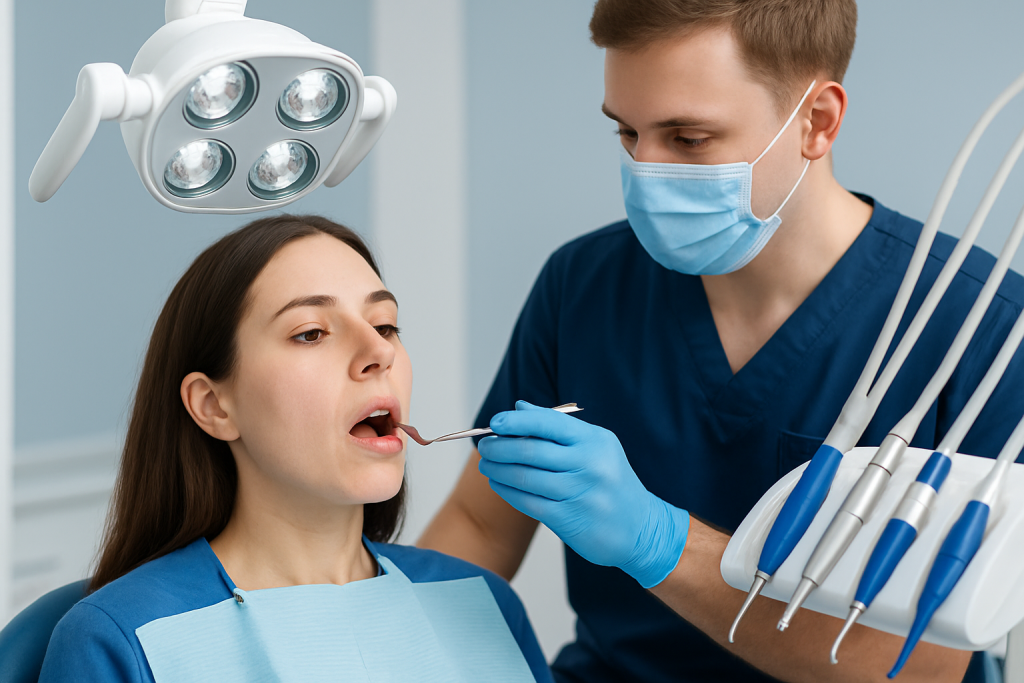
Molar problems do not always announce themselves loudly at first. A small cavity in a back tooth may only cause brief sensitivity, while a deeper problem can produce a dull ache when chewing or biting. Some people notice that food keeps collecting in one area, or that floss catches on a rough edge or broken filling.
Common signs that a molar may need attention include:
- Pain when chewing or biting
- Sensitivity to hot, cold, or sweet foods
- Swelling or tenderness in the gum near the tooth
- A visible hole, dark spot, or chipped area
- Bad taste, bad breath, or drainage near the tooth
- Jaw discomfort or limited opening when a wisdom tooth is involved
Some molar problems are painless until they become advanced. That is one reason routine dental exams matter even when the mouth feels fine. Early findings can be easier to treat and may preserve more of the natural tooth.
Causes & Risk Factors

The most common cause of molar trouble is tooth decay. Molars have grooves and pits that can trap plaque, and because they sit at the back of the mouth, they are sometimes harder to clean well. If bacteria remain on the tooth surface, they can gradually weaken the enamel and create a cavity.
Other common reasons molars become painful or damaged include worn fillings, cracked tooth structure, gum disease, and grinding or clenching the teeth. Wisdom teeth can cause their own set of problems if they erupt at an angle, stay partially covered by gum tissue, or press against nearby teeth.
Factors that may raise the chance of molar problems include:
- Inconsistent brushing or flossing
- A diet high in sugary or sticky foods
- Dry mouth
- Smoking or tobacco use
- History of frequent cavities
- Teeth grinding, especially during sleep
- Limited access to regular dental care
For patients traveling internationally for treatment, it is helpful to bring past dental records, X-rays if available, and a list of prior procedures. This can make it easier for the dental team to understand whether a molar issue is new, recurring, or part of a longer pattern.
Diagnosis
Diagnosing a molar problem usually begins with a dental examination. The dentist looks at the tooth, surrounding gums, bite alignment, and signs of wear or infection. A simple conversation about symptoms often provides useful clues, such as whether the pain is triggered by chewing, temperature changes, or pressure.
Dental X-rays are often used when the issue is not visible on the surface. They can show decay between teeth, infection around the root, bone changes from gum disease, or the position of a wisdom tooth. In some cases, a dentist may also test the tooth’s response to tapping, cold, or biting pressure to understand how deep the problem may be.
When patients are planning care from another country, diagnostic visits are especially important because treatment choices may affect travel timing. A dentist can help determine whether care should happen in one visit, over several appointments, or after a short period of monitoring.
Treatment Options
Treatment depends on what is affecting the molar. Small cavities may be treated with a filling, while larger areas of damage may need an onlay or crown to restore strength. If decay or infection reaches the inner tissue of the tooth, root canal treatment may be recommended to remove the damaged tissue and save the tooth when possible.
When a molar is cracked, the solution depends on the depth and direction of the crack. Some teeth can be restored with a crown; others may need a different approach if the crack extends too far below the gum line. Wisdom teeth may be monitored if they are not causing issues, or removed if they are painful, infected, hard to clean, or damaging nearby teeth.
Care may also include treatment for the gums, repair of broken fillings, or a night guard for patients who grind their teeth. A dentist may recommend one or more of the following:
- Dental fillings
- Crowns or onlays
- Root canal therapy
- Wisdom tooth extraction
- Deep cleaning for gum disease
- Bite protection for clenching or grinding
For people receiving care while visiting from abroad, treatment planning often includes a discussion about recovery time, follow-up visits, and what can safely be done before returning home. A clear plan helps the patient avoid rushing decisions and supports better long-term results.
Prevention & Self-care
Molars stay healthier when plaque is removed consistently. Brushing twice a day with a fluoride toothpaste and cleaning between the teeth once daily are the foundation. Because molars sit far back and have uneven chewing surfaces, many people benefit from taking extra time to clean those areas carefully.
Practical habits that help protect molars include eating fewer sugary snacks, drinking water regularly, and avoiding habits that crack teeth, such as chewing ice or biting hard objects. If the mouth tends to be dry, a dentist may suggest ways to stimulate saliva or reduce irritation. For people who clench or grind, a custom night guard may reduce stress on the back teeth.
Self-care also includes paying attention to changes. A new ache, a sharp edge, or repeated food trapping should not be ignored, even if the discomfort comes and goes. Small issues are often easier to manage before they affect the nerve, the surrounding bone, or neighboring teeth.
When to See a Doctor
A dentist should evaluate molar pain that lasts more than a day or two, worsens with chewing, or comes with swelling. It is also wise to seek care if there is sensitivity that keeps returning, a tooth that feels loose or high when biting, or a visible crack, hole, or dark area on the tooth.
Prompt attention is especially important if there is facial swelling, fever, pus, or difficulty opening the mouth. These signs can suggest infection and deserve timely treatment. Even when symptoms are mild, a dental visit can help confirm whether the problem is with the tooth itself, the gum tissue, or the bite.
Patients traveling internationally for care should ask how urgent the treatment is, whether imaging is needed, and what can be completed before departure. Acibadem Health Point’s multidisciplinary specialists and JCI-accredited hospitals diagnose and treat dental conditions for international patients with coordinated planning and follow-up in mind.
Living Well With Healthy Molars
Healthy molars support more than chewing. They help maintain a comfortable bite, make eating easier, and reduce strain on the rest of the mouth. When they are cared for early and consistently, many common problems can be prevented or treated with conservative methods.
Good oral care does not need to be complicated. Consistent brushing, regular flossing, and scheduled dental checkups are often enough to keep the back teeth in good condition. For patients who have already had molar treatment, routine follow-up helps protect the repaired tooth and catch changes before they become painful.
If a person is uncertain whether a back-tooth symptom is minor or significant, a dental assessment can bring clarity. A careful examination, sometimes supported by X-rays, can identify the cause and guide a practical next step.
Frequently asked questions
What are molars used for?
Molars are the back teeth that crush and grind food into smaller pieces. They play a major role in chewing and help distribute biting forces across the mouth.
How many molars does a person usually have?
Most adults have three molars in each quadrant of the mouth, including the wisdom tooth, for a total of up to 12. However, wisdom teeth may not erupt, may be removed, or may never form in some people.
Why do molars get cavities so easily?
Their grooves can trap food and plaque, and they are harder to reach with a toothbrush. If cleaning is inconsistent, bacteria can slowly damage the enamel and lead to decay.
Do all wisdom teeth need to be removed?
No, not all wisdom teeth need removal. A dentist usually recommends extraction only if the tooth is painful, infected, difficult to clean, damaging nearby teeth, or unlikely to erupt properly.
Can a molar be saved if it hurts badly?
Sometimes yes, depending on the cause and how much of the tooth is still healthy. Fillings, crowns, or root canal treatment may be used to preserve the tooth when appropriate.
What should a person do if a molar breaks while traveling?
They should arrange a dental evaluation as soon as possible, especially if there is pain or a sharp edge. Keeping the area clean and avoiding hard chewing on that side can help until a dentist assesses the tooth.
References
- American Dental Association
- National Institute of Dental and Craniofacial Research
- Mayo Clinic
- NHS
- World Health Organization
This article is for general information only and is not a substitute for professional medical advice. Please consult a qualified doctor about your individual situation.