Cosmetic Dental Bonding

Key Takeaways
- Dental bonding uses a tooth-colored resin to reshape or restore teeth in a conservative way.
- It is commonly chosen for small chips, gaps, discoloration, and uneven edges.
- Most bonding procedures are completed quickly and usually do not require major tooth removal.
- Good oral hygiene and habits such as limiting staining foods can help preserve results.
- A dentist can help decide whether bonding, whitening, veneers, or another option is the best fit.
Cosmetic dental bonding is a minimally invasive way to improve the appearance of teeth by applying tooth-colored resin to repair small imperfections. It is often used for chips, gaps, discoloration, and minor shape changes, with results that can usually be completed in a single visit.
Overview
Cosmetic dental bonding is a practical option for people who want a modest smile improvement without committing to a more extensive dental procedure. A dentist applies a tooth-colored composite resin to selected teeth, then shapes and polishes it so the repair blends into the surrounding enamel.
The treatment is often considered when a tooth has a small chip, a narrow gap, a worn edge, or a patch of discoloration that does not respond well to whitening alone. Because it is conservative, bonding can be appealing to patients who want to preserve as much natural tooth structure as possible.
For international patients, bonding may also be part of a broader treatment plan after a consultation abroad. A dentist can evaluate whether the concern is cosmetic only or whether the tooth also needs structural care, especially if travel plans make follow-up timing important.
Symptoms and Common Reasons People Seek Bonding
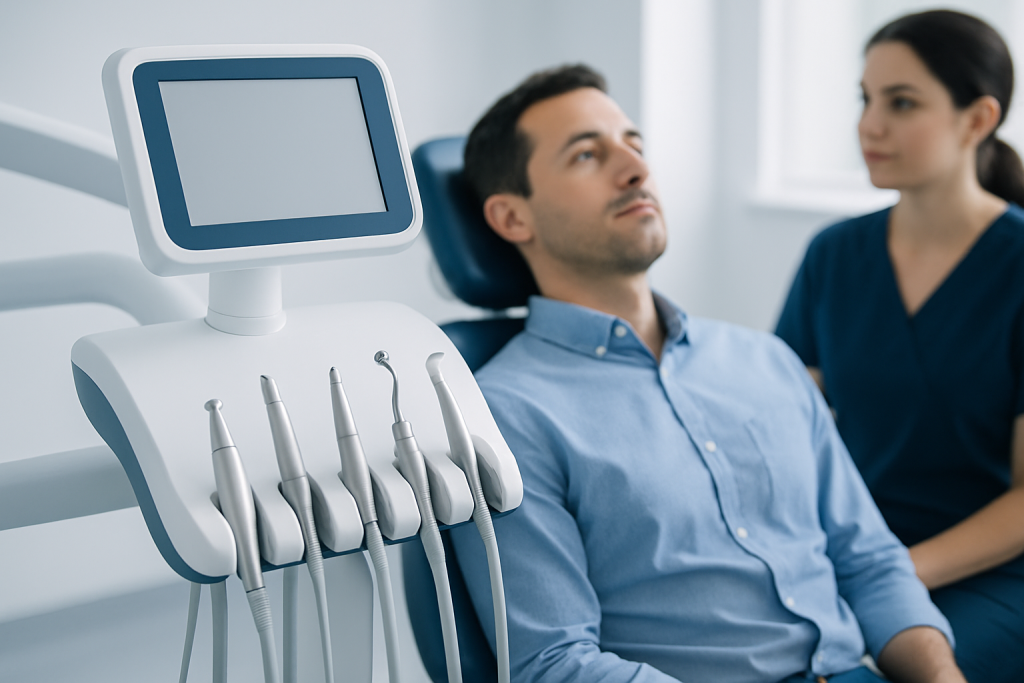
People usually do not seek cosmetic bonding because of pain; they seek it because of how a tooth looks or feels when speaking, smiling, or biting into food. A small chip on a front tooth may catch the tongue, a dark edge may stand out in photos, or a slightly uneven tooth may make the smile look less balanced.
Common reasons include:
- Chipped or cracked front teeth
- Small spaces between teeth
- Localized stains or discoloration
- Minor reshaping of short, worn, or uneven teeth
- Protecting a visible tooth root after gum recession in selected cases
Bonding is usually aimed at relatively small imperfections. If a tooth is heavily damaged, has a large cavity, or needs major bite correction, another restorative approach may be more appropriate.
Causes and Risk Factors

Cosmetic concerns that lead to bonding often begin with everyday wear and tear. Teeth can chip from biting hard foods, grinding during sleep, sports injuries, or even small accidental impacts. Some people also notice that enamel becomes naturally more uneven or discolored over time.
Risk factors for the kinds of imperfections bonding can address include teeth grinding, nail biting, using teeth to open packages, and habits that expose teeth to staining substances such as coffee, tea, red wine, or tobacco. Age can also play a role, since enamel may thin and older restorations may no longer match the surrounding teeth.
Bonding does not prevent these issues from recurring. If the underlying cause is ongoing, a dentist may suggest a night guard, behavior changes, whitening, or a different restoration in addition to the cosmetic repair.
Diagnosis and Treatment Planning
The first step is a dental examination, usually paired with a conversation about the patient’s goals. The dentist looks at tooth shape, color, bite alignment, existing fillings, gum health, and the size of the area to be restored. Photographs or shade matching may help plan a result that looks natural rather than noticeably “done.”
In some cases, the dentist may recommend treating other issues first, such as decay, gum inflammation, or significant wear from grinding. If a tooth is not healthy, cosmetic bonding alone is not the right starting point.
Patients traveling from abroad may benefit from asking in advance whether the plan can be completed in one appointment or whether additional visits are needed for shaping, adjustment, or review. Clear planning matters when time in the destination country is limited.
Treatment Options
Cosmetic bonding is usually performed chairside and often does not require anesthesia unless a cavity is being treated or the tooth is very sensitive. The dentist lightly prepares the enamel surface, applies a conditioning agent, places the resin, and then sculpts it to match the neighboring teeth.
Once the shape looks right, the material is hardened with a curing light. The dentist then refines the edges and polishes the surface so it reflects light in a way that resembles natural tooth enamel. Because the material is placed directly, the dentist can often make fine adjustments during the same visit.
Depending on the goal, bonding may be compared with these options:
- Whitening: better for general color improvement when the tooth shape is already acceptable
- Veneers: often used for more extensive or longer-lasting cosmetic changes
- Fillings: more focused on restoring decay or damage than enhancing appearance alone
The best choice depends on the size of the concern, the bite, and how much reshaping is needed. A dentist can help weigh appearance, durability, and maintenance needs.
What to Expect After the Procedure
Most people leave the appointment able to speak and eat normally, although some notice a brief awareness of the new surface. If the bonding was done on a front tooth, the dentist may advise avoiding very hard or sticky foods for a short period while the material settles into daily use.
The color and contour are often checked immediately, and small refinements can usually be made before the patient leaves. If a bite feels uneven, it is important to mention it, because a minor adjustment can improve comfort and reduce wear on the bonded area.
Patients who are returning to another country should ask whether a review visit is recommended and how to get follow-up care locally if needed. Keeping the dental record, shade information, and treatment notes can be useful for future maintenance anywhere in the world.
Prevention and Self-care
Bonding can last longer when it is cared for thoughtfully. Daily brushing with a fluoride toothpaste, flossing, and routine dental checkups help protect both the bonded tooth and the surrounding enamel and gums.
Practical habits can make a difference:
- Avoid chewing ice, pen caps, or very hard foods with bonded teeth
- Wear a night guard if a dentist recommends one for grinding
- Limit tobacco use and stain-heavy beverages when possible
- Rinse or brush after consuming foods and drinks known to discolor teeth
- Use the teeth as tools only in the imagination, never in real life
Bonding material can stain over time, and it is not as resistant to wear as some other restorations. Even so, careful maintenance often helps it remain attractive and functional for years.
When to See a Doctor
A dentist should be consulted if a tooth is chipped, rough, sensitive, or changing color, even if the problem seems small. Early evaluation can prevent a minor cosmetic issue from turning into a larger structural one.
Medical or dental review is especially important if there is pain, swelling, a sharp edge that cuts the tongue, difficulty biting, or a visible crack that seems to be spreading. These signs may indicate a problem that goes beyond appearance.
People considering treatment while traveling should arrange a professional examination before assuming bonding is the right solution. Acibadem Health Point’s multidisciplinary specialists and JCI-accredited hospitals can diagnose and treat cosmetic dental concerns for international patients, helping them make informed decisions before and after travel.
Living With Cosmetic Dental Bonding
For many patients, bonding is less about a dramatic transformation and more about restoring a sense of ease when smiling, speaking, or being photographed. The change can be subtle, which is often exactly what people want from cosmetic dentistry.
Because bonding is adaptable, it can be a useful first step for someone exploring aesthetic dental care. If future needs change, the dentist can revisit the plan and discuss whether polishing, repair, whitening, or a different restoration would better suit the teeth.
The most useful mindset is a practical one: treat bonding as a refined surface repair that benefits from normal dental care and periodic review. With realistic expectations and good follow-up, it can be a dependable part of a smile restoration plan.
Frequently asked questions
What is cosmetic dental bonding used for?
It is used to improve the appearance of teeth with small chips, gaps, stains, or uneven edges. Dentists also use it in some cases to make a tooth look more balanced or to cover a minor exposed area.
Is dental bonding painful?
Most bonding procedures are comfortable and may not require anesthesia. If a tooth is sensitive or decay is being treated at the same time, the dentist may use local anesthesia for comfort.
How long does cosmetic bonding last?
Longevity varies depending on the tooth, biting forces, and home care. Good oral hygiene, avoiding hard biting habits, and regular dental visits can help the repair last longer.
Can bonded teeth be whitened later?
The bonding material does not respond to whitening in the same way natural enamel does. If whitening is planned, dentists often recommend doing it before bonding so the resin can be matched to the lighter tooth color.
Can bonding fix large gaps or badly damaged teeth?
Bonding is best for small to moderate cosmetic concerns. Larger spaces, major fractures, or significant bite problems may need veneers, crowns, orthodontic treatment, or another restorative approach.
Do bonded teeth need special care when traveling?
Traveling patients should keep their dental information and know whom to contact if a repair is needed. It is sensible to avoid very hard foods, maintain oral hygiene, and plan any follow-up visits around the treatment schedule.
References
- American Dental Association
- Cleveland Clinic
- Mayo Clinic
- NHS
This article is for general information only and is not a substitute for professional medical advice. Please consult a qualified doctor about your individual situation.