

Miscarriage Symptoms: Signs, Causes and Treatment

Key Takeaways
- Miscarriage symptoms often include vaginal bleeding, cramping, and passing tissue, but some pregnancy losses have few obvious signs.
- Bleeding in pregnancy does not always mean miscarriage; only a clinician can confirm the cause with an exam, ultrasound, and sometimes blood tests.
- Immediate medical care is important for heavy bleeding, severe pain, fainting, fever, or symptoms of infection.
- Emotional reactions after a pregnancy loss are common, and support can be helpful during recovery and follow-up.
- Future pregnancy planning is usually possible, but timing and evaluation should be discussed with a qualified doctor.
Medically reviewed by the Acıbadem clinical team — August 19, 2026
Miscarriage symptoms can vary from mild spotting to heavier bleeding and cramping, and not every pregnancy loss looks the same. Recognizing the signs early and getting timely medical advice can help confirm what is happening and guide safe next steps.
Overview
Miscarriage is the loss of a pregnancy before the fetus can survive outside the uterus. For many people, the first clues are physical: bleeding that seems different from a period, lower abdominal cramps, or a sudden change in pregnancy symptoms. In other situations, a miscarriage is discovered during an ultrasound or follow-up visit before any major symptoms appear.
Because early pregnancy symptoms can overlap with normal changes, it is not always possible to tell at home whether bleeding or pain means miscarriage. Some pregnancies with spotting continue normally, while others end quietly with only subtle signs. A clinician’s assessment is the safest way to understand what is happening and whether urgent care is needed.
For Myomectomy Recovery for International Patients: The Usual Travel Timeline" class="ahp-ilk">international patients, the practical challenge is often deciding when to travel, when to wait, and where to seek evaluation if symptoms begin away from home. A prompt, well-organized medical review can reduce uncertainty and help a person move from fear to clear next steps.
Common Symptoms
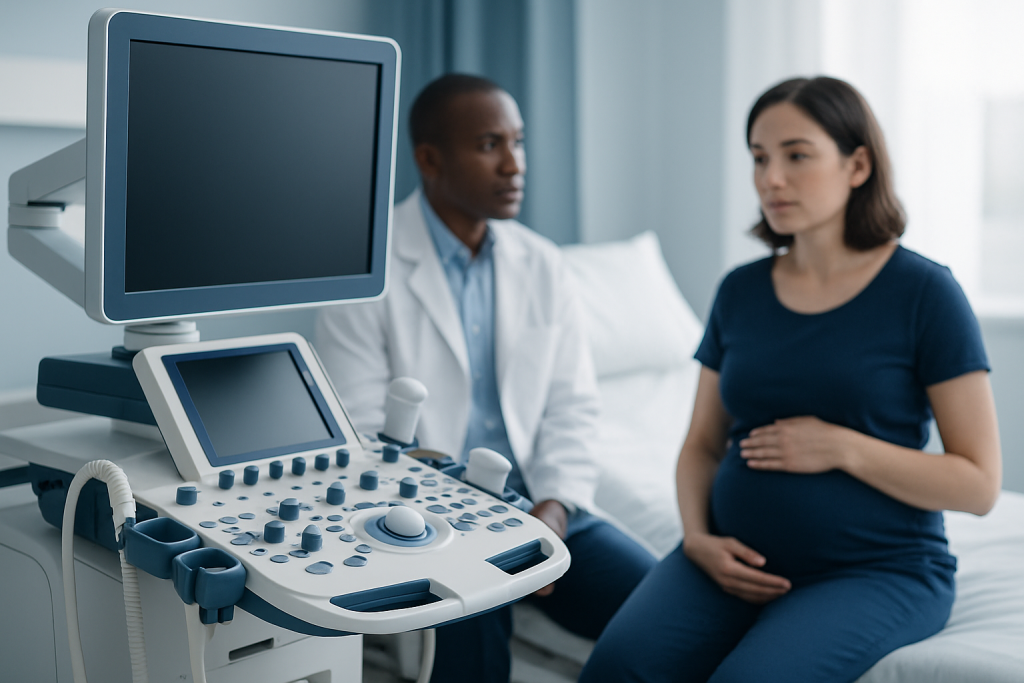
The most common miscarriage symptoms are vaginal bleeding and cramping. Bleeding may begin as light spotting or progress to heavier flow, and the color can range from bright red to brown. Cramping may feel similar to menstrual cramps, but it can also become stronger and come in waves as the uterus contracts.
Other possible signs include passing clots or tissue, a sudden decrease in pregnancy-related symptoms such as breast tenderness or nausea, and lower back pain. Some people also notice pelvic pressure or a sensation that something is “not right,” even before the bleeding becomes obvious.
- Vaginal spotting or bleeding
- Cramping in the lower abdomen or pelvis
- Passing clots or tissue
- Lower back pain
- Loss of typical pregnancy symptoms
It is important to remember that symptoms alone do not confirm miscarriage. In early pregnancy, bleeding can also occur with implantation, cervical irritation, or other conditions, so evaluation matters even when the signs seem familiar.
Causes & Risk Factors

Many miscarriages happen because a pregnancy is not developing normally, often due to chromosomal changes that occur by chance. These changes are usually not caused by something the pregnant person did or failed to do. In other cases, miscarriage may be associated with hormone problems, uterine abnormalities, certain medical conditions, or infections.
Risk can be higher with increasing maternal age, a history of previous pregnancy loss, smoking, heavy alcohol use, uncontrolled diabetes, thyroid disease, or some autoimmune conditions. Certain medications and environmental exposures may also play a role, which is why a doctor will review medical history carefully.
Even when a risk factor is present, a pregnancy can still continue normally. Likewise, many people who experience miscarriage have no identified cause after testing. That uncertainty can feel frustrating, but it is a common part of the condition and not a sign of personal fault.
Diagnosis
Doctors usually begin with a conversation about symptoms, the timing of the last menstrual period, and the pattern of bleeding or pain. A pelvic examination may help assess whether the cervix is open, and an ultrasound can often show whether the pregnancy is developing inside the uterus and whether there is a heartbeat at that stage of pregnancy.
Blood tests for human chorionic gonadotropin, or hCG, may be repeated over time to see how pregnancy hormone levels are changing. In some cases, a single visit is not enough to give a definitive answer, especially if the pregnancy is very early. Follow-up testing can clarify whether symptoms are due to miscarriage, an ectopic pregnancy, or another cause.
When symptoms begin during travel or while staying abroad, it helps to bring any prior ultrasound reports, blood test results, medication lists, and the estimated gestational age. Clear documentation allows clinicians to make faster decisions and avoid unnecessary repeat testing.
Treatment Options
Treatment depends on whether the miscarriage is complete, incomplete, missed, or threatened, and on how much bleeding or pain is present. Some miscarriages complete naturally without procedures, while others need medication or a procedure to remove retained tissue from the uterus. The safest option is determined by a clinician after evaluation.
In certain situations, doctors may recommend expectant management, which means careful observation as the body passes the pregnancy tissue on its own. Another approach is medication to help the uterus empty. If bleeding is heavy, tissue remains in the uterus, or infection is suspected, a procedure such as uterine aspiration or dilation and curettage may be advised.
Pain control, monitoring for anemia, and emotional support are also part of care. If a person is Rh-negative, a doctor may discuss whether Rh immunoglobulin is appropriate. Recovery plans should include clear instructions about warning signs, activity limits, and follow-up, especially when the patient will be returning home to another country.
Prevention & Self-care
Not every miscarriage can be prevented, because many occur for reasons beyond anyone’s control. Still, general health habits before and during pregnancy can support overall well-being: taking prenatal vitamins with folic acid when advised, avoiding smoking and alcohol, and managing chronic conditions with medical guidance.
After symptoms begin or a miscarriage is confirmed, self-care focuses on comfort and safety. Rest as needed, stay hydrated, and follow the doctor’s instructions about pain relief, activity, sexual intercourse, and tampon use. It can also help to arrange practical support for transportation, childcare, or interpreter services if medical visits are needed while traveling.
Emotional recovery is part of healing too. Some people want privacy, while others need to talk. Both responses are normal. Grief may surface immediately or later, and counseling, support groups, or a trusted clinician can help a person process the experience at a manageable pace.
When to See a Doctor
Medical assessment should not be delayed if there is any bleeding in pregnancy, even if it is light. A doctor can determine whether the symptoms are related to miscarriage or another condition that also needs attention. Early review is especially important when the pregnancy has not yet been confirmed by ultrasound.
Urgent care is needed for heavy bleeding, severe one-sided pain, fainting, dizziness, shoulder pain, fever, foul-smelling discharge, or worsening weakness. These symptoms may indicate significant blood loss, infection, or an ectopic pregnancy, which requires immediate treatment.
After a miscarriage, follow-up is still important to make sure recovery is complete and safe. A clinician can also discuss when it may be reasonable to try again, what tests might be useful if losses recur, and what support is available during the next pregnancy. Acibadem Health Point’s multidisciplinary specialists and JCI-accredited hospitals diagnose and treat miscarriage for international patients who need coordinated care while abroad.
Living Through the Diagnosis
For many people, the hardest part is the uncertainty before a diagnosis is confirmed. A bleeding episode in early pregnancy can lead to hours or days of waiting, repeated testing, and emotional strain. Having a clear medical plan helps: know where to go, what symptoms should prompt urgent attention, and how results will be shared.
If the pregnancy is not viable, the experience can still feel personal and deeply upsetting, even when the explanation is medical and not preventable. Some people benefit from a follow-up appointment that focuses not only on physical recovery, but also on questions about future fertility, travel timing, and when it is safe to resume normal routines.
Care is often more effective when it is coordinated. That may mean an obstetrician, radiology team, lab services, and follow-up support all working together, especially for someone navigating care away from home.
Frequently asked questions
Is bleeding always a sign of miscarriage?
No. Light bleeding or spotting can happen in pregnancies that continue normally, especially early on. Because the causes can differ, any bleeding in pregnancy should be checked by a clinician.
Can a miscarriage happen without pain?
Yes. Some miscarriages cause little or no pain, and some are found on ultrasound before symptoms become obvious. Others cause cramping, bleeding, and tissue passage.
How do doctors confirm a miscarriage?
They usually combine a symptom review, pelvic examination, ultrasound, and sometimes repeated hCG blood tests. In early pregnancy, more than one visit may be needed to be certain.
What should a person do while waiting to be seen?
It is sensible to rest, avoid inserting anything into the vagina unless a doctor advises otherwise, and monitor bleeding and pain. If heavy bleeding, fainting, fever, or severe pain develops, urgent medical care is needed.
Can someone get pregnant again after a miscarriage?
In many cases, yes. Most people can try again after they have physically and emotionally recovered, but the timing should be discussed with a doctor based on the individual situation.
When is emergency care needed?
Emergency care is needed for very heavy bleeding, severe abdominal pain, dizziness, fainting, fever, or shoulder pain. These symptoms can signal serious complications that should be assessed right away.
References
- World Health Organization
- American College of Obstetricians and Gynecologists
- NHS
- Mayo Clinic
- Merck Manual Professional Edition
This article is for general information only and is not a substitute for professional medical advice. Please consult a qualified doctor about your individual situation.
Explore treatments in Turkey — costs, top hospitals & a free quote
JCI-accredited · board-certified surgeons · reply within 24h
Add us as a Preferred Source to see more of our trusted health content across Google Search, AI Overviews and Discover.
More from the Health Library



Related Specialists

Dr. Gamze Karababa
Gynecology & Obstetrics
Dr. Onur Özdenoğlu
Gynecology & Obstetrics
Dr. Selcen Bahadır
Gynecology & Obstetrics
Prof. Dr. A. Taner Usta
Gynecology & Obstetrics