Best Yoga Poses For Back Pain

Key Takeaways
- Gentle yoga can help some people with back pain move more comfortably and reduce muscle tightness.
- The safest poses usually focus on lengthening, mild strengthening, and controlled breathing rather than deep bends or twists.
- Back pain has many causes, so the best yoga approach depends on whether the pain is muscular, postural, disc-related, or linked to another condition.
- Yoga should feel controlled and comfortable; sharp, radiating, or increasing pain is a sign to stop and reassess.
- A doctor or physiotherapist can help confirm the cause of back pain and guide safe exercise choices.
Back pain is common, but the right yoga poses may help reduce stiffness, improve mobility, and support a calmer, more resilient spine. The key is choosing gentle movements that match the person’s symptoms and avoiding poses that worsen pain or strain.
Overview
Back pain often changes how a person moves, rests, and even breathes. For some people, the back feels tight after long hours at a desk; for others, discomfort follows a strain, a flare of arthritis, or a period of reduced activity. In that setting, yoga can be useful because it combines gentle mobility, body awareness, and relaxed breathing in one approach.
The best yoga poses for back pain are usually simple and adaptable. They aim to calm overworked muscles, improve spinal movement without forcing it, and support the core and hip muscles that help protect the back. The right routine is not about stretching as far as possible; it is about moving in a way that feels steady, smooth, and sustainable.
Yoga is best viewed as one part of a broader back-care plan. It works well when matched with good posture habits, appropriate medical assessment, and, when needed, physiotherapy or other treatment. That is especially important for people traveling for care, because a clear diagnosis helps them return home with safe exercises they can continue confidently.
Symptoms That May Respond Well to Gentle Yoga

Yoga is most likely to help when back pain feels stiff, achy, or related to muscle tension. People often notice this type of discomfort after prolonged sitting, lifting with poor mechanics, sleeping awkwardly, or spending time in one position. In these cases, careful movement can ease the “stuck” feeling and make daily activity more comfortable.
Some people also find yoga helpful when pain is linked to stress. The back and nervous system are closely connected, and tension can make muscles brace more than they need to. Slower breathing, mindful posture changes, and gentle stretching may help the body relax enough for movement to feel less threatening.
Yoga is not a cure for every type of back pain. Pain that shoots down the leg, causes numbness, follows an injury, or becomes worse with movement should be assessed before starting a routine. A symptom pattern like that may need a more specific plan than general stretching alone.
Causes and Risk Factors
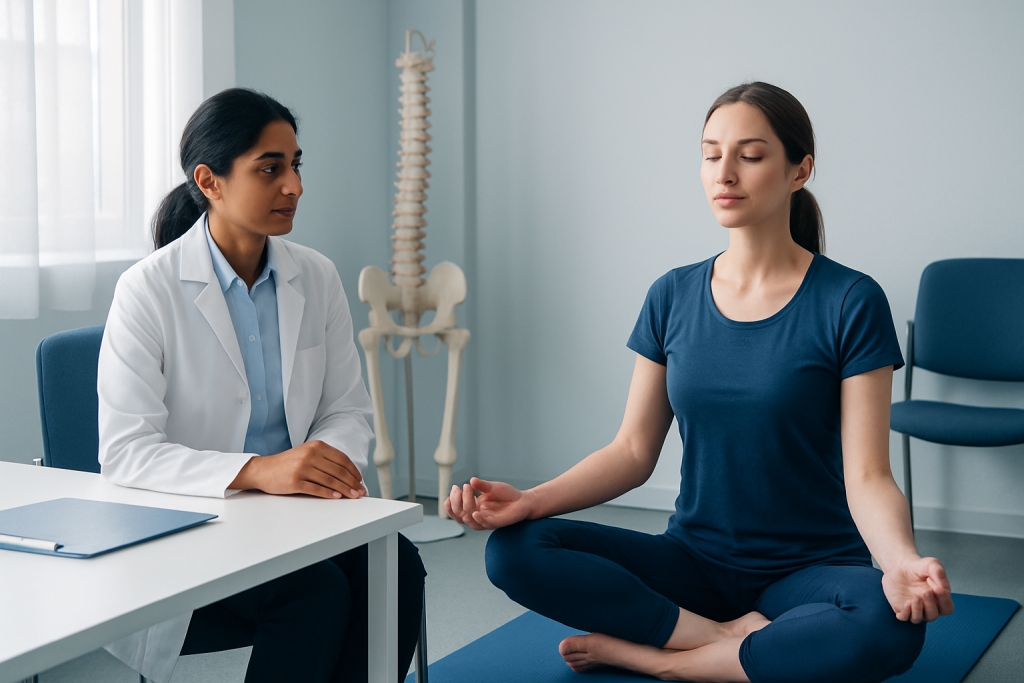
Back pain has many possible causes, and the right yoga pose depends on the reason the pain is present. Common contributors include muscle strain, weak trunk muscles, tight hips, reduced flexibility, long periods of sitting, and repetitive bending or lifting. Some people also develop pain from degenerative changes in the spine or irritation around the joints and discs.
Daily habits can increase the chance of back discomfort. Poor workstation setup, low physical activity, carrying heavy bags, and sudden weekend exercise after a sedentary week can all play a role. Stress, poor sleep, and fear of movement can also make pain feel more persistent because the body remains guarded.
Risk factors are not the same as causes, but they help explain why certain people are more prone to flare-ups. Older age, previous back injuries, obesity, smoking, and weak gluteal or core muscles may increase vulnerability. A person who has been told they have a spinal condition should be especially careful to choose poses that match their diagnosis.
How Yoga Can Help the Back
Yoga may help by improving how the spine, hips, and pelvis move together. When the hips are stiff, the lower back often works harder than it should, so gently opening the hips can reduce strain. Many poses also encourage balanced use of the abdominal and back muscles, which can improve support during standing, bending, and walking.
Breathing is another important part of the benefit. Slow, steady breathing can reduce muscle guarding and make movement feel less abrupt. For some people, this creates a useful break in the cycle where pain leads to tension and tension leads to more pain.
The benefit is usually greatest when yoga is regular and gentle. Short, consistent sessions often work better than infrequent intense practice. In a rehabilitation setting, yoga may be combined with stretching, strengthening, and posture training to build a routine that is easier to maintain during travel, work, and recovery at home.
Best Yoga Poses for Back Pain
The following poses are often used in gentle back-care routines. They are usually better tolerated than deep backbends or aggressive twisting, but each person should adjust based on comfort and medical advice.
- Child’s Pose: A resting position that gently lengthens the lower back and encourages relaxation. A pillow or folded blanket under the torso can make it more comfortable.
- Cat-Cow Stretch: Slow spinal movement between arching and rounding can improve mobility and help the back feel less stiff.
- Knees-to-Chest Pose: Bringing one or both knees toward the chest may reduce lower-back tension for some people.
- Bridge Pose: A mild strengthening pose that activates the glutes and back support muscles without heavy strain when done carefully.
- Supine Twist, done gently: A soft reclining twist can ease tightness, but it should never be forced and may not suit everyone with disc or nerve symptoms.
- Standing Forward Fold, modified: A supported, partial fold can stretch the hamstrings and lower back without rounding aggressively.
- Sphinx Pose: A gentle back extension that may feel helpful for some people with stiffness, especially when done on forearms and without pain.
It helps to move slowly into each pose and notice how the body responds. Mild stretching or a sense of opening is usually acceptable, but pain that increases during the posture is a sign to back off. Props such as cushions, yoga blocks, and rolled towels can make a position more accessible and reduce strain.
People with back pain often do better when a physiotherapist or yoga-informed clinician checks their form. This is particularly valuable for international patients who may have limited time on site and need a home program they can safely repeat after returning to another country.
Poses and Movements to Avoid or Modify
Some yoga positions can place too much load on an irritated back. Deep forward folds, strong backbends, forceful twisting, and rapid transitions may aggravate pain, especially if the problem involves a disc, joint inflammation, or nerve irritation. A pose that looks simple from the outside can still be too much if the body is guarding.
It is wise to be cautious with any movement that causes sharp pain, radiating pain, numbness, tingling, or a feeling of weakness. These signs suggest that the exercise should be stopped and reviewed rather than pushed through. Back pain does not improve by “working through” warning symptoms.
Modifications can often make a pose safer. Bending the knees, shortening the range of motion, using a wall for support, or choosing a restorative version of the pose may allow movement without provoking symptoms. The safest version is the one that helps the person move more freely the next day, not just during the class.
Prevention and Self-care
Yoga tends to work best when it is part of a broader self-care routine. Regular walking, changing positions often, staying hydrated, and building basic core and hip strength can all support a healthier back. Good sleep and stress management also matter because muscle tension often rises when the body is tired or under pressure.
For everyday prevention, it helps to think less about perfect posture and more about variety. Sitting, standing, and walking at intervals is usually kinder to the back than staying in one position for too long. When lifting, keeping objects close to the body and using the legs rather than the spine can also reduce strain.
Before starting yoga for back pain, it is sensible to begin slowly and choose a time when symptoms are relatively calm. A brief warm-up, supportive equipment, and a calm environment make the practice easier to tolerate. If someone is recovering after treatment or traveling for medical care, the safest plan is one that is simple enough to follow consistently once they are home.
When to See a Doctor
Medical evaluation is important when back pain is severe, lasts longer than expected, or keeps returning. A doctor or physiotherapist can help identify whether the discomfort is muscular, joint-related, disc-related, or linked to another medical issue. That assessment makes it much easier to choose exercises that are helpful rather than irritating.
Prompt review is also recommended if back pain comes with leg weakness, numbness, bladder or bowel changes, fever, unexplained weight loss, or pain after a fall or other injury. These symptoms do not automatically mean something serious, but they do deserve professional attention. Sudden changes in walking or balance should also be checked without delay.
For people considering treatment abroad, clear guidance before and after travel is especially useful. Acibadem Health Point’s multidisciplinary specialists and JCI-accredited hospitals diagnose and treat back pain for international patients, helping them receive an individualized plan and follow it safely after discharge. A qualified clinician can also advise when yoga is appropriate and when another approach should come first.
A Practical Way to Start
A gentle routine for back pain often begins with breathing, then moves into a few slow mobility exercises, and ends with a resting position. That structure helps the body settle before more active work begins and gives the spine time to respond gradually. Many people find it easier to keep practicing when the session feels short, predictable, and unhurried.
The best yoga plan is personal. What helps one person’s stiff lower back may not suit another person with nerve symptoms or a recent injury. For that reason, a careful assessment is the most reliable starting point, especially when back pain has already limited travel, work, or daily activities.
Conclusion
Yoga can be a helpful and calming tool for back pain when the poses are chosen thoughtfully. Gentle movement, supported stretches, and steady breathing may ease stiffness and improve confidence in motion, but the routine should always match the person’s underlying condition and comfort level.
For lasting relief, yoga works best alongside professional guidance, sensible activity habits, and attention to warning symptoms. With the right approach, many people can move more comfortably and return to daily life with less fear of aggravating the back.
Frequently asked questions
Is yoga good for all types of back pain?
Not always. Gentle yoga may help muscular tightness and stiffness, but it may not be suitable for every cause of back pain, especially if there is nerve involvement, a recent injury, or worsening symptoms. A clinician can help determine whether yoga is appropriate.
Which yoga pose is safest for lower back pain?
There is no single safest pose for everyone, but Child’s Pose, Cat-Cow, and supported bridge variations are often used in gentle routines. The best choice depends on the person’s symptoms and how the back responds during and after the pose.
Should back pain get worse during yoga if it is helping?
No. Mild stretching or temporary stiffness can happen, but sharp pain, radiating pain, numbness, or increasing discomfort are signs to stop. Helpful yoga should leave the back feeling at least as good afterward, if not better.
How often should someone do yoga for back pain?
Consistency matters more than intensity. Many people do better with short, regular sessions rather than long, demanding ones, but the ideal frequency depends on the individual’s condition and tolerance.
Can yoga replace medical treatment for back pain?
Yoga can be part of treatment, but it should not replace medical evaluation when back pain is persistent, severe, or associated with warning symptoms. A proper diagnosis helps make sure the right problem is being treated.
What equipment can make yoga safer for back pain?
Simple props such as a yoga mat, cushion, folded blanket, wall support, or yoga blocks can make poses easier and reduce strain. These tools are especially useful when someone is rebuilding movement after a painful episode.
References
- World Health Organization
- National Institute of Neurological Disorders and Stroke
- American College of Physicians
- NHS
This article is for general information only and is not a substitute for professional medical advice. Please consult a qualified doctor about your individual situation.