

Tens Machine

Key Takeaways
- A TENS machine sends gentle electrical pulses through skin electrodes to help reduce pain signals.
- It may be useful for muscle, joint, nerve, and post-injury pain, but it does not treat the underlying cause.
- Most people tolerate TENS well, though it is not suitable for everyone, including some people with pacemakers or certain skin conditions.
- Correct electrode placement and sensible use improve comfort and may make the device more effective.
- A clinician should guide use if pain is new, severe, worsening, or linked to numbness, weakness, fever, or injury.
A TENS machine is a small device that uses low-voltage electrical impulses to help manage pain. It is commonly used alongside other treatment plans for short-term relief and rehabilitation support.
Overview
A TENS machine, short for transcutaneous electrical nerve stimulation, is a small portable device used to help manage pain. It works by sending mild electrical impulses through pads placed on the skin, usually near the area that hurts or along the related nerve pathway.
For many people, the appeal is practical as well as medical: it can be used at home, adjusted to comfort, and integrated into a broader rehabilitation plan. It is best thought of as a symptom-management tool rather than a cure, which means it may help someone move, rest, or exercise more comfortably while the underlying problem is being addressed.
International patients often ask whether they can continue a TENS plan while traveling or after returning home. In most cases, the answer depends on the reason for pain, the type of device, and the clinician’s instructions. A clear diagnosis helps ensure the machine is used in a safe and realistic way.
How a TENS Machine Works
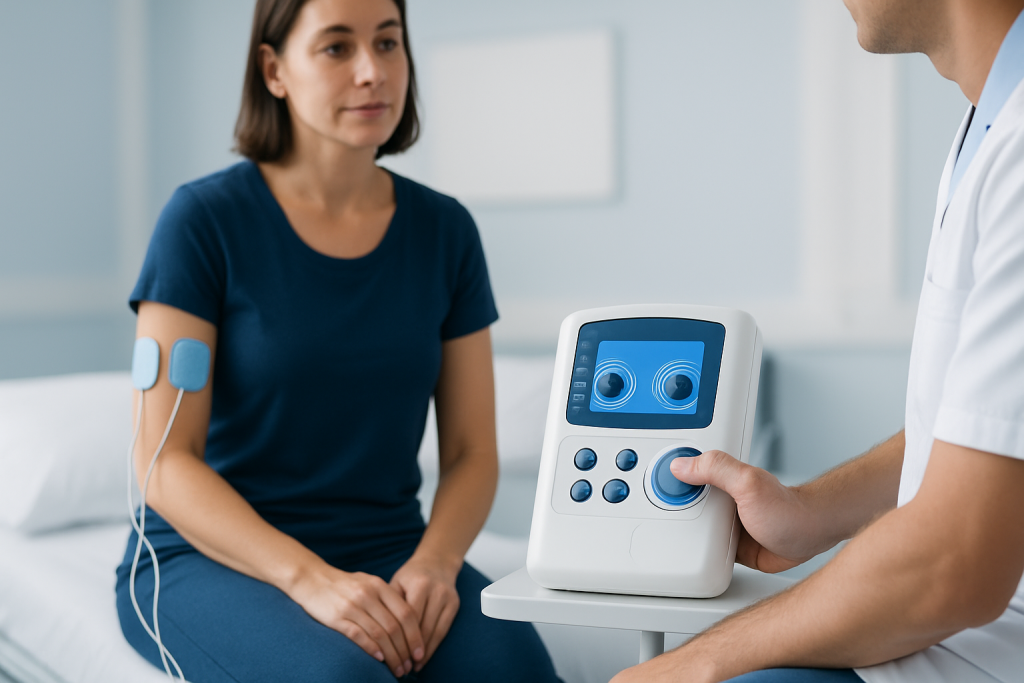
The device delivers low-voltage pulses through adhesive electrodes. These pulses are felt as tingling, tapping, or buzzing rather than painful shocks when the machine is set correctly. People usually adjust the intensity to a level that feels noticeable but comfortable.
There are a few ways TENS may help with pain. It may interfere with pain signals reaching the brain, encourage the body’s own pain-modulating chemicals, and sometimes reduce the feeling of muscle guarding around an injured area. The exact response varies from person to person and from one pain condition to another.
TENS is often used for a limited session rather than continuously. A clinician or physiotherapist may suggest it before exercise, during rehabilitation, after activity, or at times when pain tends to flare. The goal is to support function and participation in daily life, not to replace medical assessment when that is needed.
Symptoms and Conditions It May Help

TENS is most often considered when pain is localized or clearly identifiable. People may use it for back pain, neck pain, osteoarthritis discomfort, period pain, post-operative pain, sports injuries, and some nerve-related pain patterns. It is also sometimes used in rehabilitation settings to help people tolerate movement-based therapy.
What it can improve is usually the experience of pain, not swelling, infection, fracture healing, or the cause of the problem itself. If the pain is driven by inflammation, nerve compression, or another medical condition, TENS may be only one part of a much wider plan.
- Muscle aches and strains
- Joint pain related to wear, overuse, or rehabilitation
- Back and neck pain
- Post-surgical or post-injury discomfort
- Some forms of chronic pain under specialist guidance
When pain is new, unexplained, or linked to loss of function, the first step should be a medical evaluation rather than self-treatment alone. That is especially important for international patients who may be trying to decide whether to seek care before or after travel.
Causes and Risk Factors
People usually come to TENS because pain is interfering with everyday life, sleep, movement, or rehabilitation. Common reasons include strain from physical activity, degenerative joint changes, recovery after surgery, work-related overuse, and persistent pain conditions managed by a specialist.
Some people may be more likely to consider TENS because they want a non-drug option, cannot tolerate certain pain medicines, or need extra support while completing physiotherapy. However, a preference for non-pharmacologic care does not remove the need to identify the source of pain.
Risk factors are mostly about safety and suitability. A device may not be appropriate for people with pacemakers or other implanted electronic devices, those who are pregnant without medical advice, or anyone with broken skin, reduced sensation, or a history of seizures. A clinician should also review use in people with significant heart disease or complex neurological conditions.
Diagnosis and Assessment
Before recommending a TENS machine, a clinician usually asks where the pain is, when it started, what makes it better or worse, and whether there are warning signs such as numbness, weakness, fever, swelling, or recent trauma. The aim is to understand the pain pattern and rule out conditions that need urgent treatment.
Depending on the story and examination, the person may need imaging, nerve testing, blood tests, or a physiotherapy assessment. This is especially true when the pain is persistent, severe, unexplained, or affecting walking, grip, bowel or bladder function, or sleep in a major way.
For international patients, a good assessment also helps with continuity of care. If a person has already started treatment abroad or at home, bringing a medication list, previous reports, and a clear summary of symptoms can make the TENS decision more precise and safer.
Treatment Options
TENS is usually one component of a broader pain-management plan. That plan may include rest modification, guided exercise, manual therapy, posture changes, heat or cold, non-prescription or prescription medicines, injections in selected cases, and treatment of the underlying diagnosis. The best approach depends on the reason for pain and the person’s overall health.
When it is prescribed or recommended by a clinician, the device is typically applied with adhesive pads placed on intact skin. A session may start with a low setting, then increase until the sensation is clearly felt but still comfortable. If the feeling becomes sharp, irritating, or causes skin redness that does not settle, the setting or pad placement may need review.
Some people use TENS at home after being shown how to place the electrodes and choose suitable settings. Others use it during supervised rehabilitation, where a physiotherapist can integrate it with movement retraining and functional exercises. The most useful plan is usually the one that helps the person stay active rather than avoid activity altogether.
It is important to keep expectations realistic. TENS may reduce pain enough to make daily tasks easier, but it does not repair tissue or cure arthritis, disc problems, or nerve compression. If symptoms do not improve, the care plan should be reassessed instead of simply increasing the intensity.
Prevention and Self-care
Not every painful episode can be prevented, but some self-care habits make TENS more helpful when it is part of a wider plan. Correctly cleaning the skin before placing electrodes, checking pads for wear, and avoiding application over broken skin all support safer use. Following the prescribed placement pattern also matters, because electrodes placed randomly may give inconsistent results.
Self-care for pain usually works best when it is active rather than passive. Gentle movement, pacing of activity, good sleep routines, hydration, and ergonomic adjustments at work or during travel can all reduce the strain that fuels pain flares. A physiotherapist may also suggest stretching or strengthening exercises that complement TENS use.
- Use only on intact skin unless a clinician says otherwise
- Keep the device away from the front of the neck, the chest over the heart, and the head
- Do not use while driving, bathing, or sleeping unless specifically instructed
- Stop if dizziness, skin irritation, or unusual discomfort occurs
For people recovering in another country, carrying the device, electrodes, charger, and written instructions can help maintain consistency after returning home. If a local clinician needs to continue care, the treatment details should be shared clearly.
When to See a Doctor
Medical advice is important if pain is severe, keeps coming back, or has not improved with initial care. A doctor should also be consulted if pain follows a fall or injury, if it comes with numbness or weakness, or if it is accompanied by fever, unexplained weight loss, redness, marked swelling, or loss of bladder or bowel control.
TENS should not be used as a way to delay care when symptoms suggest something more serious. It is best used after a professional has confirmed that the pain is appropriate for this kind of support and has ruled out conditions that need different treatment.
People with implanted devices, pregnancy, epilepsy, or significant skin sensitivity should ask a qualified clinician before starting. If a person is unsure whether TENS is suitable, a rehabilitation specialist, pain physician, or physiotherapist can provide tailored guidance. At Acibadem Health Point, multidisciplinary specialists and JCI-accredited hospitals can evaluate and treat this condition for international patients in a coordinated way.
Living With Pain and Using TENS Sensibly
A TENS machine can be reassuring because it offers an active way to respond to pain without making assumptions that every ache requires strong medicine. When used thoughtfully, it may help someone return to walking, sleeping, working, or exercising with less discomfort.
The most effective use is usually tied to a clear diagnosis, appropriate electrode placement, and a plan for what happens if symptoms change. In that sense, TENS is less about the device itself and more about how it fits into the person’s overall recovery story.
For anyone considering treatment while traveling or after medical care abroad, the simplest rule is to ask for a written plan. That plan should explain why the machine was recommended, how long to use it, and when to seek follow-up care at home.
Frequently asked questions
What is a TENS machine used for?
A TENS machine is used to help manage pain from a variety of causes, including back pain, joint pain, muscle strain, and some post-operative discomfort. It may help a person feel well enough to move and take part in rehabilitation. It does not treat the underlying cause of pain.
Does TENS hurt?
Most people describe TENS as a tingling, pulsing, or tapping feeling rather than pain. If the sensation becomes sharp, irritating, or uncomfortable, the settings may be too high or the pads may need repositioning. A clinician can help adjust the device safely.
Can a TENS machine be used every day?
Some people use TENS regularly, but the schedule should match the individual treatment plan. A doctor or physiotherapist may suggest using it at certain times, such as before exercise or during pain flares. It is wise to review ongoing use if pain persists or changes.
Who should avoid using TENS?
People with pacemakers or other implanted electronic devices should not use TENS without medical advice. Extra caution is also needed in pregnancy, epilepsy, reduced skin sensation, broken skin, or certain heart and neurological conditions. A qualified clinician can confirm whether it is appropriate.
Can TENS replace pain medicine or physical therapy?
Usually it cannot replace them. TENS is often most useful as part of a broader plan that may include exercise therapy, posture changes, and medication when appropriate. The aim is to improve comfort and function, not to rely on the device alone.
When should someone stop using a TENS machine?
Use should stop if the skin becomes irritated, the sensation feels painful, or new symptoms such as dizziness or numbness appear. It should also be paused if pain becomes suddenly worse or changes character. In those situations, a medical review is the safer next step.
References
- National Institute for Health and Care Excellence
- World Health Organization
- American Academy of Physical Medicine and Rehabilitation
- Mayo Clinic
- NHS
This article is for general information only and is not a substitute for professional medical advice. Please consult a qualified doctor about your individual situation.
More from the Health Library


Related Specialists

Dr. Safiye Sayilir
Physical Medicine & Rehabilitation
Dr. Özgün Barış Çolak
Physical Medicine & Rehabilitation
Prof. Dr. Meltem Vural
Physical Medicine & Rehabilitation
Prof. Dr. Meral Bayramoğlu
Physical Medicine & Rehabilitation