

Luteal Phase Symptoms: Causes and When to Seek Help

Key Takeaways
- The luteal phase usually begins after ovulation and ends when menstruation starts.
- Common symptoms include bloating, breast tenderness, mood changes, fatigue, and food cravings.
- Some symptoms overlap with PMS or PMDD, but severity and impact on daily life help guide evaluation.
- Persistent, severe, or cycle-disrupting symptoms should be reviewed by a clinician.
- Lifestyle measures and symptom tracking can help identify patterns and support treatment decisions.
Medically reviewed by the Acıbadem clinical team — August 19, 2026
The luteal phase is the part of the menstrual cycle after ovulation and before a period begins. Many people notice physical and emotional changes during this time, and understanding them can make symptoms easier to manage and discuss with a doctor when needed.
Overview
The luteal phase is the stretch of the menstrual cycle that follows ovulation. During this time, the body shifts into a hormone pattern that prepares the uterus for a possible pregnancy. If pregnancy does not occur, hormone levels fall and menstruation begins.
For many people, this phase brings noticeable changes. Some are mild and predictable, while others may feel stronger and affect work, sleep, relationships, or travel plans. Understanding luteal phase symptoms can help a person separate normal cycle changes from signs that deserve medical attention.
In a practical sense, the luteal phase is often when people begin to “feel their cycle.” That may mean noticing bloating before an important meeting, feeling more emotional during the days before a flight, or having lower energy during a period of family or business travel. A clear pattern is often the most useful clue.
Symptoms
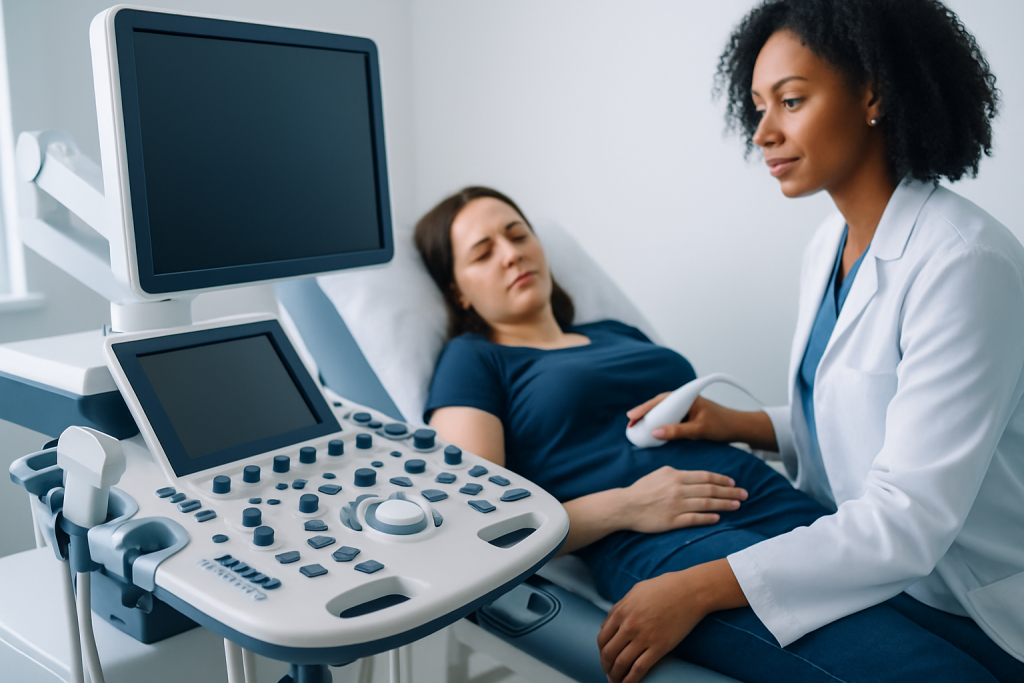
Luteal phase symptoms vary from person to person. Some notice only one or two changes, while others experience a cluster of physical and emotional symptoms that come and go each month in a fairly regular pattern.
Common symptoms include:
- Breast tenderness or swelling
- Bloating or a sense of abdominal fullness
- Fatigue or lower energy
- Mood changes such as irritability, tearfulness, or feeling more sensitive
- Food cravings or changes in appetite
- Headaches
- Sleep changes, including trouble falling asleep or sleeping more than usual
- Mild acne flare-ups
- Constipation or changes in bowel habits
- Lower concentration or a “foggy” feeling
These symptoms typically appear after ovulation and improve once the period starts or soon after bleeding begins. When symptoms are predictable but manageable, they may be part of the normal hormonal rhythm. When they are intense, long-lasting, or disruptive, further assessment is helpful.
It is also important to note that luteal phase symptoms can resemble early pregnancy symptoms, thyroid problems, or signs of other hormonal conditions. Timing within the cycle often provides the first useful distinction, but timing alone is not enough for a diagnosis.
Causes & Risk Factors

Luteal phase symptoms are mainly linked to natural hormone shifts. After ovulation, progesterone rises and estrogen changes as well. These hormones influence fluid balance, digestion, temperature regulation, brain chemistry, and the lining of the uterus. In sensitive individuals, these shifts can be felt quite strongly.
Why some people experience stronger symptoms than others is not fully understood. Several factors may contribute, including:
- Greater sensitivity to normal hormonal changes
- A history of premenstrual syndrome or premenstrual dysphoric disorder
- Stress, poor sleep, or inconsistent routines
- Underlying conditions such as migraine, endometriosis, or thyroid disorders
- Changes in weight, intense exercise, or restrictive eating patterns
- Life stage factors, including adolescence or the years leading up to menopause
Risk factors do not mean a problem is inevitable. They simply suggest that symptoms may be more noticeable or more likely to interfere with daily life. For patients traveling internationally for care, it can be especially useful to track symptoms across several cycles before departure, since a complete pattern often helps doctors make better decisions in a shorter time frame.
Diagnosis
There is no single test that confirms luteal phase symptoms by themselves. Diagnosis usually begins with a detailed conversation about the menstrual cycle, the timing of symptoms, and how much the symptoms affect everyday activities. A clinician may ask when ovulation occurs, when symptoms begin, and whether they improve with the start of bleeding.
Many doctors recommend a symptom diary for at least two cycles. This may include mood changes, pain, sleep, appetite, bowel changes, headaches, and the day the period begins. Writing things down often reveals a pattern that is difficult to notice from memory alone.
Depending on the story, a clinician may suggest tests to rule out other causes. These may include pregnancy testing, thyroid evaluation, or other hormone-related assessments. If symptoms are severe, emotional, or linked to major functional impairment, the evaluation may also screen for PMS or PMDD so treatment can be matched more precisely.
For Myomectomy Recovery for International Patients: The Usual Travel Timeline" class="ahp-ilk">international patients, organizing records before a consultation is helpful. A simple cycle calendar, medication list, previous lab reports, and symptom notes can make an appointment more efficient, especially when time for in-person assessment is limited.
Treatment Options
Treatment depends on how severe the symptoms are and what appears to be driving them. Mild symptoms may improve with lifestyle changes alone, while more disruptive symptoms may need medical treatment. The goal is not to eliminate every cycle-related change, but to reduce discomfort and restore daily function.
Common approaches include:
- Lifestyle adjustments such as regular sleep, balanced meals, and steady physical activity
- Stress reduction strategies, including breathing exercises, mindfulness, or counseling
- Pain relief options recommended by a clinician for headache or cramping
- Hormonal treatments in selected cases, especially when symptoms are linked to PMS or ovulation-related changes
- Support for mood symptoms when emotional changes are prominent
If symptoms are tied to another condition, treatment focuses on that underlying issue. For example, thyroid disease, endometriosis, or significant menstrual irregularity may require specific care. A personalized plan matters because the right approach for one person may not be appropriate for another.
When patients seek care abroad, treatment planning may include a short diagnostic workup followed by a clear follow-up plan that can continue with a local doctor at home. This is often the most practical model for cycle-related concerns, since symptom control usually improves with continuity rather than a single visit alone.
Prevention & Self-care
Not every luteal phase symptom can be prevented, but many can be softened. Small routine changes often make the biggest difference when they are done consistently across several cycles rather than only after symptoms start.
Helpful self-care measures include:
- Eating regular meals with enough protein, fiber, and fluids
- Reducing excess caffeine or alcohol if these make symptoms worse
- Keeping sleep and wake times as steady as possible
- Staying physically active with walking, stretching, or other tolerated exercise
- Tracking symptoms, ovulation, and period dates to identify patterns
- Planning demanding work, travel, or social commitments with the cycle in mind when possible
Stress does not cause every symptom, but it can amplify them. A calmer routine, even if modest, may reduce the sense of being overwhelmed by changes that are otherwise predictable. For some patients, simply knowing when symptoms usually peak helps them prepare emotionally and practically.
If a person is considering fertility treatment or traveling for evaluation, symptom tracking is especially valuable. It helps clinicians distinguish routine luteal changes from ovulation-related issues and gives a clearer picture of cycle regularity, which is often relevant in reproductive health discussions.
When to See a Doctor
Medical review is a good idea when symptoms are intense enough to interfere with work, school, relationships, sleep, or travel. It is also appropriate when the symptom pattern changes suddenly, becomes much worse, or begins at an unusual time in the cycle.
A doctor should be consulted if there is:
- Severe mood change, anxiety, or depression before periods
- Very heavy bleeding or unusually painful periods
- Symptoms that continue well beyond the start of menstruation
- Irregular cycles or missed periods
- Signs of pregnancy, thyroid disease, or another medical condition
- Any symptom that feels difficult to manage or understand
Urgent medical attention is appropriate for severe pain, fainting, heavy bleeding, or sudden symptoms that are not typical for the person. Otherwise, a planned visit is usually enough, and it allows time for careful review rather than rushed decisions.
Acibadem Health Point’s multidisciplinary specialists and JCI-accredited hospitals diagnose and treat luteal phase-related concerns for international patients, with attention to both the medical findings and the practical realities of follow-up across borders.
Living With Cycle-Related Symptoms
Many people do best when they treat luteal phase symptoms as a trackable pattern rather than an unpredictable event. Once the timing is known, the cycle becomes easier to plan around, and the symptoms themselves often feel less mysterious.
That process can also reduce unnecessary worry. Not every breast twinge, mood shift, or bloated feeling means something is wrong. At the same time, a recurring pattern that repeatedly disrupts life deserves attention, especially if it affects mental well-being or day-to-day responsibilities.
The most useful long-term approach is a combination of observation, practical self-care, and medical guidance when needed. With that balance, many people find their symptoms become more manageable and less disruptive over time.
Frequently asked questions
What are the most common luteal phase symptoms?
Common symptoms include bloating, breast tenderness, fatigue, mood changes, food cravings, headaches, and sleep disturbance. The exact pattern varies from person to person, and symptoms usually appear after ovulation and ease when the period starts.
How are luteal phase symptoms different from PMS?
Luteal phase symptoms refer broadly to changes that happen after ovulation, while PMS describes symptoms that are bothersome and occur before a period. In everyday use, the terms are sometimes used interchangeably, but a clinician may look at timing and severity to decide whether the pattern fits PMS or another condition.
Can luteal phase symptoms affect fertility?
Most luteal phase symptoms do not by themselves mean infertility. However, if cycle patterns are irregular, ovulation is unclear, or symptoms are linked to another condition, a fertility evaluation may be helpful.
Do luteal phase symptoms mean pregnancy?
Not necessarily. Some early pregnancy symptoms can overlap with luteal phase symptoms, such as breast tenderness and fatigue, so the timing can be confusing. A pregnancy test is the clearest way to check when there is a possibility of conception.
What helps luteal phase bloating and fatigue?
Regular meals, good hydration, light-to-moderate activity, and consistent sleep can help some people feel better. If symptoms are strong or persistent, a doctor can look for other causes and suggest additional options.
When should someone worry about luteal phase mood changes?
Mood changes deserve medical attention when they are severe, affect relationships or work, or include hopelessness, panic, or loss of control. These symptoms may point to PMDD or another mental health concern and should be discussed with a qualified clinician.
References
- ACOG: American College of Obstetricians and Gynecologists
- NHS
- Mayo Clinic
- Cleveland Clinic
- National Institute of Child Health and Human Development
This article is for general information only and is not a substitute for professional medical advice. Please consult a qualified doctor about your individual situation.
Persistent digestive symptoms? Get evaluated in Turkey
JCI-accredited · board-certified surgeons · reply within 24h
Add us as a Preferred Source to see more of our trusted health content across Google Search, AI Overviews and Discover.
More from the Health Library



Related Specialists

Dr. Gamze Karababa
Gynecology & Obstetrics
Dr. Onur Özdenoğlu
Gynecology & Obstetrics
Dr. Selcen Bahadır
Gynecology & Obstetrics
Prof. Dr. A. Taner Usta
Gynecology & Obstetrics