Liver Location

Key Takeaways
- The liver is mainly in the upper right abdomen, under the rib cage, with a small portion extending toward the center.
- Liver-related problems do not always cause pain directly over the liver, which can make symptoms easy to misread.
- Many common symptoms such as fatigue, jaundice, or bloating can have several causes, so evaluation matters.
- Imaging and blood tests are often used together to assess liver health and nearby structures.
- Early medical advice is especially helpful if symptoms are persistent, worsening, or accompanied by jaundice, fever, or confusion.
The liver sits high in the upper right side of the abdomen, tucked beneath the ribs and close to several important organs. Knowing its location can help a person make sense of discomfort, symptoms, and when a medical checkup is worthwhile.
Overview
The liver is one of the body’s largest internal organs, and its location explains many of the questions people have about discomfort in the upper abdomen. It sits mostly in the upper right part of the abdomen, just below the diaphragm and rib cage, with a smaller portion reaching toward the middle of the body.
This position places the liver close to the stomach, gallbladder, pancreas, and intestines. Because of that crowded neighborhood, symptoms felt around the upper abdomen do not always come from the liver itself. A person may feel pressure, fullness, or vague discomfort and still need an examination to tell whether the cause is the liver, gallbladder, digestive tract, or something else.
For international patients who are planning care in another country, understanding the liver’s location can be a practical first step. It helps them describe symptoms clearly, follow imaging results more easily, and ask better questions during consultations.
Symptoms
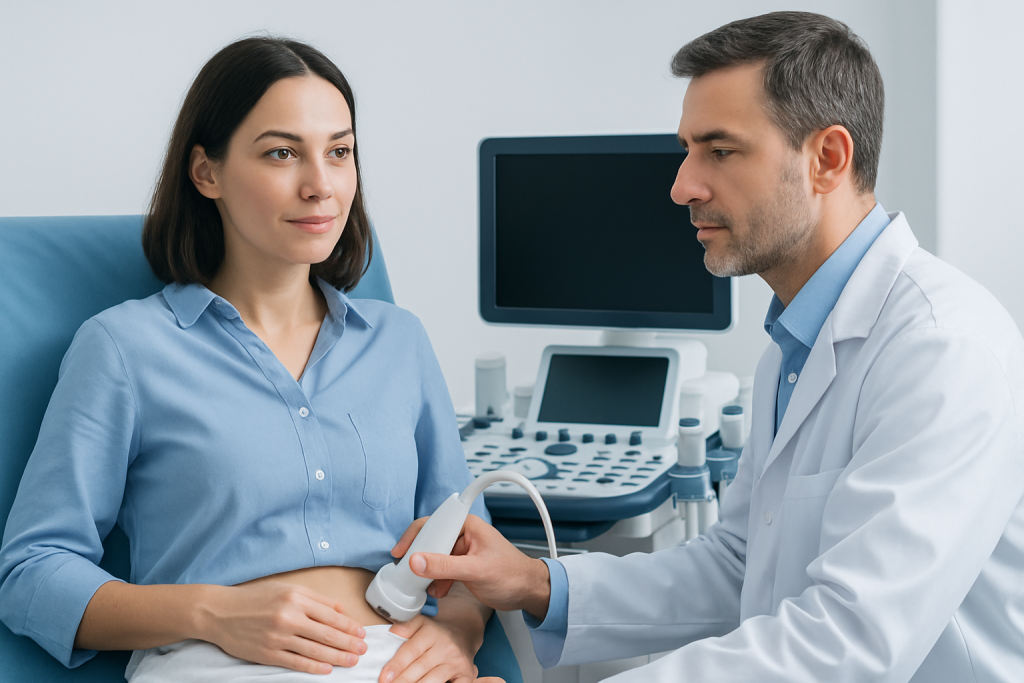
Liver conditions can be silent for a long time. When symptoms do appear, they may be subtle rather than dramatic, which is one reason people sometimes delay getting checked. Discomfort may be felt in the upper right abdomen, but that is not the only pattern.
Possible liver-related symptoms can include:
- Discomfort or fullness in the upper right abdomen
- Fatigue or reduced energy
- Nausea or loss of appetite
- Yellowing of the skin or eyes, called jaundice
- Dark urine or pale stools
- Itching without an obvious skin cause
- Abdominal swelling or fluid buildup
Some symptoms are not specific to the liver at all. Shoulder discomfort, bloating, or generalized tiredness may come from many different conditions. That is why a symptom pattern, physical exam, and test results are often needed together rather than relying on location alone.
Causes & Risk Factors
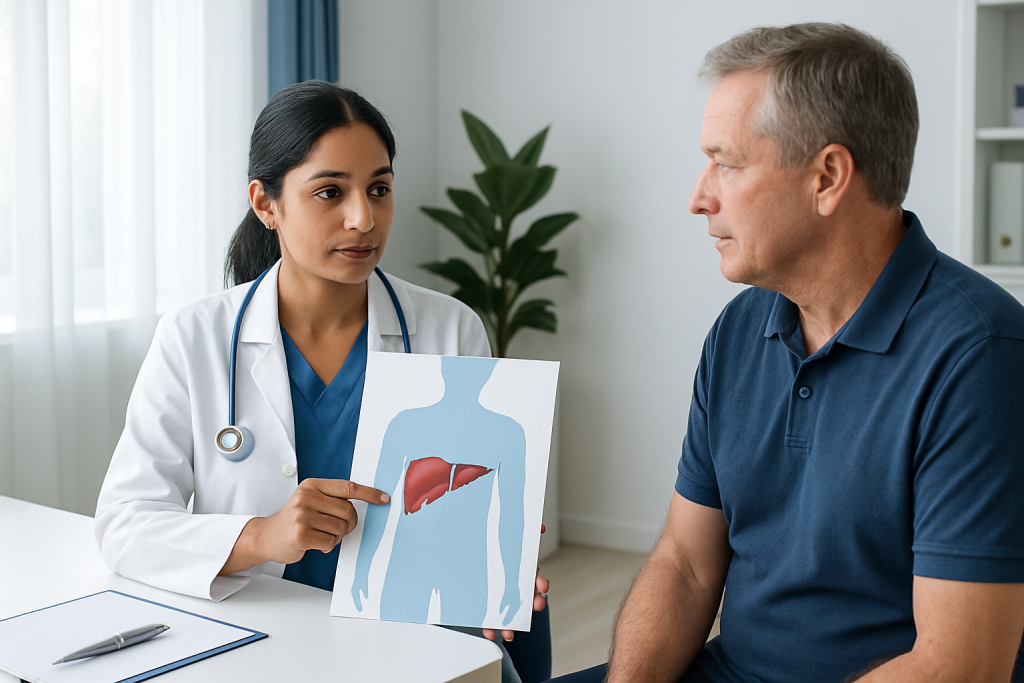
The liver can be affected by a wide range of conditions, from short-term inflammation to long-term disease. Some causes are related to infection, while others are linked to metabolism, alcohol use, immune function, or blockage of bile flow.
Common causes and risk factors include viral hepatitis, fatty liver disease, regular heavy alcohol use, certain medications or supplements, inherited conditions, and autoimmune liver disease. Risk may also rise with obesity, diabetes, high cholesterol, and exposure to blood or bodily fluids in unsafe settings.
Location matters here because liver problems may also be influenced by nearby structures. For example, discomfort in the upper right abdomen can be related to the gallbladder or bile ducts rather than the liver itself. A careful history helps clinicians sort out these possibilities and decide which tests are most useful.
Diagnosis
Finding the cause of symptoms usually begins with a medical history and physical examination. A clinician may ask where the discomfort is felt, whether it changes after meals, whether there is fever or jaundice, and how long the symptoms have been present. This conversation is often just as important as the tests that follow.
Blood tests can help assess liver function and look for signs of inflammation, infection, or blockage. Depending on the situation, doctors may also use ultrasound, CT, or MRI to examine the liver and nearby organs. These tests can show enlargement, fatty changes, masses, bile duct issues, or signs of scarring.
In some cases, more specialized testing may be needed, especially when symptoms are unclear or when a patient is traveling for care and wants a complete assessment before returning home. A well-organized diagnostic plan can reduce delays and help the next steps feel more manageable.
Treatment Options
Treatment depends entirely on the underlying cause. There is no single treatment for “liver location,” because location is a way of understanding anatomy, not a diagnosis. If the problem is fatty liver disease, treatment may focus on weight management, activity, and control of diabetes or cholesterol. If the issue is hepatitis, care may involve antiviral or supportive treatment depending on the type.
When liver inflammation is related to alcohol use or medication exposure, the first step is often removing the trigger under medical guidance. If bile ducts are blocked, a procedure may be needed. Advanced liver disease may require specialized monitoring, and in some situations transplant evaluation is considered by a liver team.
For patients coming from abroad, treatment planning may also include coordination of records, imaging, and follow-up arrangements after travel. Acibadem Health Point’s multidisciplinary specialists and JCI-accredited hospitals diagnose and treat liver conditions for international patients, with care organized around both medical needs and practical follow-up.
Prevention & Self-care
Not every liver condition can be prevented, but several habits support liver health and reduce avoidable strain. These steps are especially useful when someone is waiting for test results or trying to lower future risk after a diagnosis.
Helpful self-care habits include:
- Limiting alcohol or avoiding it when advised by a doctor
- Maintaining a healthy weight through balanced eating and regular activity
- Managing diabetes, blood pressure, and cholesterol
- Using medicines and herbal supplements only as directed
- Getting vaccinated when recommended, including for hepatitis prevention
- Practicing safer sex and avoiding shared needles or personal items that may carry blood
If a person has known liver disease, it is wise to ask the treating clinician before starting new supplements, pain relievers, or detox products. Some products marketed as “liver cleanses” can be misleading or harmful.
When to See a Doctor
Medical evaluation is worthwhile if upper abdominal discomfort persists, keeps returning, or is paired with fatigue, nausea, fever, or unexplained weight loss. Even when symptoms seem mild, a clinician can help identify whether the liver, gallbladder, stomach, or another organ is involved.
Prompt assessment is especially important if there is jaundice, confusion, significant swelling of the abdomen, vomiting that does not settle, black stools, or severe pain. These findings do not always mean a serious liver disorder, but they do deserve timely attention.
People with known liver disease should stay in regular contact with their doctor, even if symptoms are quiet. Follow-up blood tests or imaging may be needed to monitor progress and adjust care before problems become more difficult to reverse.
Living With the Anatomy in Mind
Knowing where the liver sits can make symptom tracking more accurate and less stressful. When a person understands that the liver lies high under the right ribs, it becomes easier to explain why a deep ache, fullness, or pressure might be worth discussing rather than dismissing.
That same knowledge also helps patients make sense of test results and imaging reports, which often refer to the upper right abdomen, the right upper quadrant, or nearby organs such as the gallbladder. Clear language can improve shared decision-making, especially for patients receiving care away from home and needing to coordinate records across borders.
If symptoms are ongoing or a liver problem has already been identified, the most useful next step is usually a calm, structured conversation with a qualified doctor. The goal is not to guess from location alone, but to connect symptoms with the right evaluation and the safest plan.
Frequently asked questions
Where is the liver located in the body?
The liver is located mainly in the upper right part of the abdomen, just beneath the ribs and diaphragm. A smaller portion extends toward the center of the upper abdomen, so symptoms may not feel limited to one exact spot.
Can liver pain be felt somewhere other than the upper right abdomen?
Yes. Liver-related discomfort may be vague or felt in nearby areas because the liver sits close to several organs and nerves. That is why symptoms alone cannot confirm the cause.
What does liver discomfort usually feel like?
People often describe pressure, fullness, dull aching, or general unease rather than sharp pain. Some liver conditions cause no pain at all and are found only through blood tests or imaging.
Is abdominal pain always caused by the liver if it is on the right side?
No. The gallbladder, stomach, intestines, muscles, and ribs can all cause discomfort in the right upper abdomen. A doctor may use an exam and tests to identify the source.
What tests are used to check the liver?
Doctors commonly use blood tests and imaging such as ultrasound, CT, or MRI. The choice depends on the symptoms and what the clinician is trying to rule out or confirm.
When should someone seek urgent medical help for possible liver problems?
Urgent help is important for jaundice, confusion, severe swelling, black stools, persistent vomiting, or strong worsening pain. These signs need prompt medical evaluation even if the cause is not yet clear.
References
- National Institute of Diabetes and Digestive and Kidney Diseases
- Mayo Clinic
- Cleveland Clinic
- World Health Organization
- American Liver Foundation
This article is for general information only and is not a substitute for professional medical advice. Please consult a qualified doctor about your individual situation.