Stomach Pain And Right Side

Key Takeaways
- Right-sided stomach pain has a wide range of causes, from mild digestive upset to conditions that need prompt medical assessment.
- The exact spot of the pain matters: upper-right pain often points toward the gallbladder or liver area, while lower-right pain may involve the appendix, bowel, or urinary tract.
- Fever, vomiting, worsening pain, jaundice, blood in the stool or urine, and pain that is sudden or severe should be checked by a doctor.
- Diagnosis may involve a physical examination, blood tests, urine tests, and imaging such as ultrasound or CT, depending on the suspected cause.
- Treatment is guided by the diagnosis and may include rest, fluids, dietary changes, medicines, or sometimes a procedure or surgery.
- People traveling for care should keep records of symptoms, test results, and prior treatment to help doctors make decisions quickly and safely.
Stomach pain on the right side can come from many different structures, including the digestive tract, gallbladder, kidneys, appendix, or muscles. The meaning depends on the exact location, how the pain feels, and whether other symptoms are present.
Overview
Stomach pain on the right side is a symptom, not a diagnosis. It can arise from the digestive system, urinary tract, reproductive organs, muscles, or the lining of the abdomen, which is why the same phrase can describe very different health problems.
The location of the discomfort offers important clues. Pain under the right ribs is often discussed differently from pain in the lower right abdomen, and pain that shifts, comes and goes, or worsens after eating may suggest a different cause than pain that is constant and sharp.
For many people, the first question is whether the pain is something minor or something that should be reviewed soon. A careful history, a targeted examination, and, when needed, imaging help doctors narrow the possibilities and choose the safest next step.
Symptoms
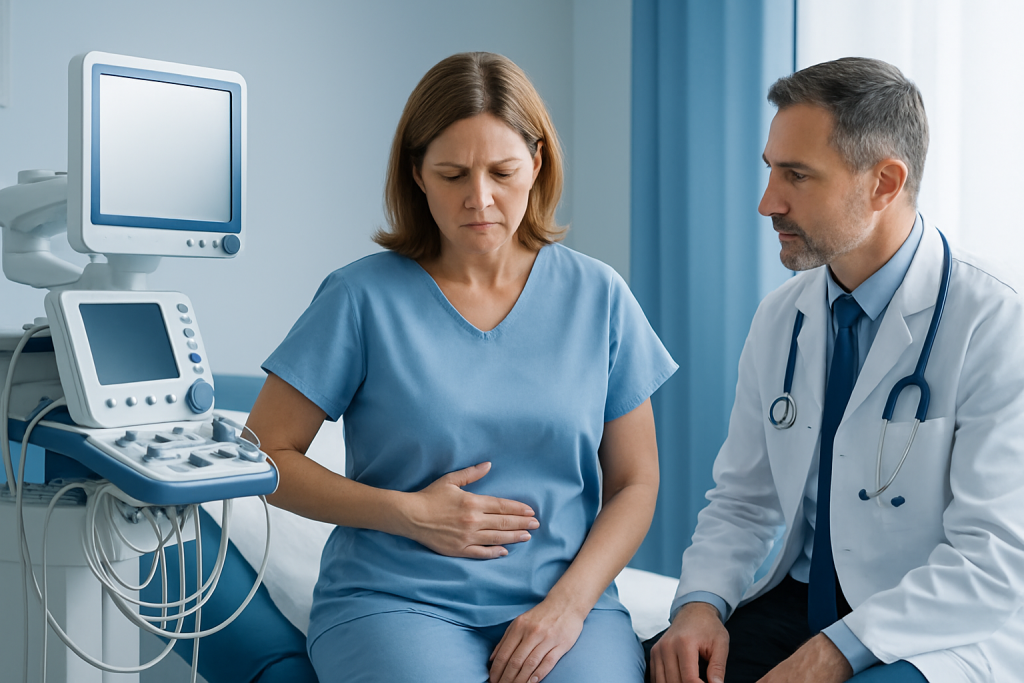
Right-sided abdominal pain can feel dull, crampy, burning, stabbing, pressure-like, or colicky. Some people notice that it is worse after meals, movement, coughing, deep breathing, or urination, while others feel it at rest.
Symptoms that appear alongside the pain often matter as much as the pain itself. Nausea, vomiting, bloating, diarrhea, constipation, fever, loss of appetite, yellowing of the skin or eyes, and urinary changes can all point toward different causes.
The exact area can also help guide evaluation:
- Upper right side: may involve the gallbladder, liver, stomach, or right kidney region.
- Lower right side: may involve the appendix, bowel, urinary tract, or, in women, the ovaries and fallopian tubes.
- Side/flank pain: may be related to the kidney or muscle strain.
If pain becomes intense, spreads, or is accompanied by fainting, chest pain, trouble breathing, or a rigid abdomen, it deserves prompt medical attention.
Causes & Risk Factors

There are many possible reasons for stomach pain on the right side. Digestive causes include gas, constipation, indigestion, gallstones, gallbladder inflammation, liver irritation, or bowel inflammation. The appendix is also a well-known cause of right lower abdominal pain, especially when pain increases over time and is joined by nausea or fever.
Non-digestive causes are common too. A kidney stone or urinary infection may produce pain along the right side or in the flank, often with urinary symptoms. Muscle strain, especially after lifting or twisting, can mimic internal pain and may feel worse with certain movements.
Risk factors vary by cause. A history of gallstones, recent heavy or fatty meals, dehydration, constipation, urinary infections, abdominal surgery, inflammatory bowel disease, or pelvic conditions can raise the chance of certain diagnoses. In international patients, it is especially helpful to mention previous surgeries, medication use, and any past imaging or lab results, because these details can quickly shape the workup.
Diagnosis
Doctors usually begin with questions about where the pain started, how quickly it developed, what makes it better or worse, and whether there are related symptoms such as fever, vomiting, diarrhea, or urinary changes. A physical examination can help identify tenderness, guarding, swelling, or signs that point toward the gallbladder, appendix, kidneys, or bowel.
Tests are chosen based on the likely cause. Common options include blood tests to look for infection or inflammation, liver and pancreatic tests, urine testing, and pregnancy testing when relevant. Imaging such as an abdominal ultrasound or CT scan may be used to examine the gallbladder, appendix, kidneys, or other organs more closely.
For someone traveling for treatment, bringing a short symptom timeline, a list of medicines, and any prior scans can make the evaluation more efficient. This is especially useful when care needs to be coordinated across countries or between several specialists.
Treatment Options
Treatment depends entirely on the cause. Mild digestive discomfort may improve with rest, hydration, temporary diet adjustments, and careful observation, while constipation may need changes in fluids, fiber, and bowel habits. When pain is related to infection, inflammation, or stones, doctors may recommend medicines, monitoring, or further procedures.
Some causes require procedural care. Gallbladder disease, appendicitis, certain bowel problems, and some kidney stones may be treated with surgery, endoscopic procedures, or other hospital-based interventions. The timing of treatment depends on the diagnosis, symptom severity, and whether complications are present.
Good treatment planning also includes follow-up. Patients who return home after treatment should know what warning signs to watch for, when to resume normal eating and activity, and how to contact their care team if symptoms change. Clear discharge instructions are especially important when recovery continues in another country.
Prevention & Self-care
Not all right-sided abdominal pain can be prevented, but some everyday habits may reduce common triggers. Staying hydrated, eating regularly, not ignoring constipation, and avoiding sudden overexertion can help lower the chance of some digestive or muscle-related discomfort.
People with known gallbladder, bowel, or urinary issues may benefit from following individualized advice from their doctor. This may include diet adjustments, attention to hydration, watching for symptom patterns, and keeping follow-up appointments even when symptoms settle down.
Simple self-care can be useful when pain is mild and a clinician has not identified a serious cause. Rest, gentle movement, small sips of water, and monitoring for new symptoms are reasonable steps. It is best to avoid self-medicating heavily or delaying assessment when the pain is unusual, persistent, or clearly worsening.
When to See a Doctor
Medical review is important if right-sided stomach pain is severe, lasts more than a short time, or keeps returning. It should also be assessed sooner if it follows an injury, appears during pregnancy, or occurs in someone with a history of abdominal surgery or known gallstones, kidney stones, or bowel disease.
Seek prompt care if the pain comes with fever, repeated vomiting, yellow skin or eyes, black or bloody stools, blood in the urine, difficulty passing urine, fainting, chest pain, shortness of breath, or a hard, swollen abdomen. These symptoms can signal a condition that needs timely treatment.
Acibadem Health Point can support international patients with multidisciplinary specialists and JCI-accredited hospitals that diagnose and treat right-sided abdominal pain when a fuller workup or coordinated care is needed. Even so, the safest approach is always to speak with a qualified doctor early rather than trying to guess the cause at home.
Living With the Uncertainty of Abdominal Pain
One of the hardest parts of abdominal pain is that it can feel vague at first. Many people want a simple answer, but the body does not always provide one quickly, particularly when symptoms overlap across the digestive, urinary, and reproductive systems.
A practical way to prepare for care is to note when the pain began, exactly where it is felt, whether it changes after meals or movement, and what other symptoms are present. For international patients, this record can be especially valuable when seeing a new team that is reviewing the problem from the beginning.
With a careful evaluation, most causes can be identified and managed appropriately. The goal is not to panic, but to match the right level of care to the symptom pattern and to act promptly when the picture suggests something that should not wait.
Frequently asked questions
What does stomach pain on the right side usually mean?
It can mean many different things, because several organs are located on the right side of the abdomen. Common causes include gallbladder problems, appendicitis, constipation, kidney stones, urinary infection, and muscle strain. The exact location and accompanying symptoms help doctors narrow it down.
Is right-sided abdominal pain always an emergency?
No, not always. Mild pain that settles and does not come with other symptoms may be less urgent, but worsening pain, fever, vomiting, jaundice, or a hard abdomen should be assessed quickly. When in doubt, it is safer to have a doctor review it.
How is the cause of right-sided stomach pain diagnosed?
Doctors usually start with a history and physical examination, then choose tests based on the suspected cause. Blood work, urine testing, ultrasound, and CT scans are common tools. The pattern of symptoms often guides which tests are most useful.
When should someone with right lower abdominal pain think about appendicitis?
Appendicitis is often considered when pain starts near the belly button and then moves to the lower right abdomen, especially if it becomes more intense over time. Nausea, loss of appetite, fever, and tenderness can also appear. Because appendicitis can worsen, it should be medically assessed promptly.
What should international patients bring to their appointment?
They should bring any previous test results, medication lists, and a short timeline of symptoms if possible. Notes about prior surgeries, allergies, and past diagnoses can also help a new care team work efficiently. This is especially useful when care has started in another country and needs to continue smoothly.
References
- World Health Organization
- Mayo Clinic
- National Institute of Diabetes and Digestive and Kidney Diseases
- American College of Gastroenterology
- NHS
This article is for general information only and is not a substitute for professional medical advice. Please consult a qualified doctor about your individual situation.