Lipedema: Symptoms, Causes and Treatment

Key Takeaways
- Lipedema is a long-term disorder of fat distribution, not simply excess body weight.
- It often affects both legs symmetrically and may cause pain, tenderness, and easy bruising.
- Diagnosis is usually clinical and may include evaluation to rule out lymphedema or venous disease.
- Treatment focuses on symptom control, mobility, compression, and in selected cases surgery.
- Early assessment can reduce confusion, unnecessary dieting, and delays in supportive care.
Medically reviewed by the Acıbadem clinical team — August 19, 2026
Lipedema is a chronic condition that causes abnormal fat accumulation, usually in the legs and sometimes the arms, often with pain and easy bruising. It is commonly mistaken for weight gain or lymphedema, but a careful medical evaluation can help guide the right care.
Overview
Lipedema is a chronic condition in which fat tissue accumulates in a distinctive pattern, most often around the hips, thighs, buttocks, and lower legs. In some people, the arms are also involved. The condition tends to be symmetrical, meaning both sides of the body are affected in a similar way, and the feet are usually spared.
Because lipedema can change the shape of the body without following the usual pattern of weight gain, it is often misunderstood. Many people spend years trying to explain why their legs feel heavy, why they bruise easily, or why diet and exercise change their overall health but do not seem to affect the affected areas in the same way. A correct diagnosis can bring clarity and open the door to better symptom management.
Lipedema is not a matter of poor discipline or a cosmetic issue alone. It is a medical condition that may affect comfort, walking tolerance, clothing choices, and emotional well-being. For international patients seeking care, the key early step is a specialist evaluation that can distinguish lipedema from conditions that may look similar.
Symptoms
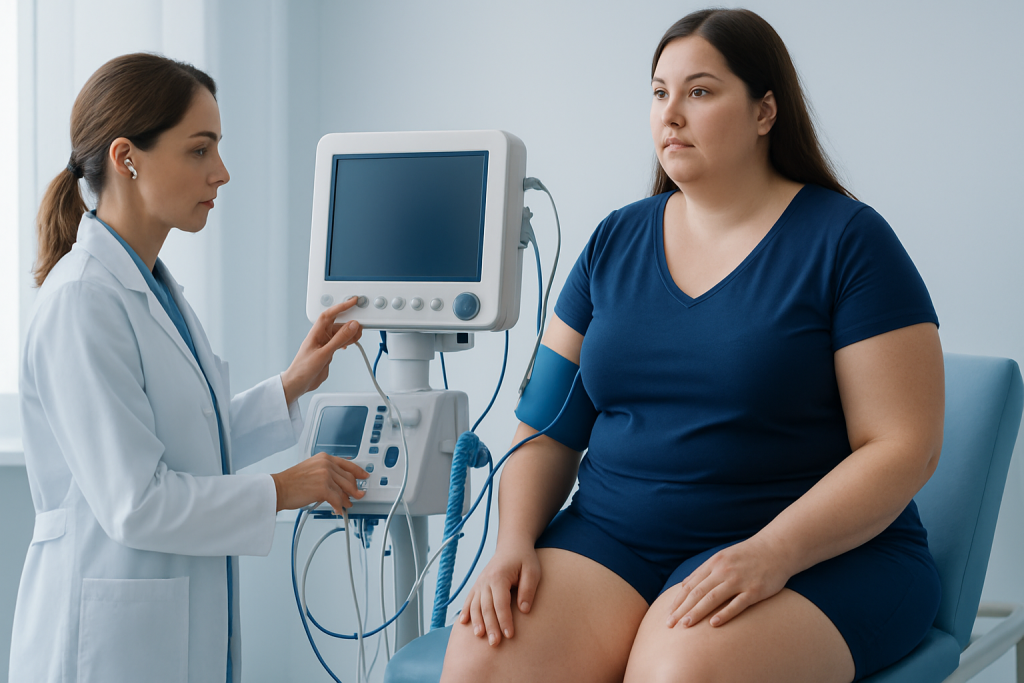
The first clues are often subtle. A person may notice that the legs feel unusually heavy, tired, or achy by the end of the day. Touching the affected areas can be tender, and bruises may appear after minor bumps that would not normally leave a mark. The skin itself may look smooth, but the underlying tissue can feel soft, nodular, or uneven.
Common features include:
- Symmetrical enlargement of the legs, hips, buttocks, or arms
- Feet or hands that remain relatively unaffected
- Pain, tenderness, or pressure sensitivity in the affected areas
- Easy bruising
- A feeling of heaviness or reduced stamina when standing or walking
- Swelling that may worsen over the day
Symptoms can vary from mild to more limiting. Some people first notice the changes during puberty, pregnancy, or menopause, which suggests that hormonal shifts may play a role in how the condition becomes visible. Others recognize it only after repeated attempts to lose weight do not change the limb shape in the expected way.
Causes & Risk Factors
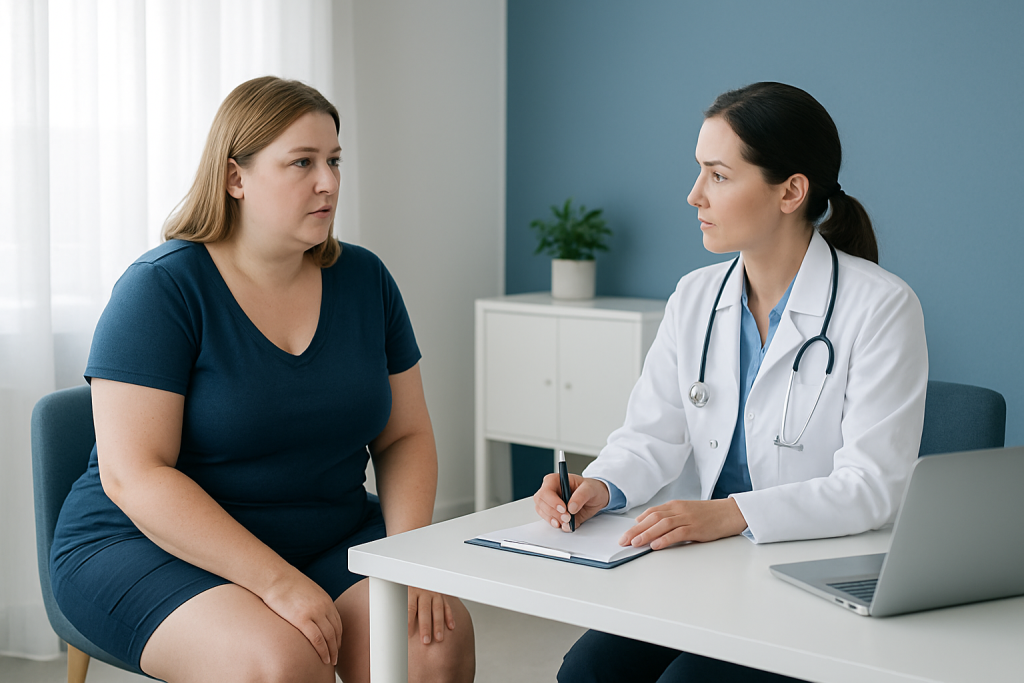
The exact cause of lipedema is not fully understood, but research suggests that genetics, hormones, and abnormalities in fat tissue function may all contribute. It often runs in families, which means a person may recognize similar body patterns in a mother, sister, or another close relative. The condition is seen far more often in women, although it can occur in men in rare situations.
Hormonal transitions are commonly reported at the time symptoms begin or progress. Puberty, pregnancy, and menopause are frequent turning points. This does not mean hormones alone cause lipedema, but they may influence how the condition develops or becomes noticeable.
Risk may be higher in people with a family history of similar symptoms, a history of leg heaviness or swelling that does not improve with lifestyle changes, or body changes that began around major hormonal milestones. Lipedema can also exist alongside obesity, but the two are not the same. A person can have lipedema without obesity, and extra weight can make the symptoms more difficult to manage.
Diagnosis
Lipedema is usually diagnosed through a medical history and physical examination rather than a single laboratory test. A clinician will look closely at the distribution of fat, whether the feet are spared, whether the tissue is tender, and whether there is a history of pain, bruising, or progressive enlargement. The timing of symptom onset can also be an important clue.
Because several conditions can cause leg swelling or altered limb shape, doctors may order tests to rule out other explanations. These may include evaluation for lymphedema, chronic venous insufficiency, thyroid disease, heart, kidney, or liver-related fluid retention, and other metabolic concerns. Imaging studies are not always required, but they can be helpful in selected cases when the diagnosis is unclear.
People seeking care from another country should bring any previous imaging, clinic notes, or photos that show how symptoms have changed over time. A well-prepared record can help the specialist understand the pattern more Blood Sugar Levels Quickly and Safely" class="ahp-ilk">quickly and reduce unnecessary repeat testing. The goal is not to label the condition quickly, but to make sure the diagnosis is accurate and the treatment plan fits the person’s actual needs.
Treatment Options
There is no single cure for lipedema, but treatment can reduce discomfort, improve mobility, and slow complications such as secondary swelling. Care is usually individualized. Some people do well with conservative measures, while others may consider surgical treatment if symptoms are more advanced or significantly limiting.
Conservative care may include compression garments, manual lymphatic drainage when appropriate, supervised exercise, skin care, and weight management if excess body weight is also present. These measures do not remove lipedema tissue, but they may help control pain, support circulation, and make daily movement easier. A tailored physical therapy plan can be especially helpful for people who have reduced walking tolerance or joint strain.
Liposuction techniques designed for lipedema are sometimes considered for carefully selected patients. When performed by an experienced surgical team, the goal is to remove abnormal fat while preserving surrounding structures. This is not a decision to make casually, particularly for patients traveling internationally; it should follow a thorough evaluation, discussion of expectations, and a clear plan for postoperative care and follow-up after returning home.
Treatment may also address related concerns such as emotional strain, sleep issues, and difficulties staying active. A multidisciplinary approach often works best because lipedema affects more than one part of life, not just body shape.
Prevention & Self-care
Lipedema itself cannot currently be prevented, but day-to-day habits can make symptoms more manageable. The aim is not perfection; it is reducing load on the body and preserving comfort and function. Many people benefit from steady routines that are realistic rather than extreme.
Helpful self-care measures may include:
- Wearing prescribed compression garments consistently, if recommended
- Choosing low-impact exercise such as walking, swimming, cycling, or water aerobics
- Elevating the legs when resting, if swelling is present
- Protecting the skin from injury and caring for any bruises or irritations
- Maintaining a balanced eating pattern for overall health, especially if weight is also a concern
- Tracking symptoms, triggers, and changes over time
It can also help to think ahead about travel and follow-up. If a patient is flying for care or returning home after treatment, planning for mobility, compression use, and postoperative instructions can reduce stress. Written guidance from the treating team is especially valuable when recovery will continue in another country.
When to See a Doctor
A medical evaluation is worthwhile when leg or arm size changes are persistent, symmetrical, and accompanied by pain, heaviness, or easy bruising. It is also important to seek assessment when repeated dieting and exercise do not seem to change the affected areas as expected. The earlier the pattern is recognized, the sooner a sensible care plan can begin.
Prompt review is especially helpful if swelling is increasing, walking is becoming harder, clothing fit is changing rapidly, or there is uncertainty about whether the problem is lipedema, lymphedema, or another condition. A doctor can help separate those possibilities and suggest the right next steps.
Patients who are considering treatment abroad should look for a team that understands both diagnosis and long-term support. At Acibadem Health Point, multidisciplinary specialists and JCI-accredited hospitals diagnose and treat lipedema for international patients, with attention to coordinated care before and after travel.
Frequently asked questions
Is lipedema the same as obesity?
No. Lipedema is a distinct medical condition involving abnormal fat distribution, usually in the legs and sometimes the arms. A person can have lipedema with or without obesity, and the two may also occur together.
How is lipedema different from lymphedema?
Lipedema usually affects both sides symmetrically and tends to spare the feet, while lymphedema often involves swelling that may include the feet or hands. Lymphedema is more directly related to lymphatic fluid buildup, although the two conditions can overlap in some people.
Can diet and exercise cure lipedema?
Lifestyle habits are important for overall health, but they do not usually remove lipedema tissue. Many people still benefit from healthy eating and regular movement because these habits support mobility, energy, and weight management if needed.
Why does lipedema hurt so much?
The tissue in lipedema can be tender and sensitive to pressure, which may make everyday touch, standing, or walking uncomfortable. The exact reason for the pain is not fully understood, but it is a recognized part of the condition and should be taken seriously.
Is surgery always needed?
No. Some people manage symptoms well with conservative measures such as compression, exercise, and physical therapy. Surgery may be considered for selected patients when symptoms remain significant despite non-surgical care.
Can lipedema get worse over time?
It can progress in some people, especially if it is not recognized early. Progression is not the same for everyone, which is why a specialist assessment can help set the right monitoring and treatment plan.
References
- Mayo Clinic
- Cleveland Clinic
- National Institutes of Health
- Lymphoedema Support Network
- European Society of Lymphology
This article is for general information only and is not a substitute for professional medical advice. Please consult a qualified doctor about your individual situation.
Explore treatments in Turkey — costs, top hospitals & a free quote
JCI-accredited · board-certified surgeons · reply within 24h
Add us as a Preferred Source to see more of our trusted health content across Google Search, AI Overviews and Discover.