Difference Between Type 1 And Type 2 Diabetes

Key Takeaways
- Type 1 diabetes is an autoimmune condition in which the body makes little or no insulin.
- Type 2 diabetes usually develops when the body becomes resistant to insulin and cannot use it effectively.
- Both conditions can cause similar symptoms, so testing is needed to tell them apart.
- Treatment may include insulin, other medicines, nutrition changes, physical activity, and regular monitoring.
- Early diagnosis and ongoing follow-up help lower the risk of complications over time.
Medically reviewed by the Acıbadem clinical team — August 19, 2026
Type 1 and Diabetes: When Lifestyle, Tablets, or Insulin Becomes the Better Next Step" class="ahp-ilk">type 2 diabetes both affect how the body handles blood sugar, but they arise from different processes and often require different treatment approaches. Understanding the distinction can help patients recognize symptoms earlier, ask better questions, and make more informed decisions about care.
Overview
At first glance, type 1 and type 2 diabetes can look similar: both raise blood glucose and both may cause thirst, frequent urination, fatigue, and blurred vision. The difference lies in why blood sugar rises. In type 1 diabetes, the immune system attacks the insulin-producing cells in the pancreas. In type 2 diabetes, the body still makes insulin for a time, but cells do not respond to it properly, and the pancreas may gradually struggle to keep up.
Because the causes differ, the treatment path often differs too. A person newly diagnosed while living abroad, planning travel, or seeking a second opinion may need a clear explanation of whether insulin is immediately necessary, whether tablets or lifestyle changes can help, and how monitoring should be organized after returning home. That clarity matters because diabetes care is long-term and works best when the plan is practical in daily life.
There is also overlap. Some adults with type 1 diabetes are diagnosed later in life, and some people with type 2 diabetes develop severe insulin deficiency over time. For that reason, doctors usually rely on symptoms, blood tests, and the overall clinical picture rather than appearance or age alone.
Symptoms
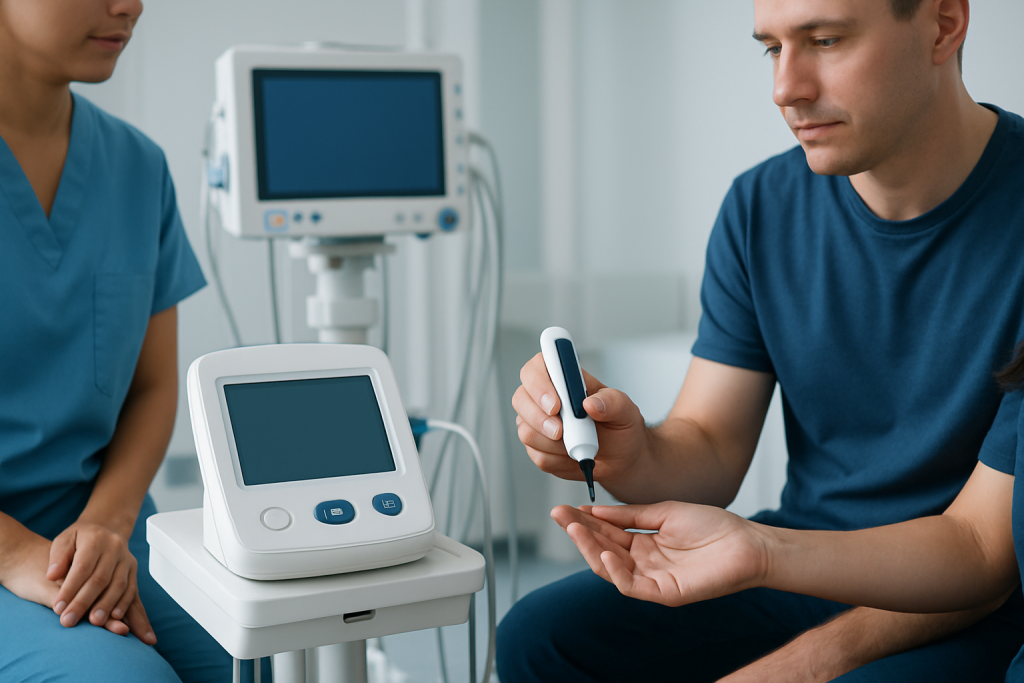
Many early symptoms are shared by both types of diabetes because the underlying problem is high blood glucose. These may appear gradually or, especially in type 1 diabetes, quite quickly. A person may notice that they are drinking more water, urinating more often, waking at night to use the bathroom, or feeling unusually tired despite enough sleep.
Other common signs include increased hunger, unexplained weight loss, dry mouth, blurred vision, slow healing of cuts, and recurrent infections such as skin, urinary, or yeast infections. In children or young adults with type 1 diabetes, symptoms can develop over days or weeks and may be mistaken for a viral illness at first.
There are some clues that can help doctors think about the likely type, but these are not definitive. Type 1 diabetes often appears with more rapid onset and weight loss, while type 2 diabetes is more likely to be discovered during routine testing or after a period of mild, slowly progressing symptoms. However, only proper testing can confirm the diagnosis.
Causes & Risk Factors

Type 1 diabetes is an autoimmune disease. The immune system mistakenly attacks the beta cells in the pancreas that produce insulin. Why this happens is not fully understood, but inherited susceptibility and environmental triggers are thought to play a role. It is not caused by eating sugar, being stressed, or having a particular lifestyle.
Type 2 diabetes is more strongly linked to insulin resistance, where the body’s cells do not use insulin effectively. Over time, the pancreas may not be able to produce enough insulin to maintain normal glucose levels. Risk factors include excess body weight, low physical activity, family history, older age, a history of gestational diabetes, polycystic ovary syndrome, and certain ethnic backgrounds. Blood pressure and cholesterol problems often travel with it as part of a broader metabolic pattern.
Family history can matter in both conditions, but in different ways. A person with a first-degree relative who has diabetes may have a higher risk overall. Still, no single risk factor can predict who will develop diabetes, and many patients do not fit a neat textbook profile. That is one reason a complete medical assessment is more useful than assumptions based on age or body size alone.
Diagnosis
Doctors diagnose diabetes using blood tests that measure glucose levels over time or at a single point in time. Common tests include fasting plasma glucose, HbA1c, and an oral glucose tolerance test. If blood sugar is high enough, the next step is to determine whether the picture fits type 1, type 2, or another form of diabetes.
To help distinguish the type, clinicians may order tests such as C-peptide, which reflects how much insulin the body is making, and autoantibody tests, which can suggest an autoimmune process. The person’s age, symptoms, weight changes, and need for insulin at diagnosis also help guide the decision. In some cases, the distinction is straightforward; in others, it becomes clearer only after follow-up.
For international patients, diagnosis may involve coordinating laboratory tests across different health systems. A useful travel plan includes bringing prior records, medication lists, and recent lab results if available. That makes it easier for the consulting team to confirm the diagnosis efficiently and recommend a treatment plan that can be continued safely after returning home.
Treatment Options
Treatment aims to keep blood glucose in a safe range, reduce symptoms, and lower the risk of long-term complications affecting the eyes, kidneys, nerves, heart, and blood vessels. The exact approach depends on the type of diabetes and the individual’s overall health. Care usually works best when it includes medicines, nutrition guidance, activity, and regular monitoring.
Type 1 diabetes requires insulin because the body no longer produces enough of it. Insulin can be given in different regimens, and the choice depends on the person’s routine, glucose patterns, and treatment goals. Diabetes education is a key part of care, including how to monitor blood sugar, recognize low blood sugar, and adjust daily habits around meals, exercise, illness, and travel.
Type 2 diabetes is often managed first with lifestyle changes and, when needed, medicines that improve the body’s response to insulin or reduce glucose production. Some people eventually need insulin as the condition progresses. Treatment may also include blood pressure and cholesterol management, because diabetes-related risk is not limited to glucose alone.
- Monitoring blood glucose as advised by the care team
- Following a balanced eating pattern that supports steady energy
- Staying physically active in a way that is realistic and safe
- Taking prescribed medicines consistently
- Keeping regular follow-up appointments and lab checks
For patients traveling for care, a multidisciplinary team can be especially helpful in creating a plan that includes education before departure, clear medication instructions, and a follow-up strategy that continues after the trip. Acibadem Health Point’s multidisciplinary specialists and JCI-accredited hospitals diagnose and treat diabetes for international patients, which can support coordinated care across borders.
Prevention & Self-care
Type 1 diabetes cannot currently be prevented, and nothing a patient did caused it to happen. Self-care in type 1 focuses on learning the condition early, using insulin correctly, and responding promptly to changes in blood sugar. Good education makes a major difference because day-to-day decisions matter so much.
Type 2 diabetes can sometimes be delayed or reduced through healthy habits, especially in people with prediabetes or other risk factors. Helpful measures include maintaining a healthy weight, moving regularly, limiting sugary drinks, choosing fiber-rich foods, and getting enough sleep. Even modest, sustainable changes can improve insulin sensitivity and support long-term control.
For both types, self-care also means paying attention to practical details: carrying a medication list, wearing medical identification if advised, having a plan for illness, and knowing when to seek help. People managing diabetes while traveling should pack supplies in their carry-on, keep snacks available, and bring enough medication plus documentation for customs or border checks when needed.
When to See a Doctor
Anyone with symptoms of diabetes should arrange medical evaluation, especially if symptoms are new, persistent, or getting worse. Prompt assessment is particularly important if there is unexplained weight loss, marked thirst, frequent urination, or fatigue that interferes with daily life. A doctor can confirm the cause and begin treatment before complications develop.
Urgent care is needed if symptoms suggest severe high blood sugar or a diabetes emergency, such as vomiting, confusion, rapid breathing, dehydration, or drowsiness. These can be signs that the body is struggling to manage glucose safely and should not be ignored. Low blood sugar episodes in a person already taking diabetes medicine also deserve timely medical advice.
Regular follow-up is important even when symptoms are stable. Diabetes is a condition that benefits from adjustment over time, especially if work schedules, travel plans, pregnancy, other illnesses, or medications change. A qualified doctor can help interpret trends, refine treatment, and keep the plan realistic for the person’s everyday life.
Frequently asked questions
What is the main difference between type 1 and type 2 diabetes?
Type 1 diabetes happens when the immune system destroys the cells that make insulin, so the body produces little or none. Type 2 diabetes develops when the body becomes resistant to insulin and may not make enough of it over time. Both lead to high blood sugar, but they are different conditions and are treated differently.
Can adults get type 1 diabetes?
Yes. Although type 1 diabetes is often diagnosed in children or young adults, it can appear at any age. Adults may be misclassified at first, which is why doctors sometimes use antibody and C-peptide tests to clarify the diagnosis.
Is type 2 diabetes always linked to weight?
No. Weight can be one risk factor, but it is not the only one, and not every person with type 2 diabetes is overweight. Family history, age, activity level, genetics, and other health conditions also play important roles.
Do both types of diabetes require insulin?
Type 1 diabetes requires insulin because the body does not make enough on its own. Type 2 diabetes may be managed with lifestyle changes and non-insulin medicines at first, but some people later need insulin as the condition progresses.
Can symptoms alone tell the difference between the two types?
No. The symptoms often overlap, so blood tests are needed to confirm diabetes and help determine the type. A doctor may also look at the person’s history, exam findings, and response to treatment.
What should a traveler with diabetes prepare before a trip?
It helps to bring medications, glucose monitoring supplies, a written treatment plan, and copies of recent medical records. Planning ahead with a doctor can make it easier to handle time zone changes, meals, and access to follow-up care after returning home.
References
- American Diabetes Association
- Centers for Disease Control and Prevention
- National Institute of Diabetes and Digestive and Kidney Diseases
- World Health Organization
- International Diabetes Federation
This article is for general information only and is not a substitute for professional medical advice. Please consult a qualified doctor about your individual situation.
Explore treatments in Turkey — costs, top hospitals & a free quote
JCI-accredited · board-certified surgeons · reply within 24h
Add us as a Preferred Source to see more of our trusted health content across Google Search, AI Overviews and Discover.