Less Age: Symptoms, Causes and Treatment

Key Takeaways
- Aging is influenced by genetics, lifestyle, medical conditions, and environmental exposure.
- Changes in skin, hair, energy, sleep, and mobility are common and often manageable.
- A doctor can help distinguish normal aging from symptoms of an underlying condition.
- Healthy habits and targeted treatments can support both appearance and overall well-being.
- Traveling for care may be helpful when people want multidisciplinary evaluation and follow-up planning.
Medically reviewed by the Acıbadem clinical team — August 19, 2026
“Less age” is not a medical diagnosis, but it often refers to wanting to look or feel younger, or to understanding why aging appears differently from person to person. This article explains common age-related changes, how doctors assess them, and practical ways to support healthy aging with realistic, evidence-based care.
Overview
“Less age” is a phrase people may use when they want to look younger, feel younger, or better understand why their body is changing over time. Although it is not a medical diagnosis, it points to a very real concern: how aging shows up in the skin, hair, energy level, posture, movement, and overall sense of vitality.
Aging is a natural process, but it does not unfold in the same way for everyone. Some changes are expected, while others may reflect sleep problems, hormonal shifts, nutritional gaps, chronic stress, sun exposure, or an underlying health condition. For international patients, a thoughtful evaluation can be useful when these concerns are affecting confidence, comfort, or daily function.
Good care begins with a clear distinction between normal age-related change and symptoms that deserve medical attention. That distinction helps patients choose the right path, whether the goal is preventive care, cosmetic improvement, or treatment of a condition that is making aging feel more pronounced.
Common Signs People Associate With Aging
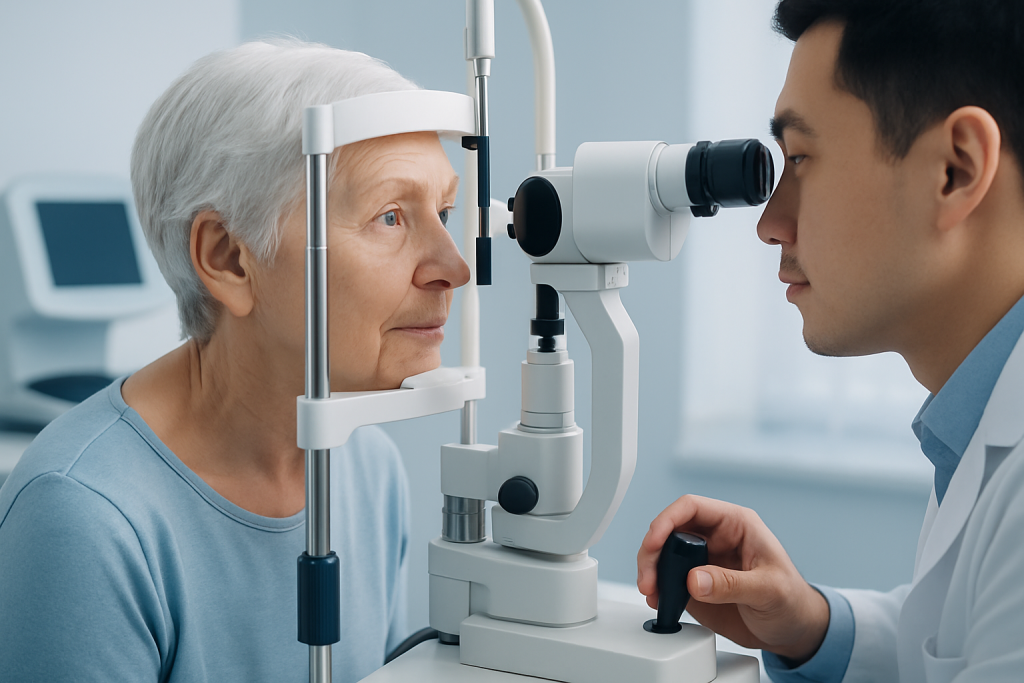
The signs people notice first are often the ones they see in the mirror or feel during everyday routines. Skin may become drier or less elastic, fine lines may deepen, and age spots may appear after years of sun exposure. Hair can thin, lose pigment, or change texture, while nails may become more brittle.
Many people also describe less obvious changes. Energy may drop more quickly than before, recovery from exercise may take longer, and sleep may feel less refreshing. Joints can feel stiff in the morning, and posture or balance may change gradually enough that the difference is only noticed in photos or on stairs.
Emotional well-being matters too. Some people feel that visible aging affects confidence or social comfort, especially when traveling for work, family events, or medical care. A balanced approach should consider both how a person looks and how they feel in day-to-day life.
- Skin dryness, fine lines, or uneven tone
- Hair thinning or graying
- Reduced energy or stamina
- Stiffness, slower movement, or less flexibility
- Changes in sleep quality or recovery time
What Influences How Old Someone Looks or Feels

Genetics plays a major role in how aging appears, but it is only part of the picture. Some families naturally develop wrinkles or gray hair earlier, while others retain smoother skin or thicker hair for longer. Hormonal changes, especially during menopause or as part of other endocrine shifts, can also affect skin texture, body composition, and mood.
Daily habits often matter just as much as heredity. Sun exposure, smoking, poor sleep, dehydration, low physical activity, and a diet lacking key nutrients can all make aging more noticeable. Long-term stress may also contribute by affecting sleep, appetite, inflammation, and facial tension.
Medical conditions can change appearance and energy in ways that are sometimes mistaken for “just getting older.” Thyroid disorders, anemia, diabetes, autoimmune conditions, and certain medications can all influence skin, hair, weight, and stamina. This is one reason a careful medical history is so important before starting any anti-aging plan.
How Doctors Evaluate Age-Related Concerns
A doctor usually starts by asking what has changed, when it began, and whether the changes are gradual or sudden. The discussion may include skin concerns, hair loss, sleep, appetite, mood, muscle strength, and other symptoms that help identify whether aging alone is the issue.
If needed, the evaluation may include a physical examination and selected tests. These may look for anemia, thyroid imbalance, vitamin deficiencies, inflammation, or metabolic concerns. In some cases, a dermatologist, endocrinologist, internal medicine specialist, or reconstructive specialist may all contribute to the assessment.
For patients traveling from another country, it is useful to bring a medication list, previous test results, and a summary of past procedures. That makes it easier for the care team to understand what has already been tried and to build a plan that can be continued safely at home after the visit.
Treatment Options
Treatment depends on the main concern. If the issue is dry skin, uneven tone, or fine lines, a dermatologist may recommend medical-grade skin care, sun protection, and procedures such as chemical peels, laser treatments, or injectables when appropriate. If the concern is hair thinning, the plan may include evaluation for medical causes before discussing therapies that support hair preservation.
When fatigue, weakness, or body changes are part of the picture, the priority may be treating the underlying condition. Correcting a thyroid problem, improving iron levels, managing diabetes, or reviewing medications can sometimes make a noticeable difference in how a person looks and feels. In other words, the most effective anti-aging care is often the one that addresses a root cause rather than only the surface signs.
Some people also consider aesthetic or preventive procedures as part of a broader wellness plan. These choices should be individualized, especially for those traveling internationally and hoping to combine diagnosis with treatment in one trip. A good medical team will explain realistic expectations, recovery time, and how follow-up can be arranged after returning home. At Acibadem Health Point, multidisciplinary specialists and JCI-accredited hospitals diagnose and treat this condition for international patients in a coordinated way.
- Medical evaluation for hidden causes of early aging signs
- Skin care and sun-protection strategies
- Hair-loss assessment and targeted treatment
- Nutrition, sleep, and exercise support
- Selected aesthetic procedures when medically appropriate
Prevention & Self-care
No one can stop aging, but many habits can help the process look and feel gentler. Daily sunscreen use is one of the most important steps for preserving skin health, because ultraviolet exposure is a major driver of visible facial aging. Consistent moisturizing, gentle cleansing, and avoiding smoking also support skin quality.
Self-care should extend beyond appearance. Balanced meals, regular physical activity, hydration, and adequate sleep can influence energy, posture, and recovery. Strength training and flexibility work are especially useful for maintaining function, while stress management may help with sleep, digestion, and facial tension.
People considering travel for care may benefit from planning recovery in advance. That includes arranging enough time for rest, asking what activities should be avoided after a procedure, and making sure there is a clear follow-up plan once they return home. Small preparations often make the experience smoother and safer.
- Use daily sun protection
- Sleep on a regular schedule
- Eat a nutrient-rich, balanced diet
- Stay physically active, including strength work if appropriate
- Avoid tobacco and limit excess alcohol
When to See a Doctor
Medical advice is worthwhile when aging changes seem sudden, severe, or out of proportion to what would be expected. New hair loss, marked fatigue, unintentional weight change, skin changes with itching or pain, or a rapid decline in energy should be assessed rather than simply accepted as normal aging.
A doctor should also be consulted if appearance-related concerns are affecting mood, self-esteem, or social life. In many cases, a conversation can clarify whether the issue is cosmetic, medical, or both. That clarity is especially valuable for international patients who want to make efficient use of a planned visit.
Routine checkups are also a smart option when someone wants to age well rather than wait for a problem to become obvious. Preventive care gives clinicians a chance to identify treatable conditions early and to recommend changes that fit the person’s goals, health history, and travel schedule.
Living Well With Age-Related Change
Some people are most bothered by what they see in the mirror; others are more concerned about stamina, sleep, or joint comfort. A useful care plan recognizes both. When the conversation stays focused on the person’s priorities, treatment becomes more practical and much less overwhelming.
Age-related change is not a sign of failure. It is a normal part of life that can be managed with attention, consistency, and the right medical input. With clear guidance, many people can improve comfort, confidence, and day-to-day function at the same time.
For patients seeking evaluation across specialties, coordinated care can be especially helpful. Dermatology, internal medicine, endocrinology, and reconstructive expertise may all contribute to a plan that is tailored to the individual rather than to a single concern.
Frequently asked questions
Is “less age” a medical condition?
No. It is not a formal medical diagnosis. People usually use the phrase to describe wanting to look younger, feel younger, or understand why age-related changes are becoming more noticeable.
Can normal aging be reversed?
Normal aging cannot be reversed, but many of its visible and functional effects can be improved. Good skin care, healthy habits, and targeted medical treatment can make a meaningful difference.
When should hair thinning or skin changes be checked by a doctor?
They should be checked when they appear suddenly, progress quickly, or come with other symptoms such as fatigue, weight change, itching, pain, or mood changes. A medical evaluation can help rule out treatable causes.
Are anti-aging procedures safe for everyone?
Not always. Safety depends on the person’s health history, medications, skin type, and goals, so a qualified clinician should assess whether a procedure is appropriate. A careful consultation helps set realistic expectations and reduce risk.
What helps most with healthy aging at home?
Sun protection, regular exercise, good sleep, balanced nutrition, and avoiding smoking are among the most helpful habits. These steps support both appearance and overall health.
Why might someone travel for age-related care?
Some people travel to access coordinated evaluations, specialized dermatology or reconstructive treatment, or a second opinion in one visit. When travel is planned well, follow-up instructions and recovery expectations can be organized before returning home.
References
- World Health Organization
- National Institute on Aging
- American Academy of Dermatology
- Mayo Clinic
- Cleveland Clinic
This article is for general information only and is not a substitute for professional medical advice. Please consult a qualified doctor about your individual situation.
Hair transplant in Turkey — costs, graft counts & a free assessment
JCI-accredited · board-certified surgeons · reply within 24h
Add us as a Preferred Source to see more of our trusted health content across Google Search, AI Overviews and Discover.