

LEEP Procedure: Uses, Procedure and Recovery

Key Takeaways
- LEEP removes a thin section of abnormal cervical tissue using a heated wire loop.
- It is often recommended after abnormal screening results or a colposcopy-guided biopsy.
- Most patients go home the same day and resume many routine activities within a short time.
- Mild cramping, watery discharge, and light spotting are common during recovery.
- Follow-up testing is important because cervical tissue can change again over time.
Medically reviewed by the Acıbadem clinical team — August 19, 2026
The LEEP procedure is a common outpatient treatment used to remove abnormal cervical tissue, often after an abnormal Pap test or colposcopy. For many patients, it is both a diagnostic step and a way to prevent cervical precancer from progressing.
Overview
The LEEP procedure, or loop electrosurgical excision procedure, is a minor surgical treatment used to remove abnormal cells from the cervix. It is most often performed after cervical screening tests suggest changes that need closer evaluation, especially when a colposcopy or biopsy shows a precancerous area.
During the procedure, a thin wire loop carries a gentle electrical current and removes a small, precise sample of tissue. That tissue is then examined in a laboratory, which helps confirm the diagnosis and guide the next steps in care. For many patients, LEEP offers two benefits at once: it can treat the abnormal area and provide important diagnostic information.
Because it is usually done in an outpatient setting, patients typically return home the same day. The experience is often easier than many people expect, though preparation and follow-up matter just as much as the procedure itself.
Symptoms and Why It Is Recommended
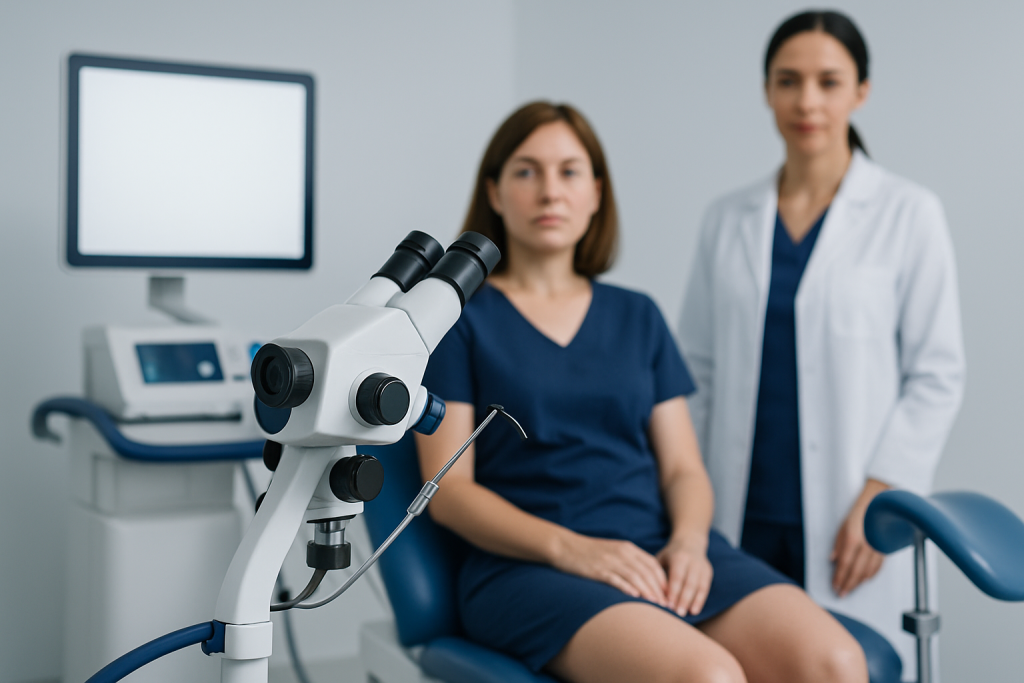
LEEP is not usually performed because a person feels unwell. It is recommended because a screening test or biopsy has shown cervical cells that are not normal and need to be removed or examined more closely. Many people have no symptoms at all before the procedure, which is why routine screening is so important.
Some patients may have noticed irregular bleeding, bleeding after intercourse, or unusual discharge, but these symptoms are not specific to one condition. Often, the real trigger for LEEP is a result from a Pap test, HPV test, or colposcopy that suggests cervical dysplasia, also called abnormal cell changes in the cervix.
In practical terms, LEEP is often chosen when the clinician wants to remove the abnormal area with precision while preserving as much healthy tissue as possible. This balance is one reason the procedure is widely used in gynecology.
Causes and Risk Factors

LEEP itself does not have causes in the usual sense; it is a treatment for cervical cell changes. Those changes are commonly associated with persistent infection with high-risk types of human papillomavirus, or HPV, which can affect cervical cells over time.
Several factors can increase the chance of cervical cell changes or make follow-up more important. These include a history of abnormal cervical screening, a weakened immune system, smoking, and not completing recommended screening at regular intervals. Most people with HPV do not develop serious disease, but persistent infection is one reason careful monitoring is needed.
Myomectomy Recovery for International Patients: The Usual Travel Timeline" class="ahp-ilk">International patients may arrive for care after screening in another country or after receiving mixed explanations about their results. Bringing prior test reports, pathology slides if available, and any HPV or Pap history can help the specialist decide whether LEEP is the most appropriate step.
Diagnosis and Pre-Procedure Evaluation
Before LEEP, the clinician usually reviews screening results and may perform colposcopy, a close examination of the cervix using a magnifying instrument and special solutions. If needed, a biopsy is taken to confirm which areas are abnormal and whether treatment is necessary.
The pre-procedure visit is also the time to discuss pregnancy status, medications, allergies, and any bleeding concerns. Patients are commonly asked about blood thinners, prior cervical procedures, and whether they have had any unusual reactions to anesthesia or local numbing medicine.
For patients traveling from abroad, this evaluation may be coordinated efficiently so that testing, consultation, and treatment can be planned around a short stay. Clear communication about results, timing, and follow-up is essential, especially when the next appointment may take place after the patient has returned home.
Treatment Options and What Happens During LEEP
LEEP is usually performed in an outpatient clinic or hospital procedure room. The cervix is numbed, and a speculum is placed to allow the clinician to see the area clearly. The wire loop then removes the abnormal tissue in one or more small sections.
The procedure typically takes only a short time, although the full visit may take longer because of preparation and observation afterward. Patients may feel pressure, mild cramping, or a brief stinging sensation, but many tolerate the procedure well. The removed tissue is sent to pathology to check the edges of the sample and to confirm the extent of the cell changes.
Other treatment approaches may be considered depending on the test results, the size of the abnormal area, age, fertility plans, and previous cervical procedures. In some cases, observation, repeat testing, or another type of excisional treatment may be more appropriate. The best option is based on the individual clinical picture rather than a single test result alone.
Recovery, Prevention, and Self-Care
Recovery after LEEP is usually straightforward, but the cervix needs time to heal. Mild cramping, light spotting, and watery or brownish discharge are common in the days or weeks after the procedure. Patients are often advised to avoid inserting anything into the vagina, including tampons or douches, until the clinician says it is safe.
It is also sensible to avoid heavy lifting or intense exercise briefly if recommended, especially if bleeding increases with activity. Sexual intercourse is usually postponed for a period of time to reduce irritation and allow healing. Following the specific aftercare instructions given by the treating team is the most reliable way to support recovery.
Prevention does not end with the procedure. Regular cervical screening, follow-up HPV testing, and keeping appointments matter because cervical changes can recur. If smoking is a factor, stopping smoking can support overall cervical health. HPV vaccination may also be discussed, depending on age and prior vaccination status, as part of a broader prevention plan.
When to See a Doctor
Most after-effects of LEEP are mild, but medical advice should be sought if bleeding becomes heavy, pain worsens instead of improving, or there is a fever, foul-smelling discharge, or signs of infection. These symptoms are not expected and should be assessed promptly.
Patients should also contact the clinician if they are unsure about aftercare instructions, if the pathology report is delayed, or if follow-up appointments are difficult to arrange after returning to another country. Good follow-up is part of the treatment, not an extra step.
For international patients, a coordinated team can help align treatment, pathology review, and follow-up planning so that care remains clear across borders. At Acibadem Health Point, multidisciplinary specialists and JCI-accredited hospitals diagnose and treat this condition for international patients, with attention to continuity before and after travel.
Living With the Results and Long-Term Follow-Up
Receiving a diagnosis that leads to LEEP can be unsettling, especially when the original screening test felt routine. In most cases, the procedure is meant to reduce future risk, not signal cancer. Understanding that distinction can help patients approach recovery with more confidence.
The pathology report after LEEP gives the care team valuable information about whether all abnormal tissue was removed and what follow-up schedule is appropriate. Some patients need repeat testing sooner than usual, while others return to standard surveillance after healing. The timing depends on the individual result, not on the procedure alone.
Long-term follow-up is where prevention becomes personal. Keeping records of Pap tests, HPV results, and pathology reports helps future clinicians make informed decisions, particularly when care is split between countries or between different medical systems.
Frequently asked questions
What is the LEEP procedure used for?
LEEP is used to remove abnormal tissue from the cervix, most often when screening tests or a biopsy show cervical dysplasia or precancerous changes. It also provides a tissue sample for laboratory review, which helps confirm the diagnosis.
Is LEEP considered surgery?
It is a minor surgical procedure, usually done on an outpatient basis. It is less invasive than many operations and often does not require a hospital stay.
Does the LEEP procedure hurt?
Most patients feel pressure, cramping, or brief discomfort rather than severe pain. The cervix is numbed before the tissue is removed, which helps make the procedure more tolerable.
How long does recovery take after LEEP?
Many people return to normal light activities within a short time, but the cervix continues healing for several weeks. The exact recovery timeline depends on the amount of tissue removed and the clinician’s aftercare guidance.
Can LEEP affect future pregnancy?
LEEP can sometimes have implications for future pregnancy, especially if a larger amount of cervical tissue is removed. Patients who may want future pregnancies should discuss this with their gynecologist before treatment.
Why is follow-up important after LEEP?
Follow-up testing helps confirm that the abnormal cells have been treated and checks whether the cervix is healing as expected. It also helps detect any new changes early, when they are usually easier to manage.
References
- American College of Obstetricians and Gynecologists
- National Cancer Institute
- World Health Organization
- Centers for Disease Control and Prevention
This article is for general information only and is not a substitute for professional medical advice. Please consult a qualified doctor about your individual situation.
Explore treatments in Turkey — costs, top hospitals & a free quote
JCI-accredited · board-certified surgeons · reply within 24h
Add us as a Preferred Source to see more of our trusted health content across Google Search, AI Overviews and Discover.
More from the Health Library



Related Specialists

Dr. Gamze Karababa
Gynecology & Obstetrics
Dr. Onur Özdenoğlu
Gynecology & Obstetrics
Dr. Selcen Bahadır
Gynecology & Obstetrics
Prof. Dr. A. Taner Usta
Gynecology & Obstetrics